Toys & Play
A good play session has some effort in the middle and a calm finish. For dogs, start with indoor games for dogs for cold, dark or rainy days, and toys for dogs who destroy toys to match toys to how your dog chews.
For cats, how long to play with a cat sets out short daily sessions that end with a catch and a snack. No toy is indestructible, so supervise play and retire a toy once it splits or loses pieces. The toys mentioned are in dog and cat toys.
-
How-to
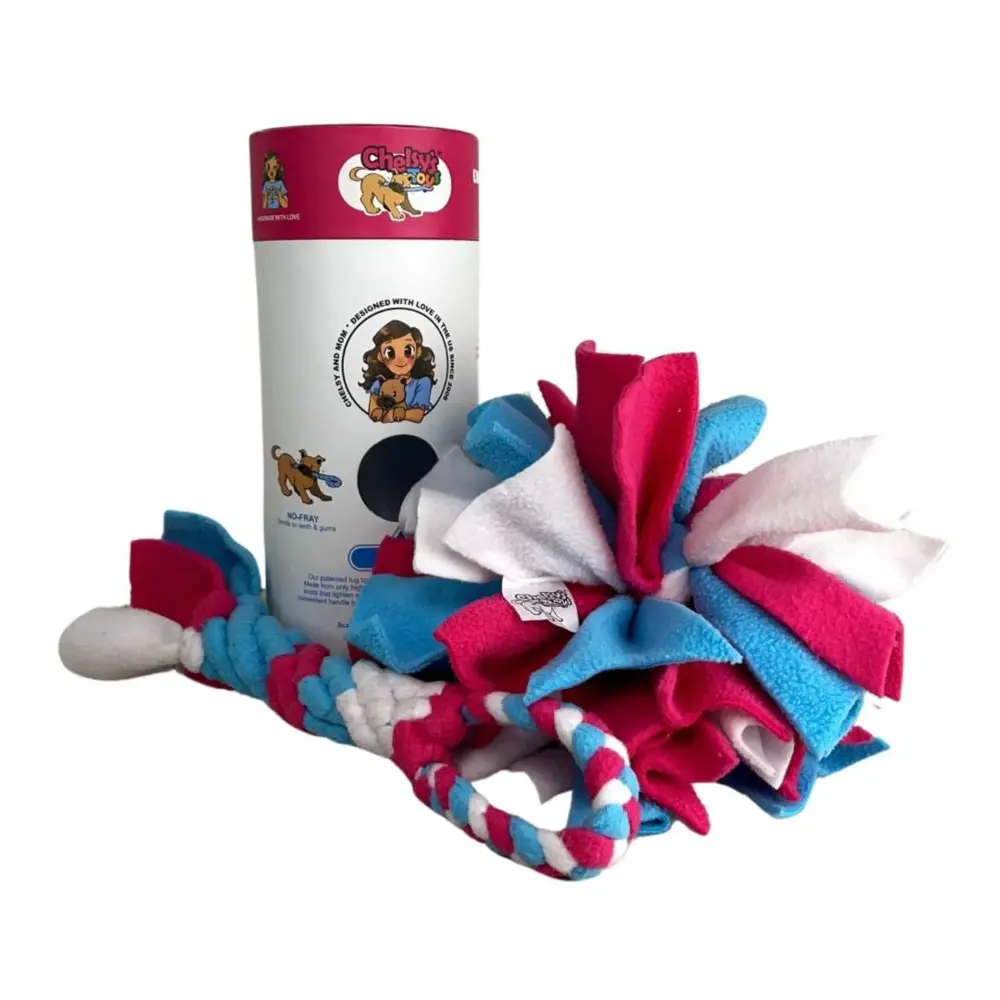
How to Use a Dog Enrichment Tube: Tug, Treats and Snuffling in One
Multi-mode enrichment toys get abandoned because the first attempt is too hard. This walks through the first session, how to load one so a dog succeeds, how to raise the difficulty over weeks, and what to do with a dog who gives up quickly.
-
Guide
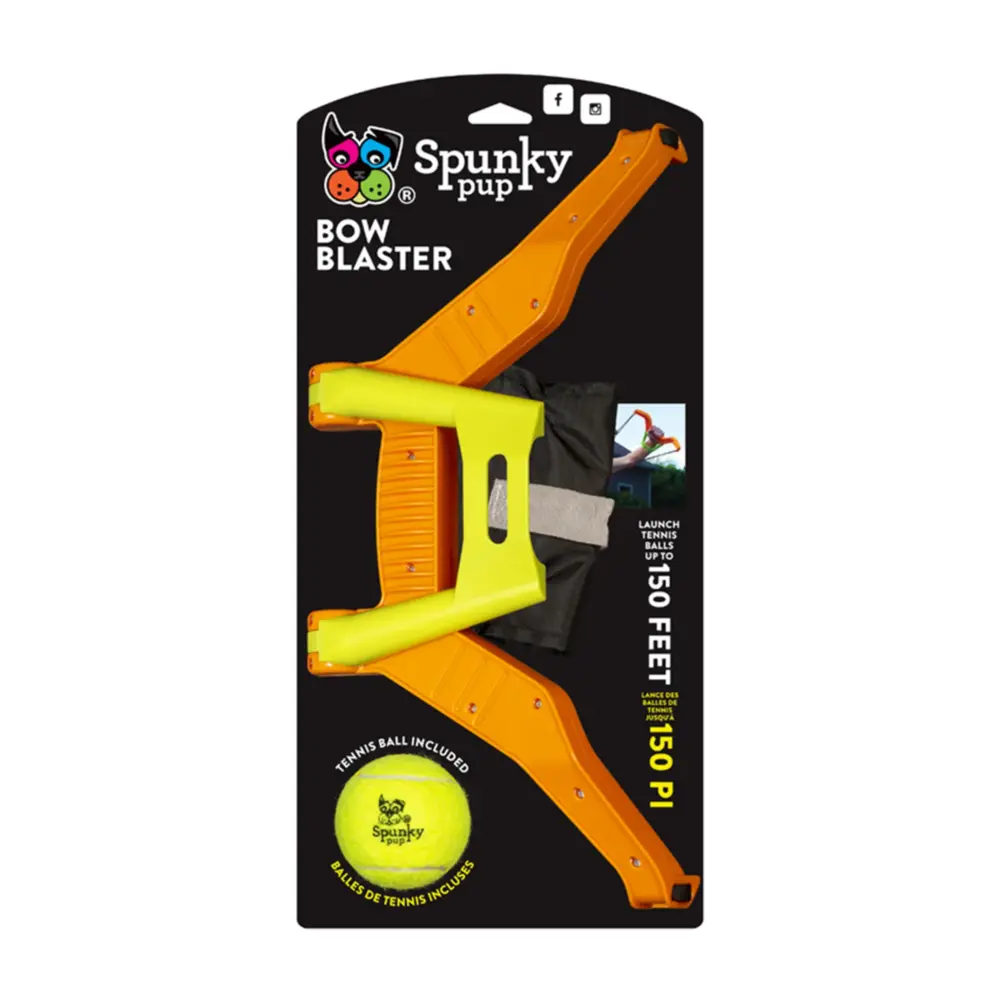
Are Ball Launchers Bad for Dogs? Joints, Adrenaline and How Much Is Too Much
A launcher throws further than your arm and lets a dog sprint and brake repeatedly until something gives. This covers what repetitive fetch does to a body, the adrenaline problem behind the dog who never seems satisfied, and how to use a launcher without the downsides.
-
Checklist
When to Throw Away a Dog Toy: The Checks That Prevent an Emergency
Toys do not wear out quietly like a bed or a leash; they fail by releasing a piece small enough to swallow. This is a thirty-second weekly inspection, the signs that mean retire it now, and what to do if your dog has already swallowed part of one.
-
Comparison
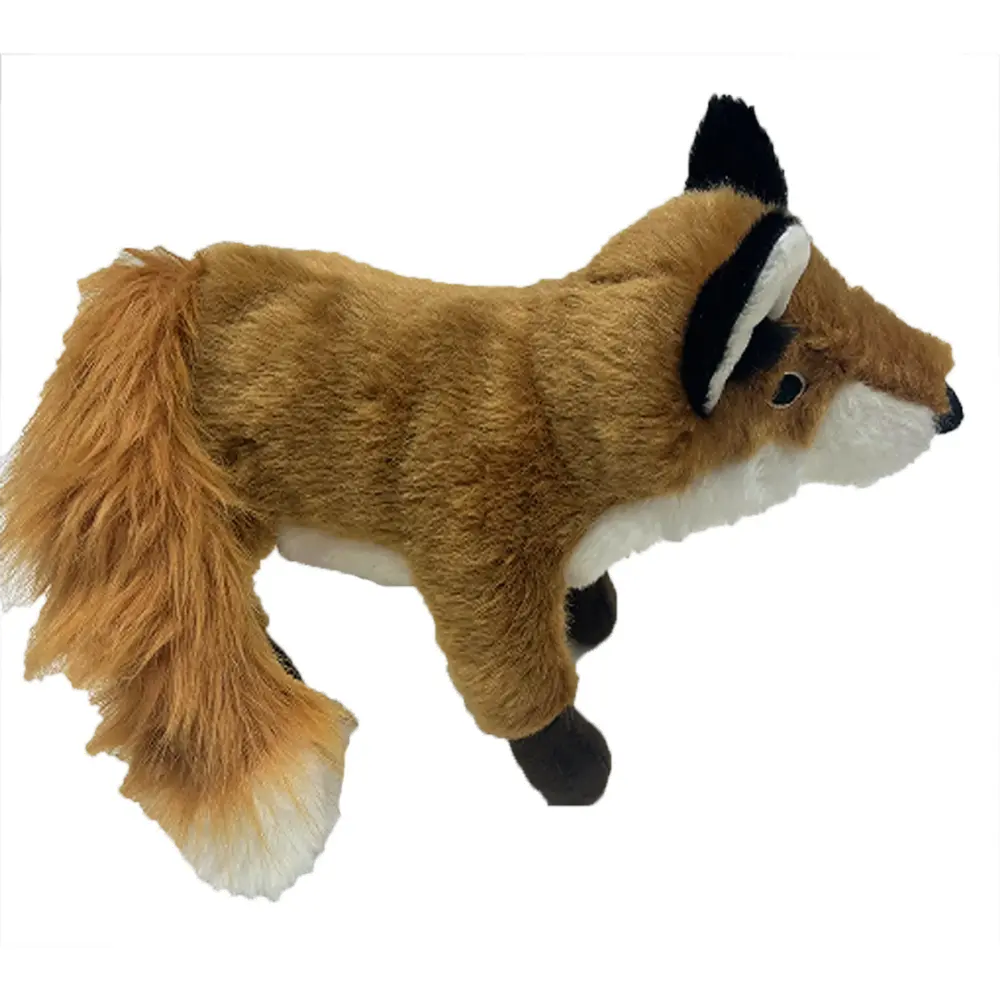
Stuffed vs Stuffing-Free Dog Toys: Which Lasts, Which Is Safer
Both are plush toys, and they fail in completely different ways. This comparison covers why dogs gut a stuffed toy, what stuffing-free versions gain and lose, how layer counts change durability, and which one suits the way your own dog plays.
-
Guide
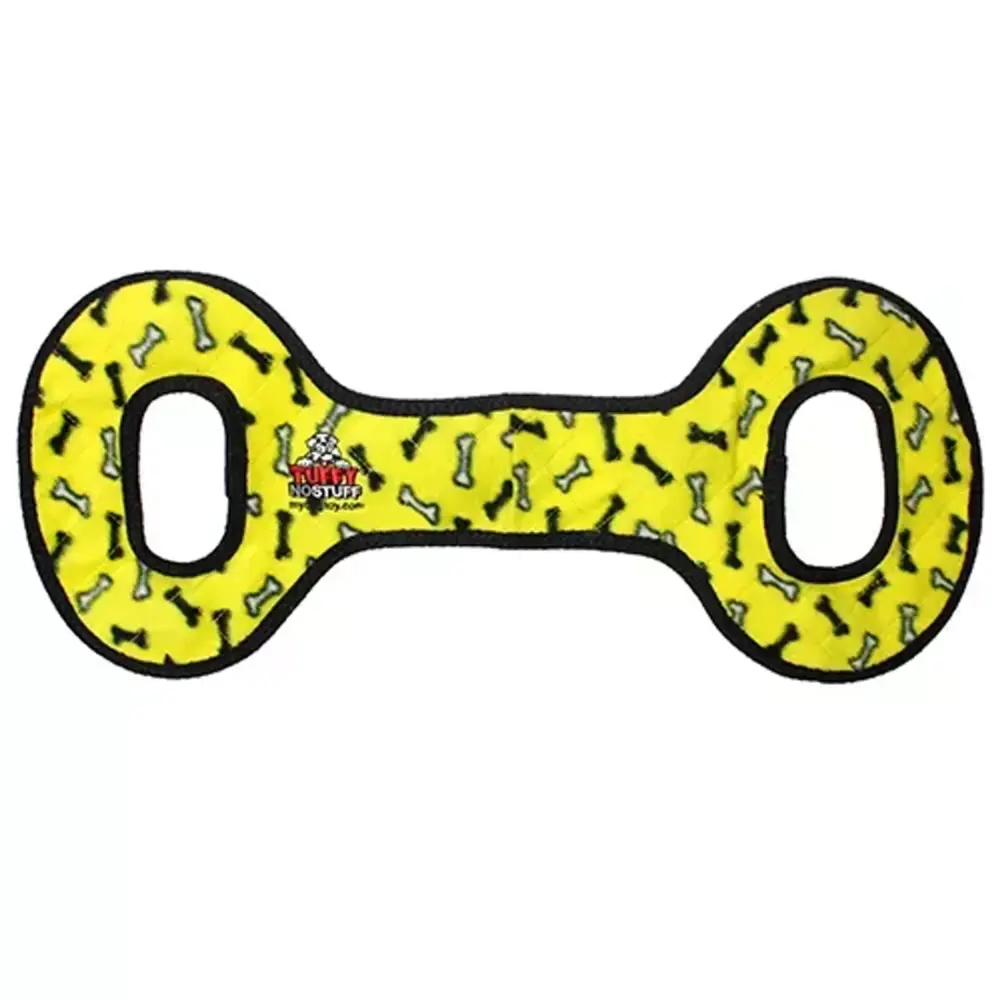
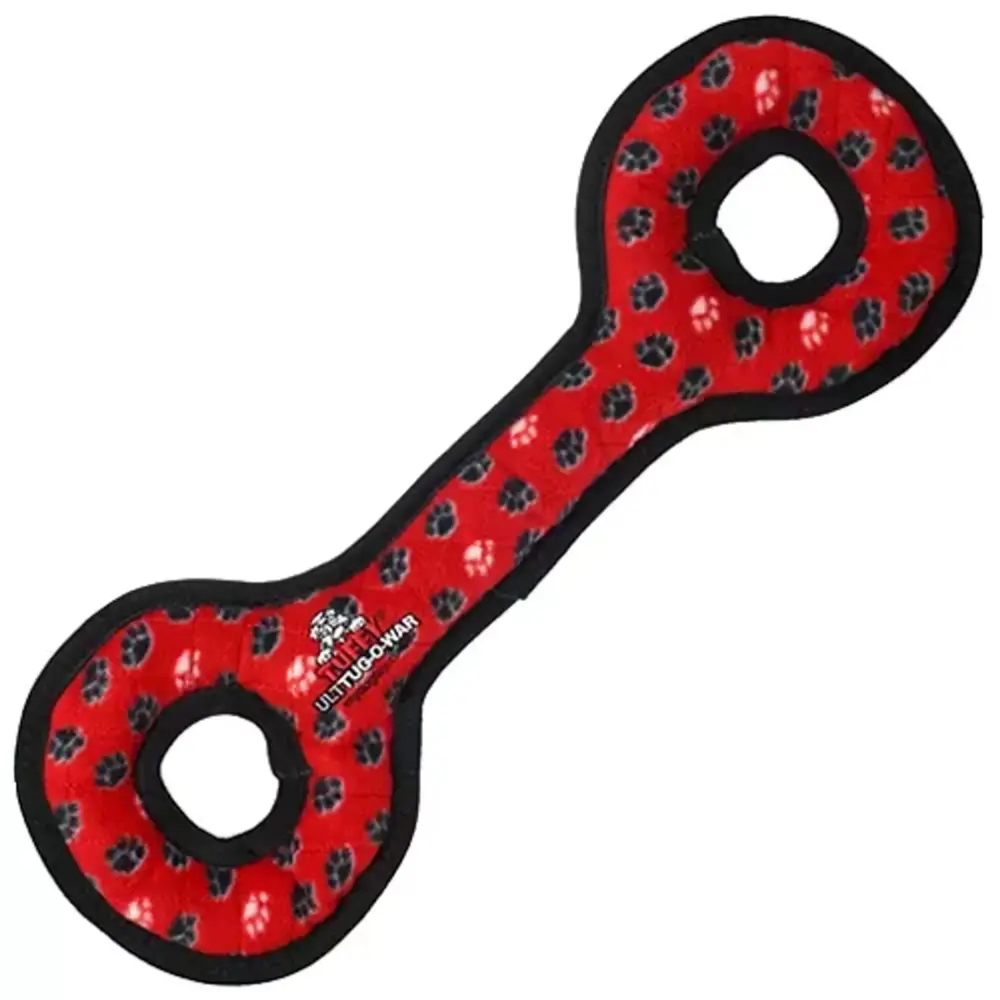
Is Tug of War Bad for Dogs? What the Game Actually Does
The idea that tug teaches a dog to challenge you has been repeated for decades and does not hold up. This guide covers what the game really does for a dog, the jaw and neck questions worth taking seriously, and the handful of rules that turn tug into training.
-
Guide
Why Does My Dog Bring Me Toys? What It Means and How to Respond
A toy at the door is usually a greeting, an invitation to play or both. Learn to tell which, when to play, say hello or trade, and what to do when it turns into demand play or keep-away.
-
Guide
Why Do Dogs Like Squeaky Toys? And How to Keep Squeaker Play Safe
A squeak sounds like small prey and goes off the instant your dog bites, so every chomp pays off. Why some dogs squeak for hours or whine with a toy, what to do about a dog who digs out the squeaker, how to choose a squeaky toy and how to live with the noise.
-
Checklist
What to Bring to the Dog Park (and What to Leave at Home)
A dog park checklist for the first visit and every one after: what goes on your dog and in your bag, what to leave at home, how to scout a park and use the double gate, the signs it's time to go, and a quick cleanup for paws and car seats before the drive home.
-
How-to
How to Teach a Dog to Fetch, Even One Who Won’t Bring It Back
Teach fetch from zero: choose a toy your dog can carry, start with short hallway throws, make the return the best part of the game and teach a drop without a tug-of-war. Then move outside on a long line, with breaks and water on hot days.
-
How-to
How to Teach a Dog to Catch: From Treat Tosses to a Soft Toy
Does your dog let the treat bounce off their nose? Start with slow tosses from about two feet, pick up every miss so catching is the only way to win, and keep sessions short. Then move up to a soft toy, with fixes for dogs who flinch, jump or grab and the safety rules for low tosses.
-
How-to
How to Teach Your Dog the Names of Toys, One Toy at a Time
A step-by-step naming game: one favorite toy and one name, then household distractions, a second toy and a real choice between two. See what to realistically expect, how to tell whether your dog knows the word or is reading you, and how to fix guessing and favorite-grabbing.
-
How-to
How to Keep a Dog Busy While Working From Home: A Workday Plan
A workday plan for dogs whose people work from home: exercise before the first call, a bed beside the desk, a settle cue, quiet lick-mat jobs for meetings, short breaks, a calm fix for demand barking and practice at time apart.