Puppies & Kittens
Guides for the first weeks with a new puppy or kitten: what to set up before pickup, the first night home, early house training and litter habits, first walks on a harness and building calm grooming and car routines while they are young. Vaccines, deworming and the right age for any procedure are questions for your veterinarian.
-
Guide
When Do Puppies Lose Their Puppy Coat? What to Expect and How to Brush
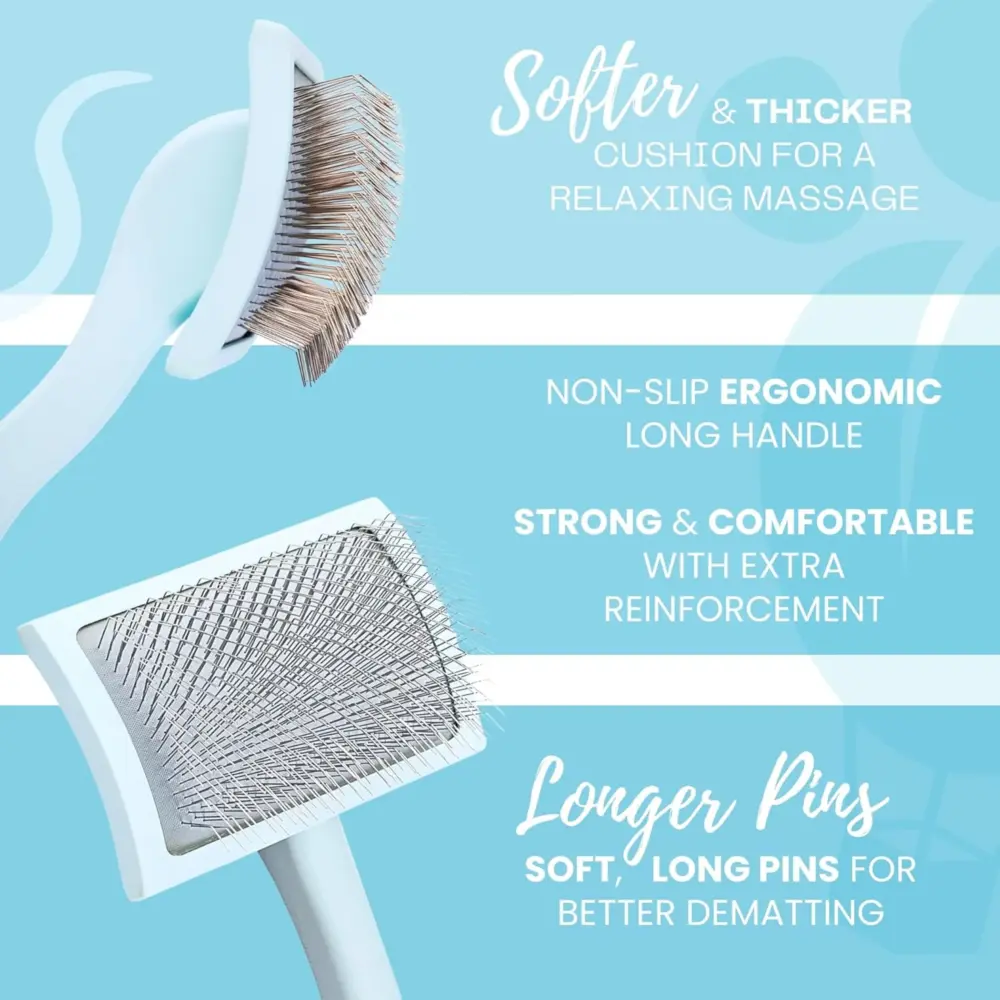
Most puppies trade the soft puppy coat for an adult one between 4 and 6 months, though some start at 12 weeks and some coats take well past a year to finish. See the change coat by coat, why the puppy uglies are normal, how to brush through it and which hair loss needs a vet.
-
How-to
How to Stop a Kitten From Biting and Scratching
Kitten biting is usually hunting practice aimed at the wrong target. Here’s what to do the moment teeth land, how to time play before the usual attacks, where claws should go instead, and when a bite means fear or pain.
-
Guide
Bringing Home a Rescue Dog: Decompression and the First Weeks
Just adopted a dog who hides, skips meals or paces at night? Learn what decompression means and how long it can take, how to set up a quiet retreat and a predictable day, which stress signs to watch and when to call a trainer or veterinarian.
-
Guide
Puppy Enrichment Ideas: Sniffing, Licking, Chewing and Brain Games
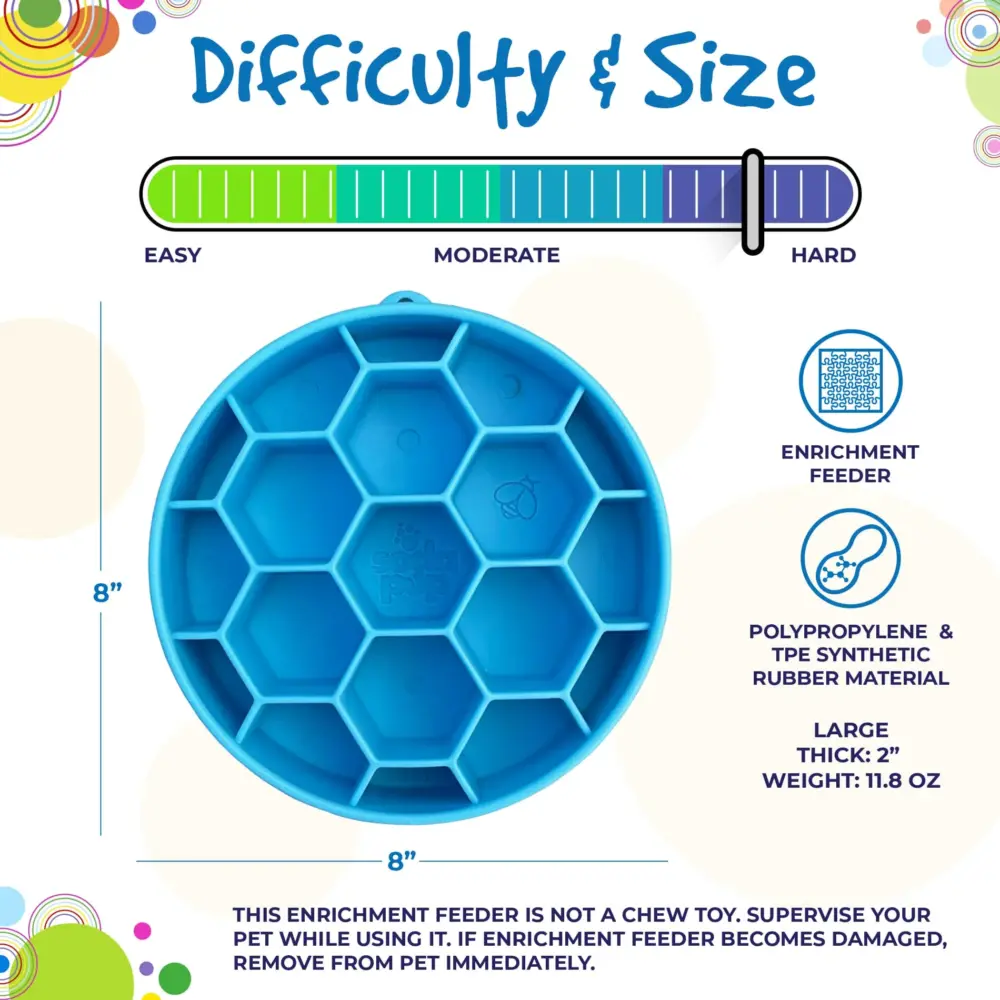
Short, puppy-sized jobs for the nose, mouth and brain: which food puzzles suit a young puppy, sniffing games for small spaces, chewing and carrying, new surfaces to explore, a setup for work hours and a sample day built around naps.
-
Guide
Puppy Teething Timeline: Ages, Signs and Safe Things to Chew
Baby teeth arrive by about 6 weeks, start falling out at around 12 to 16 weeks and give way to 42 adult teeth by about six months. Here is what each stage looks like at home, what is safe to chew, what to keep away and how to spot a baby tooth that won’t let go.
-
How-to
Potty Training a Puppy in Winter: Cold Mornings, Snow and Dark Nights
Cold mornings, snow and early dark can stall a puppy’s housetraining. Here’s how to keep it on track: a cleared spot by the door, a trip routine that works in the cold, a winter schedule, salty paws, accidents, and what to do when your puppy refuses to go out.
-
Comparison
Kitten or Adult Cat: Which Should You Adopt for Your Home?
Kittenhood lasts months; the cat lasts years. Compare a kitten with confident and shy adult cats on time, temperament and settling in, see which suits children, dogs, other cats and long workdays, and know what to ask the shelter or breeder before you choose.
-
How-to
How to Trim Puppy Nails: When to Start and a Gentle First Session
Start with a week of paw handling, then take just the tips, one or two nails at a time. When to start, a weekly rhythm, clippers or a grinder for small nails, the trim step by step, dewclaws and dark nails, and what to do if you nick the quick.
-
How-to
How to Stop a Puppy Biting: Toys, Calm Time-Outs and House Rules
Puppy biting is normal, but it shouldn’t be aimed at you. Here’s how to redirect teeth to tug and carry toys, end the game calmly when they land on skin, handle ankle and sleeve grabbing, set rules for kids and visitors, and tell when biting needs a trainer or veterinarian.
-
Checklist
How to Socialize a Puppy Before Vaccinations Are Done
A puppy’s vaccine series usually ends just as the socialization window closes, so waiting isn’t the answer. Here’s what to ask your veterinarian, how to carry your puppy to busy places, where paws can go down, what to practice at home and how to tell when your puppy has had enough.
-
How-to
How to Introduce a Puppy to an Older Dog: First Meeting to First Month
A leashed first meeting on neutral ground, then gates, pens and short visits at home. How to keep meals, toys and rest separate, what normal growling from an older dog looks like, and when to separate the dogs and call for help.
-
How-to
How to Introduce a Puppy to a Cat: Safe Zones and Leashed Meetings
A staged plan for bringing a puppy into a home with a resident cat: a dog-free zone and high perches for the cat, scent swaps, first sightings through a gate, short leashed meetings, the body language that means slow down, and how to keep the puppy out of the litter box and cat food.