Beds & Comfort
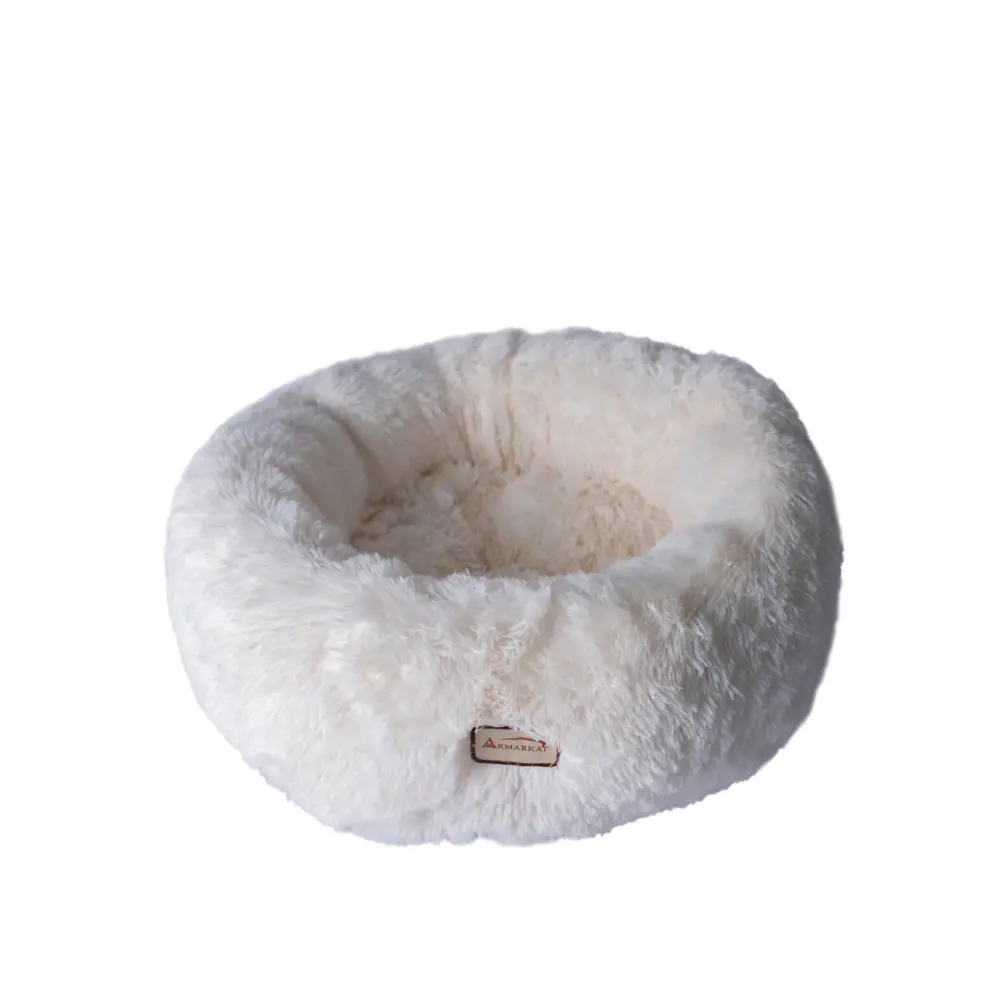
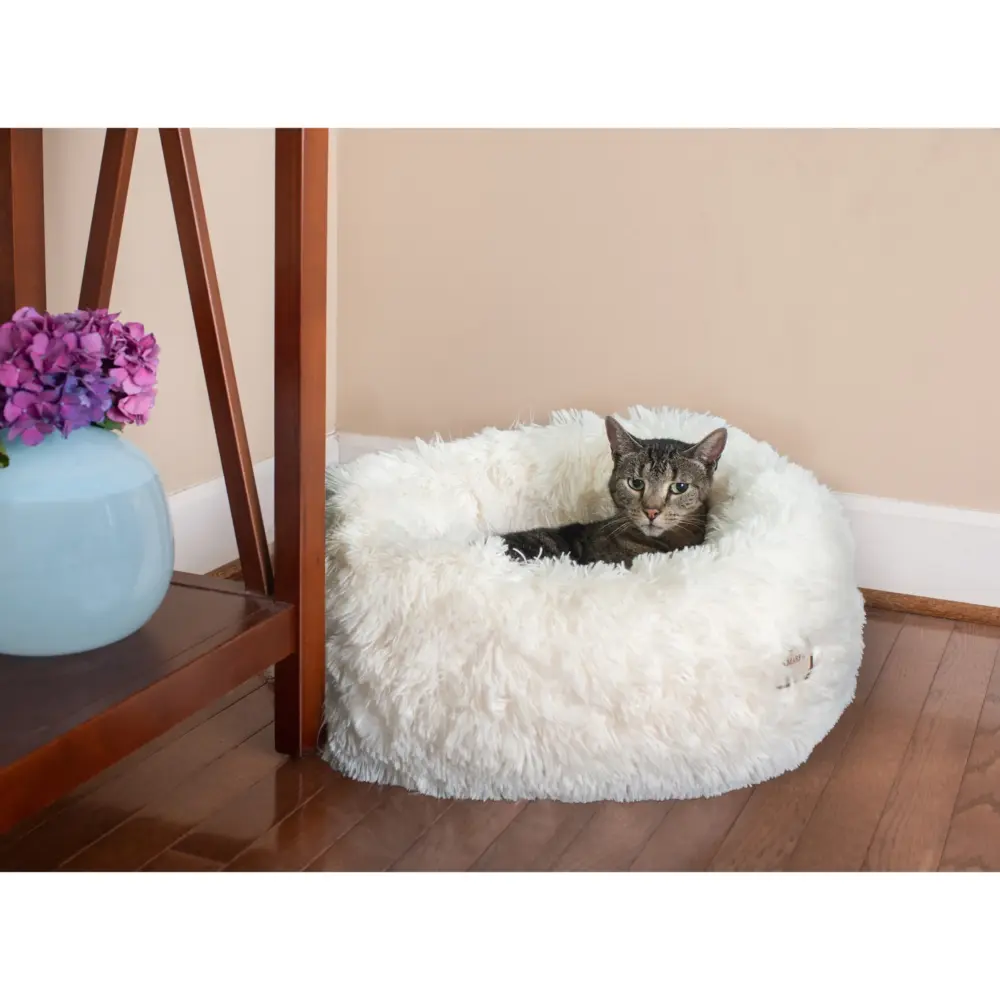
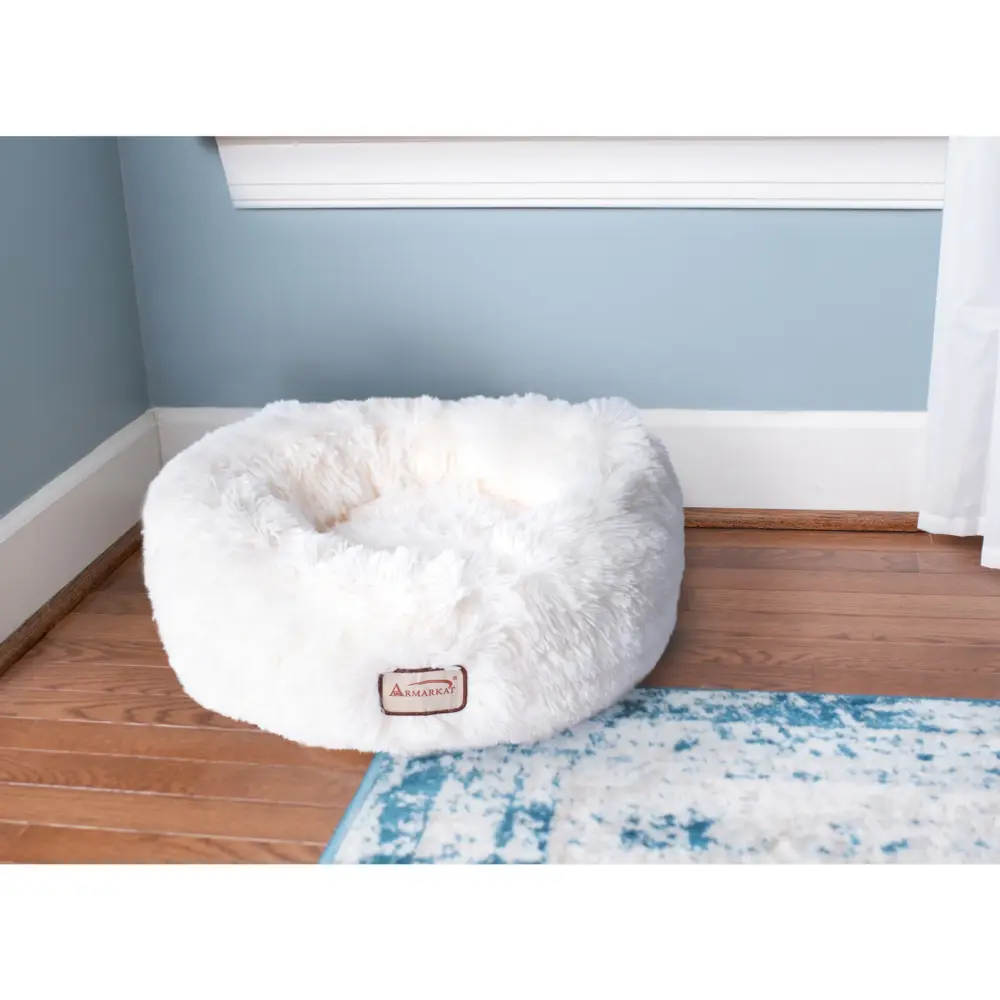
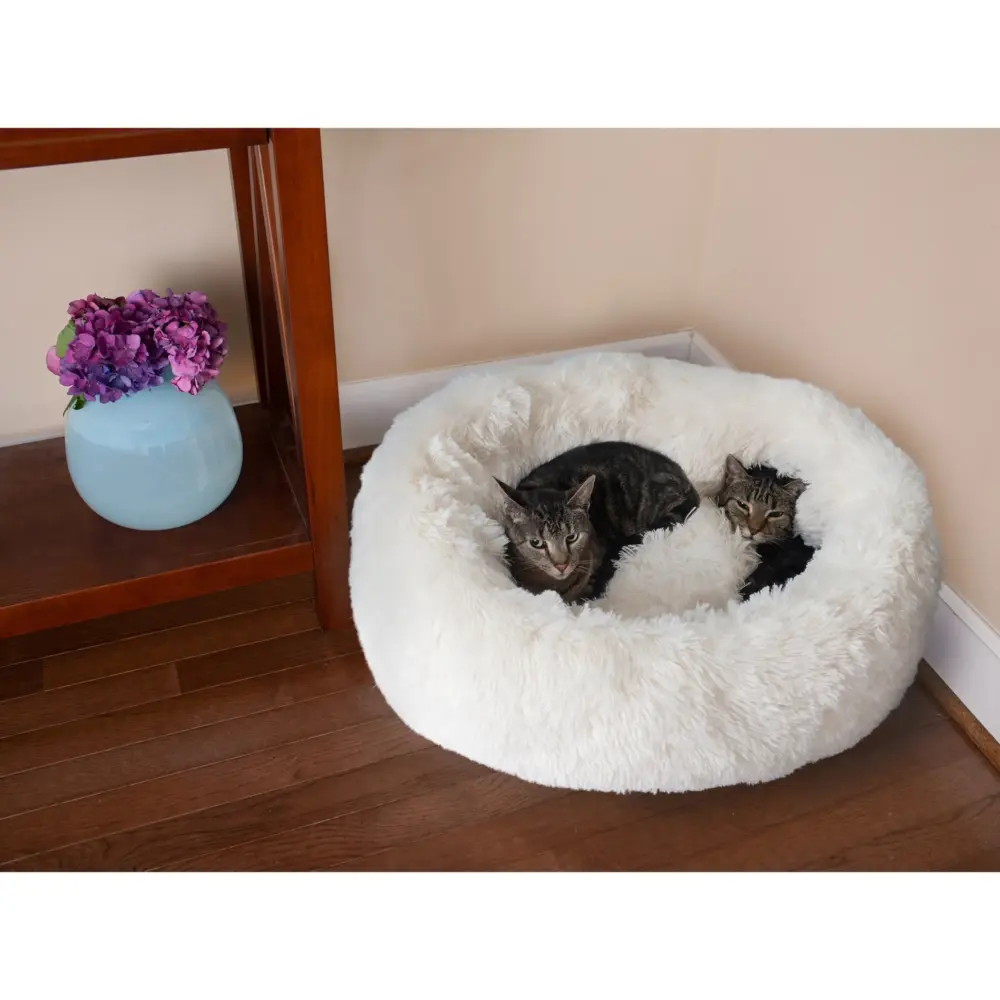
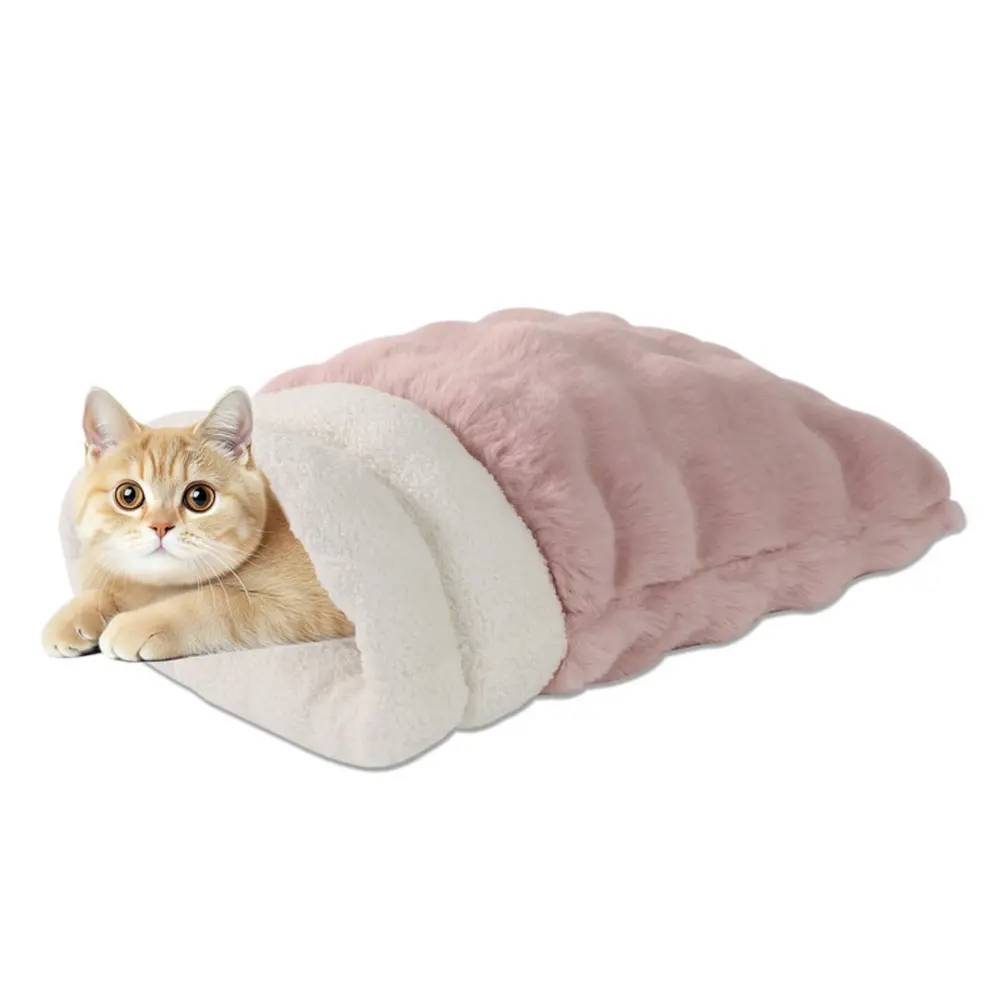
A good bed is mostly the right shape in the right spot. How to choose a cat bed matches caves, cuddlers and flat mats to the way your cat already sleeps.
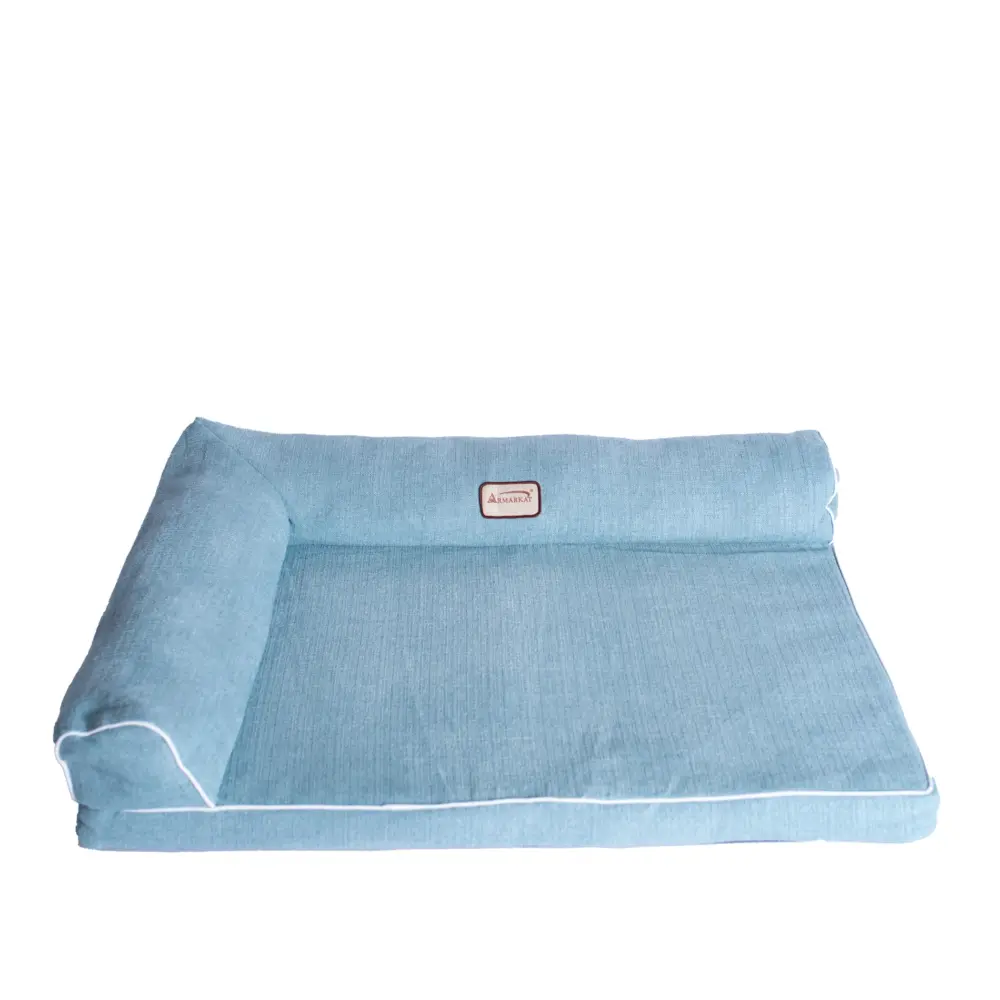
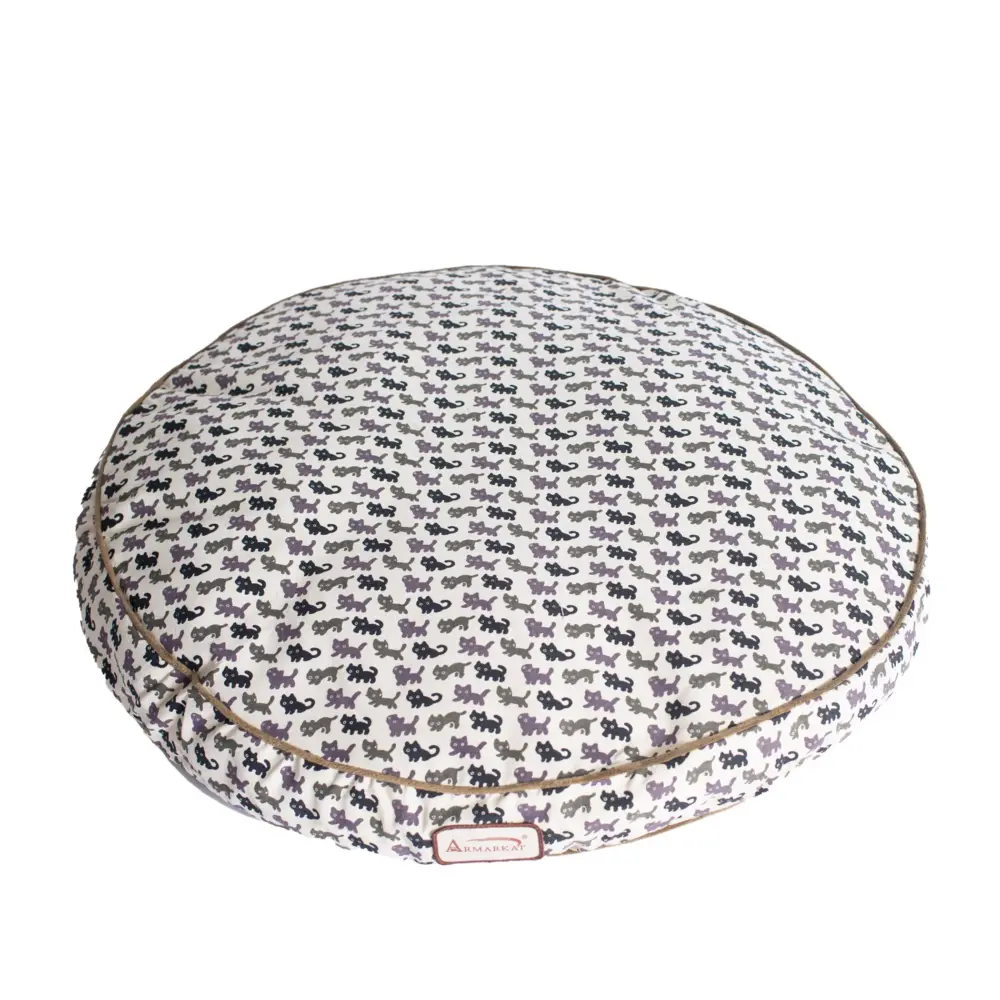
When the nights turn cold, how to keep a dog warm at night deals with drafts, cold floors and blankets, and there is a matching guide on keeping an indoor cat warm in winter. Washing beds, including ones that don't unzip, is covered here too. Beds for cats and small dogs and a cooling gel mat are in beds and comfort.
-
Comparison
Bolster vs Flat Dog Bed: What Your Dog’s Sleeping Position Tells You
The shape of a bed matters more than the price, and the way your dog already sleeps tells you which shape to buy. This compares bolstered and flat beds for curlers, sprawlers and leaners, covers the overhang problem on big dogs, and what changes as a dog gets older.
-
Buying guide
Waterproof Dog Beds: What the Label Means and What to Look For
Most beds sold as waterproof have a water-resistant cover and an absorbent inner, which is the layer that holds the smell. This explains the three layers in a bed, why the base matters as much as the top, and how to check a bed before you buy it.
-
Comparison
Crate Mat vs Dog Bed: When a Flat Pad Is the Better Buy
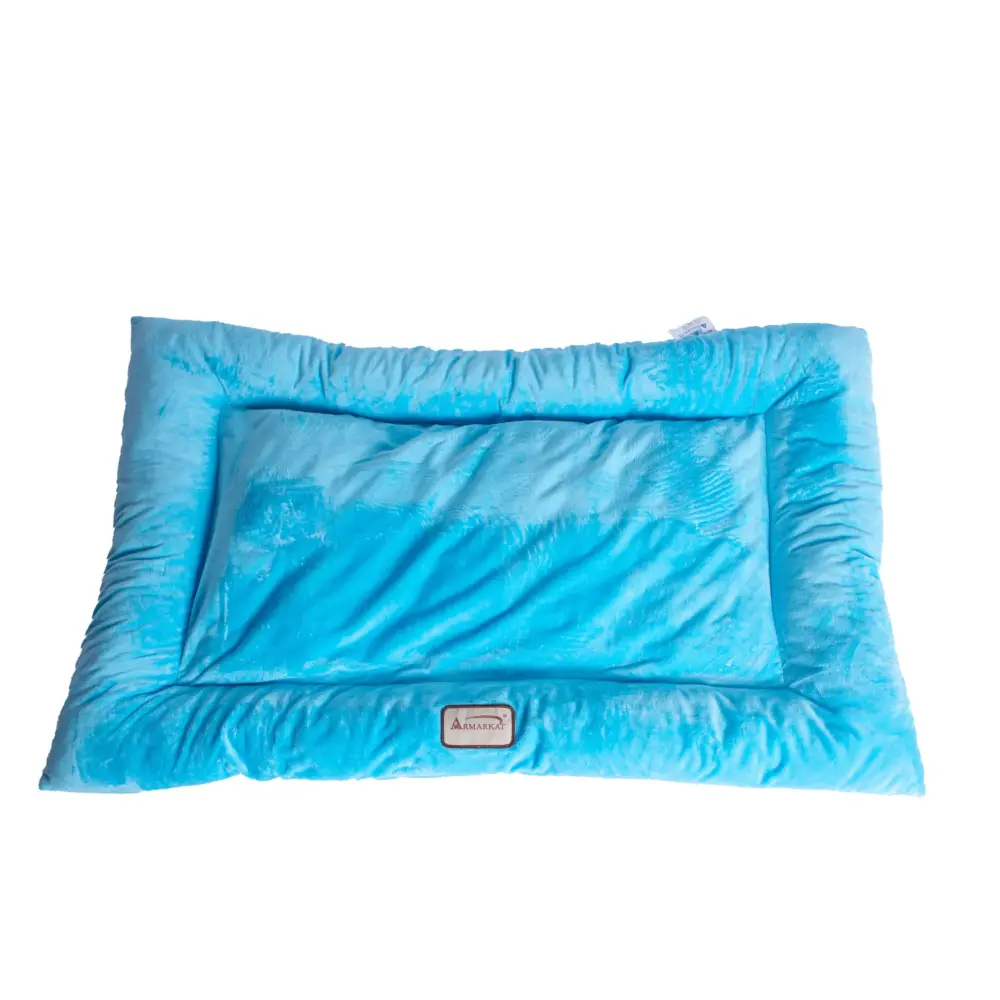
Thin washable pad or proper bed? The answer changes by location. This compares the two for crates, cars and second sleeping spots, including cost per wash, what happens with a dog who digs and shreds, and why hot sleepers often prefer the thinner option.
-
Comparison
Self-Warming vs Heated Pet Beds: Which Is Safer, Which Is Warmer
Both promise a warm pet and work in completely different ways. This compares how warm each one actually gets, the cord and burn questions that apply to powered beds, the pets who should never use one, and why placement decides whether a passive pad works at all.
-
Guide
Why Do Dogs Dig in Their Beds? Normal Nesting and When It’s a Problem
Digging, scratching and circling before lying down is normal nesting. Learn why dogs do it, how to tell a normal routine from a frantic one, what extra digging says about the bed, how to handle a bed shredder and when to call your veterinarian.
-
Checklist
When to Replace a Dog Bed: 7 Signs, Plus Cat Beds and Gel Mats
A checklist for deciding when a dog or cat bed is past saving: the fold-and-press test for flat filling, smells that return after a proper wash, tears that put a chewer at risk, worn bases, rims and gel mats, a pet who has outgrown the bed, and what only needs a wash.
-
Checklist
What to Put in a Dog Crate: Bedding, Water, Toys and What to Leave Out
A checklist for the inside of a dog crate: water that won’t tip, bedding once your dog stops soiling or shredding it, a cool layer for hot sleepers, which chews and toys need you watching, a cover for den lovers, what to leave out, and how to adjust for puppies, chewers and seniors.
-
Comparison
Should Your Dog Sleep in Your Bed? Pros, Cons and Alternatives
Sharing a bed is fine for many healthy dogs and people, but not for everyone. Weigh the pros and cons, see which people and dogs should sleep apart, and compare your bed, its foot, a bed beside yours, a crate and another room, plus house rules for sharing.
-
How-to
How to Measure a Dog for a Bed: Curlers, Sprawlers and Crates
Measure your dog in the position they actually sleep in, then add room to stretch. This how-to covers curlers and sprawlers, outer size vs the sleeping area inside a rim, measuring a crate, car or corner, and what to do when your dog falls between sizes.
-
Guide
Do Calming Dog Beds Work? What a Raised Rim Can and Can’t Do
An honest look at “calming” donut and bolster beds: what the raised rim, deep fill and soft plush actually do, which dogs sleep better in one, which are better off on a flat bed or a cooling mat, and the signs that point to your veterinarian rather than a new bed.
-
Guide
Do Cooling Mats Work for Dogs? How Gel Mats Cool and When They Help
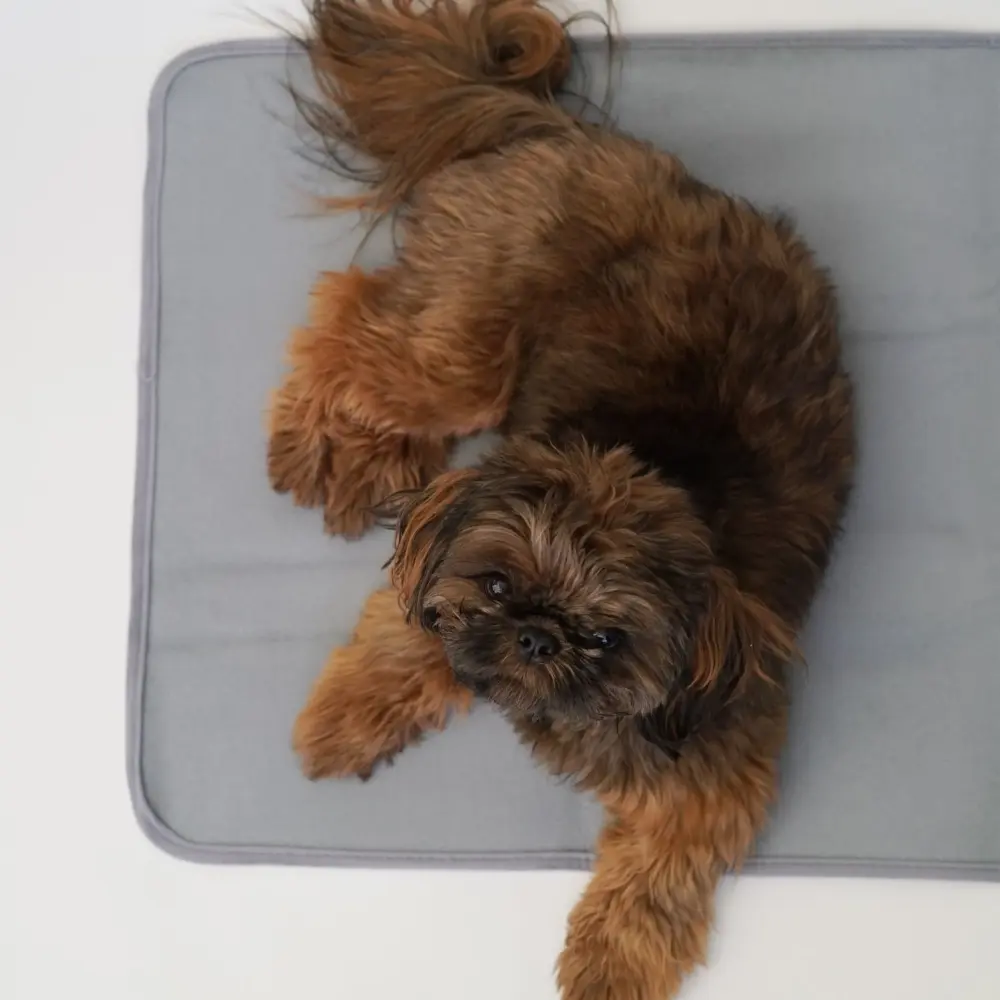
Yes, within limits: a gel cooling mat gives a warm dog a cooler place to lie, but it can't cool the air or replace shade and water. How the gel works, where to use one, getting your dog on it, chewing safety and the heat signs that need a vet.
-
Guide
How to Keep an Indoor Cat Warm in Winter: Warm Spots, Beds and Drafts
Indoor cats feel cold floors and drafts more than you do. Spot the signs of a chilly cat, find and block drafts, set up warm beds off the floor, use heaters and heating pads safely, and decide what to do with the thermostat while you're out.