Beds & Comfort Comparison
Bolster vs Flat Dog Bed: What Your Dog’s Sleeping Position Tells You
Short answer
Buy a bolstered bed for a dog who curls up, sleeps against a wall or the sofa, or rests their head on something. Buy a flat open bed for a dog who sprawls on their side or back, who gets hot, or who is large enough that bolsters would push them off the edge. If your dog does both, buy flat and large, since a sprawler on a bolstered bed ends up with their legs over the side.
Watch your dog before you buy
The single most useful thing you can do is look at where your dog sleeps now and in what position, for a few days, at different times. Dogs tell you exactly what they want and most people buy the bed first and try to persuade the dog afterwards.
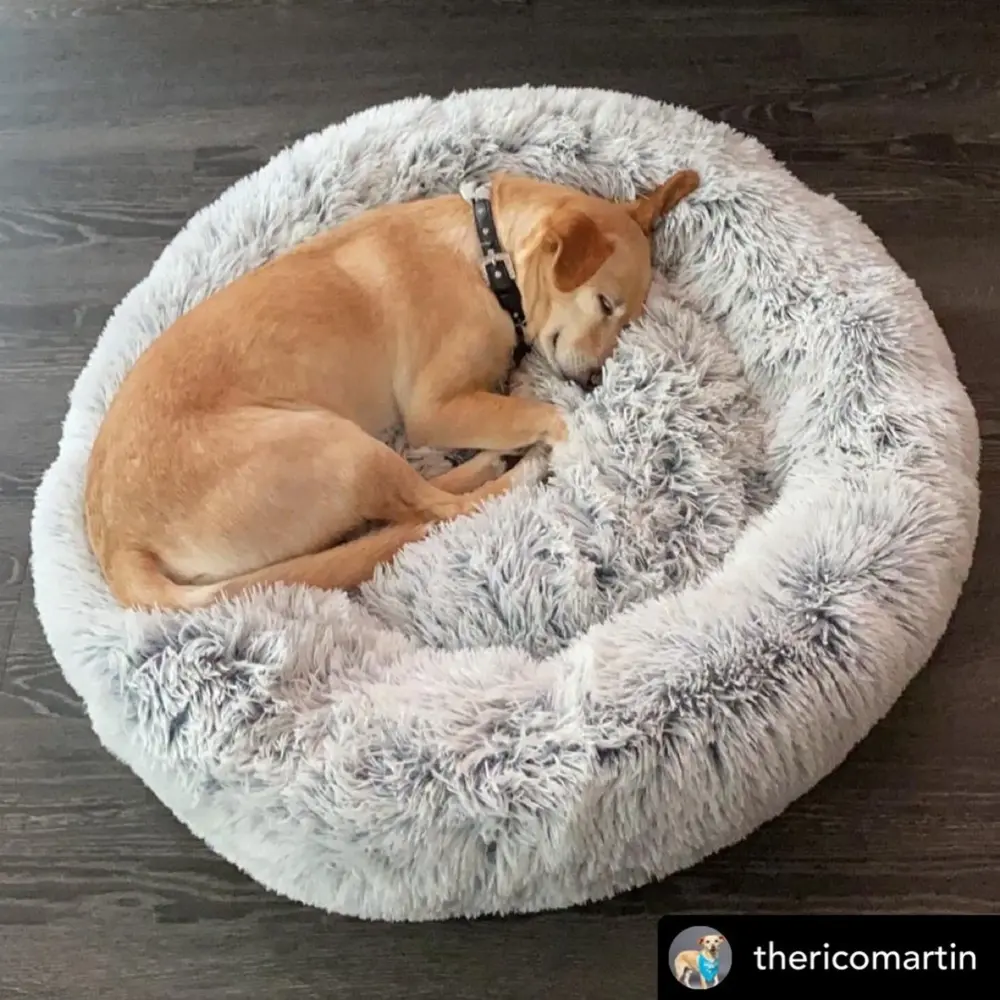
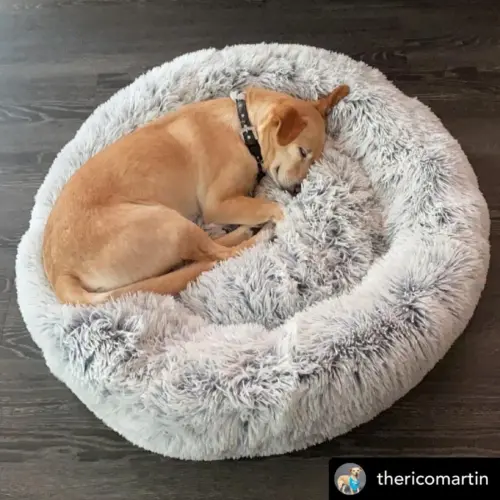
- Curled in a tight ball, nose to tail: wants enclosure and warmth. Bolsters.
- Pressed into a corner or against furniture: wants contact on at least one side. Bolsters.
- Head on the sofa arm, a step or a cushion: wants a raised edge. Bolsters.
- Flat on one side, legs extended: wants room. Flat bed, generously sized.
- On their back, legs up: wants room and is not cold. Flat bed.
- On the cool tiles rather than the bed: the current bed is too warm. Flat, thinner.
Note that most dogs do several of these across a day. What matters is the position they hold for the long sleep at night, not the one they adopt for a ten-minute nap in the afternoon.
What bolsters are for
A raised edge does three things. It gives a head rest, which dogs use constantly and which is genuinely more comfortable than a flat surface. It provides physical contact along the body, which many dogs find settling for the same reason they sleep pressed against each other. And it blocks the layer of cold air that moves along the floor, which is a real factor in a draughty room in winter.
The fourth thing bolsters do is psychological. A bed with sides feels like a defined place rather than a patch of floor, which matters for dogs who are unsettled, newly arrived or living in a busy household.
The cost is usable area. A bed advertised as thirty-one inches long with bolsters offers perhaps twenty-four inches of actual sleeping surface, so you have to size up compared with a flat bed for the same dog.
What a flat bed is for
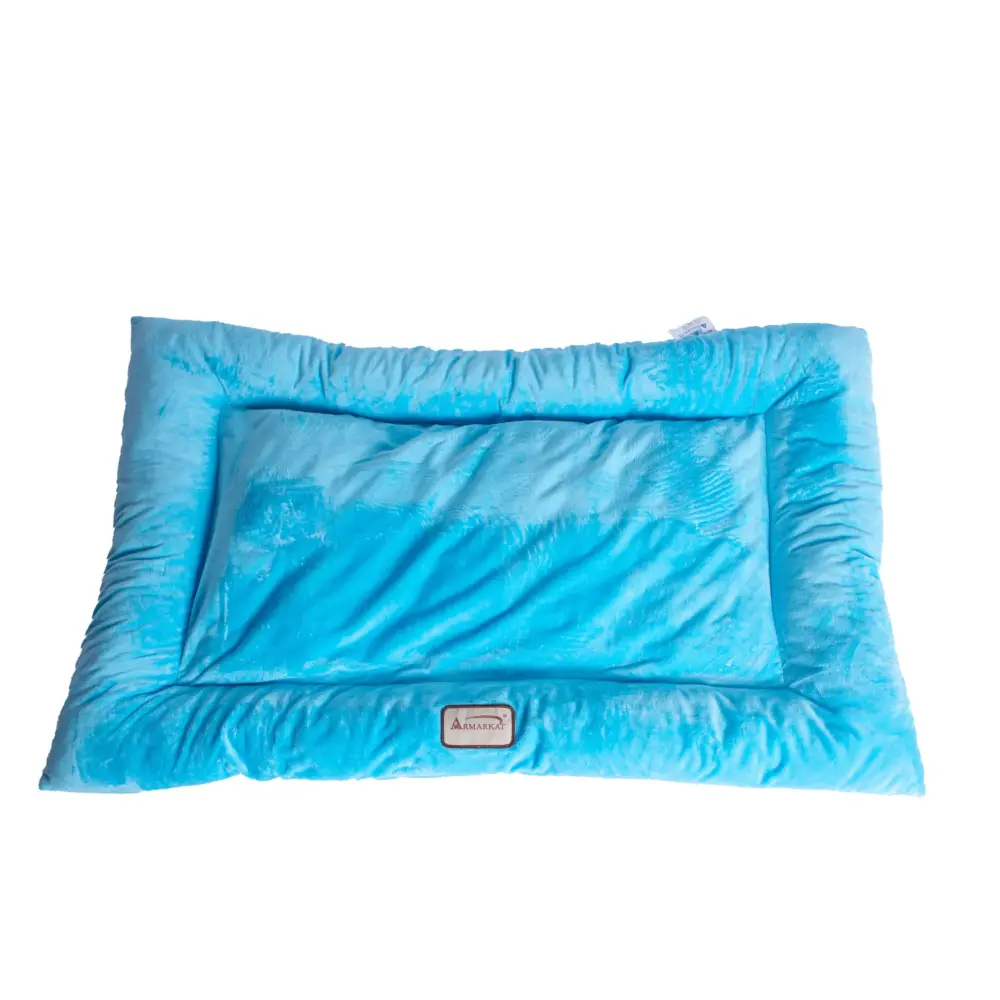
A flat bed is all sleeping surface. For a dog who sprawls, that is the entire point, and a bolstered bed of the same external size would be too small.
It is also cooler, because there is nothing holding warm air around the dog, which matters for double-coated dogs and for summer. It fits into spaces a bolstered bed will not, including crates and the backs of cars, and it is almost always easier to wash.
The limitation is comfort for a dog who wants to lean on something. Dogs who always sleep against a wall are telling you they would use bolsters if they had them.
Side by side
| Bolstered | Flat | |
|---|---|---|
| Best sleeper type | Curlers and leaners | Sprawlers |
| Head support | Built in | None |
| Usable area per outside inch | Lower | Full |
| Warmth | Higher; blocks draughts | Lower; cooler in summer |
| Fits a crate | Rarely | Usually |
| Washing | Bulky; bolsters are awkward | Easier |
| Easy to step into | Harder for stiff dogs | Easy |
| Cost for the same sleeping area | Higher | Lower |
Sprawlers, curlers and leaners
Sleeping position is partly breed and partly individual, and it changes with temperature. A dog who curls tightly in winter may sprawl flat in July, which is why so many beds get abandoned in summer.
Curlers tend to be the smaller breeds, the thin-coated ones and dogs who feel the cold. Sprawlers tend to be the larger, heavier-coated dogs and anything built like a sighthound, who need length more than anything else. Leaners are the dogs who always have some part of themselves against a surface, and they are the clearest case for bolsters.
If your dog genuinely alternates, the practical answer is a flat bed large enough to sprawl on with a separate cushion or rolled blanket at one end, which gives the head rest without committing the whole bed to bolsters.
Big dogs and the overhang problem
This is the most common sizing mistake. A large dog on a bolstered bed that is slightly too small ends up with their head on the bolster and their hindquarters over the back edge, which is worse than no bed. Over time they stop using it.
Measure your dog stretched out on their side, from nose to the base of the tail, and add four to six inches. Then, for a bolstered bed, add the width of the bolsters again, because that length is not sleeping surface. Many people discover this only after the bed arrives.
For giant breeds a flat bed is usually the sensible answer purely on area. Measuring a dog for a bed has the full method.
Older dogs and getting in and out
Bolsters that a young dog steps over without thinking become an obstacle for a dog with stiff hips. Watch an older dog getting into bed: hesitating at the edge, climbing in front first and dragging the back end, or giving up and lying beside it are all signs the sides are too high.
Beds with a lower entry on one side solve this, and so does a flat bed with a thicker, firmer fill, which gives support without a step. Firmness matters more than softness for an arthritic dog, because a soft bed that collapses under them is harder to get out of.
A dog who suddenly stops using a bed they have used for years is worth paying attention to; difficulty getting up is one of the early signs of joint pain. Signs a dog is in pain covers the changes that come before a limp.
Our picks
-
Armarkat
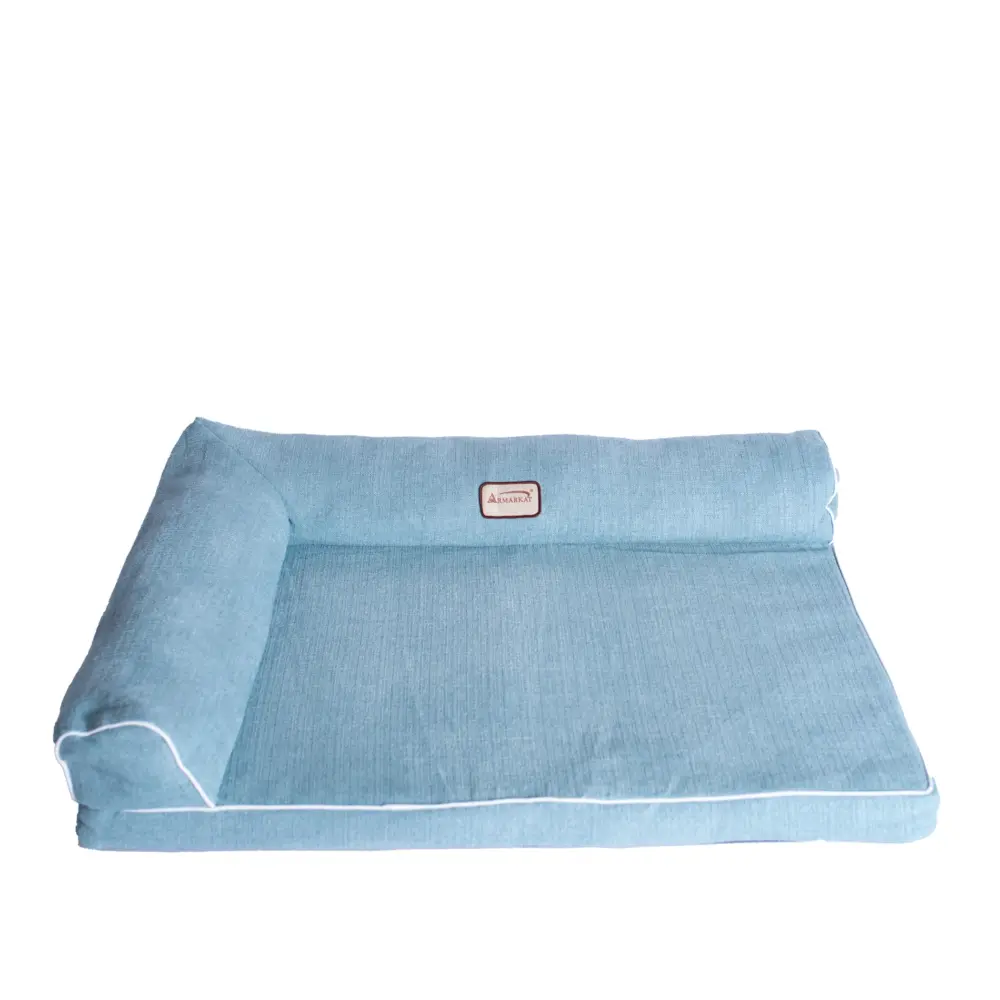
Bolstered Dog Bed, View product
$89.95
Why it fits: Bolstered on three sides over a two-inch mattress, in upholstery-grade fabric with a removable cover. For dogs who curl and rest their head on something.
-
Mr. Peanut’s
OrthoPlush Pet Bed, View product
$41.95
Why it fits: A plush surface over a firmer core that holds its loft, with a grippy base. Flat, and firm enough for a dog who struggles to get up.
-
Armarkat
Ultra-Plush Cuddler Bed for Cats & Small Dogs, Choose size
Price range: $55.95 through $72.95
Why it fits: A round cuddler with a raised rim all the way around, for cats and small dogs who sleep curled and want contact on every side.

Measuring for either shape
- Wait until your dog is asleep in their most stretched-out position.
- Measure nose to the base of the tail, along the body rather than over the curve.
- Add four to six inches for a flat bed.
- For a bolstered bed, add that figure again on top for the bolsters, or read the inner dimension if the maker gives one.
- Measure the space where the bed will go, including whether a door still opens.
- Check the bed fits your washing machine before ordering, not after.
If you are choosing between a bed and a thin pad for a particular spot, crate mat vs dog bed covers that decision, self-warming vs heated pet beds covers the warmth layer that goes on top, and for cats the considerations are different enough to need their own guide: how to choose a cat bed.
Where the bed goes matters as much as its shape
Dogs are social sleepers and will almost always choose a mediocre bed in the room where the household is over an excellent bed in a quiet corner. A bed that goes unused is usually in the wrong place rather than the wrong shape.
The spot most dogs want has three features: a view of the door or the main route through the room, a wall or furniture at their back, and enough distance from the traffic that they do not get stepped over. A bed in the middle of an open floor rarely gets used, and nor does one tucked behind a door.
Temperature decides the rest. Dogs move between a warm spot in winter and a cool one in summer, which is why two cheaper beds in different places often work better than one expensive one. Getting a dog to sleep in their own bed covers the training side of the same problem.
Signs the bed has stopped doing its job
Beds fail gradually and dogs do not complain, so the signs are behavioural rather than visible.
- Your dog sleeps on the floor beside the bed rather than in it
- They dig and circle for much longer than they used to before settling
- You can feel the floor through the bed when you press with a flat hand
- The fill has migrated to the edges, leaving a dip in the middle
- The bolsters have collapsed and no longer support a head
- There is a smell that returns within a day of washing
- An older dog has started hesitating before getting in
The press test is the most useful. If your hand reaches the floor through the bed with moderate pressure, so does your dog’s elbow and hip every night. When to replace a dog bed covers the rest.
Common questions
My dog has a bed and sleeps on the floor anyway. Why?
Usually temperature or shape. A bed that is too warm gets abandoned in summer, and a bolstered bed that is too small gets abandoned year round. Location matters too: dogs want to sleep where the household is, not in a quiet corner you chose for them.
Are bolstered beds better for anxious dogs?
Many anxious dogs do prefer enclosure, and sides help. A covered or cave-style bed goes further. Neither is a treatment for anxiety, and a dog who cannot settle anywhere needs more than furniture.
Should the bed be firm or soft?
Firm enough that the dog does not sink to the floor through it, which is the most common failure of cheap beds. Older dogs and heavy dogs need firmer; small young dogs can have softer.
Related guides
-
Guide
How Much Sleep Does a Dog Need, and What Disrupts It
Adult dogs sleep far more than most owners expect, and puppies more again. This guide covers typical totals by life stage, what interrupted rest does to behaviour, and how to set up a bed that actually gets used.
-
Guide
Signs a Dog Is in Pain: What Changes Before They Limp
Dogs hide pain well, and most early signs are changes rather than symptoms. This guide covers what to watch in how a dog lies down, moves, behaves and eats, and how to give your vet something useful to work with.
-
Comparison
Crate Mat vs Dog Bed: When a Flat Pad Is the Better Buy
Thin washable pad or proper bed? The answer changes by location. This compares the two for crates, cars and second sleeping spots, including cost per wash, what happens with a dog who digs and shreds, and why hot sleepers often prefer the thinner option.