Journal Guide
How Much Sleep Does a Dog Need, and What Disrupts It
Short answer
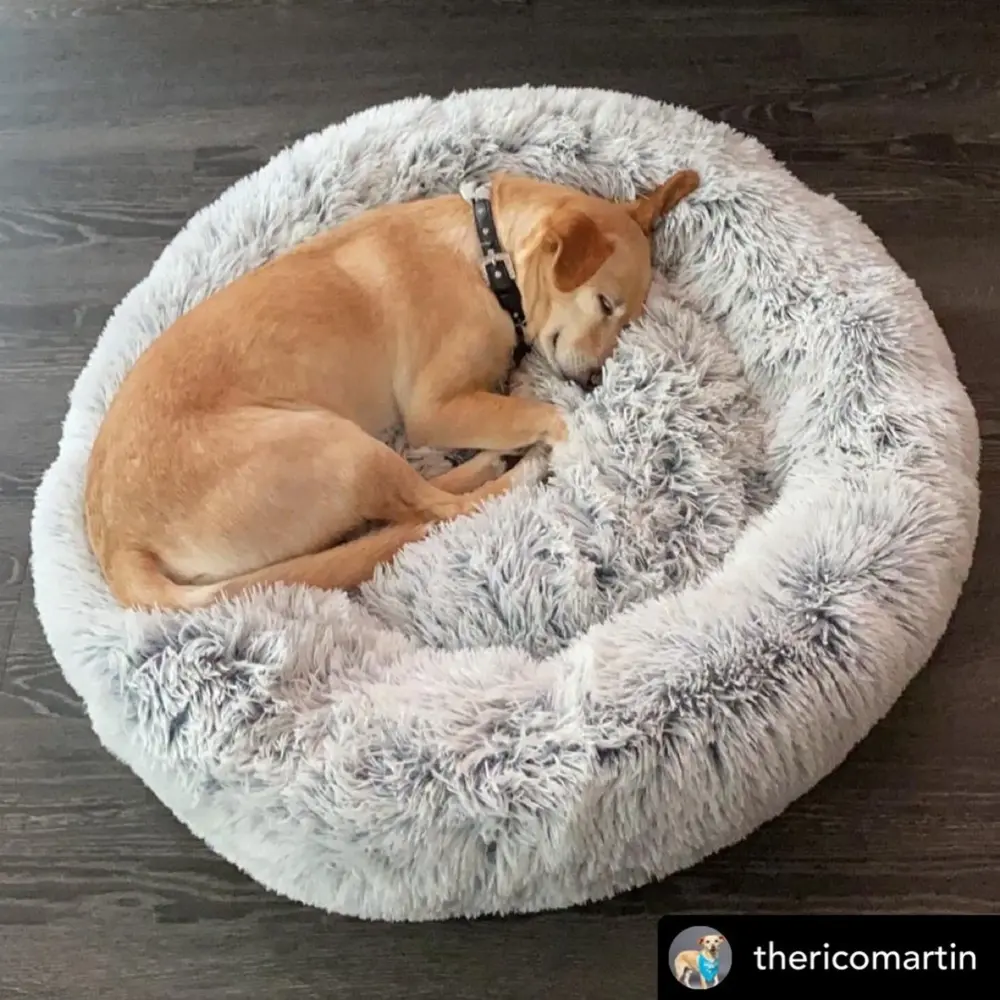
Most adult dogs sleep somewhere between twelve and fourteen hours a day, counted across the whole day rather than overnight. Puppies and senior dogs need considerably more. Dogs who cannot get long, uninterrupted blocks of sleep usually become irritable and harder to live with.
Typical daily totals
Dogs are polyphasic sleepers. They take sleep in blocks across the day and night rather than in one long stretch, and they move in and out of deep sleep more quickly than people do. That means a dog can look like they are sleeping all day and still be under-rested, because every short block gets interrupted before it does much good.
| Life stage | Typical daily sleep |
|---|---|
| Puppy under six months | Eighteen to twenty hours |
| Adolescent | Fourteen to sixteen hours |
| Adult | Twelve to fourteen hours |
| Senior | Fourteen to eighteen hours |
| Working dog on a working day | Less, with a long recovery after |
These are ranges rather than targets. Breed, size, weather and how demanding the day has been all shift them. What matters more than hitting a number is whether your dog can sleep deeply and whether the pattern has changed.
Puppies, adults and seniors
Puppies need an enormous amount of sleep and almost never regulate it themselves. A puppy who is biting everything, cannot stop moving and ignores everything you ask is usually overtired rather than badly behaved, and the fix is a nap rather than more training. Most puppies need enforced rest, which means a crate, a pen or a quiet room, every hour or so.
Adults mostly manage their own sleep as long as the environment allows it. Senior dogs sleep more, sleep less deeply, and are more easily disturbed by noise, cold and discomfort, which is where a supportive bed in a warm spot earns its place.
Why broken sleep looks like bad behaviour
Sleep deprivation in dogs produces almost exactly what it produces in people: a short fuse, poor impulse control, difficulty learning, and a tendency to overreact to small things. In a dog this gets described as reactivity, hyperactivity or stubbornness.
A useful test is to look at when the behaviour happens. Dogs who fall apart in the late afternoon or early evening, nip at children at bedtime, or cannot settle after visitors leave are often simply out of sleep. Protecting rest for a week is a cheap experiment and it works surprisingly often.
What stops a dog settling
- A bed in a busy place. Hallways, kitchen walkways and spots by the front door get interrupted constantly.
- Being woken for affection. A sleeping dog is working; stroking them is interrupting it.
- Noise. Television, a busy street, children coming and going.
- Temperature. Too cold is obvious, too warm is more common indoors in winter.
- Discomfort. A thin bed on a hard floor is a problem for an older or heavier dog.
- No sense of safety. Many dogs settle far better with sides, a wall behind them, or a covered spot.
- An unpredictable day. A dog who does not know what happens next tends to stay on standby.
Where the bed goes
Placement decides whether a bed gets used far more than price does. The usual sweet spot is a corner of the room the family uses most, out of the walking line, with a wall on at least one side and a view of the door. Dogs want to be near their people and out of the traffic at the same time.
Many dogs do best with two: one in the main room for daytime napping and one somewhere quiet for proper sleep. If your dog keeps choosing the floor over the bed, the usual culprits are heat, a bed that is too small to stretch out in, or a position that feels exposed. Getting a dog to sleep in their own bed covers the training side, and how to measure a dog for a bed covers the sizing.
-
Armarkat
Bolstered Dog Bed, View product
$89.95
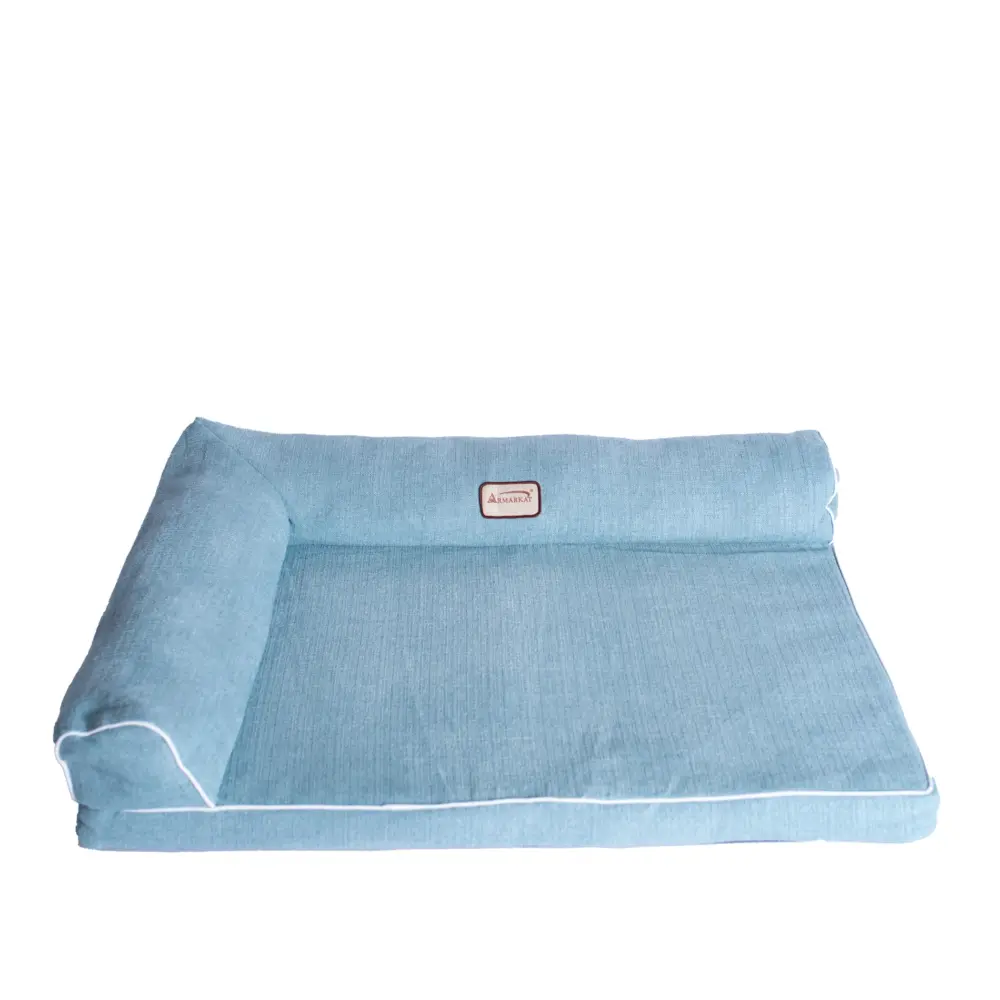
Why it fits: Bolstered sides for a dog who sleeps curled with their head raised, which is most dogs most of the time.
-
Armarkat
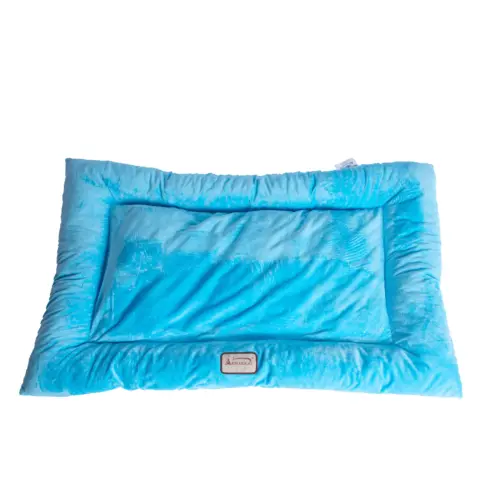
Velvet Crate Mat, Choose size & color
Price range: $45.95 through $47.95
Why it fits: A flat mat for the second bed, a crate or the car; easy to wash and easy to move between rooms.
-
Mr. Peanut’s
OrthoPlush Pet Bed, View product
$41.95
Why it fits: A firm core under a plush top, which is what an older or heavier dog needs to get up easily.
-
Armarkat
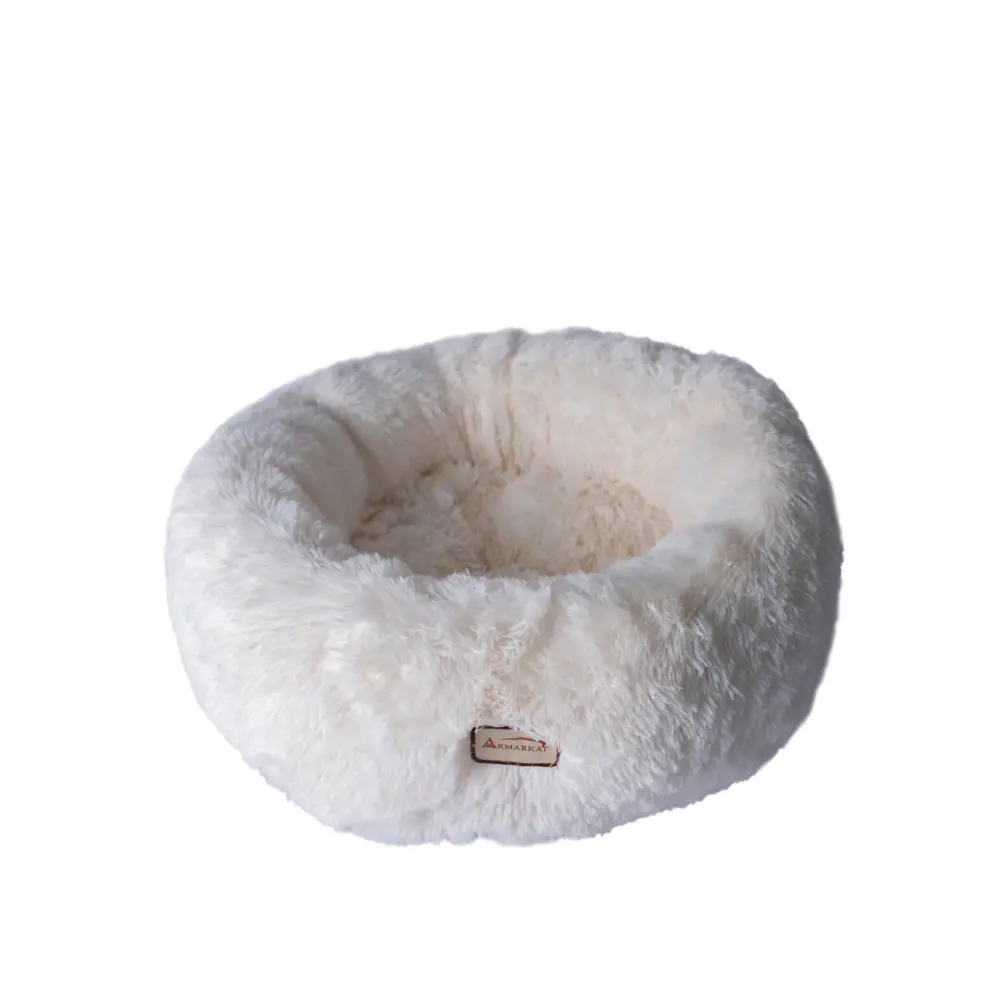
Ultra-Plush Cuddler Bed for Cats & Small Dogs, Choose size
Price range: $55.95 through $72.95
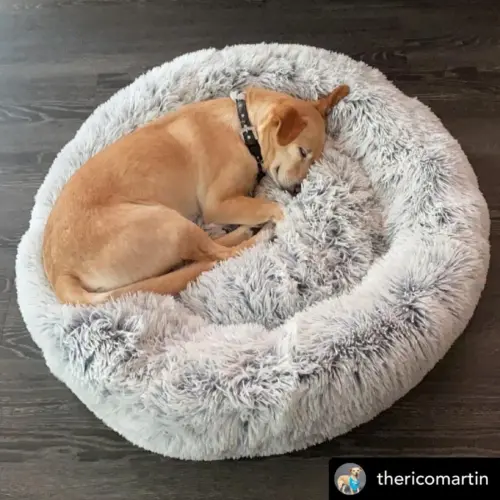
Why it fits: A walled cuddler for a dog who wants somewhere to disappear into at the end of the day.

Enforced rest for puppies and adolescents
Puppies do not stop when they are tired; they get louder. The typical picture is a puppy who has been awake for two hours, is biting ankles, grabbing clothing and ignoring everything, and whose owner reasonably concludes that they need more exercise. They need a nap.
Enforced rest means putting the puppy somewhere quiet and confined, with something to chew, and leaving them alone. Most settle within a few minutes. A rough guide is around an hour of activity followed by a sleep, repeating through the day, though every puppy differs.
- Watch for the tipping point: biting, zooming, ignoring cues, getting frantic.
- Take the puppy to the crate, pen or quiet room before it escalates further.
- Give something to chew so settling has an activity attached.
- Leave them. Checking in repeatedly keeps them awake.
- Expect quiet within five to ten minutes once the habit is established.
- Build it into the day deliberately rather than waiting for a meltdown.
Adolescents need the same thing in a different form. Teenage dogs often lose the ability to switch off, and teaching a settle on a mat gives both of you a way to end a period of activity deliberately.
Night waking
A dog who starts waking in the night when they used to sleep through is worth paying attention to. The common causes are needing to toilet more often, pain or stiffness, cognitive change in older dogs, noise outside, and being too warm or too cold.
If it has come on gradually in an older dog, speak to your vet rather than adjusting the routine. Night-time restlessness, pacing and confusion in a senior dog are recognised signs worth investigating.
When a sleep change is a health signal
Treat a clear change in sleep as information. Sleeping much more than usual, sleeping in a new position, struggling to get comfortable, waking repeatedly, or refusing to lie down are all worth a veterinary conversation, particularly alongside any change in appetite or movement.
Setting up a bed that gets used
Dogs reject beds for predictable reasons, and almost all of them are about position and temperature rather than the bed itself. A bed that is ignored is usually in the wrong place, too hot, too small to stretch out in, or in open floor space with nothing behind it.
- In a corner or against a wall, not in the middle of a room
- Out of the main walking line, but in a room the family uses
- Away from radiators, draughts and direct sun
- Large enough for the dog to lie fully stretched out
- A second, cooler option available in summer
- Off a cold floor, particularly tile and concrete
- Left alone: nobody disturbs a dog in their bed
Watch where your dog already chooses to sleep for a few days before deciding where the bed goes. A dog who consistently picks the hallway corner is telling you something useful, and moving the bed there works better than persuading them your choice was better.
Sleep and training
Learning is consolidated during sleep, which has a practical consequence: a short training session followed by a nap produces better retention than a long session followed by more activity. For puppies in particular, three minutes of training and then a sleep is a more effective structure than twenty minutes of repetition.
It also explains why training goes badly in the evening with an overtired dog, and why a dog who has had a disrupted night struggles with things they knew perfectly well the day before. If a dog seems to have forgotten something overnight, check the sleep before concluding the training failed.
Common questions
My dog sleeps about sixteen hours a day. Is that too much?
Probably not, particularly for a puppy, a senior, a large breed or a dog who has had a demanding day. What matters is whether it is a change. A dog who has always slept twelve hours and now sleeps sixteen is worth a conversation with your vet.
Should my dog sleep in my bedroom?
There is no right answer, only a consistent one. Many dogs settle better with their people nearby, and plenty are perfectly happy elsewhere. What causes problems is changing the arrangement frequently.
Why does my dog sleep against the wall or under furniture?
Enclosed spaces feel safer and many dogs prefer them. If your dog consistently chooses a corner or a gap, put the bed there rather than trying to move the dog to where the bed looks best.
Do dogs dream?
They show the same sleep stages as people, and twitching, paddling and soft noises during sleep are normal. Leave a dreaming dog alone; waking a dog suddenly from deep sleep is a common cause of a startled snap.
My puppy will not sleep at night. What do I do?
Most puppies need a toilet break in the night for the first weeks, and they settle faster when they can hear or see someone. Keep night trips boring and silent, with no play, and move the sleeping arrangement gradually once they are settling reliably.
Does an older dog pacing at night mean pain?
It can, and it can also mean cognitive change, needing to toilet more often, or discomfort from heat or cold. It is worth a veterinary appointment rather than an adjustment at home, because several of the causes are treatable.
Our guide on signs a dog is in pain covers what else to look for, and signs your dog is stressed covers the other common cause of a dog who cannot settle. The cat version of this page is how much sleep does a cat need.
Related guides
-
Guide
Signs a Dog Is in Pain: What Changes Before They Limp
Dogs hide pain well, and most early signs are changes rather than symptoms. This guide covers what to watch in how a dog lies down, moves, behaves and eats, and how to give your vet something useful to work with.
-
Comparison
Bolster vs Flat Dog Bed: What Your Dog’s Sleeping Position Tells You
The shape of a bed matters more than the price, and the way your dog already sleeps tells you which shape to buy. This compares bolstered and flat beds for curlers, sprawlers and leaners, covers the overhang problem on big dogs, and what changes as a dog gets older.
-
Guide
Signs Your Dog Is Stressed, and What Actually Helps
Stress in dogs rarely starts with a growl. This guide covers the early signals people walk past, the common household and walk triggers behind them, and the changes that genuinely lower a dog’s stress over time.