Guides
Plain, practical guides to the everyday jobs of living with a dog or cat, from measuring for a harness to lifting hair out of the carpet. For anything about your pet's health, ask your veterinarian.
-
How-to
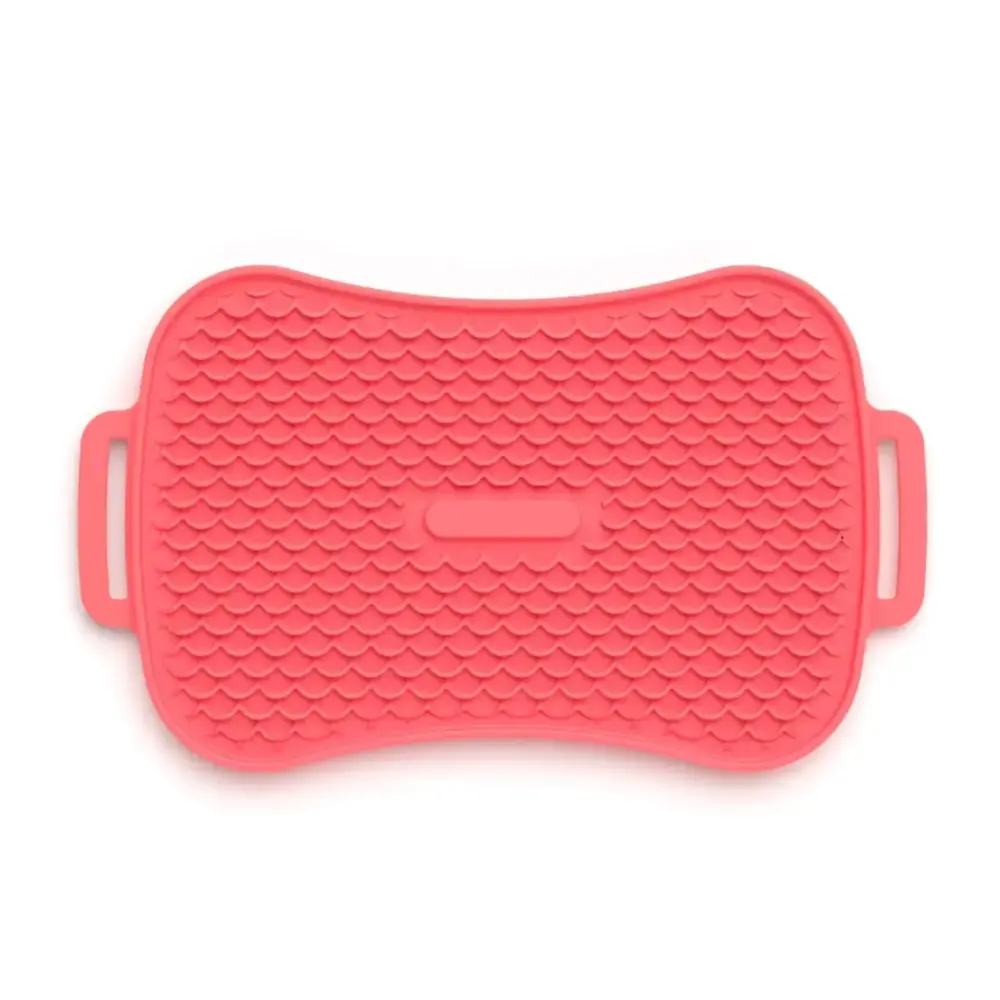
How to Clean a Lick Mat Properly, Including the Grooves
A lick mat is a textured surface designed to hold food, which is exactly what makes it hard to clean. This covers rinsing before it sets, the soak that does most of the work, when the dishwasher is fine, and what frozen toppings leave behind in the pattern.
-
Buying guide
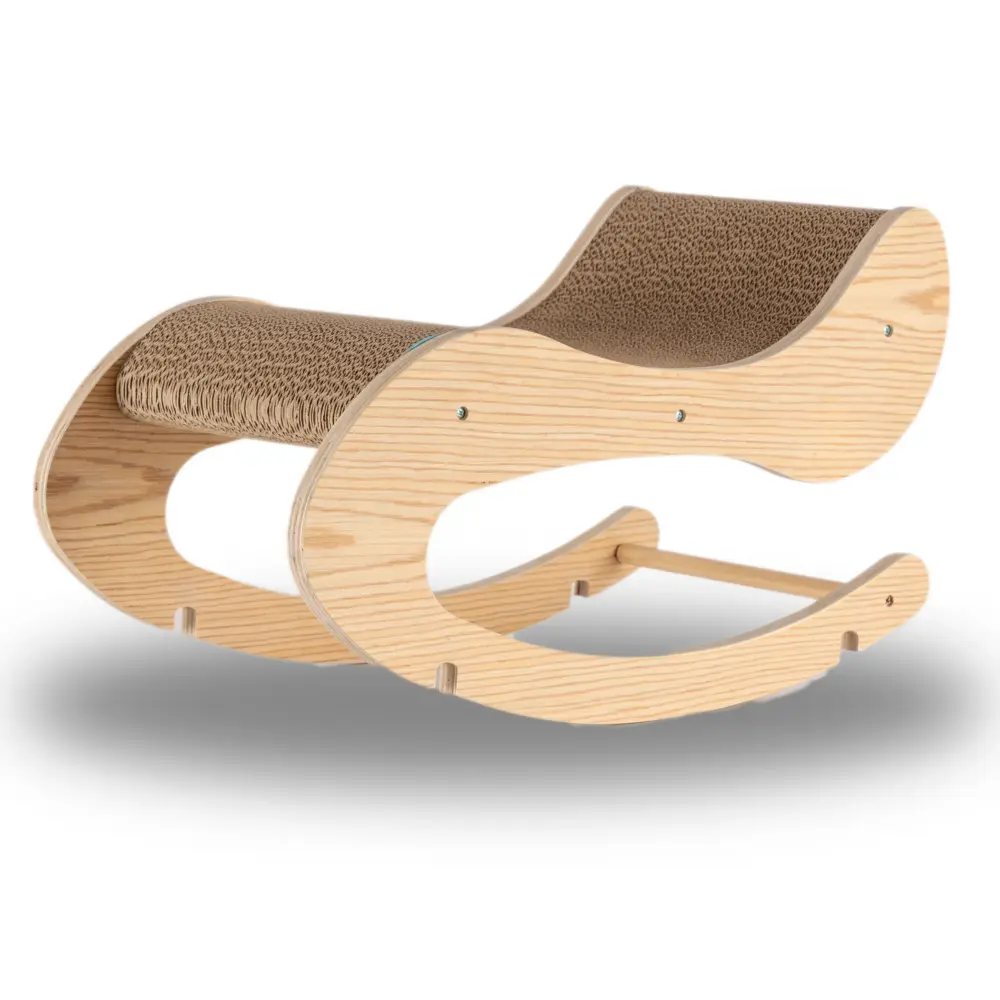
Cat Furniture for Small Apartments: Vertical Space Without the Clutter
Cat furniture advice assumes a spare room. This is for people without one: using vertical and window space instead of floor, choosing items that do two jobs, which pieces fold away, and what to skip entirely when square footage is the constraint.
-
Guide
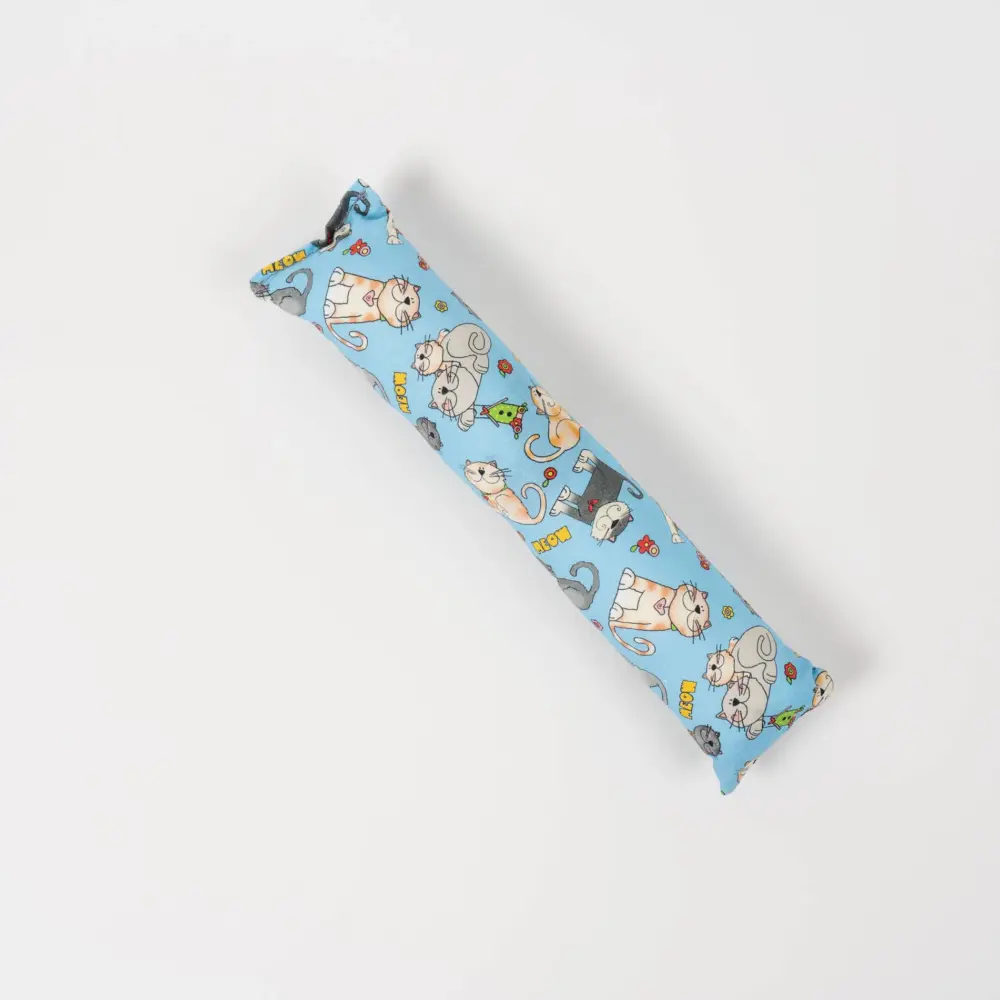
Does Catnip Work on All Cats? What to Try When It Does Nothing
Catnip failing is not a sign of a faulty cat or a weak product. The response is inherited and a large minority never have it, while kittens do not develop it until months old. This covers what a real response looks like, the alternatives, and how to keep dried catnip potent.
-
Buying guide
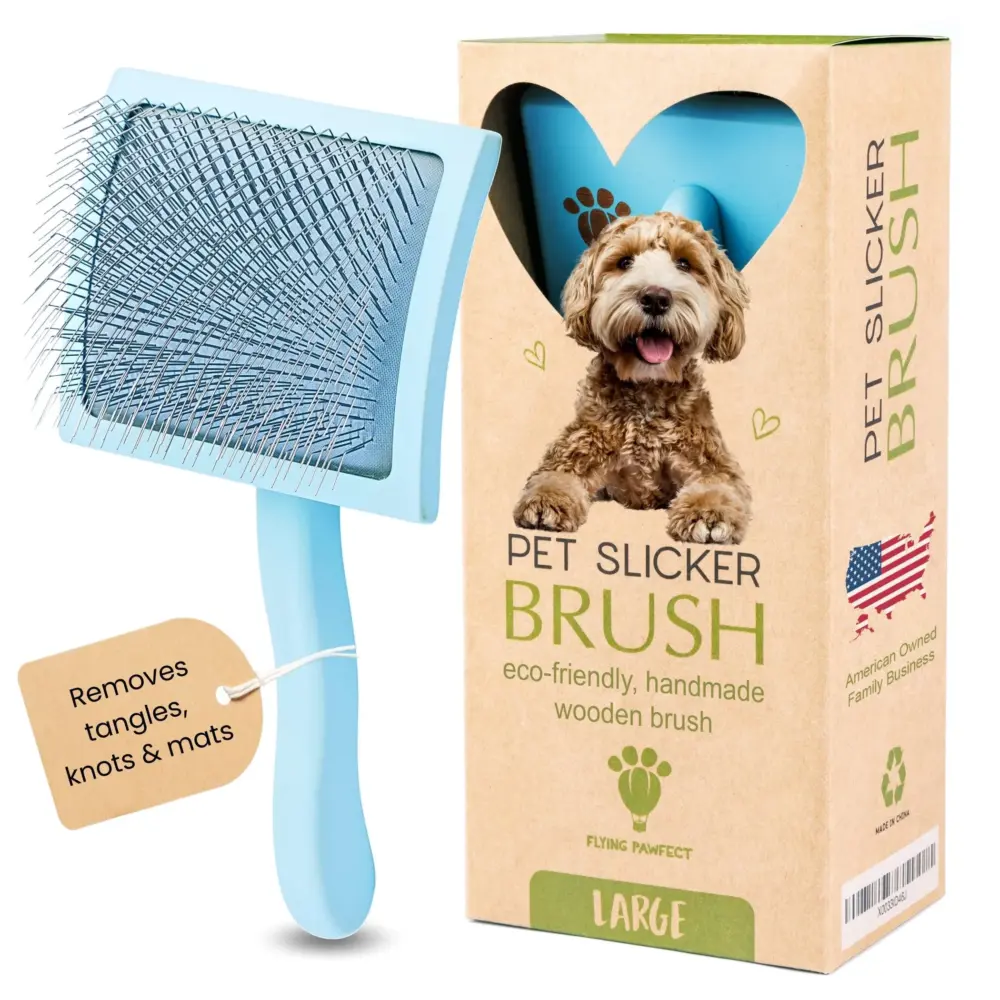
What Size Slicker Brush Do I Need? Matching Head to Coat
Buying a slicker by the dog’s size gets it wrong about half the time, because the head size should match the area you are brushing and the pin length should match the coat. This covers both, plus the pressure trap on large heads and when a multi-pack makes sense.
-
Guide
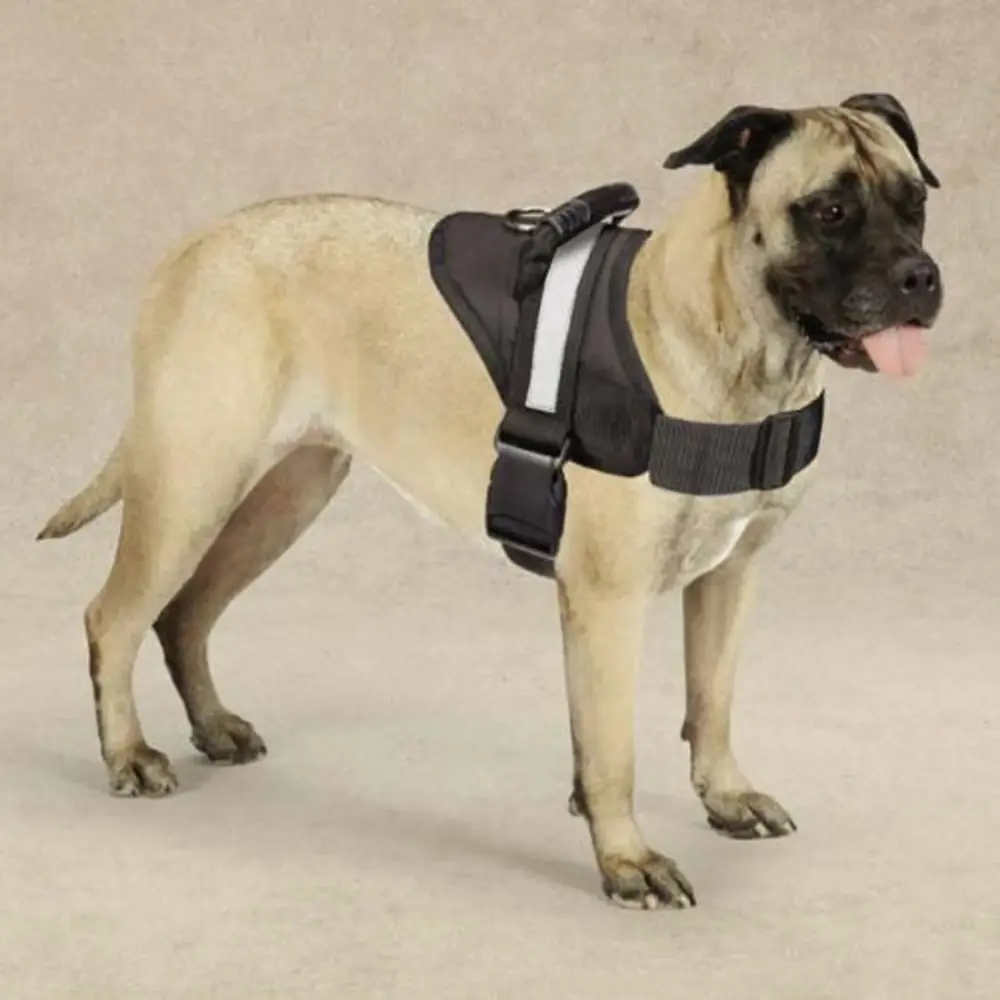
When You Need a Harness With a Handle, and How to Use It
The handle on a harness looks like a lifting strap and is not one. This covers the situations where it earns its place, the honest answer about lifting a dog by it, the harnesses actually built for assisted lifting, and the hazards of leaving a handle on a loose dog.
-
Buying guide
Reflective Gear for Walking a Dog at Night: What Drivers Actually See
Most night-walk kit is bought for the dog, when the person is the harder one to see and the one standing in the road. This covers the difference between reflective and light-emitting gear, how far ahead a driver needs to pick you out, and where reflectivity actually belongs.
-
Buying guide
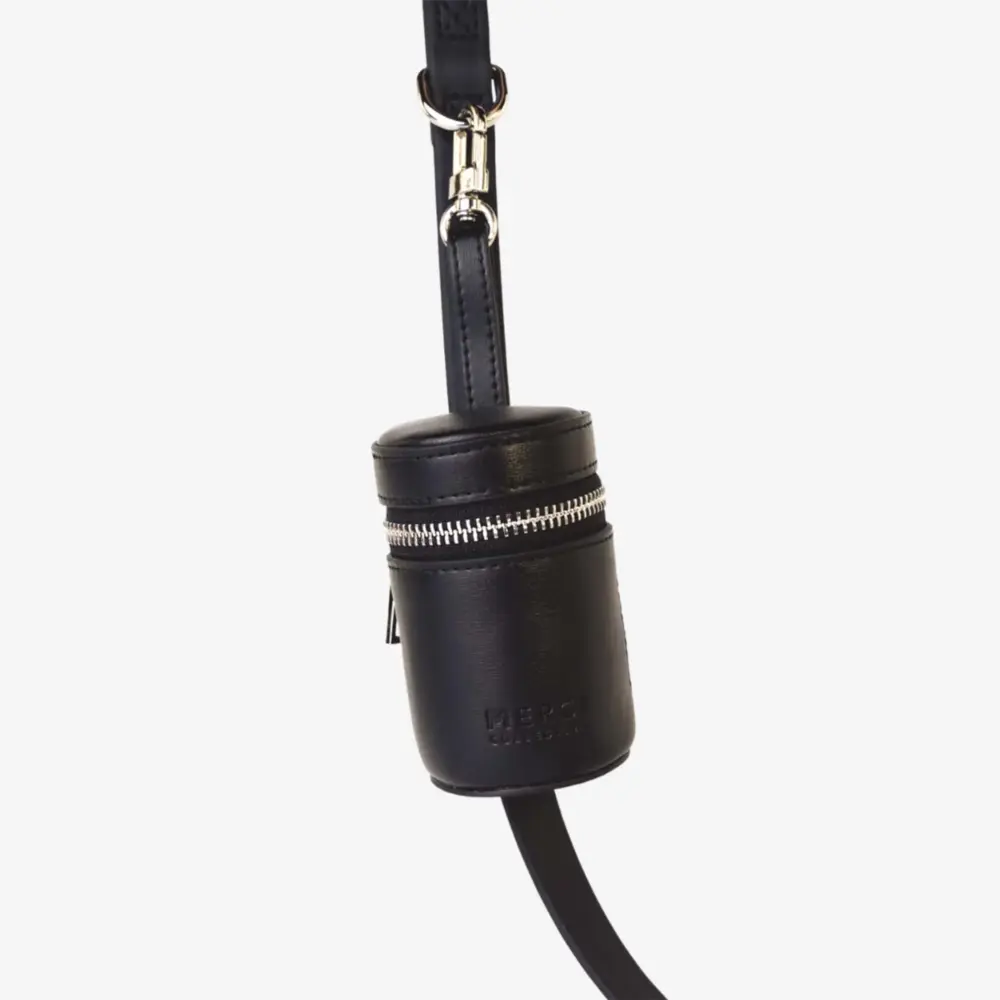
Poop Bag Holders: What Actually Matters When You Buy One
Half of these hold a fresh roll and half carry a used bag, and buying the wrong one is why people end up with neither. This covers both types, why the seal is the whole product on a carry pouch, how to attach one without ruining the walk, and what survives daily use.
-
How-to
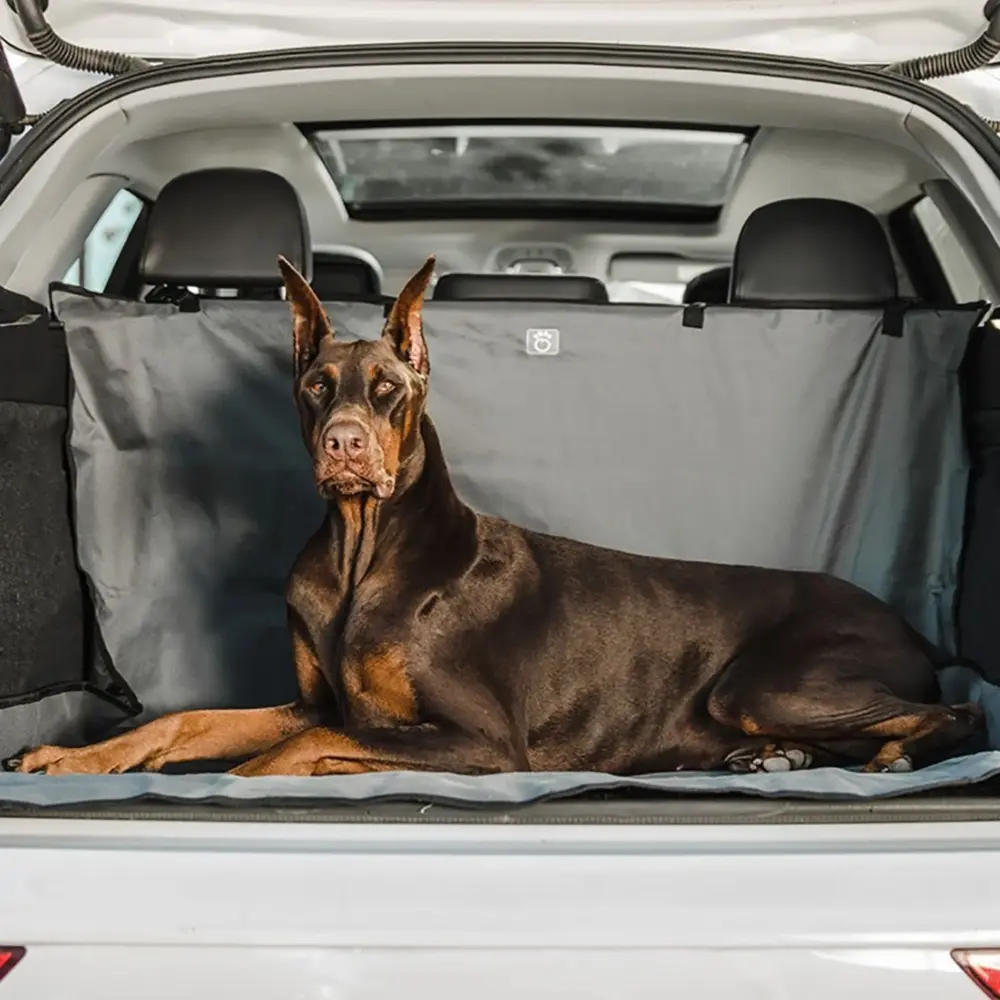
How to Clean a Dog Car Seat Cover Without Ruining the Coating
Hammocks, bench covers and cargo liners all fail the same way: a hot wash destroys the coating that made them waterproof. This covers the hair removal that has to come first, what the care label is really telling you, and how to restore water repellency when it stops beading.
-
How-to
How to Measure a Pet for a Carrier So It Actually Fits
Carrier sizing catches people out because the weight limit and the internal dimensions are separate constraints and a pet can fail either. This covers the three measurements that matter, the height mistake almost everyone makes, and how to test the fit before a journey.
-
Guide
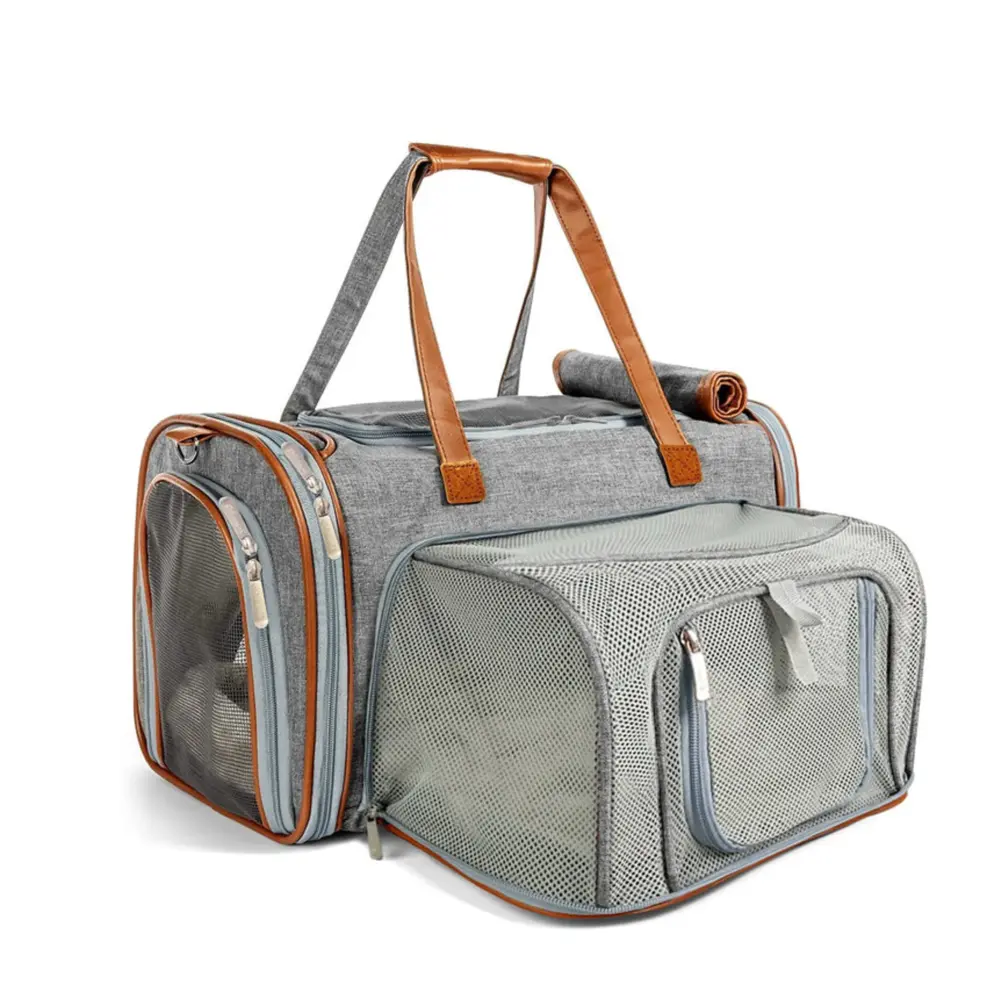
Expandable Pet Carriers Explained: When the Extra Room Is Worth It
Expandable carriers add a zip-out side panel so a cat or small dog can stretch. This explains the two states and when to use each, why the feature is worth little in an aircraft footwell, how stability changes when the sides are open, and who should skip it.
-
Comparison
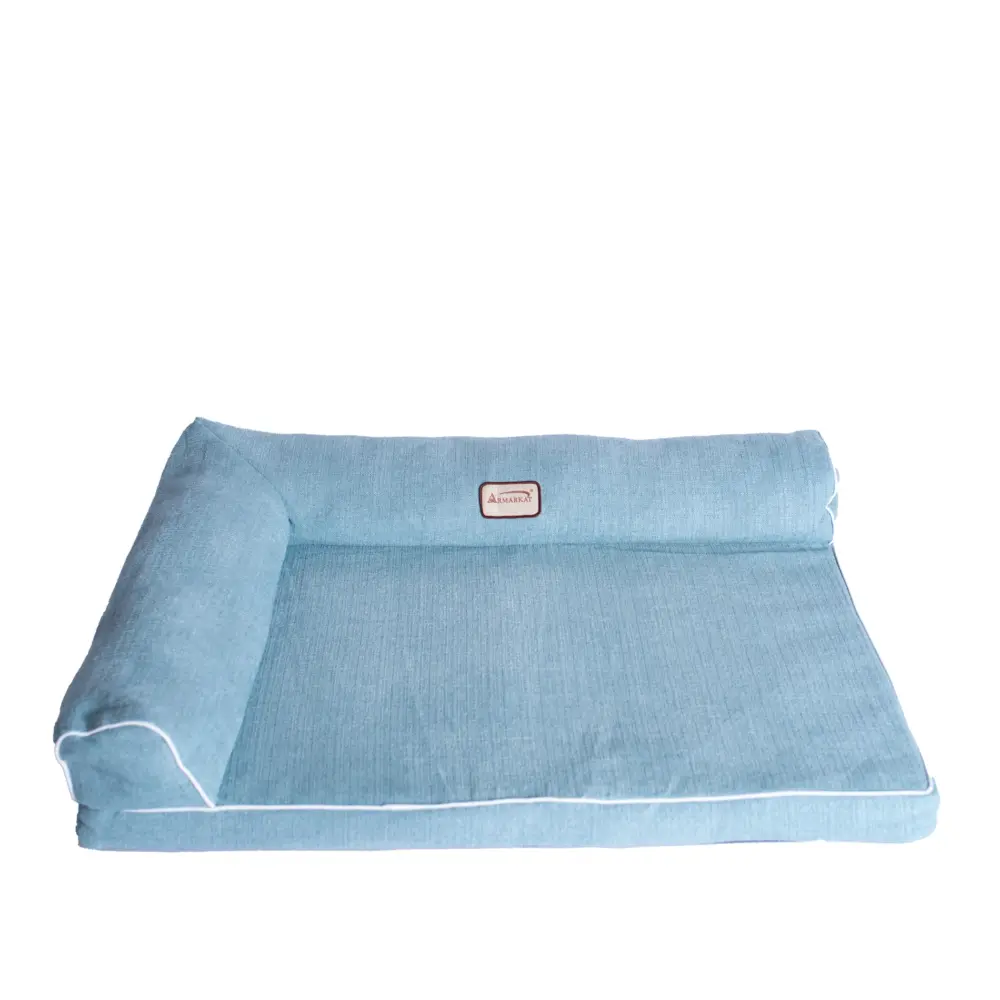
Bolster vs Flat Dog Bed: What Your Dog’s Sleeping Position Tells You
The shape of a bed matters more than the price, and the way your dog already sleeps tells you which shape to buy. This compares bolstered and flat beds for curlers, sprawlers and leaners, covers the overhang problem on big dogs, and what changes as a dog gets older.
-
Buying guide
Waterproof Dog Beds: What the Label Means and What to Look For
Most beds sold as waterproof have a water-resistant cover and an absorbent inner, which is the layer that holds the smell. This explains the three layers in a bed, why the base matters as much as the top, and how to check a bed before you buy it.