Senior Pets
Guides for living well with an older dog or cat: easier walks, warmer and more supportive beds, gentler grooming, simpler car trips and small changes around the home that help a slowing pet get around. Stiffness, weight change or a shift in appetite or sleep is worth a visit to your veterinarian.
-
Guide
When Is a Dog a Senior? Ages by Size, Aging Signs and What to Change
Dogs count as senior in roughly the last quarter of their expected lifespan, which comes years sooner for a Great Dane than a Chihuahua. See senior ages by size, how to work out your own dog's, the physical and memory changes to tell your vet about, and what to adjust at home.
-
Guide
When Is a Cat a Senior? Life Stages, Aging Changes and What to Adjust
Most cats count as senior from 10 or 11, about 56 to 60 in human years. Here are the cat life stages, which aging changes are normal, which ones need a veterinarian, how often a senior cat should be seen, and the small changes that help at home, in grooming and in play.
-
Checklist
Traveling With a Senior Dog in the Car: A Checklist for Easier Rides
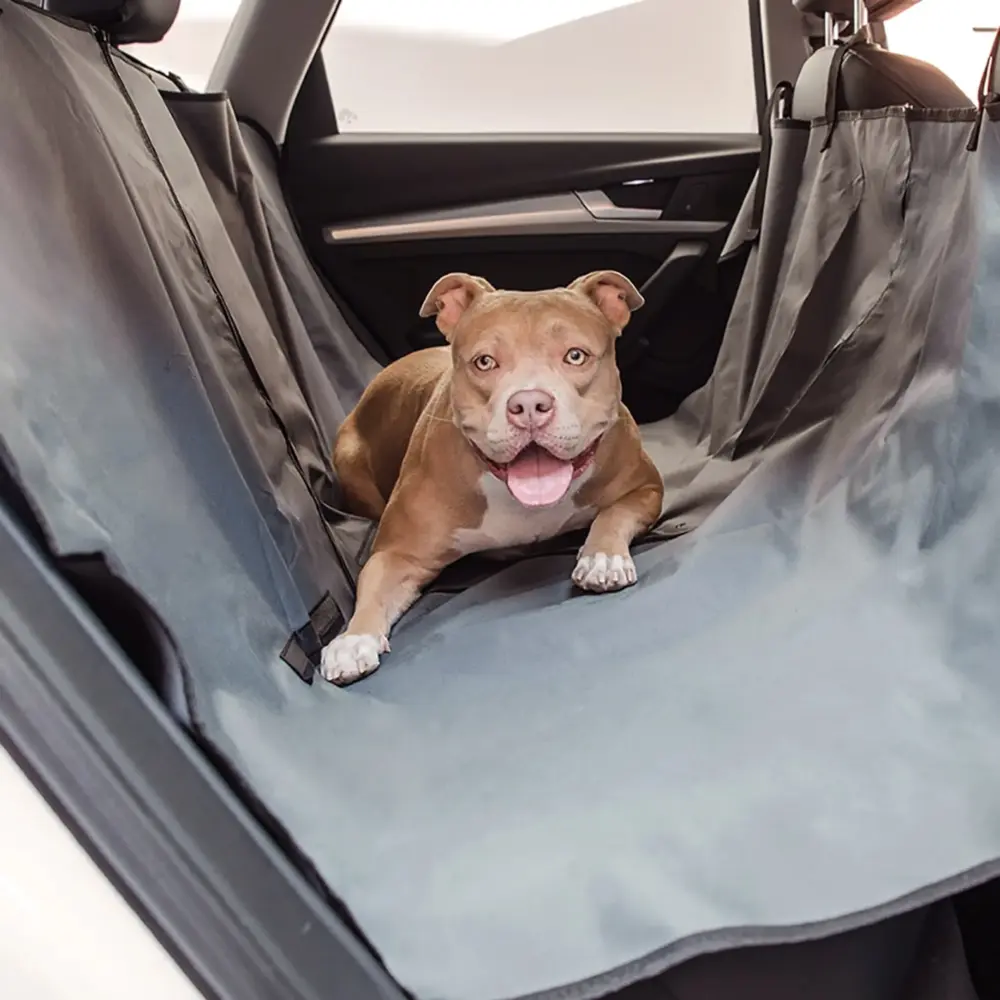
A car-trip checklist for an older dog: what to ask your veterinarian before a long drive, how to help a stiff dog in and out without a jump, a padded, secured spot in the back seat, hot and cold cars, more frequent stops, and the medications and records to keep in the cabin.
-
Checklist
How to Senior-Proof Your Home for an Older Dog: A Checklist
A room-by-room checklist for an older dog: runners on slick floors, short nails and trimmed paw fur for grip, steps, a ramp or a gate instead of jumps, the bed and water on the main floor, night lights to the door, and the changes to raise with your veterinarian.
-
How-to
How to Make Your Home Senior-Cat Friendly: Litter, Beds and Perches
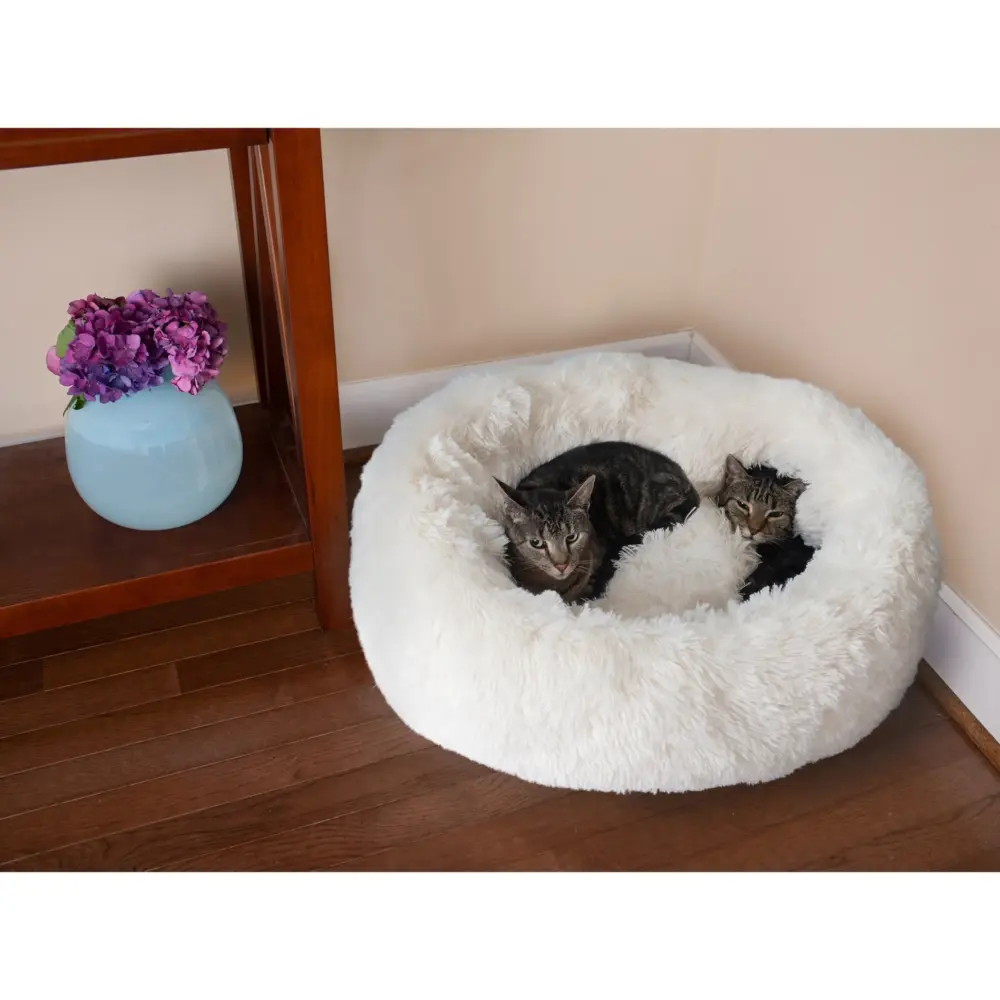
When jumping gets harder, an older cat needs everything on one easy level. Here's how to rearrange the litter box, food and water, beds, perches and scratching for a stiff senior cat, what to change first, the mistakes to avoid and the changes to report to your veterinarian.
-
How-to
How to Groom a Senior Cat: Gentle Brushing, Mats and Nails
When an older cat stops grooming, the fur on the lower back turns greasy and starts to mat. Here's why it happens, why a vet check comes first, and a gentle routine for thin skin, mats along the spine, thick overgrown claws and a clean back end.
-
How-to
How to Groom a Senior Dog at Home: Brushing, Nails and Lump Checks
Many older dogs tire of standing, and shorter walks wear their nails down less. Here is how to set up a comfortable spot, brush gently by coat type, keep nails short, clean up between baths, check for lumps as you go and know when a groomer or veterinarian should take over.
-
Guide
How Long Should You Walk a Senior Dog? Pace, Routes and Signs to Stop
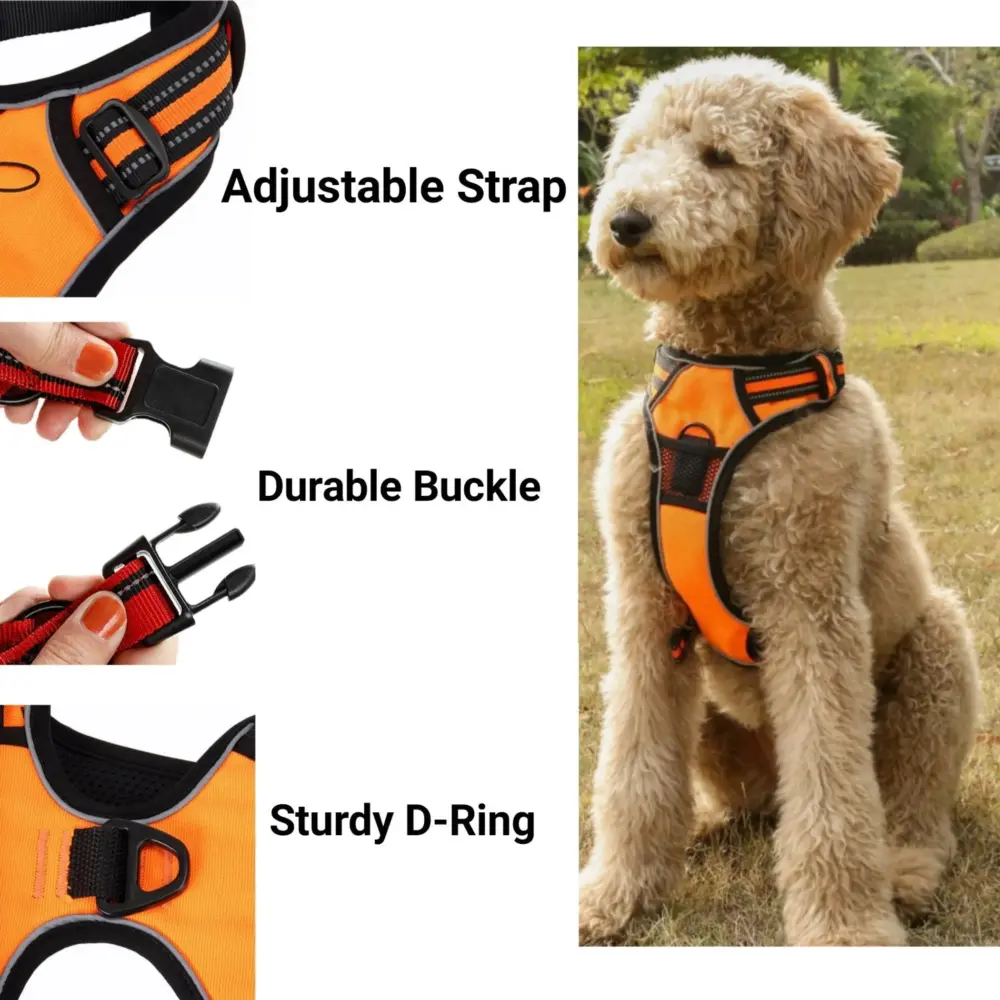
Older dogs usually do best on shorter, slower walks spread through the day. Here's how to find your dog's comfortable length, pick easier routes and a harness, adjust for heat, ice and dark evenings, and spot the signs that mean head home or call your veterinarian.
-
Guide
Enrichment for Senior Cats: Gentle Play and Easy Scent Games
Your older cat still wants to hunt; the trick is games without the leaps. Slow wand play at floor level, food and scent finds beside the bed, a flat scratcher, warm lookouts one step up, where automatic toys fit, and when playing less means a vet visit.
-
Comparison
Older Dog Can’t Keep Up? Shorter Walks vs a Backpack Carrier
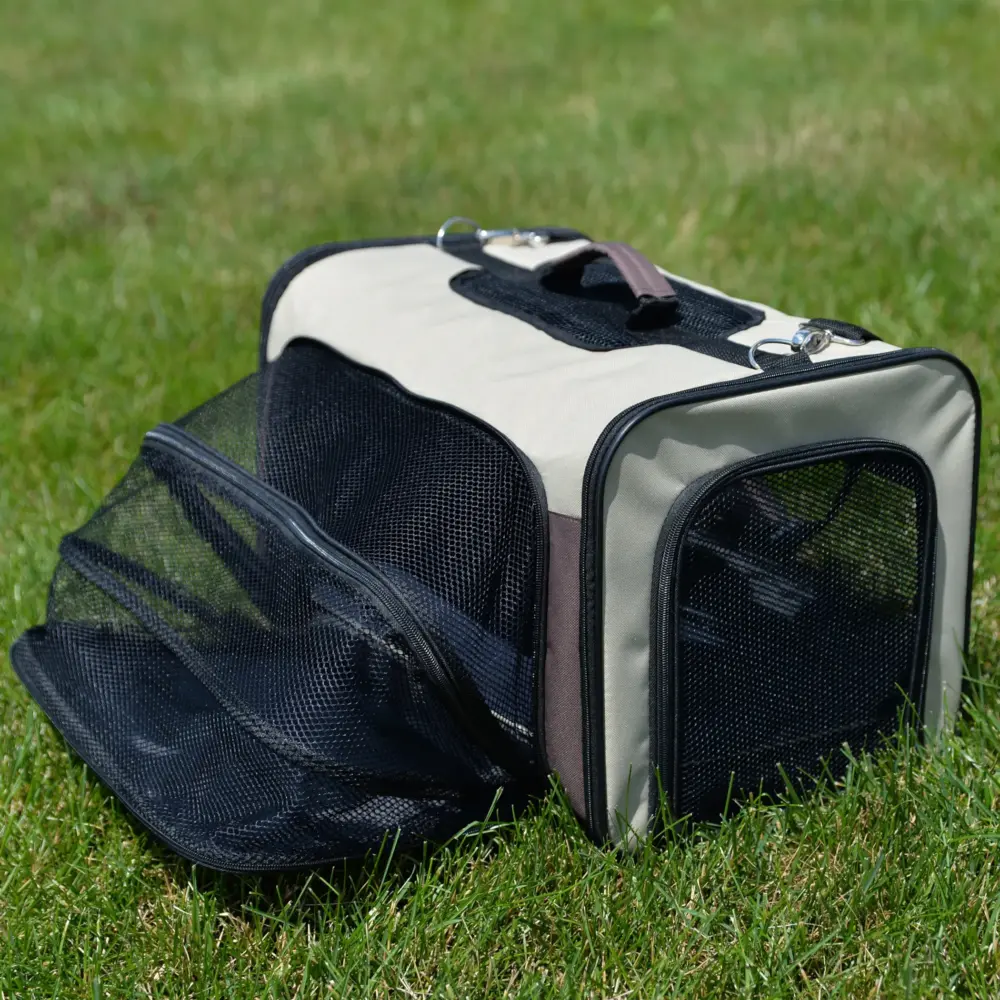
Many older dogs do best on shorter, split walks, with a backpack carrier only for the stretch they can't manage. Compare the two for exercise, sniffing, joint load and heat, see which dogs shouldn't ride, what to ask your vet, and which of our two packs fits your dog.
-
Checklist
Adopting a Senior Dog Checklist: What to Ask, Buy and Set Up
Adopting an older dog from a shelter or rescue? Ask the right questions before pickup, buy less than you would for a puppy, set up a quiet corner with easy footing, and arrive at the first vet visit with the records that matter.
-
Checklist
Adopting a Senior Cat Checklist: Shelter, Vet and First Two Weeks
A checklist for bringing home an older cat: questions for the shelter about history, health, food and litter habits, records and questions for the first vet visit, a short supplies list, the carrier ride home and what’s normal in the first two weeks.