Senior Pets Checklist
Adopting a Senior Dog Checklist: What to Ask, Buy and Set Up
Short answer
Before pickup, get the shelter’s medical records and ask about medications, food, feeding times and daily habits. Have a fitted harness, a collar with an ID tag, a bed in a quiet corner and the same food ready, and book a vet visit for the first week. Toys, ramps and a food switch can wait.
A nine-year-old dog comes with a history: an adult size, a familiar food, perhaps a medication schedule, and habits learned in another home or a kennel. So you buy less than you would for a puppy and ask more, because the shelter or foster already knows things that could take you weeks to discover.
Adopting a senior dog: the checklist at a glance
Work through it in order: the answers to the first group shape the second.
Ask the shelter or foster
- Copies of the medical records, vaccination dates and the microchip number
- Every current medication, with the dose and when it was last given
- The exact food, how much and at what times
- House-training, where they sleep and how they cope alone
- How they get on with children, cats and other dogs
- A blanket or toy that smells of the shelter or foster home
Buy before pickup
- A harness and leash, sized from a chest measurement
- A flat collar with an ID tag showing your cell phone number
- A bed that matches how your dog sleeps, or a thick folded comforter for now
- At least two weeks of the food your dog eats today
- A food bowl and a water bowl
- Poop bags and an enzyme cleaner for accidents
Set up at home
- A quiet resting spot near the family, away from the front door
- Rugs or runners over slick floors on the main paths
- Gates across stairs and any off-limits rooms
- Medications, trash and household chemicals out of reach
- A veterinarian chosen and the first appointment booked
Pickup day
- A helper for the drive, and a towel or seat cover
- A crate, or a seat-belt tether that clips to the harness
- Collar, harness and leash on before any car or house door opens
- Records, medications and instructions together in one folder
Questions to ask the shelter or rescue before pickup
Staff, volunteers and foster caregivers have fed, walked and handled your dog, so use them. The AKC’s advice on helping an adult dog adjust to a new home suggests thinking through how a dog’s temperament and energy fit your household, asking when your dog was last fed on pickup day, and taking bedding or toys that carry the scent of the shelter or foster home. With an older dog, ask about health and comfort too.
Health and medication
- Copies of the records. Vaccination dates, test results, dental notes, spay or neuter status and any recent treatment, so your veterinarian starts from what is already known.
- Current medications. The name, dose and timing of each, when the last dose was given, and whether the shelter will send the remaining supply home with your dog.
- Known conditions or concerns. Stiffness, coughing, hearing or vision changes, skin trouble or kennel accidents. Even “we don’t know” tells you what to raise at the first vet visit.
- The microchip number and whose name it is registered in, so you can update it to your own details as soon as the adoption is final.
Food and daily routine
- How they eat. A dog who gulps, one who grazes and one who needs coaxing want different bowl setups.
- The rhythm of the day. When they go out, how long their walks were and whether they need a potty trip overnight.
Habits at home
- Their story. Why they came to the shelter and what their last home was like, if anyone knows.
- House-training. Whether they have lived in a home and how they ask to go out. Expect a few accidents while your dog learns a new door and schedule.
- Stairs, sofas and cars. Whether they climb steps, jump up or need lifting, which decides where gates go and how you load them for the drive home.
- Crate and alone time. Whether they are used to a crate, and how they behaved when left.
- How they sleep. Curled tight or stretched out, which decides your bed size and style.
People, pets and handling
- Who they have met. Children, cats and other dogs, and how each meeting went.
- Touch sensitivities. Paws, ears, tail, being lifted, or being touched while lying down. An older dog with sore joints may object to handling a younger dog would shrug off.
- Fears. Noises, places or kinds of people that worry them.
Tip
Adopting from a foster-based rescue? Ask to speak to the foster directly. They have seen your dog’s nights, mealtimes and quirks in a real home, which tells you more than a kennel card can.
Walking gear and ID sized for an adult dog
An adult dog won’t grow out of their gear, so you can buy for the dog in front of you. If you can’t measure your dog yet, ask the shelter for chest and neck measurements, or which harness size they have been using. Our guide on how to measure a dog for a harness shows where the tape goes.
- ID from the first minute. The tag, with your cell phone number, goes on the collar before the car ride, because a new dog can slip out an open door on day one.
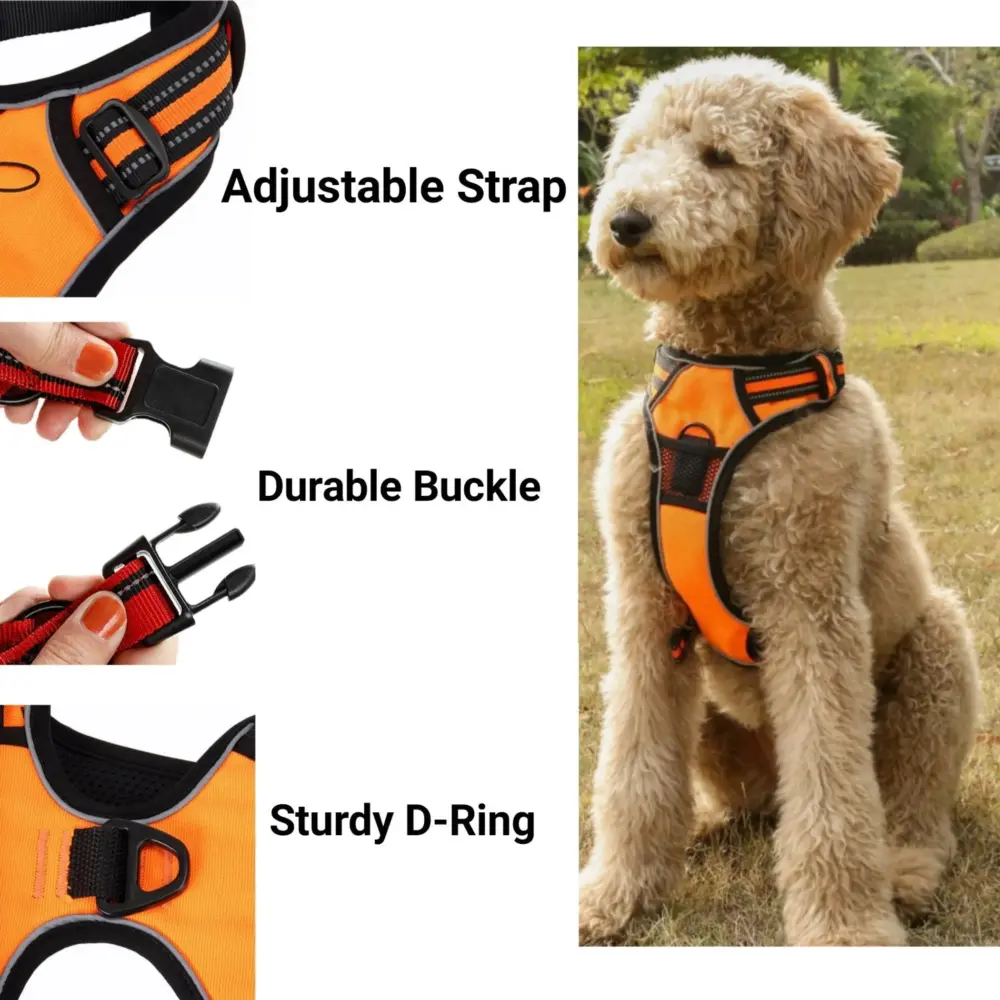
- A harness for the leash. It spreads leash pressure across the chest instead of the neck, and it is what a car tether clips to.
- A collar for the tags. Two fingers should slide flat underneath once it is fastened.
- A recheck after a few weeks. Weight can shift once your dog settles into a home routine, and straps loosen with wear.
For the walks themselves, including why many rescues suggest clipping the leash to both the harness and the collar at first, see our checklist for first walks with a rescue dog.
Two items from our walking and training gear cover the basics. As with every pick on this page, they are limited to what Nilosi stocks.
-
Mr. Peanut’s
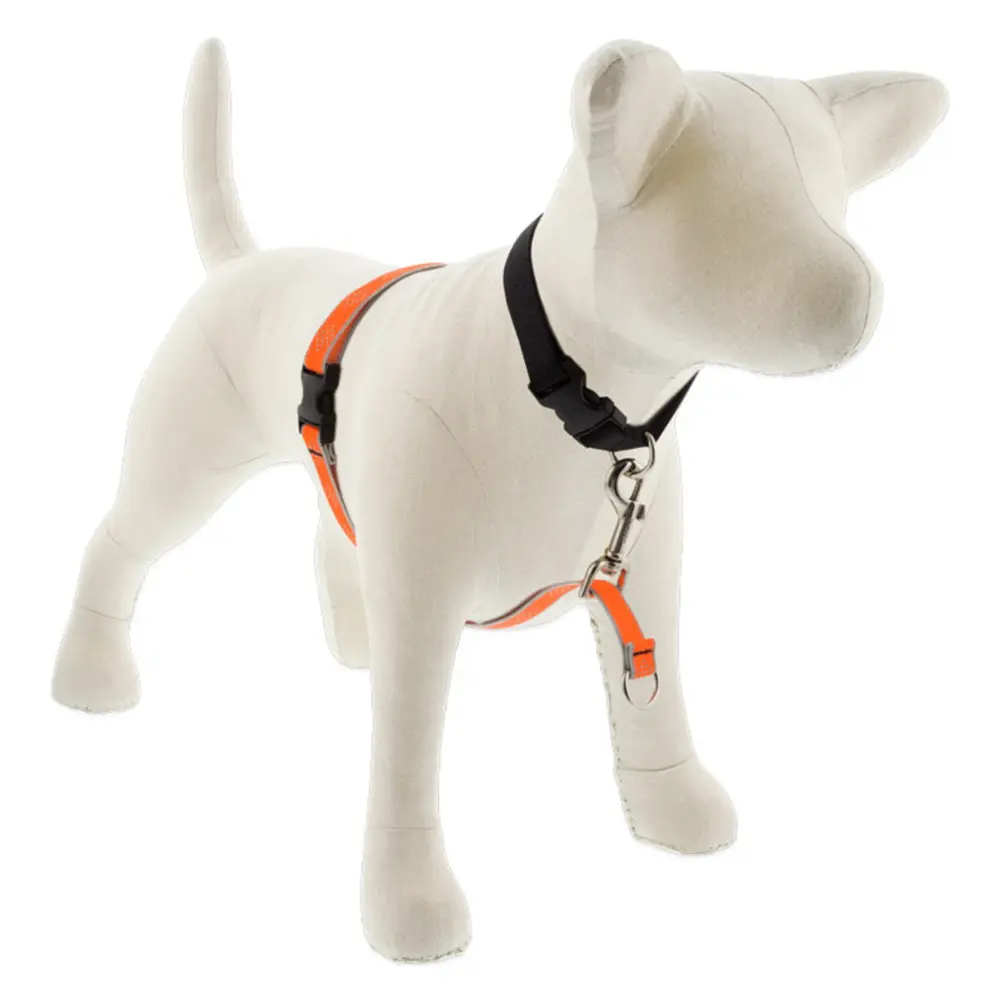
PetTrek Padded Harness and Leash Set, Choose size & color
Price range: $24.95 through $26.95
Why it fits: Padded harness and matching leash in one set; ask the shelter for a chest measurement first, since sizes run XS to Large only.
-
Lupine Pet
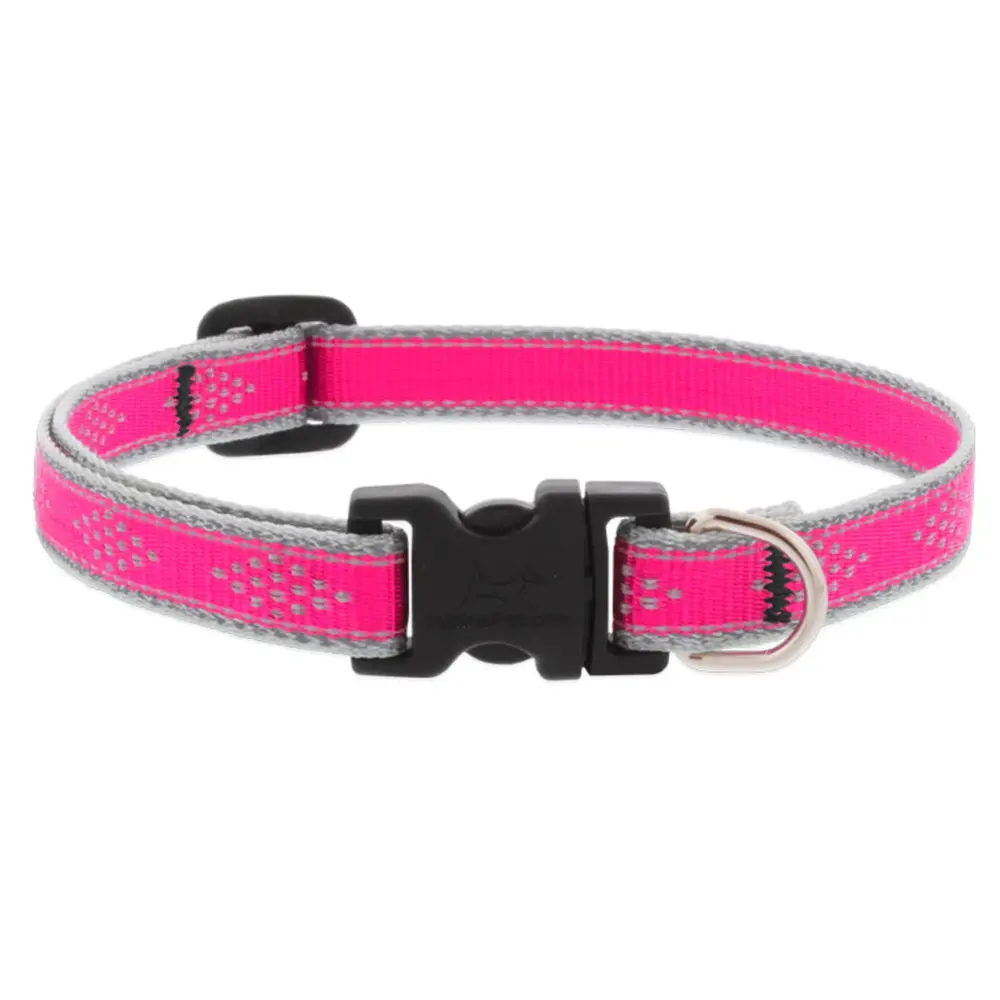
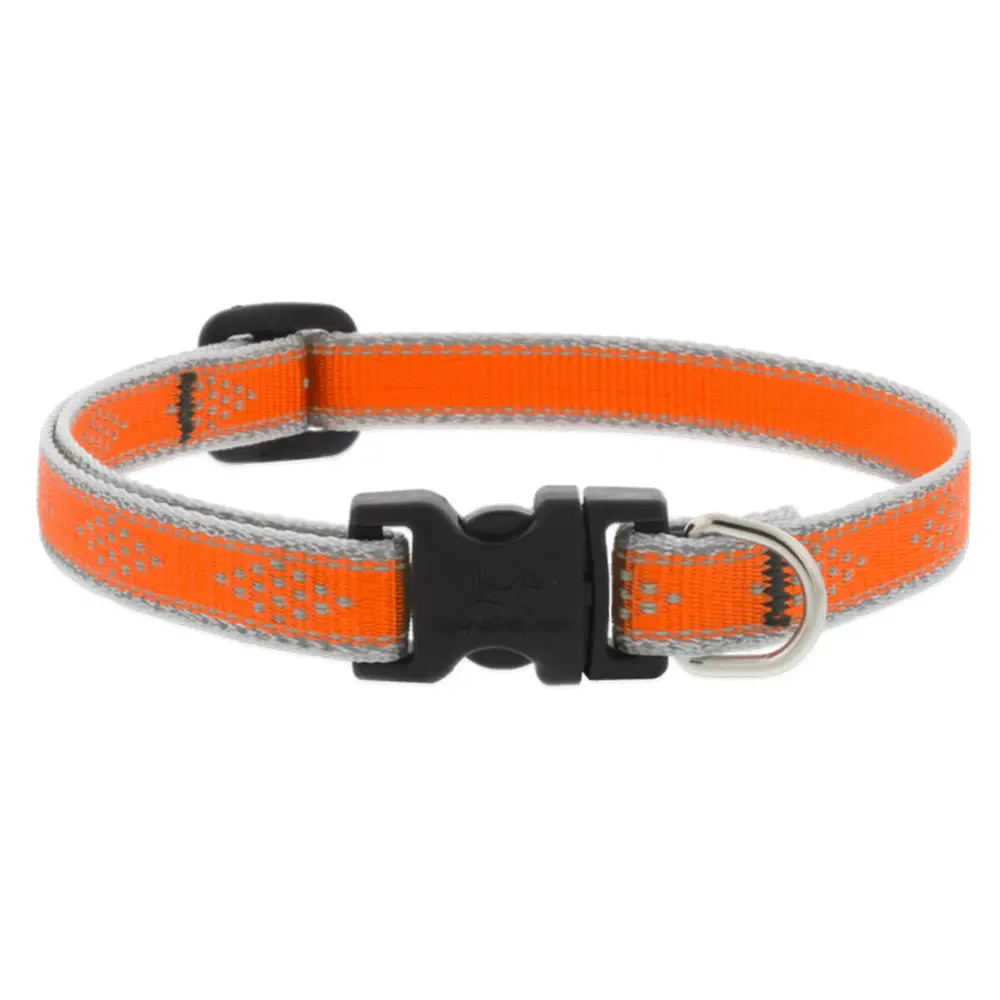
Reflective Dog Collar, Choose size & design
Price range: $22.95 through $28.95
Why it fits: Flat everyday collar to carry the ID tag from pickup day; one D-ring takes tags and leash, in neck sizes from 6 to 9 in up to 25 to 31 in.


A bed, a quiet corner and easy footing
A newly adopted older dog will spend much of the first days resting, so where the bed goes matters as much as the bed itself.
- Near the family, out of the traffic. A corner of the living room usually works better than a hallway or a spot by the front door, where every arrival wakes them.
- Sized to how your dog sleeps. A curler suits a round bed with a rim to lean on; a sprawler needs a flat bed long enough to stretch out on. A thick folded comforter will do until you know.
- Easy to get into. A high rim or a bed that slides is hard on stiff legs. Watch how your dog steps in and lies down for the first few days.
- Grip on slick floors. Hardwood, tile and laminate are slippery for older legs, so lay rugs or runners between the bed, the water bowl and the door, and gate the stairs for now. We don’t sell rugs.
For a fuller room-by-room plan as your dog ages, including night lights and fewer jumps, see how to senior-proof your home for an older dog.
Food, water and the bowl setup
Feed what the shelter fed, on its schedule. The AKC article recommends keeping the same diet for at least two weeks, then switching gradually; with an older dog, ask your veterinarian before any change, including a move to a senior formula.
- Water within easy reach. Put a bowl where your dog spends the day, plus a second one if your home has stairs.
- A bowl that stays put. A mat under the bowls stops them sliding on a hard floor. VCA Animal Hospitals’ senior dog care guide suggests raising food and water bowls to ease the strain on older joints, but the AKC’s article on bloat in dogs notes that research on raised bowls and bloat has been contradictory. Ask your veterinarian first, especially for a large, deep-chested dog.
- A slow feeder only for a gulper. If the shelter says your dog inhales meals, a ridged bowl stretches dinner out. A dog who eats slowly or needs coaxing doesn’t need one.
- A lick mat for quiet time. Licking a thin layer of food off a mat is a calm, low-effort job for the first evenings. If your dog is on a prescription diet, use a spoonful of that food.
These four from our catalog cover the bed, the bowls and the first weeks at home. Skip any that don’t match your dog: the bed is for small dogs only, and the slow feeder is only for fast eaters.
-
Armarkat
Ultra-Plush Cuddler Bed for Cats & Small Dogs, Choose size
Price range: $55.95 through $72.95
Why it fits: Rimmed plush bed for a quiet corner, for cats and small dogs only; the Small is 22 x 22 x 8 in, so check your dog can step over the rim.
-
SodaPup
Jigsaw Enrichment Lick Mat for Dogs & Cats, Choose color
$25.95
Why it fits: A calm job for the first evenings at home; spread a thin layer of your dog’s usual food in the jigsaw grooves. Suits dogs of all sizes.
-
SodaPup
Honeycomb Slow Feeder Dog Bowl, View product
$30.95
Why it fits: Worth it only if the shelter says your dog gulps meals; honeycomb ridges spread the food out so dinner takes minutes instead of seconds.
-
Mr. Peanut’s
Naturals Pet Wipes
$26.95
Why it fits: Keeps a new dog clean until they trust you with a bath; 150 large 6 x 10 in wipes for paws, ears and body, made in the USA.
Currently out of stock




The ride home
The AKC suggests a crate or a seat-belt harness for the drive, with a second person sitting near the dog to keep the leash in hand.
- Secure your dog in the back seat. Use a crate, or a tether such as our Adjustable Dog Car Seat Belt Tether clipped to the harness, never to the collar. A tether keeps a dog from roaming the back seat; it is not a crash restraint.
- Help them in. Many older dogs can’t or won’t jump into a car, so ask the staff how they usually load your dog. Let your dog see you first, then lift with one arm under the chest behind the front legs and the other under the rear, keeping the back level. Never lift by the legs, collar or leash, and use two people for a big dog.
- Leash on before any door opens, at the shelter and again at home. On arrival, go to the potty spot first, then show your dog the water and the bed.
After that, the first days are about quiet and a predictable routine. Our guide to decompression for a newly adopted dog covers how to help your dog settle.
Your dog’s first vet visit
Humane World for Animals’ guide to bringing a new dog home recommends a vet visit within the first week, so book it before pickup. It also suggests bringing your dog home when you can stay in for a few days, which lets you see how they eat, drink and move before the appointment.
What to bring
- The shelter’s records and any test results
- Each medication in its packaging, or a clear photo of the label
- The microchip number and the name of the food
- A stool sample, if the clinic asks for one
- Notes from the first days: eating, drinking, potty trips and sleep
What to mention
- Anything the shelter flagged, even if it seemed minor
- How your dog gets up after resting, and how they manage stairs
- Accidents indoors, or drinking noticeably more than you expected
- Coughing, bad breath, or lumps and sore spots you found while petting
What to ask
- Whether baseline tests make sense. The VCA guide suggests discussing blood and urine testing with your veterinarian, and says senior dogs should be examined at least twice a year.
- Whether the current food and portion suit your dog’s weight.
- Whether the teeth need attention; VCA notes that periodontal disease is common in senior dogs.
- Which vaccinations and parasite prevention are due.
- When to come back, and which changes should prompt an earlier call.
Safety note
Keep giving any medication exactly as the shelter’s instructions say until your veterinarian has reviewed it, and never give your dog a human pain reliever unless your veterinarian tells you to. Don’t wait for the booked appointment if your dog refuses food for more than a day or seems to be in pain; call the clinic. Trouble breathing or collapse needs an emergency vet right away.
What to skip until you know your dog
A shorter shopping list is one of the perks of adopting an older dog. Hold off on these for the first few weeks:
- A pile of new toys. Some older dogs barely play with toys; others love one kind. Offer one or two and see what your dog picks; our guide to enrichment for senior dogs has gentler ideas, from sniff games to lick mats.
- A food switch or supplements. Keep the shelter’s food until your veterinarian has seen your dog, and ask before adding joint or senior supplements.
- A full bath, haircut or nail session. Unless your dog truly needs one, wait until they are comfortable being handled by you; wipes and a soft brush cover the first weeks. Nails long enough to click on the floor are worth raising at the first vet visit.
- Ramps, pet steps and a specialty bed. Watch how your dog handles the stairs, the sofa and the car, ask your veterinarian, then buy what solves a real problem.
- A crate for a dog who has never used one. A gated room or a bed in a quiet corner may suit a dog who has always lived loose in a home.
- Dog parks, busy outings and a stream of visitors. Humane World notes that most dogs are overwhelmed simply by the move to a new home, so keep the first weeks to your household and quiet routes.
Adopting an older cat as well? Our adopting a senior cat checklist covers the shelter questions, the carrier ride and the first vet visit for cats.
Related guides
-
Buying guide
Made in USA Dog Products: Collars, Harnesses, Coats, Bowls and Wipes
Six dog items we stock carry a Made in USA claim from their maker or listing: two Lupine Pet walking pieces, a DCNY coat for small dogs, a SodaPup slow feeder and lick mat, and Mr. Peanut’s wipes. Learn what the label should mean, what it leaves out and how to check a claim yourself.
-
Checklist
When to Replace Dog and Cat Gear: A Monthly Wear Check
A five-minute monthly check for everything your dog or cat uses: the wear signs that mean a collar, harness, leash, toy, bowl, lick mat or scratcher insert should go, the fit checks growing and changing pets need, and what only needs a wash.
-
Checklist
What to Pack for Dog Boarding: A Checklist for the Kennel or Sitter
What to send with your dog to a boarding kennel or a sitter’s home, in the order it matters: vaccine records and the facility’s rules, meals portioned and labeled, medications with written doses, ID that reaches someone nearby, comfort items, and what to check at pick-up.