Car Travel Checklist
What to Pack for Dog Boarding: A Checklist for the Kennel or Sitter
Short answer
Check the facility’s rules and send vaccine records when you book. Pack your dog’s usual food portioned by meal plus a couple of spare days, medications in their original containers with written doses, a collar with an ID tag that reaches someone nearby, and a washable item that smells of home. Label everything.
This list is for a dog who stays behind: at a boarding kennel, a veterinary boarding ward or with a sitter who takes dogs into their own home. Still deciding between those? Start with dog boarding vs a pet sitter. If your dog is coming along instead, you want the road trip with a dog checklist, and if a cat is staying home with a sitter, our cat sitter checklist covers that side of the trip.
Dog boarding checklist at a glance
Everything goes in one bag with your dog’s name and your phone number on the outside:
- Proof of vaccines, sent to the facility when you book
- Your dog’s usual food, portioned by meal, plus a couple of extra days’ worth
- Treats your dog already eats, in a labeled bag
- Medications in their original containers, with a written schedule
- A feeding and health note, with your vet’s details and an emergency contact
- A collar with an ID tag that reaches someone who is in town
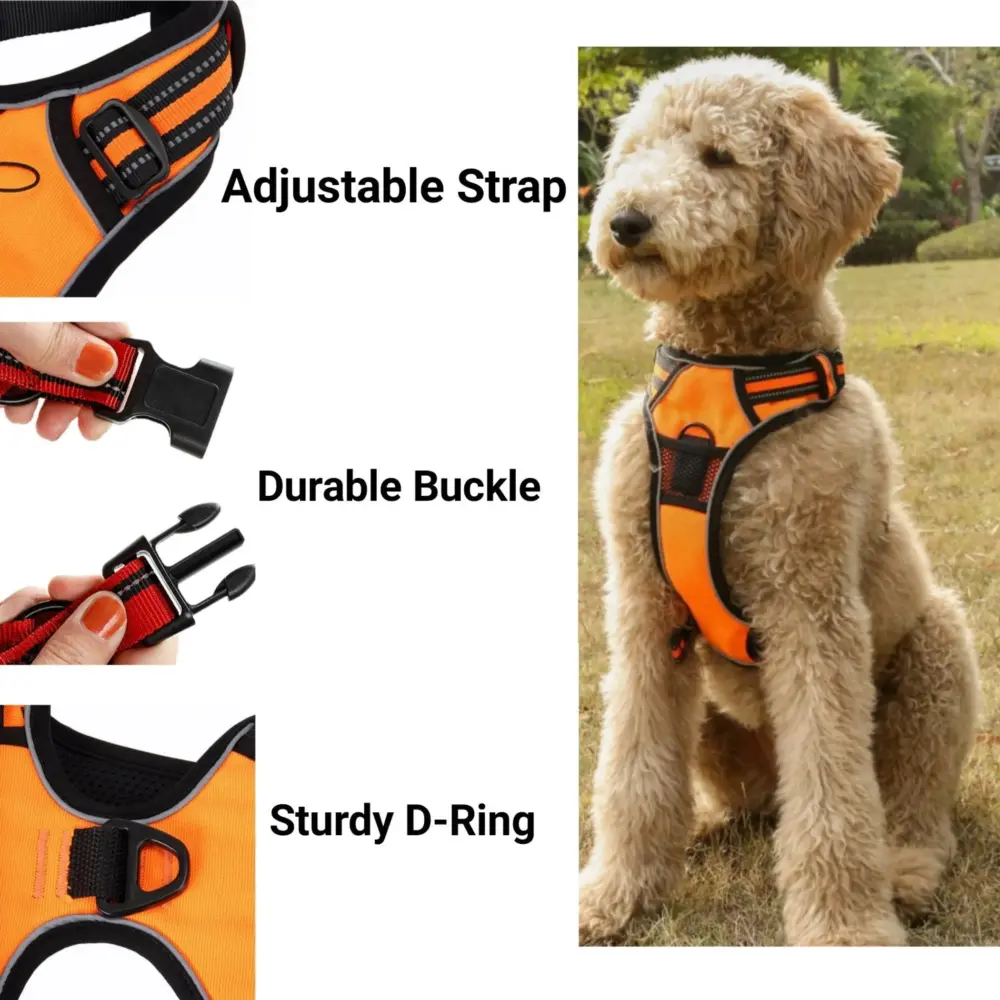
- The harness and leash your dog already wears, if the stay includes walks
- A bed or blanket from home, or a T-shirt you’ve worn
- One durable toy and a lick mat, if the facility allows them
- A packing list inside the bag
What to leave at home
- The big bag of food. Portioned bags take the guesswork out of every meal.
- New food or treats. Boarding is already a big change; keep the menu exactly as it is at home.
- A brand-new harness or collar. Fit and test new gear on your own walks for a couple of weeks first, or send the old one.
- Anything irreplaceable. Beds and toys get washed, mixed up or chewed.
- Stuffed toys for a dog left alone. Nobody watches a kennel run every minute, so leave out anything your dog can tear apart and swallow.
- A retractable leash. A standard leash is simpler for someone new to hold.
Vaccine records and the facility’s rules
Paperwork comes first, because a facility that can’t confirm your dog’s vaccines may turn you away at the door. The AKC’s advice on boarding your dog notes that many states require a kennel to have dogs’ vaccination records in order to operate legally, and VCA’s guide to boarding lists rabies, distemper, parvovirus and Bordetella (kennel cough) as universally required and says boarders should also be current on parasite prevention.
- Rabies certificate and vaccine records from your vet, emailed when you book
- The facility’s required list, checked against your dog’s due dates
- Flea, tick and other parasite prevention current, as your vet advises
- The facility’s forms signed, including consent for emergency vet care
- Your vet’s name, phone number and address
- Your dog’s microchip number
Check dates, not just names. A vaccine that runs out halfway through the stay can be a problem, so compare due dates with your travel dates. If a shot is due, book it well ahead and ask the facility how long before check-in it needs to be given. VCA also suggests considering the canine influenza vaccine for boarded dogs; ask the facility whether it requires it and your veterinarian whether your dog needs it. Traveling over a holiday? Send records early.
Ask what the facility allows
The AKC says a good facility will tell you what to bring before drop-off. If it hasn’t, ask before you pack anything else:
- Do you provide beds and bowls, or should I bring them?
- Are toys, chews or a lick mat allowed, and only with staff watching?
- Can you store fresh or refrigerated food, and give medication on my schedule?
- Does the collar stay on, or do you take collars off for group play?
- Will you walk my dog on my harness and leash, or on your own leads?
- Is there a limit on how much I can bring?
A sitter who boards dogs at home may have room for more of your dog’s things than a kennel run, but ask the same questions; they have house rules, and often pets, of their own.
Food, portions and feeding instructions
Feed exactly what your dog eats at home. Measure each meal into its own zip-top bag and write your dog’s name, the day and the meal on it, so staff only have to pour.
- Every meal pre-portioned and labeled, plus extra meals in case your trip runs long
- Toppers or wet food in single portions, if your dog has them
- A slow feeder or special bowl, only if staff can use and wash it
- A feeding note taped to the food bag
What the feeding note should say
- How much per meal, and at what times
- How it’s served: dry, with water added, or mixed with wet food
- Food allergies, and anything your dog must not have
- Which treats are allowed, and how many a day
- Habits staff should know about: a slow eater, a gulper, a dog who guards the bowl
- When to call you or your vet if your dog skips meals
Eating less at first is common. VCA notes that many dogs who aren’t used to boarding eat or drink less during their first few stays. Agree with the staff in advance on when a skipped meal is worth a call, and if your dog has a condition such as diabetes that makes missed meals more serious, ask your veterinarian what the staff should do.
Medications and health notes
Medications travel in their original pharmacy containers with the label readable, never loose in a bag. Confirm when you book that staff can give them on your schedule, as VCA advises.
- Each medication in its labeled container, plus a few extra doses
- A written schedule: name, what it’s for, dose, time, with or without food
- How your dog takes it: wrapped in a treat, mixed into food or by hand
- Supplements, written up the same way
- Any monthly preventive due during the stay, with your vet’s instructions
- Allergies, conditions and any recent illness
- A backup person who can make vet decisions if you can’t be reached
Write down your dog’s baseline. Someone new can’t tell an old habit from a new problem. Note quirks your vet already knows about, such as stiffness after naps or fear of thunder, and ask staff to report anything different: coughing, vomiting, diarrhea, limping or low energy.
Safety note
If your dog seems unwell before drop-off, call first. VCA’s advice is that boarded pets should be in good health. A cough, vomiting, diarrhea or a sudden loss of appetite in the days before you leave is a reason to call your veterinarian and the facility before you go. A dog with complex medical needs may be better placed in veterinary boarding.
Collar, ID, harness and leash
If your dog slips out on a walk or a gate is left open, the tag is how a finder reaches someone. While you’re away, that someone needs to be nearby and able to answer.
- A flat collar that fits: two fingers slide under it once fastened
- An ID tag with your cell number and a local backup’s number
- Microchip registration checked, with your current phone number
- The harness your dog already wears, fitted and adjusted
- A standard leash, labeled with your dog’s name
Put a local number on the tag. Your cell may be switched off on a plane or ringing overseas, so add a temporary tag with a local friend’s number or the facility’s. Some facilities take collars off for group play, which is one more reason to keep the microchip details current.
Send gear your dog already accepts. A sitter who walks your dog needs a harness that fits and goes on without a struggle; a kennel that uses its own leads may not need yours. If you’re buying one for the trip, check the size with our guide to measuring a dog for a harness and buy it a few weeks ahead, so it’s adjusted and familiar before anyone else clips it on.
If the collar or harness needs replacing before you go, these two come from our walking and training gear; the picks on this page are limited to what Nilosi sells. Leave time for delivery and a few walks in the new gear.
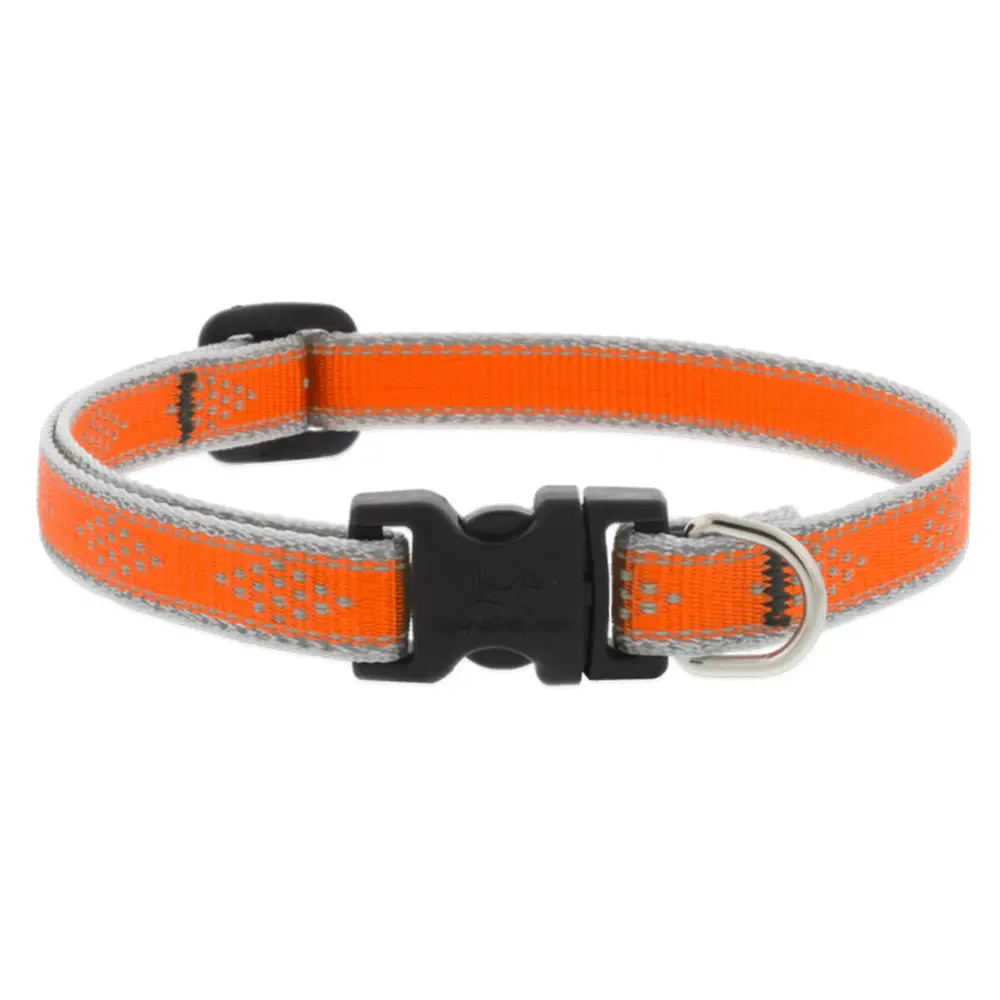
-
Lupine Pet
Reflective Dog Collar, Choose size & design
Price range: $22.95 through $28.95
Why it fits: Holds the ID tag plus a second tag with a local number; strong D-ring, woven reflective threads and adjustable sizes from tiny to XXL.
-
Mr. Peanut’s
PetTrek Padded Harness and Leash Set, Choose size & color
Price range: $24.95 through $26.95
Why it fits: A harness and matching leash a sitter can put on the way you do; quick-release buckles, padding, XS to Large. Fit it weeks ahead.


A bed, a worn T-shirt and a familiar toy
Something that smells of home can help a dog settle in a strange place. VCA suggests your dog’s own bed or blanket and favorite toys, and the AKC adds a piece of clothing with your scent on it.
- A bed or blanket your dog already sleeps on, small enough for a run or crate
- A T-shirt you’ve worn, unwashed, sealed in a zip-top bag until drop-off
- One durable toy your dog can safely be left alone with
Familiar beats new. A new bed smells of the box, not of home, so if you’re buying one for the stay, let your dog sleep on it for a few weeks first. Choose something washable and modest in size, which fits a kennel run and is easy for staff to swap if it gets wet.
Safety note
Skip the bed for a dog who chews fabric. If your dog shreds bedding or soft toys, tell the staff and leave them at home. Swallowed fabric or stuffing can cause a blockage, and in a kennel run nobody may see it happen.
Enrichment the staff can use
A boarding day has quiet stretches between play, walks and meals. A simple job that staff can hand your dog fills some of that time, as long as the facility allows it; rules on chews and food toys vary, especially where dogs share space.
- A lick mat, filled from your dog’s own food, with simple instructions
- A food toy or puzzle your dog already knows how to use
- Chews only if the facility permits them, in the type your dog gets at home
- A line on what your dog enjoys, such as “loves a slow brush, ignores balls”
Fill it from the day’s portion. A spoonful of your dog’s wet food or soaked kibble spread on the mat means nothing new goes in. Our guide on what to put on a lick mat has more fillings for home; for boarding, keep it simple enough for anyone to do. Ask staff to pick the mat up once your dog has finished rather than leaving it in the run.
For the comfort and enrichment part of the bag, these two from our catalog fit. The bed is sized for cats and small dogs only, so skip it for a bigger dog.
-
Armarkat
Ultra-Plush Cuddler Bed for Cats & Small Dogs, Choose size
Price range: $55.95 through $72.95
Why it fits: Becomes a familiar bed if your small dog sleeps in it for weeks first; Small is 22 x 22 x 8 in, skid-free and machine washable.
-
SodaPup
Jigsaw Enrichment Lick Mat for Dogs & Cats, Choose color
$25.95
Why it fits: Gives staff a quiet job to hand your dog, filled from its own meal; dishwasher safe, and only where the facility allows it.


Labels, drop-off and pick-up day
Kennels and sitters juggle a lot of bags, bowls and blankets. Write your dog’s name and your phone number on everything: the bag, each food portion, the medication schedule, the leash and a laundry tag on the bed. Photograph what you packed and put a list inside the bag, so you can check it at pick-up.
At drop-off
- Walk your dog before you leave home, so the first minutes at the facility aren’t spent desperate for a potty break.
- Hand over the bag and go through the feeding note and each medication with a staff member in person.
- Confirm the numbers they have for you, your backup contact and your vet, plus your pick-up date and time.
- Ask how they send updates, and whether they call you or your backup first if something comes up.
- Keep the goodbye short and matter-of-fact, then leave.
At pick-up
- Ask how your dog ate, drank, slept and played, and about anything staff noticed
- Look your dog over: coat, skin, paws and eyes
- Check the bag against your packing list before you leave
- Let your dog rest and get back to the usual routine at home
Watch for a cough for two weeks after pick-up. The AKC notes that kennel cough spreads most often where dogs share close quarters, including boarding facilities, and that signs can appear 2 to 14 days after exposure: a harsh cough that can sound like a honk, gagging, sneezing or a runny nose. Call your veterinarian if your dog has a persistent cough, eats less, seems lethargic or has any trouble breathing, and tell the clinic about the cough before you go in, so staff can keep your dog away from other patients.
Wash the bed and blanket before they go back in their usual spot; our guide on how to wash a dog bed explains covers, fillings and drying. Keep the packing list with your travel documents for next time.
Related guides
-
Checklist
Adopting a Senior Dog Checklist: What to Ask, Buy and Set Up
Adopting an older dog from a shelter or rescue? Ask the right questions before pickup, buy less than you would for a puppy, set up a quiet corner with easy footing, and arrive at the first vet visit with the records that matter.
-
How-to
How to Stop a Dog Darting Out the Door: Manage Now, Train a Wait
A dog who bolts through the door can get lost or hit by a car. Manage the door from tonight with a leash, a gate and ID, then teach a threshold wait and a go-to-your-bed doorbell routine, plan for guests and deliveries, and know what to do if your dog slips out.
-
Checklist
Moving With a Dog: Weeks Before, Moving Day and Settling In
A checklist for moving to a new home with a dog, in the order you’ll need it: ID and records weeks ahead, a steady routine while you pack, a safe plan for moving day and the drive, house and yard checks on arrival, and the first weeks of walks and time alone.