How to Wash a Dog Bed, and How Often, Including Beds That Don’t Unzip
To wash a dog bed, vacuum off the hair, check the care label, then wash the cover, or the whole bed if the label allows, on a gentle cycle with fragrance-free detergent and an extra rinse. Drying is where most beds go wrong: the filling must be dry all the way through before your dog lies on it again. Once a week is a sensible routine.
Short answer: de-hair it, check the label, wash gently and dry it completely
- De-hair: shake the bed outdoors, then vacuum it.
- Read the label: machine, hand wash or spot clean only, the warmest water allowed, dryer or not.
- Treat stains with an enzyme cleaner made for pet messes.
- Wash gently: gentle or bulky cycle, fragrance-free detergent, extra rinse.
- Dry completely, on low heat if the label allows, otherwise in the air.
Foam inserts, gel mats and oversized beds are covered further down.
How often should you wash your dog’s bed?
About once a week, which is what the CDC’s advice on cleaning pet supplies suggests for pet beds and blankets. With a washable throw on top that you wash weekly, the bed underneath can often stretch to every two weeks if you vacuum it in between.
Wash it sooner when:
- Your dog comes in wet or muddy and goes straight to bed.
- There has been an accident, vomit or a soggy chew in the fabric.
- Your dog is shedding heavily, or someone at home is allergic to pet dander.
- Your dog has been ill, or you have found fleas. Ask your veterinarian how to treat your dog and home, and wash all the bedding as part of that plan, as hot as each label allows.
Before you wash: shake, vacuum and lift the hair
Loose hair that goes into the washer clumps, clings to the cover and can clog the machine’s filter, so start dry.
- Unzip the cover, if there is one, and take out the insert.
- Shake both outdoors.
- Vacuum both sides with the upholstery tool, into the seams, corners and the crease under a bolster.
- Lift what is left with a damp rubber glove or a lint roller.
- If the cover is dryer-safe, tumble it for 10 minutes on no heat to shake more hair into the lint trap.
Less hair in the bed starts with brushing your dog; our guide to dog shedding season and how to keep up has a routine. For double coats, the JESPET De-Shedding Tool has a stainless-steel edge that lifts loose undercoat.
How to wash a dog bed in the washing machine
These steps suit removable covers, and whole beds labeled machine washable.
- Pre-treat stains with an enzyme cleaner for pet messes, leaving it as long as its label says.
- Zip the cover closed and turn it inside out so the zipper doesn’t snag.
- Check the fit. The bed should move freely in the drum; one packed in tightly won’t rinse properly.
- Choose a gentle or bulky cycle and the warmest water the label allows.
- Use fragrance-free, dye-free detergent at the normal dose; extra detergent stays in the fabric and holds smell.
- Skip fabric softener and dryer sheets, which add scent and can coat the fabric.
- Add an extra rinse.
- Clean up after: wipe hair from the drum and door seal.
Plush and cuddler beds
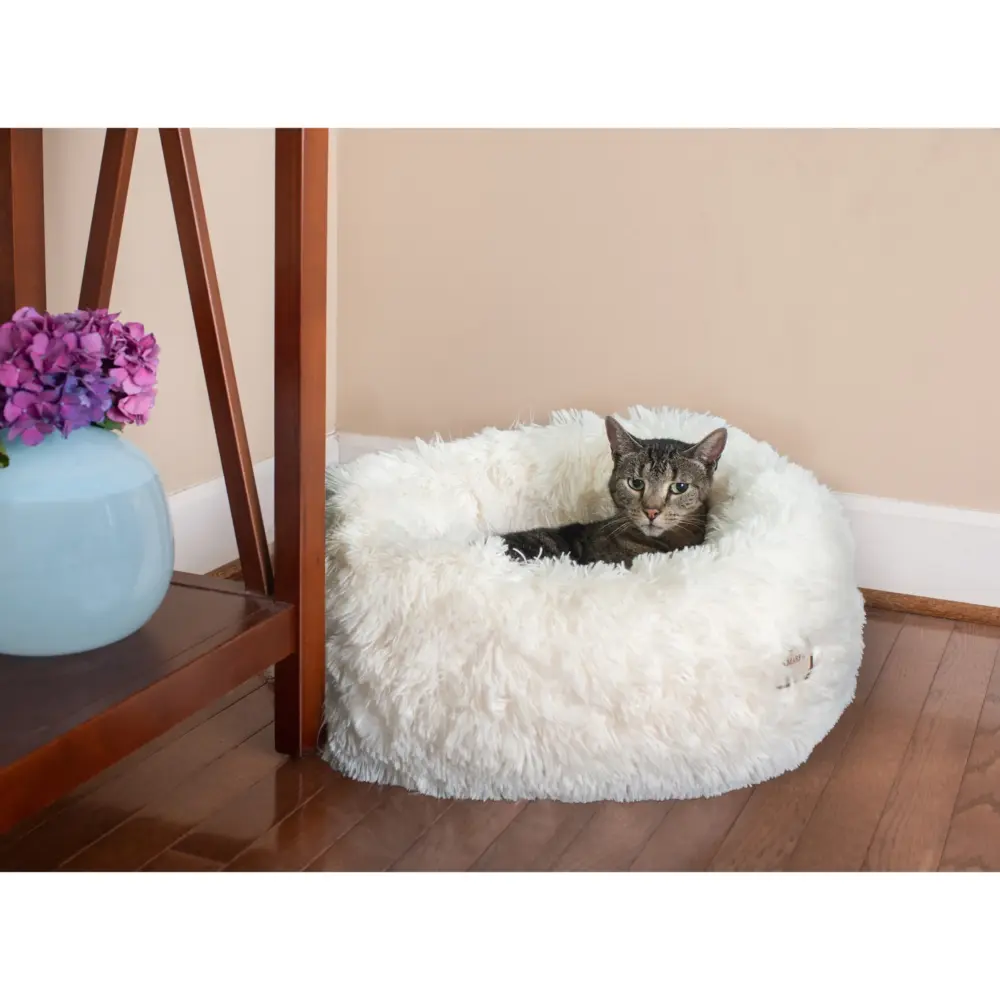
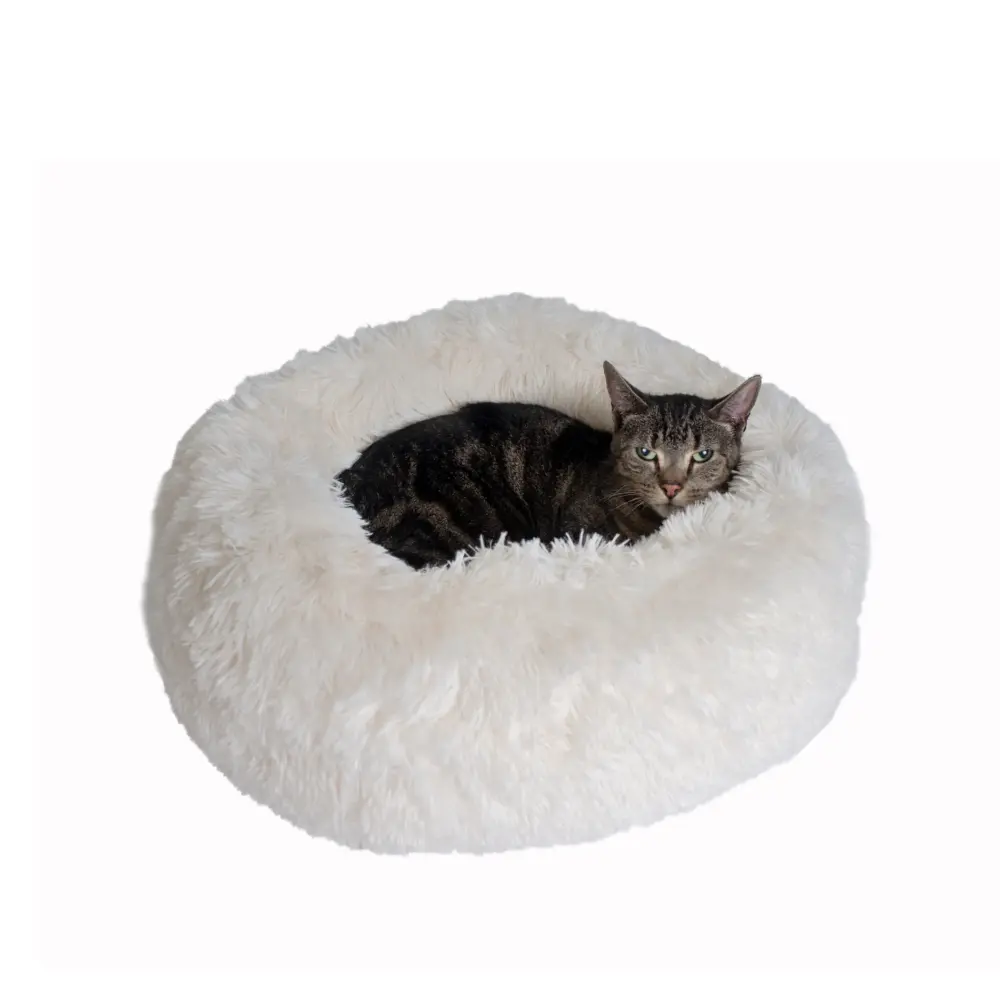
Deep plush can mat if it is washed hard. The Armarkat Ultra-Plush Cuddler Bed, for cats and small dogs, is machine washable on a gentle cycle, but hand washing is recommended to keep the plush at its best. Use the tub method below, then fluff the plush with your fingers once it is dry.
Drying a dog bed all the way through
A bed can feel dry outside and still be damp in the middle, and damp filling soon smells musty and can grow mildew. A thick bed can take a day or more, so wash it in the morning and put a spare blanket out for that night.
- Dryer: only if the label allows, on low heat, with a couple of dryer balls to stop the filling clumping.
- Air drying: in a warm room with a fan, or outdoors on a dry, breezy day. Stand the bed on its edge so air reaches both sides.
- Squeeze test: press the thickest part, such as the bolster. If it feels cool or damp, give it longer.
Put the cover back on only when both parts are dry. A freshly washed bed smells less like home, so add your dog’s usual blanket; if they still won’t settle, see our guide to getting your dog to sleep in their own bed.
Beds without a removable cover, and beds too big for the machine
Check the label: some beds with sewn-in covers can go in the machine whole; others are hand wash or spot clean only.
Spot clean and deodorize
- Vacuum the bed thoroughly.
- Blot stains with a cloth dipped in water and a little fragrance-free detergent, or with an enzyme cleaner. Don’t soak the filling.
- Wipe with a cloth dampened in clean water to lift the soap.
- Once it is dry, sprinkle baking soda thinly over it, leave it a few hours with your dog kept off, then vacuum it up.
Hand washing in the tub
For beds that can’t go in the machine, the AKC’s guide to cleaning a dog bed suggests the bathtub, with warm water and a pet-safe detergent.
- Fill the tub with warm water, or the temperature on the label, and a little fragrance-free detergent.
- Push the bed under and squeeze it gently. Don’t wring or twist it.
- Drain, refill with clean water and squeeze again until the water runs clear.
- Press out as much water as you can, roll the bed in a towel, then dry it as above.
- Rinse and clean the tub afterward.
Foam inserts and oversized beds
Most foam inserts are spot clean only, even under a machine-washable cover, because foam holds water and can tear when wrung or spun. Spot clean it and dry it flat. A bed too big for your washer may fit a large-capacity machine at a laundromat. If it won’t fit the tub either, the AKC suggests an outdoor children’s pool; otherwise spot clean it and keep a washable throw on top.
Cooling mats and wipe-clean surfaces
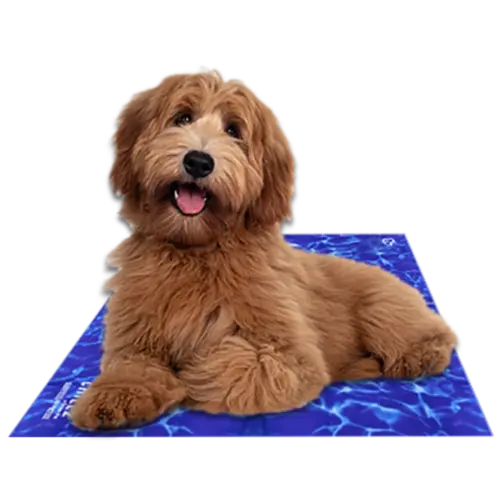
Gel cooling mats are wiped, not washed. The Green Pet Shop Chillz Cooling Gel Mat wipes clean with a damp cloth: lift off the hair, wipe the surface and towel it dry. Keep gel mats out of the washer and dryer.
Stop using any gel mat that is torn or punctured, and supervise pets that chew bedding. Pressure-activated gel recharges on its own after a few minutes unused, so it never needs the fridge or freezer.
How to get dog smell out of a dog bed, and keep it fresh
Most bed smell is skin oil, dander and hair that build up between washes, plus damp from a wet coat. These habits slow it down:
- Lay a washable throw on top and swap it weekly. It catches most of the hair and oil.
- Vacuum the bed every few days in shedding season.
- Dry your dog before bed after wet walks. Between baths, a brush and a wipe-down help; see how to clean a dog without a bath.
- Air the bed outdoors or by an open window on a dry day.
Skip scented sprays, which only cover the smell. For the couch, the carpet and the rest of the room, see our guide on how to get rid of dog smell in the house.
When a bed is past saving, buy one you can wash: a removable, machine-washable cover for a bigger dog or, for a cat or small dog, the Armarkat cuddler, machine washable on a gentle cycle with a water-resistant, skid-free base. See our beds for cats and small dogs.
-
JESPET
De-Shedding Tool for Dogs & Cats
Price range: $27.95 through $29.95
-
The Green Pet Shop
Chillz Cooling Gel Mat for Dogs & Cats
$45.95
-
Armarkat
Ultra-Plush Cuddler Bed for Cats & Small Dogs
Price range: $55.95 through $72.95


How to wash a cat bed so your cat still uses it
You wash a cat bed the same way, with fragrance-free detergent and an extra rinse. The difference is scent: a cat bed that comes back smelling of detergent, or of nothing at all, may be ignored for a while.
- Wash one bed or blanket at a time, so a familiar-smelling spot is always available.
- Put a blanket or T-shirt your cat already sleeps on back in the clean bed.
- Return the bed to the same place.
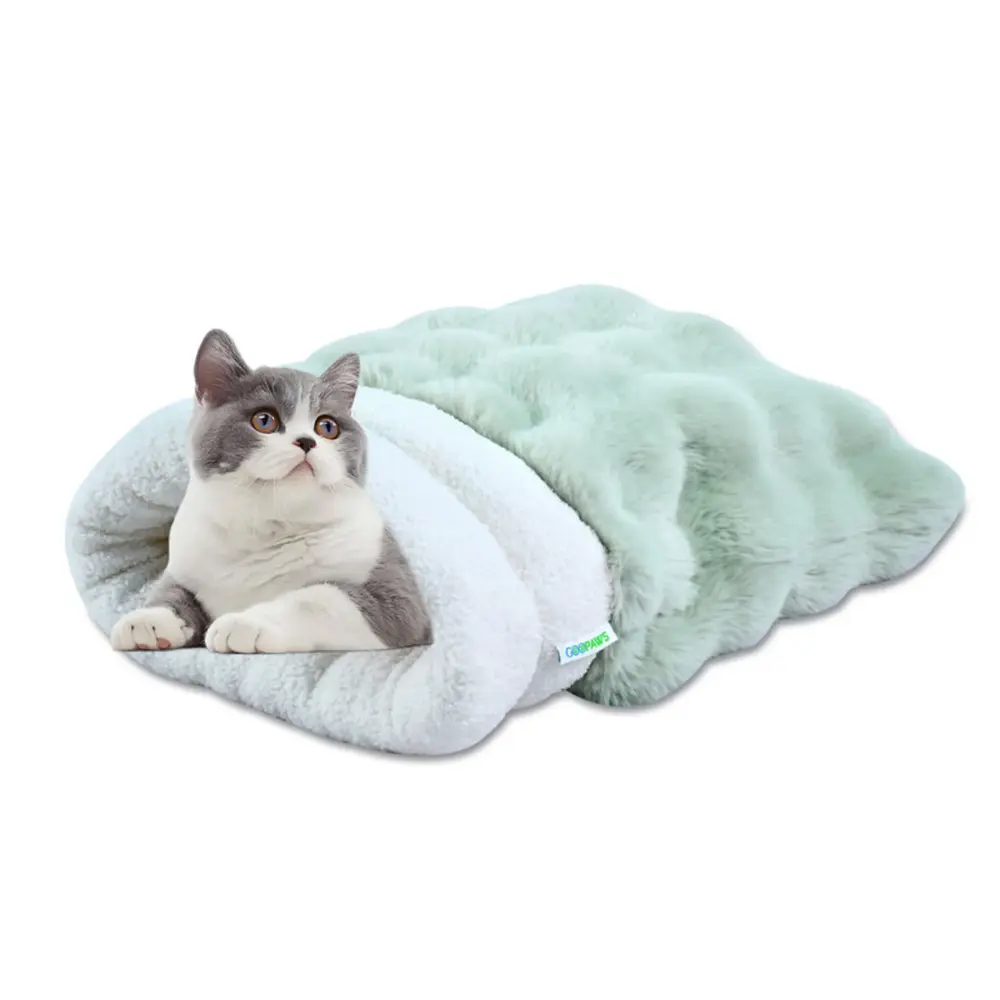
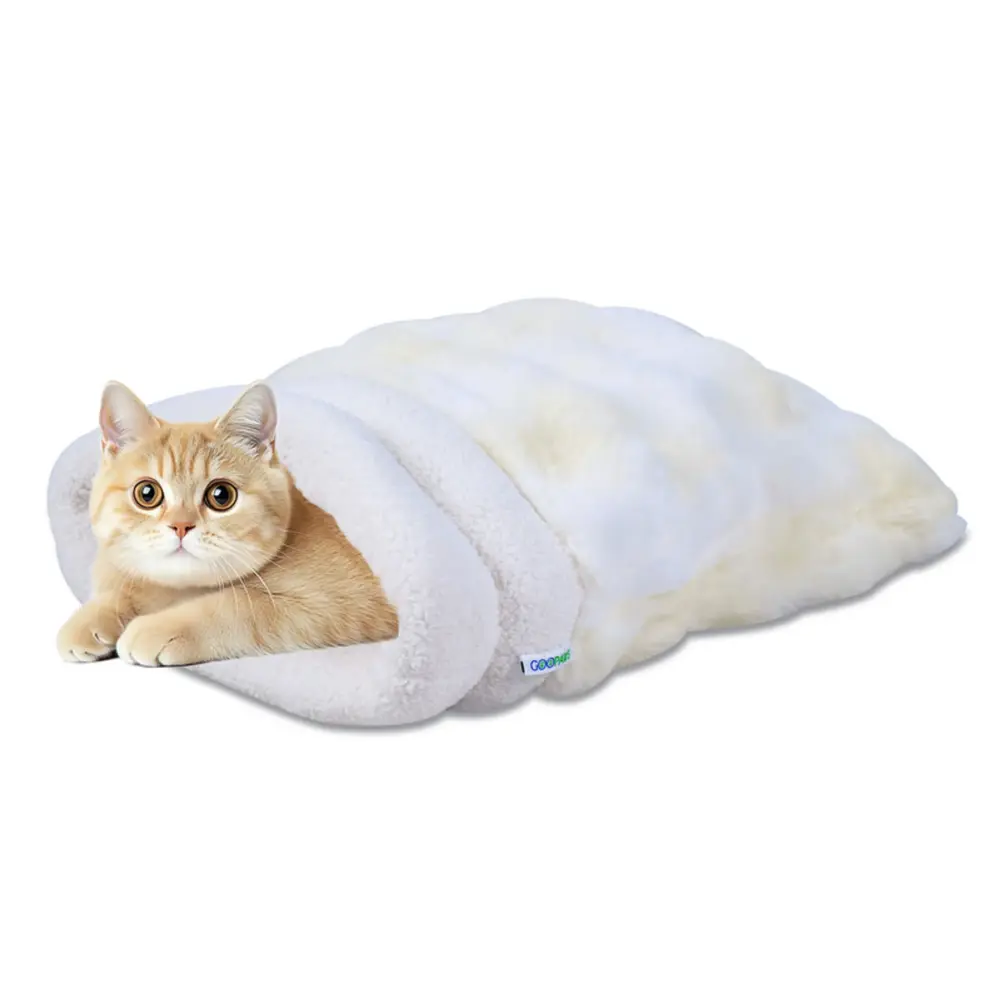
For the GOOPAWS 4-in-1 Self-Warming Cat Cave Bed, with its faux rabbit fur top and cotton filling, follow the care label on the bed. For shape and placement, see our guide to choosing a cat bed your cat will actually use, or browse more beds and comfort guides.
If washing is a frequent problem, the next bed is worth choosing for it. Waterproof dog beds: what to look for explains which layer actually stops liquid.
Dog bed washing FAQ
Can you put a dog bed in the dryer?
Only if its care label allows it, and on low heat for routine washes. To disinfect after illness, the CDC suggests the highest dryer heat for 30 minutes, for items whose label allows high heat.
What kind of detergent should I use on a dog bed?
A fragrance-free, dye-free laundry detergent at the normal dose; the CDC notes these may suit pets with sensitive skin better. Skip fabric softener, and skip bleach unless the label allows it.
Should you wash a dog bed in hot or cold water?
Use the warmest water the care label allows. Hot washes help kill germs and parasites, the AKC notes, but some covers and deep plush shrink or mat, so the label wins. For a cover labeled cold only, a cold wash with an extra rinse still lifts everyday dirt.
Can you wash a dog bed with your other laundry?
The CDC says it’s fine to wash pet items with your clothes. A bed washed on its own, though, keeps hair off the rest of the load and has room to rinse.
Why does my dog’s bed still smell after washing?
Usually the filling is still damp, detergent was left in the fabric, or the smell is in an insert that wasn’t washed. Rewash with less detergent and an extra rinse, spot clean the insert, and dry everything fully; if that fails, the filling may need replacing. If the smell comes back within a day or two and seems to come from your dog, ask your veterinarian.
Related guides
-
Checklist
When to Replace a Dog Bed: 7 Signs, Plus Cat Beds and Gel Mats
A checklist for deciding when a dog or cat bed is past saving: the fold-and-press test for flat filling, smells that return after a proper wash, tears that put a chewer at risk, worn bases, rims and gel mats, a pet who has outgrown the bed, and what only needs a wash.
-
Guide
How to Choose a Cat Bed Your Cat Will Actually Use
Choose a cat bed by watching how your cat already sleeps: caves for hiders, cuddlers for curlers and a cooling mat for hot days. Plus where to put the bed so your cat is more likely to use it.
-
Buying guide
Gifts for Senior Dogs and Cats: Warmth, Gentle Care and Easy Outings
Gifts that make life a little easier for an older dog or cat, chosen from our catalog: warm beds for cats and small dogs, a gentle brush for older coats, a lick mat, a cooling mat for warm sleepers and a backpack for small seniors who tire, plus what to skip and what needs a vet.