How to Clean a Dog Without a Bath: Brushing, Wipes and Spot Cleaning Between Baths
To clean a dog without a bath, brush the coat to lift out dirt and loose hair, wipe your dog one body zone at a time with a large pet wipe, spot-clean anything muddy with a damp cloth, and towel dry whatever got wet. It takes five to ten minutes and keeps many dogs fresh between baths, which helps in winter, in a small apartment or with an older dog who struggles in the tub. A dog who has rolled in something, or smells again a day later, still needs a real bath or a veterinarian’s opinion.
Short answer: brush out the dirt, wipe zone by zone, and dry what you dampen
Order matters more than products: brushing first means the wipes collect grime instead of pushing it around, and drying last stops a damp coat chilling your dog.
- Brush the whole coat, outdoors or over an old towel.
- Wipe each body zone with a fresh pet wipe, face first and tail last.
- Spot-clean muddy legs, a dirty belly or a messy bottom with a damp washcloth.
- Dry anything damp with a towel, pressing rather than rubbing.
When a bath can wait, and when it can’t
Can pet wipes replace a bath? Not entirely, but they stretch the time between baths. Brushing and wipes clean the surface of the coat; a bath with a dog shampoo rinses it down to the skin.
A between-bath clean is enough for dust, a mild doggy smell or a little yard mud. Give a proper bath when:
- Your dog has rolled in something foul or met a skunk. If the spray hit the eyes, call your veterinarian.
- Mud or dirt has soaked through most of the coat to the skin.
Call your veterinarian first when:
- Something oily, sticky or unknown is on the coat. Keep your dog from licking it while you call.
- A smell comes back within a day or two of cleaning, or seems to come from the ears, mouth or skin rather than the coat.
- The skin looks greasy, flaky or red, or your dog keeps scratching, licking or shaking their head. These can point to a skin or ear problem that wiping won’t fix.
Step one: brush first to lift dirt and loose hair
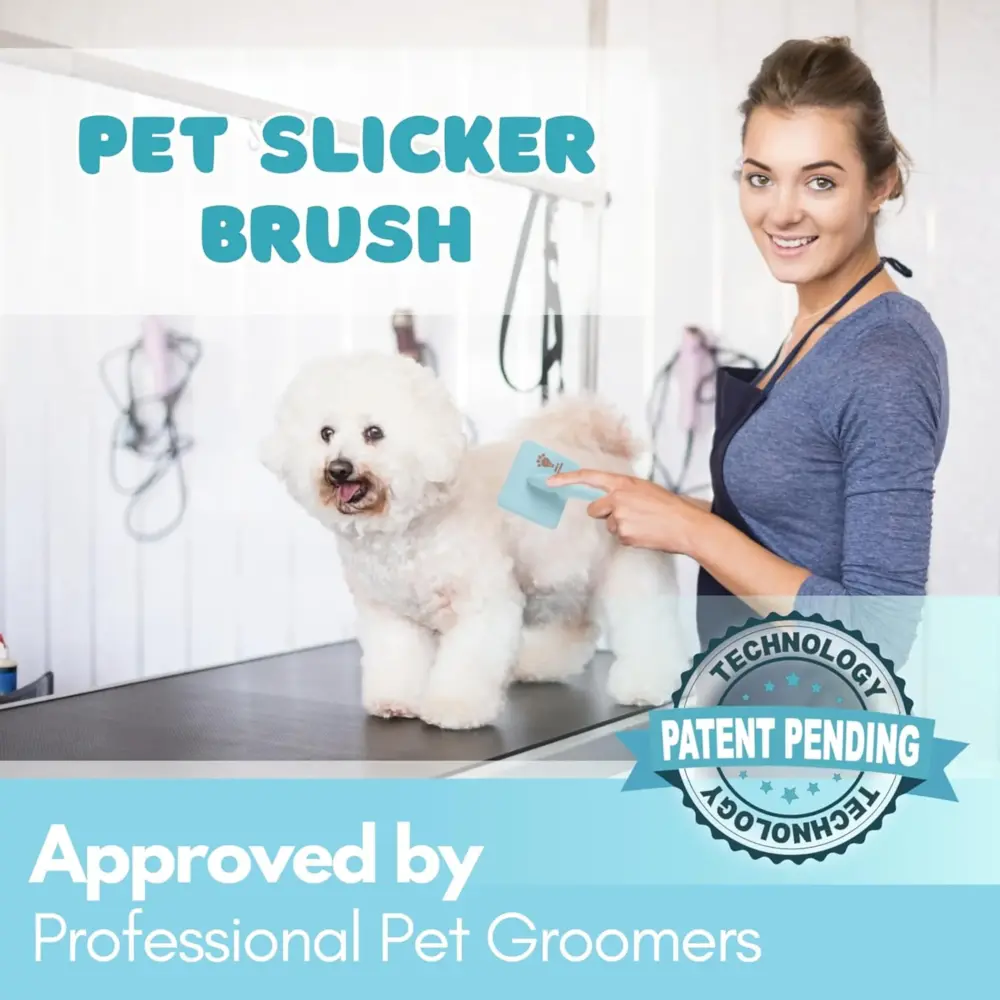
Brushing does much of the cleaning: it pulls out loose hair that holds dust and odor, lifts dried dirt off the skin and spreads the coat’s natural oils. Match the brush to the coat; our comparison of slicker brushes and deshedding tools explains which coats need which.
Let caked mud dry first: dry mud crumbles and brushes out, while wet mud smears deeper. Paws and road salt are the exception; clean those as soon as you get in.
Short coats: a mist brush
The 3-in-1 Steam Grooming Brush releases a fine water mist from a small refillable tank as you brush, which settles loose hair and dander onto its soft silicone pins. It is made for cats and short-haired dogs. Fill it with clean water, brush with the lie of the coat in short strokes and keep the mist away from the face; with a wary dog, start without the mist.
Medium and long coats: a curved slicker
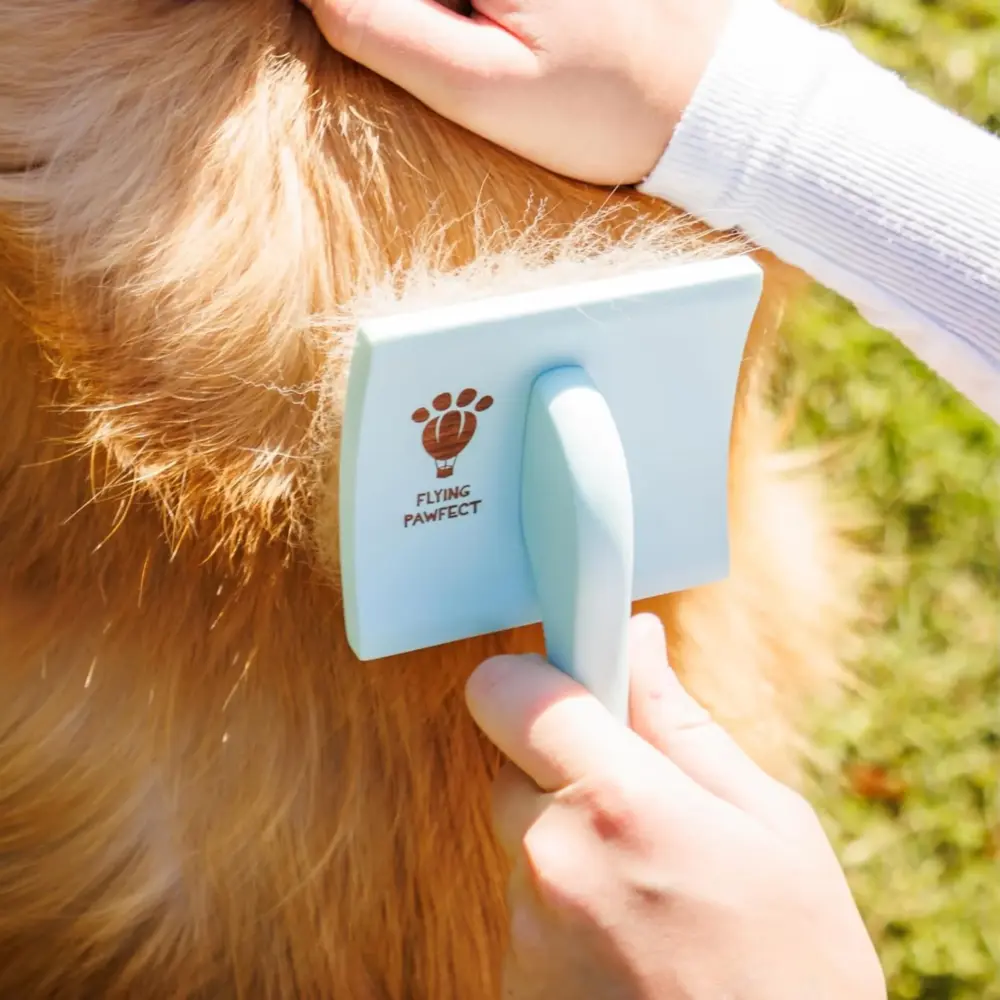
The Sakabase Curved Slicker Brush has a curved head and fine, firm pins that reach the undercoat on long and thick coats and work through tangles. Work in sections with light pressure; for a small knot, hold the hair at the base and brush from the ends inward. Don’t wipe or dampen a tight mat close to the skin, since moisture gets trapped in it; our guide to getting mats out of dog hair explains when to call a groomer.
Step two: one wipe per body zone
Once a wipe turns gray, it stops cleaning and starts spreading dirt. Use a fresh one for each zone, working from the cleanest areas to the dirtiest, so nothing from the paws or bottom reaches the face. A large wipe covers a zone on most small and medium dogs; a big dog’s back and sides may take two.
- Face. With a clean corner, wipe the fur around the eyes, moving away from the eye and never over it, then the muzzle, chin and lips.
- Outer ears. Wipe the ear flap and the folds you can see, never into the ear canal.
- Neck, chest and front legs. Slip the collar off indoors; the fur under it collects grime.
- Back and sides. Use long strokes with the lie of the coat rather than scrubbing.
- Belly and back legs. Lift each leg gently; the belly and inner thighs collect the most from wet grass.
- Paws. Wipe the pads and between the toes. For mud or road salt, follow our routine for cleaning dog paws after a walk.
- Bottom and tail. Finish with a fresh wipe, wiping away from the body.
Keep a treat handy for the face and ears, which most dogs like least.
Mr. Peanut’s Naturals Pet Wipes come 150 to a container, each 6 × 10 in, and are described as thicker and more durable than standard pet wipes, so one should cover a zone without tearing. They are sold as 4-in-1 wipes for around the eyes, ears, paws and coat, made in the USA with natural ingredients.
-
3-in-1 Steam Grooming Brush for Cats & Dogs
$36.95
-
Mr. Peanut’s
Naturals Pet Wipes
$26.95
-
Sakabase
Curved Slicker Brush
$39.95



Spot cleaning muddy legs, bellies and bottoms
Spot cleaning means washing just the dirty patch: mud a wipe can’t shift, a puddle-soaked belly or a mess under a long-haired tail. Here is how to spot clean a dog:
- Stand your dog on an old towel and wring out a washcloth dipped in lukewarm water until it is damp, not dripping.
- Work it through the dirty patch in the direction the hair grows, rinsing the cloth often. For muddy legs, a shallow basin of lukewarm water lets you rinse one leg at a time.
- If water won’t shift it, add a drop of dog shampoo to the basin, then rinse the patch with clean water so nothing is left to lick off.
- Press the water out with a dry towel, then brush the patch once it is dry.
Around the bottom, soften anything stuck in long hair with the damp cloth rather than pulling it out. Ask your veterinarian if your dog scoots, licks the area a lot, or it looks red or sore.
Then dry what you dampened: damp fur chills a dog on a cold day and holds wet-dog smell. Towel the belly, armpits and between the toes, and keep your dog off the furniture until the coat is dry to the roots.
Baby wipes, waterless shampoo and other shortcuts
- Wipes made for people. Baby and makeup wipes are made for human skin, disinfecting wipes for countertops. Use pet wipes or a damp cloth.
- Waterless or no-rinse shampoo. One labeled for dogs helps with a larger dirty patch. Follow the label, keep it off the face and skip dry shampoo made for people.
- Baking soda or cornstarch. Often suggested as a homemade dry shampoo. If you try it, use a little, keep it off the face and brush it all out; whatever stays in the coat gets licked off.
- Perfume, scented sprays and essential oils. They mask odor rather than remove it. Essential oils are riskier still: the AKC warns that oils applied to a dog can irritate the skin and poison a dog who licks them off.
So how do you make a dog smell good without a bath? Remove what smells instead of adding a scent: brush, wipe, dry fully and wash what your dog lies on. If the whole home smells of dog, see our guide to getting rid of dog smell in the house.
How to clean a dog without a bath in five minutes: a weekly routine
Keeping a dog clean between baths is mostly about rhythm:
- After every muddy, wet or salty walk: paws, legs and belly, then a towel dry.
- Once a week, the full routine: about five minutes on a short coat. Brush for two, wipe zone by zone for two, and use the last to dry and check the ears, eyes, skin and pads.
- Long or thick coats: allow longer and brush more often; see how often to brush a dog by coat type.
- Bedding, weekly: a clean dog on a dirty bed soon smells like the bed; see how to wash a dog bed, including beds that don’t unzip.
For a stiff or older dog, let them lie on a folded towel and split the routine into two short sessions. For more coat care, browse our grooming and shedding guides.
Dog cleaning FAQ
Can I use baby wipes on my dog?
It is better to use a wipe made for pets. Dogs lick their paws and coats, so whatever a wipe leaves behind gets swallowed, and products made for people can contain fragrances or other ingredients that may irritate a dog’s skin. If you have no pet wipes, a soft cloth dampened with plain lukewarm water works.
How often should I bathe my dog?
It depends on the coat, the skin and how dirty your dog gets. The ASPCA’s dog grooming tips recommend a bath at least once every three months, and more often for dogs who spend a lot of time outdoors or have skin problems. If your dog has a skin condition, follow your veterinarian’s advice.
How do I clean my dog’s face without a bath?
Use a fresh pet wipe or a cloth dampened with lukewarm water, working from around the eyes out to the muzzle and chin. On a bearded dog, comb out food first. On a flat-faced dog, clean inside the skin folds and pat them completely dry, and ask your veterinarian about redness, discharge or a smell from the folds.
Do dogs need fewer baths in winter?
Many can go longer between baths in winter with weekly brushing and wipe-downs, and a thick coat is slow to dry in the cold. Salt, slush and mud still need rinsing off the paws and legs promptly. When you do bathe, use lukewarm water, dry the coat right down to the skin and keep your dog indoors until fully dry.
Related guides
-
Checklist
Dog Grooming Checklist: The Essentials by Week, Month and Season
Every home grooming job sorted by how often it comes around: brushing by coat, a weekly nose-to-tail check, teeth, nails and paw fur, after-walk cleanups, baths and shedding season, plus what to skip and which jobs to hand to a groomer or veterinarian.
-
How-to
How to Groom a Senior Dog at Home: Brushing, Nails and Lump Checks
Many older dogs tire of standing, and shorter walks wear their nails down less. Here is how to set up a comfortable spot, brush gently by coat type, keep nails short, clean up between baths, check for lumps as you go and know when a groomer or veterinarian should take over.
-
How-to
How to Get a Puppy Used to Grooming: Touch, Brushing and the Groomer
Short, rewarded sessions that teach a puppy to accept grooming before any dislike sets in: touch for paws, ears, mouth and tail, a first brush matched to the coat, wipes between baths, groomer practice at home, and the signs your puppy needs a break.