How Often Should You Brush Your Dog? A Schedule by Coat Type
How often to brush a dog comes down to the coat. Smooth, short coats need about one session a week, double coats one to three, and long, silky or curly coats daily or close to it; wire coats get a weekly brush plus a groomer’s help. Most sessions take 5 to 15 minutes; split anything longer into shorter ones.
Short answer: from once a week to every day, depending on the coat
Find your dog’s coat below, then add sessions in shedding season, after muddy walks and whenever you find knots. Mixed coat? Follow the most demanding type: a doodle with a wavy, fleecy coat is brushed like a curly one.
- Smooth or short single coat (Boxer, Basset Hound, smooth Chihuahua): hair lies flat, with no soft layer underneath. Once a week.
- Double coat: a soft, woolly undercoat under coarser outer hair. Once a week for short ones like a Labrador’s; two or three times a week for longer, thicker ones (Golden Retriever, German Shepherd, Siberian Husky).
- Long or silky coat (Yorkshire Terrier, Shih Tzu, Maltese): every day.
- Curly coat (Poodle, Bichon Frise, many doodles): every day or every other day, plus regular trims by a groomer.
- Wire coat (many terriers, Schnauzers): harsh, springy outer hair. Once a week, plus hand-stripping or clipping by a groomer.
How often to brush a dog, coat by coat
These baselines match the ASPCA’s dog grooming tips: weekly for smooth and short, dense coats, daily for long, silky ones. For a side-by-side look at the tools, see our guide to choosing between a slicker brush and a deshedding tool.
Smooth, short coats: once a week
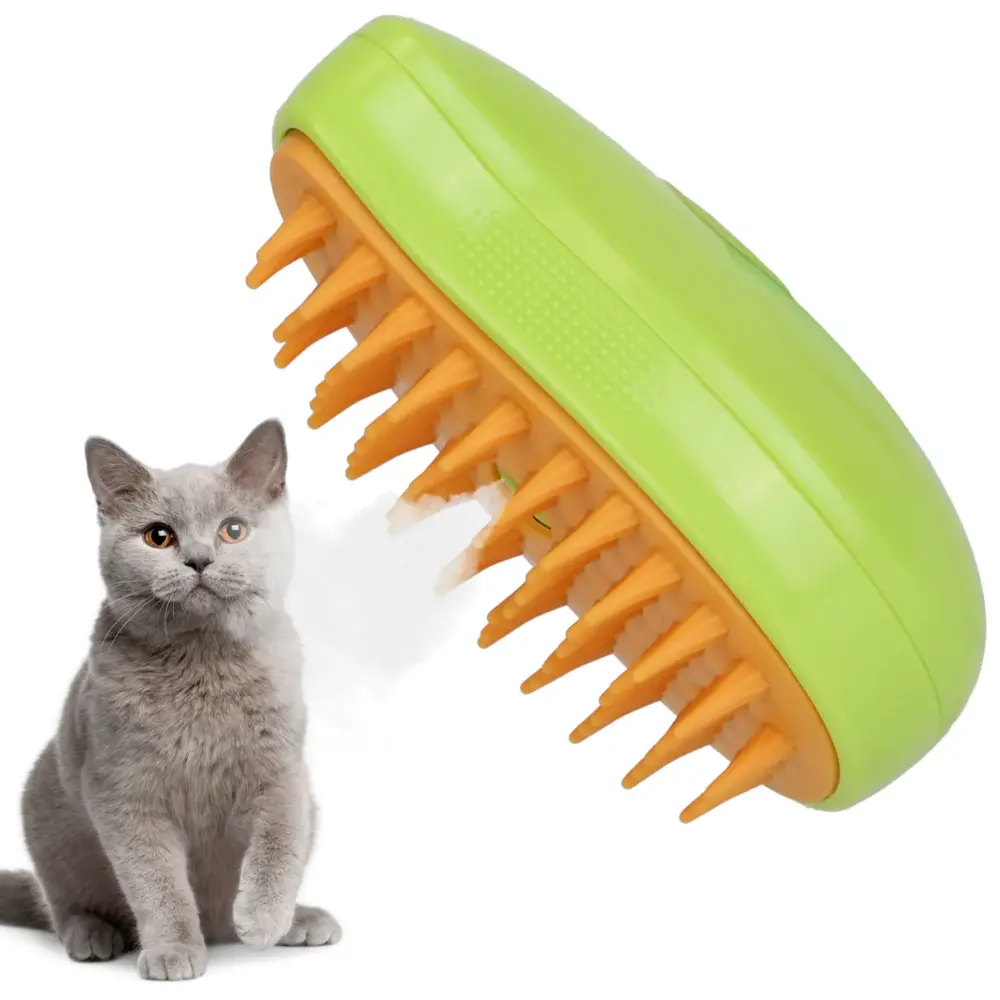
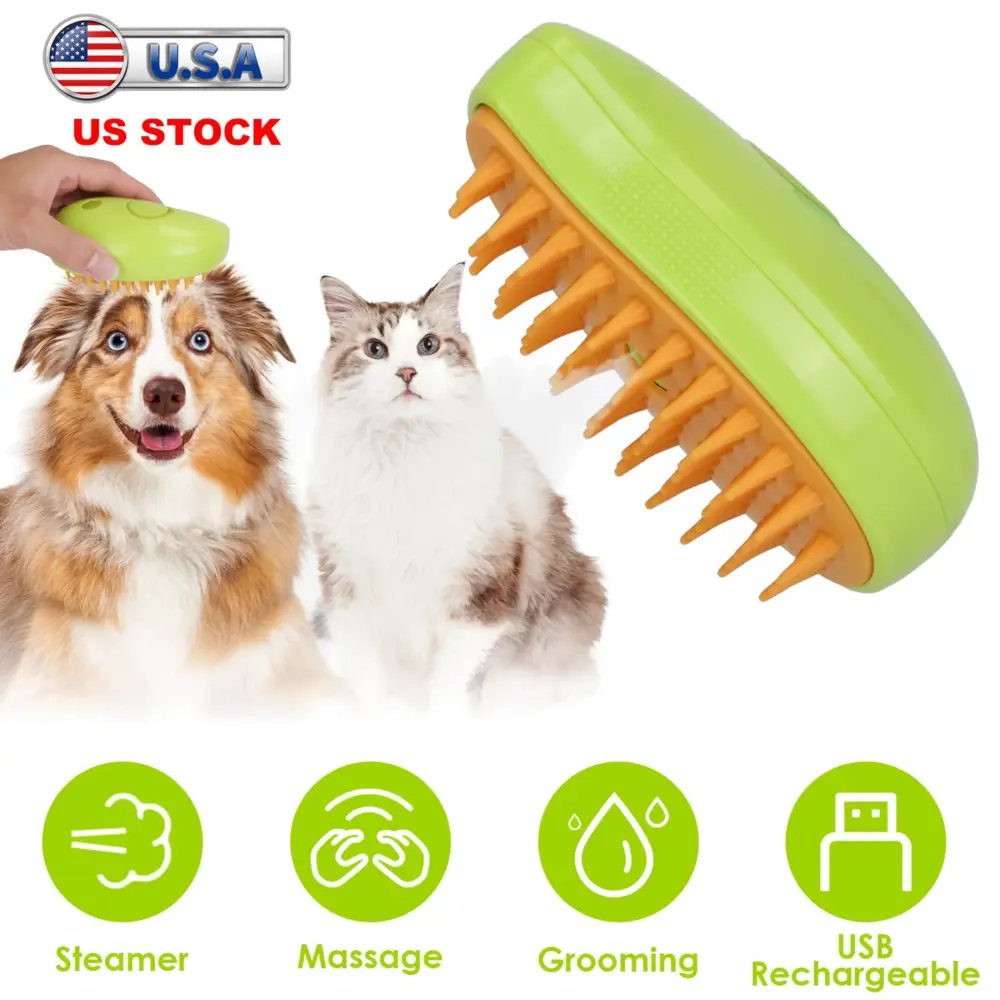
Short coats rarely tangle, but many shed all year. A weekly brush lifts out loose hair and dust and works the skin’s natural oils through the coat. A soft brush or the 3-in-1 Steam Grooming Brush suits it: soft silicone pins, plus a fine water mist that settles loose hair and dander as you brush.
Double coats: one to three times a week
A double coat has a soft, dense undercoat beneath longer, coarser guard hairs. The undercoat does most of the shedding, in large amounts when the seasons change. On a longer double coat, brush out tangles with a slicker first, then use the JESPET De-Shedding Tool, whose stainless-steel edge reaches through the topcoat to lift loose undercoat; it comes in Small and Large. A short double coat like a Lab’s rarely tangles, so the slicker step can be a quick once-over.
Long or silky coats: every day
Long hair tangles fast behind the ears, in the armpits, on the belly and along the backs of the legs, and a small tangle left for a few days can tighten into a mat. Daily brushing keeps each session short; skip a few and the next one takes longer and pulls more.
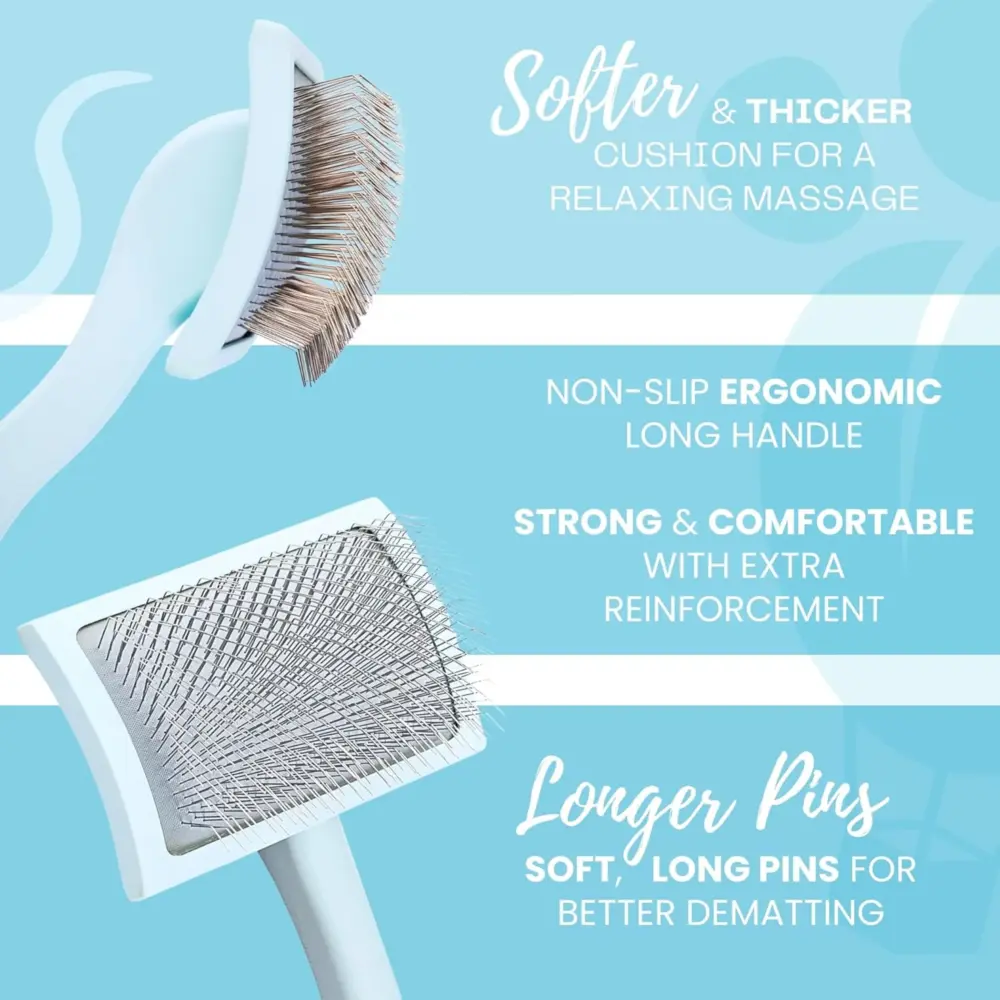
The Sakabase Curved Slicker Brush is made for medium to long hair: its curved head puts more of its fine, firm pins on the coat with each stroke. If a knot has already become a mat, don’t cut it out with scissors: skin gets pulled up into a mat and is easy to nick. For small mats, see how to get mats out of dog hair at home; leave tight ones to a groomer.
Curly coats: every day or every other day
Poodle-type coats drop little hair on the floor because loose hairs stay caught in the curls, which is why they mat so easily, often close to the skin where you can’t see it. Brush right down to the skin with a slicker in small sections, keeping the pins light where they meet it, then run a metal comb through: if it glides from root to tip, that section is done.
Length sets the pace, for curly and long coats alike: just after a short trim, every other day often keeps up; as the coat grows out, move toward daily. We don’t sell combs, so you’ll need a metal one from elsewhere.
Wire coats: once a week, plus a groomer
Many terriers and Schnauzers have a harsh, wiry outer coat over a softer undercoat. A weekly brush lifts dead hair and catches tangles in the beard and leg hair. The wiry texture is maintained by hand-stripping, pulling out dead outer hairs by hand, which is usually a job for a groomer who knows the breed; clipping is simpler but tends to soften the coat. We don’t sell stripping tools; your groomer can advise.
Brushing a cat too? See how often to brush a cat with a short or long coat.
-
3-in-1 Steam Grooming Brush for Cats & Dogs
$36.95
-
JESPET
De-Shedding Tool for Dogs & Cats
Price range: $27.95 through $29.95
-
Sakabase
Curved Slicker Brush
$39.95



How long each brushing session should take, and how to split it up
Rough times for a medium-sized dog (less for a small dog, more for a large one):
- Smooth coat: about 5 minutes.
- Double coat: about 10 minutes for a short one, 15 to 20 for a long, thick one.
- Long, silky or curly coat: 10 to 15 minutes a day once the coat is tangle-free, longer while you catch up.
- Wire coat: about 10 minutes a week.
Rather than watching the clock, check the brush: when it travels through a section without catching and comes away with only a few hairs, move on.
A 40-minute brush-out is a lot to ask of most dogs, and of your wrist. If your dog needs more than 10 or 15 minutes, split the coat into zones and spread them over the day or the week:
- Head, ears, neck and chest.
- Back, sides and tail.
- Belly and armpits, with your dog lying on their side.
- Legs, front and back.
Stop while your dog is still relaxed, not once they wriggle, and finish with a treat.
Signs you need to brush more often: a quick checklist
Add a short session each week if you notice any of these:
- Your dog leaves a hair outline on their bed, or a fresh layer covers the couch each evening (for the cleanup, see how to get dog hair off a couch).
- Running your fingers backward over the hips brings up a puff of loose undercoat, or fluffy tufts poke out along the sides.
- The hair under the collar or harness feels lumpy when you slide two fingers under the strap.
- The brush stops partway down the backs of the thighs, the tail or the ears.
- Burrs or grass seeds are still in the coat or between the toes the day after a walk.
Some changes are not a brushing problem. Ask your veterinarian about bald patches, red, flaky or broken skin, sores, constant scratching or licking, a strong smell from the skin, or a sudden change in shedding with no seasonal reason, and about any grass seed that has worked into the skin, an ear or between the toes.
Puppies and senior dogs: shorter, more frequent sessions
Puppies. A puppy’s coat often needs little, but the habit matters. Start with a minute or two with a soft brush a few times a week, when your puppy is sleepy, and reward calm with small treats. Touch the ears, tail and paws each time so handling feels normal, which pays off at nail time (see how to use a dog nail grinder). Once the adult coat grows in, switch to that coat’s schedule.
Senior dogs. Older dogs may have thinner skin, stiff joints and less patience for standing. Let them lie on a bed or mat, use lighter pressure, and choose two or three short sessions over one long one. Brushing is also a good time to feel for new lumps, sore spots or changes in the coat; mention anything new to your veterinarian.
A weekly brushing plan you can actually keep
The best brushing schedule for dogs is the one that survives a busy week. Tie it to something you already do, such as the evening walk, and keep the brush where you’ll see it.
- Every day (long, silky and curly coats): one 10- to 15-minute session, or two shorter ones on different zones.
- Two or three days a week (longer double coats): a full slicker pass, with the de-shedding tool after it on one of those days.
- Once a week (every dog): a full brush-down for smooth, short double and wire coats, and a look at the skin, ears, paws and nails for all.
- Spring and fall: add short extra sessions while double-coated dogs shed heavily; see dog shedding season and when dogs blow their coat.
Missed a week? Work through the tangles in short sessions over a few days rather than one marathon. Browse our dog and cat grooming tools, or find more grooming and shedding guides.
Dog brushing FAQ
Do short-haired dogs need to be brushed?
Yes, about once a week. Short coats still shed, and a weekly pass with a soft or mist brush clears loose hair before it reaches your floor and gives you a regular look at the skin.
Can you brush a dog too much?
Daily brushing is fine for most dogs if it’s gentle and the brush suits the coat; the trouble is pressure and repetition. Going over one spot again and again, or pressing hard with a slicker, can leave the skin red and sore, and a de-shedding tool used too often can thin the topcoat. Keep strokes light, move on once a section is done, and ask your veterinarian about redness that doesn’t settle.
Should I brush my dog before or after a bath?
Before, and again afterward. VCA Animal Hospitals advises brushing out burrs and tangles before bathing, because tangles are much harder to remove once the coat is washed. Wait until the coat is completely dry for the second brush, which picks up the hair the bath loosened; wet tangles tighten and pull.
How do I brush a dog who won’t sit still?
Brush after a walk, when your dog is tired, and start with a minute or two. Let your dog lie down and give them something to do: a helper feeding small treats, or a lick mat such as the SodaPup Jigsaw Enrichment Lick Mat spread thinly with wet food. If your dog flinches, growls or snaps when one area is touched, stop and ask your veterinarian, since that spot may be sore.
Related guides
-
How-to
How to Brush a Dog That Hates Being Brushed, One Stroke at a Time
For the dog who runs, squirms or mouths the brush: rule out mats and pain, choose a gentler brush for the coat, set up non-slip footing and a lick mat, then build from one rewarded stroke to a full brush-out, stopping at the first sign of stress.
-
Buying guide
Best Brush for Cats: Choosing by Coat, Undercoat and Temperament
Which brush suits your cat: soft silicone pins, a slicker or a de-shedding tool? Match the tool to coat length, undercoat, skin, age and temperament, see which brush we stock for each coat, and spot the signs that a brush is the wrong one.
-
How-to
How to Groom a Senior Dog at Home: Brushing, Nails and Lump Checks
Many older dogs tire of standing, and shorter walks wear their nails down less. Here is how to set up a comfortable spot, brush gently by coat type, keep nails short, clean up between baths, check for lumps as you go and know when a groomer or veterinarian should take over.