Grooming & Shedding Checklist
Dog Grooming Checklist: The Essentials by Week, Month and Season
Short answer
Brush smooth coats weekly and long or curly ones up to daily, and check the whole body once a week. Brush teeth at least three times a week, trim nails every three to four weeks and bathe most dogs every one to three months. The kit is short: one or two brushes, a nail tool, wipes and dog toothpaste.
The dog grooming checklist at a glance
Home grooming is a handful of small jobs on different clocks. The coat decides how often you brush; nearly everything else is the same for every dog:
| Job | How often | What you need |
|---|---|---|
| Brushing | Weekly to daily, by coat | A brush that suits the coat |
| Body check | Weekly | Your hands and good light |
| Eyes and face | Weekly, or as needed | Damp cloth or a pet wipe |
| Ears | Look and sniff weekly | Cotton balls; cleaner if vet advises |
| Teeth | Ideally daily, at least 3 times a week | Dog toothbrush and toothpaste |
| Nails | Every three to four weeks | Grinder or clippers, styptic powder |
| Paw fur | Every few weeks, if long | Small blunt-tipped scissors |
| After walks | After mud, salt or burrs | Paw cup, wipes, a towel |
| Baths | Every one to three months | Dog shampoo, towels, a brush |
| Shedding | Spring and fall, double coats | A de-shedding tool |
Choosing a brush is a one-time job: our guide to the types of dog brushes matches each kind to a coat, and most dogs need one or two.
Tip
Keep a simple log on your phone: the date of each nail trim and bath, and anything new from the weekly check, such as where a lump is and roughly how big. It shows you when each job is due, and it gives your veterinarian a timeline if something changes.
Weekly to daily: brushing by coat
Brushing sets the pace for the rest of the routine, because a tangle left for a few days can tighten into a mat and loose undercoat ends up on the sofa. Find your dog’s coat below; session lengths, mixed coats and the reasons behind each pace are in how often to brush a dog.
- Smooth coat (Boxer, Boston Terrier, smooth Chihuahua): once a week.
- Short double coat (Labrador-type): once a week, with extra de-shedding passes while the undercoat is coming out.
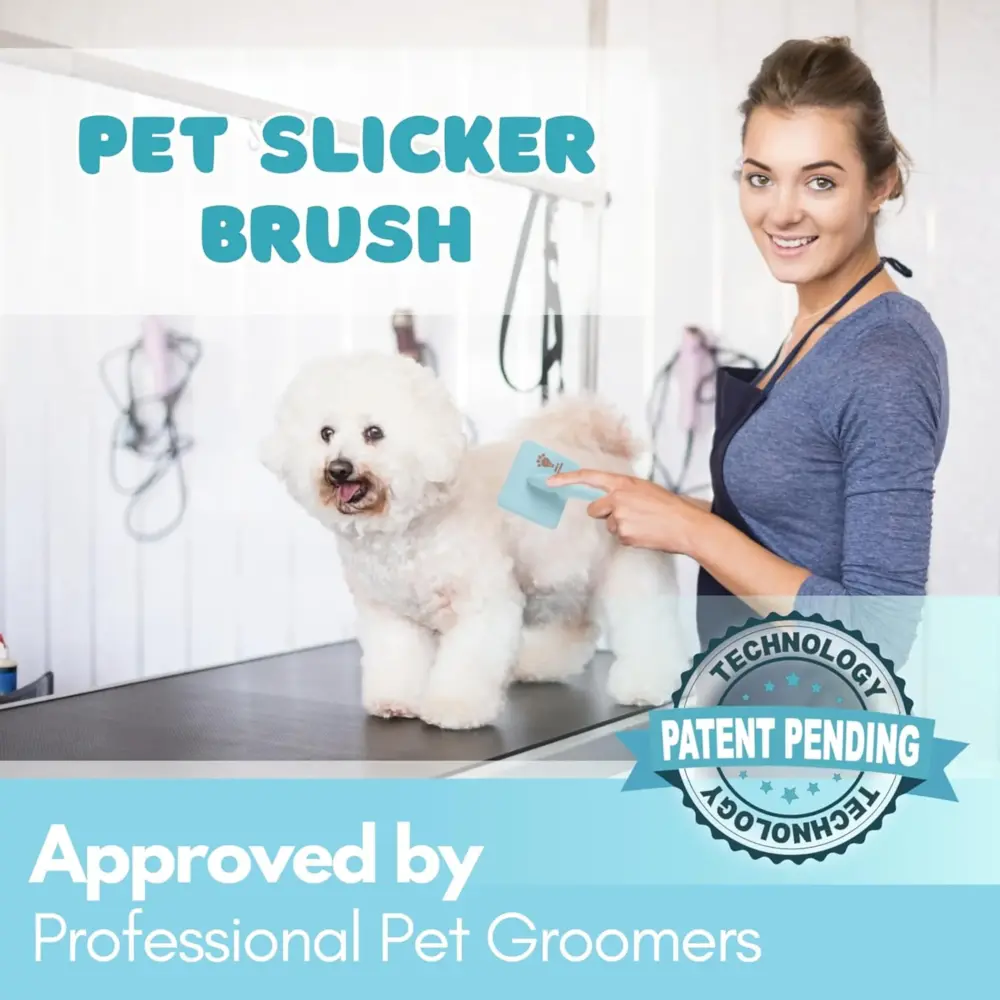
- Long double coat (Golden Retriever, German Shepherd, Husky): two or three times a week, a slicker first and then a de-shedding tool.
- Long, silky coat (Yorkshire Terrier, Shih Tzu, Maltese): every day.
- Curly coat (Poodle, Bichon Frise, most doodles): daily or every other day, down to the skin, finished with a metal comb.
- Wire coat (Schnauzers, many terriers): once a week, plus hand-stripping or clipping by a groomer.
Whatever the coat, give extra strokes where friction and moisture start tangles: behind the ears, under collar and harness straps, in the armpits and along the backs of the thighs and tail. If the brush catches in the same place every week, brush there more often.
For coats that tangle or shed heavily, these are the two tools we stock. Picks are limited to Nilosi’s catalog; we don’t sell combs, rubber brushes or clippers, so those come from elsewhere.
-
Sakabase
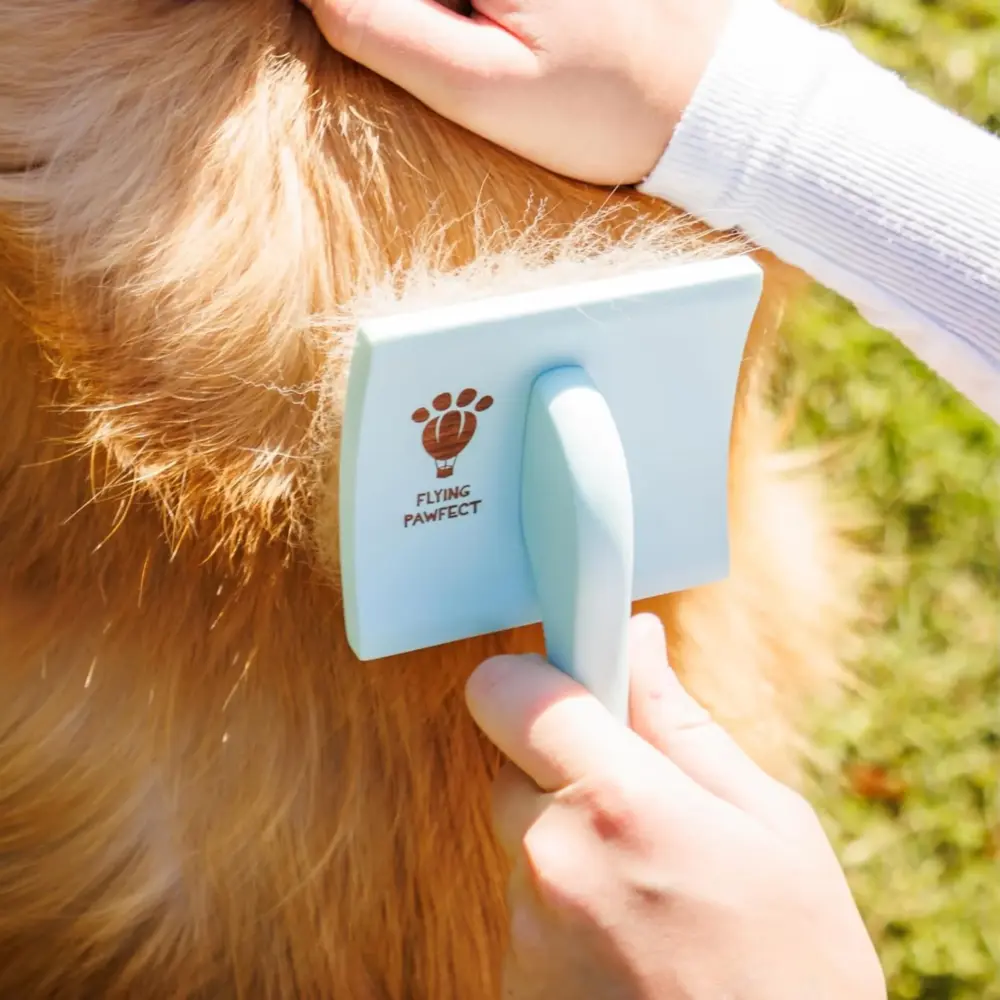
Curved Slicker Brush, View product
$39.95
Why it fits: Suits the frequent brushing medium and long coats need; fine, firm pins on a curved head reach the undercoat and work out tangles.
-
JESPET
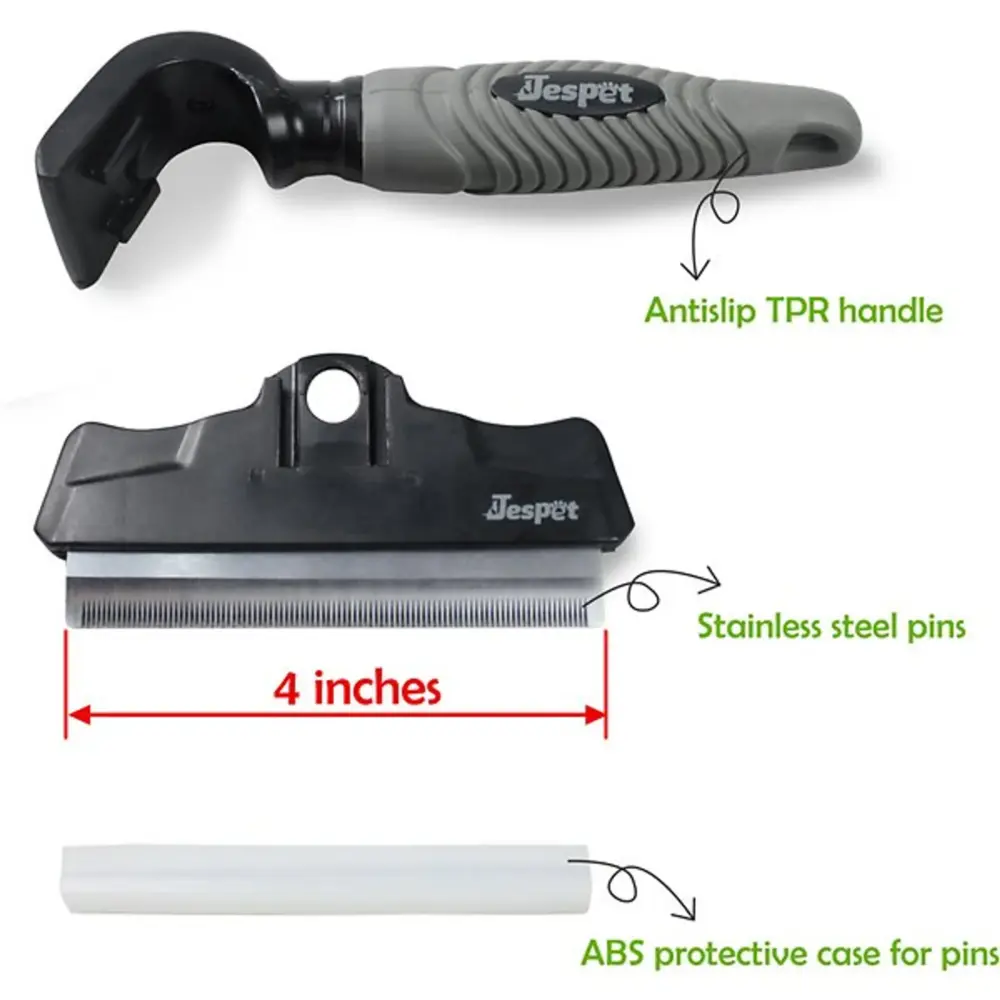
De-Shedding Tool for Dogs & Cats, Choose size
Price range: $27.95 through $29.95
Why it fits: Covers the extra passes a double coat needs in a seasonal shed; a stainless-steel edge lifts loose undercoat. Comes in Small and Large.


A smooth coat needs neither. A rubber brush does the job, or our 3-in-1 Steam Grooming Brush, which has soft silicone pins and releases a fine water mist that settles loose hair as you brush.
Every week: a nose-to-tail check
Once a week, right after brushing while your dog is relaxed, spend a few minutes going over the whole body with your hands and eyes. Small changes get noticed early, and your dog stays used to the handling that nail trims and vet visits need.
- Skin: part the coat in a few places and look for redness, flakes, scabs, bald patches, fleas or the dark specks of flea dirt.
- Lumps and sore spots: run your hands along the body, legs and tail, and note any new lump or any spot that makes your dog flinch.
- Ticks: feel around the ears, neck, armpits, groin and between the toes. The weekly check is a minimum: the AKC’s home grooming advice suggests checking daily, and more than once a day in tick season.
- Eyes: they should be clear and bright. Wipe away crust from the inner corner outward with a damp cloth or a pet wipe.
- Face: clean off tear stains and a food-caked beard, wipe inside any skin folds, then dry them.
- Ears: look and sniff. A little light wax is normal; redness, swelling, dark discharge, a sour smell or frequent head shaking is not.
- Mouth: lift the lips and look for brown tartar, red gums or a broken tooth, and notice breath that has turned foul.
- Under the straps: check the skin and hair beneath the collar and harness for rubbing or matting.
The face takes the most care, since you are working close to the eyes; our guide to cleaning a dog’s face covers eyes, beards and skin folds step by step.
Teeth: brush at least three times a week
The AKC calls daily brushing best, and VCA Animal Hospitals’ guide to brushing a dog’s teeth treats three times a week as the minimum. Use a toothpaste made for dogs: human toothpaste isn’t meant to be swallowed, and some contain xylitol, which is toxic to dogs. Start by rubbing a fingertip or a soft cloth over the outer surfaces of a few teeth, then work up to a brush. We don’t sell dental supplies, so ask your veterinarian or a pet store.
Ears: check weekly, clean only as needed
Weekly checks matter more than weekly cleaning. Wipe dirt off the ear flap and the part of the ear you can see with a damp cotton ball or soft cloth. VCA’s guide to ear cleaning in dogs notes that not every dog needs its ears cleaned and that over-cleaning can irritate the canal, so ask your veterinarian how often yours do. Never use cotton swabs, which can push debris deeper or injure the canal. Ears that are red, sore or smelly go to the vet before any cleaning.
Every few weeks: nails and paw fur
How often nails need trimming depends on surfaces as much as the calendar: pavement wears them down, grass and carpet don’t. VCA’s nail-trimming guide puts most dogs at about once a month, and says nails you can hear clicking on a hard floor are too long. The standing check and a trim rhythm by lifestyle are in how long a dog’s nails should be.
- Nails: every three to four weeks, or sooner if they click on the floor or touch it while your dog stands still.
- Dewclaws: trim them in the same session. They never touch the ground, so they don’t wear down and can curl around into the pad.
- Styptic powder: within reach before you start, in case you nick the quick.
- Paw pads: look for cracks, cuts or splinters, and anything wedged between the toes.
- Paw fur: if hair grows past the pads, trim it even with them or slightly shorter, as the AKC suggests, using small blunt-tipped scissors with the paw held flat.
A grinder takes the nail down in thin layers and leaves a smooth edge, which makes it easier to stop in time on dark nails where the quick is hard to see. Our Quiet Rechargeable Pet Nail Grinder has two speeds and charges by USB; keep long foot fur clear of the spinning head, where it can catch. Clippers are quicker if your dog tolerates them. With either tool, take a little at a time and stop for a treat between paws.
After walks and messy days
These jobs run on the weather rather than the calendar. A minute at the door stops mud, salt and seeds from settling into the coat, where they turn into knots, itchy skin or a sore foot.
- Paws: a large pet wipe for dust, or a paw cleaner cup with a little lukewarm water for mud, then dry between the toes and pads.
- Winter: rinse off road salt and ice melt before your dog licks it, and work out any ice balls caught between the toes.
- Summer and fall: check between the toes, in the ears and in the armpits for burrs and grass seeds, and comb them out while they are still loose.
- After a swim: rinse lake, pool or sea water out of the coat with fresh water, then dry the ear flaps and the coat.
- Wet coat: towel it well and brush a long or double coat once it is completely dry, since damp tangles tighten.
Our guide to cleaning dog paws after a walk sets up the door station and walks through each kind of mess, including a dog who won’t hold still for it. A grass seed that has worked into the skin, a swollen toe or a limp that starts after a walk is a call to your veterinarian, not a grooming job.
-
Bark Fifth Avenue
Fabulous Paws Dog Paw Cleaner Cup, Choose size & color
$31.95
Why it fits: Makes the rinse after a muddy walk quick; soft silicone bristles lift mud, sand and ice-melt salt from between the pads at the door.
-
Mr. Peanut’s
Naturals Pet Wipes
$26.95
Why it fits: Covers dusty paws and the weekly face wipe between baths; the large 6 × 10 in wipes are made for tear stains, ears, paws and the coat.
Currently out of stock


Monthly to seasonal: baths and coat changes
Baths: every one to three months
Baths come around less often than most other jobs. The ASPCA’s dog grooming tips recommend at least one every three months, more for dogs who spend a lot of time outdoors, and VCA’s guide to grooming and coat care puts non-shedding breeds with healthy skin at about every six to eight weeks. A dog who smells or looks dirty is due sooner.
- Brush out tangles and burrs before the bath; VCA warns that tangles can become impossible to remove once the coat is washed.
- Use a shampoo made for dogs. VCA advises against human shampoo, because a dog’s skin differs from ours in thickness and pH.
- Keep the water lukewarm and away from the eyes and ears.
- Rinse until no suds are left anywhere, including the armpits and between the toes.
- Dry to the skin, which takes longest on thick double coats, then brush again once the coat is dry.
If your dog seems to need a bath every week to stay fresh, or the skin is itchy, flaky or greasy, mention it to your veterinarian instead of bathing more.
Monthly: clean the kit
Pull the hair out of every brush after each session, and wash the slicker pins and the de-shedding edge about once a month. Brush the dust out of the grinder’s head and guard, and keep the charging ports of the grinder and any mist brush dry.
Spring and fall: shedding season
Double-coated dogs drop the most undercoat as the seasons change. Add two or three short de-shedding sessions a week while it lasts rather than one marathon, and stop if the skin turns pink. Don’t shave a double coat to get through a shed or a hot summer: the AKC’s article on shaving a dog’s coat explains that it strips an insulating layer instead of cooling the dog, removes protection from sunburn and can leave the coat growing back patchy.
What to skip
- Human shampoo and toothpaste. Use the versions made for dogs.
- Cotton swabs in the ear. Clean only what you can see, with a cotton ball or cloth.
- Scissors on a mat. Skin gets pulled up into a mat and is easy to cut. Small, loose mats can be worked out by hand; tight ones go to a groomer.
- Expressing anal glands at home. The AKC advises leaving it to a groomer or veterinarian.
- A brush for every coat type. One or two that suit your dog’s coat do the job.
- Perfume sprays to cover a smell. An odor from the skin, ears or mouth that returns soon after a bath is worth a vet check.
Leave it to a groomer or veterinarian
Some jobs need blades near the skin or practiced hands on a wriggling dog. Book a groomer for haircuts and clipping, hand-stripping a wire coat, tight or widespread mats, sanitary trims and the hair around the eyes. Coats that keep growing, such as a Poodle’s, a doodle’s or a Shih Tzu’s, need cuts on a regular schedule, often every four to eight weeks. Our comparison of grooming at home vs a groomer goes through it job by job.
Safety note
Call your veterinarian about ears that are red, smelly or painful; eye discharge that is yellow or green, or squinting; a new lump; a split, bleeding or ingrown nail; scooting or licking under the tail; red gums, a broken tooth or bad breath; bald patches, sores or constant scratching; or a sudden change in shedding with no seasonal reason. Stop any session if your dog growls, snaps or yelps, because a sudden dislike of being handled can be a sign of pain.
Everything we stock for home grooming, from the slicker to the nail grinder, is in our dog and cat grooming tools.
Related guides
-
How-to
How to Groom a Senior Dog at Home: Brushing, Nails and Lump Checks
Many older dogs tire of standing, and shorter walks wear their nails down less. Here is how to set up a comfortable spot, brush gently by coat type, keep nails short, clean up between baths, check for lumps as you go and know when a groomer or veterinarian should take over.
-
How-to
How to Groom a Labrador Retriever: Sheds, Swims, Ears and Paws
A Lab’s short double coat needs a weekly brush, daily combing through the two big sheds, and a fresh-water rinse after every swim. Here is the routine, plus drying a dense coat, checking dropped ears, nails every few weeks and trimming the hair between the pads.
-
How-to
How to Groom a Golden Retriever at Home: Brushing, Baths and Nails
A Golden’s double coat and feathering need at least a weekly brush, a daily one in a heavy shed, and a full brush-out before every bath. Here is the routine zone by zone, how to rinse and dry to the skin, nails, ears and paws, and which trims to leave to a groomer.