How to Clean Dog Paws After a Walk: Dust, Mud and Road Salt
To clean dog paws after a walk, stop at the door, remove loose dirt, clean each paw to suit the mess, then dry between the pads and toes. A large pet wipe handles dust, a paw cleaner cup with a little water handles mud, and a lukewarm rinse removes road salt. With supplies by the door, it takes a minute or two.
Short answer: knock off loose dirt, wash or wipe, then dry between the pads
The routine is the same in every season; only the cleaning step changes.
- Ask your dog to sit or stand on a mat at the door.
- Knock off loose dirt and pick out any small stones or burrs you can see.
- Clean each paw: a wipe for dust, a paw cleaner cup for mud, a lukewarm rinse for salt.
- Dry each paw with a towel, pressing between the pads and toes.
- Glance at the pads and nails, then reward your dog and let them in.
Set up a station by the door: towel, paw cleaner cup and a container of wipes
Paw cleaning becomes a habit when everything is within reach while you are still holding the leash. Keep a small basket by the door with:
- A paw cleaner cup, empty and dry between uses
- A container of large pet wipes
- Two absorbent towels, so one is always dry
- A washable mat for your dog to stand on
- A few small treats in a closed jar
If you drive to your walks, keep a second container of wipes and a towel in the car. Our guide to dog walking essentials covers what to carry on the walk itself.
How to clean dog paws after a walk, by level of mess
Paw cleaner cup or wipes? Wipes are quicker for dust; the cup does a more thorough job once mud is packed between the pads.
- Dust and light dirt: one large pet wipe per paw, then a quick towel dry.
- Mud, wet sand or slush: a paw cleaner cup with a little water, then a thorough dry.
- Road salt and grit: a lukewarm rinse, then careful drying between the toes.
Dust and light dirt: one large wipe per paw
Hold the foot gently, wipe across the pads, then fold the wipe and work a clean corner between the toes. Use pet wipes, not household cleaning wipes; a large, thick one does a whole paw without tearing.
Real mud: how to use a paw cleaner cup, step by step
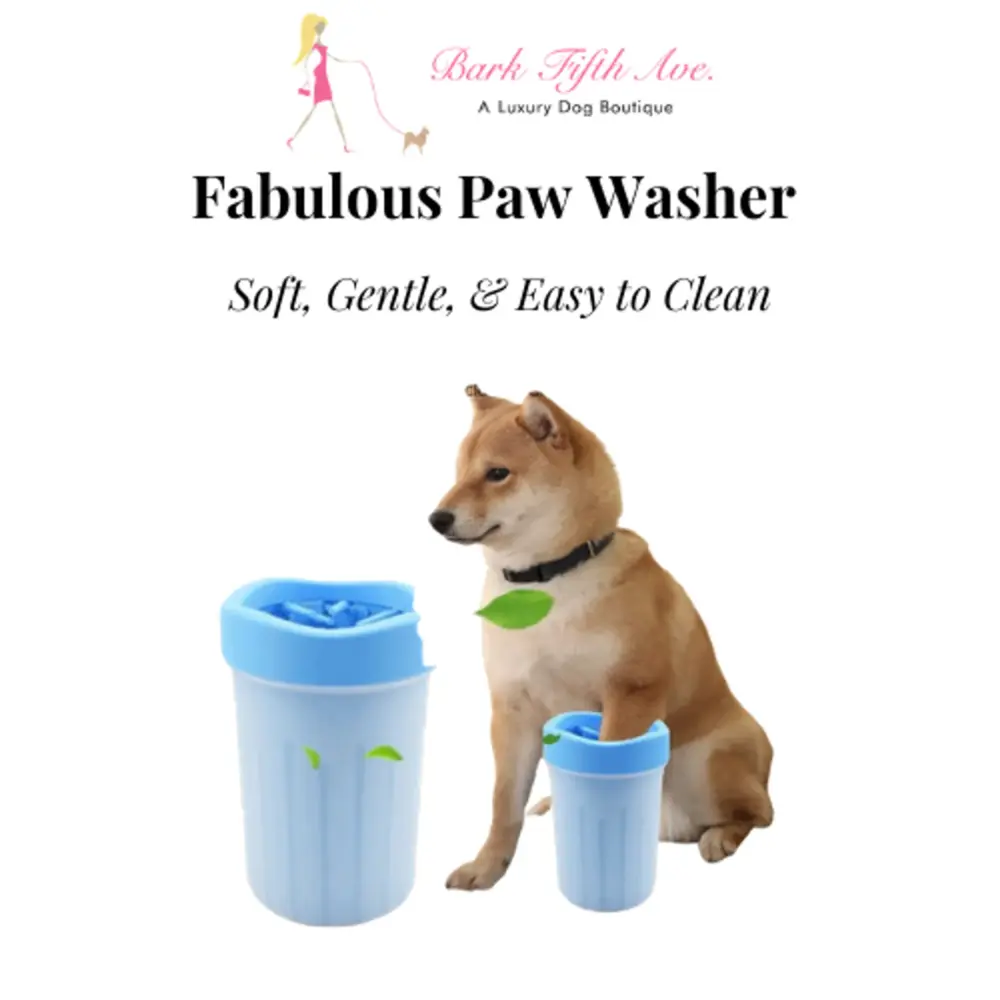
This is how to clean muddy dog paws without a full bath. The cup’s soft bristles and a little water loosen mud from around the pads. Plain water is usually enough.
- Add a little lukewarm water, enough to cover the pads.
- Hold your dog’s leg gently and slide one paw into the cup.
- Twist the cup back and forth a few times so the bristles reach between the pads.
- Lift the paw out and pat it dry straight away.
- Repeat for the other paws, changing the water if it gets very muddy.
Winter salt and grit: rinse and dry well
Road salt on dog paws is more than a mess. Salt and ice-melt products can dry out and irritate pads, grit lodges between the toes, and dogs often lick whatever is left on their feet once home.
Rinse each paw in lukewarm water, in the cup or a shallow basin, working it between the pads, then dry thoroughly. Where you can, walk on cleared grass rather than salted sidewalks. If your dog’s pads seem sensitive to winter walks, ask your veterinarian about protective options.
Getting a nervous dog used to the cup, one paw at a time with treats
Some dogs dislike having their feet handled. Practice on calm, dry days and keep sessions short.
- Put the empty cup on the floor and reward your dog for sniffing it.
- Lift a paw briefly and reward, repeating over a few days until your dog stays relaxed.
- Slide one paw into the empty cup for a second, then reward.
- Add a little water and clean one paw, then build up to all four.
If your dog pulls away, go back a step instead of holding on tighter.
Don’t skip drying between the toes
Drying is the step people rush. Fur and skin that stay damp between the pads can become uncomfortable, and a wet paw picks up fresh dust and leaves prints across the floor. Pat rather than rub, pressing the towel around each pad and between the toes, then let your dog finish air-drying on a mat.
Check the pads, and ask your veterinarian if they look sore or cracked
Cleaning time is a natural moment for a quick check. Spread the toes gently and look for stones, burrs or ice clumps. Contact your veterinarian if you notice:
- Pads that look red, cracked, raw or swollen
- Limping, or constant licking at one paw
- A cut, a torn nail, or something embedded that does not come out easily
Muddy dogs in the car: covers for the seats, a restraint for the dog
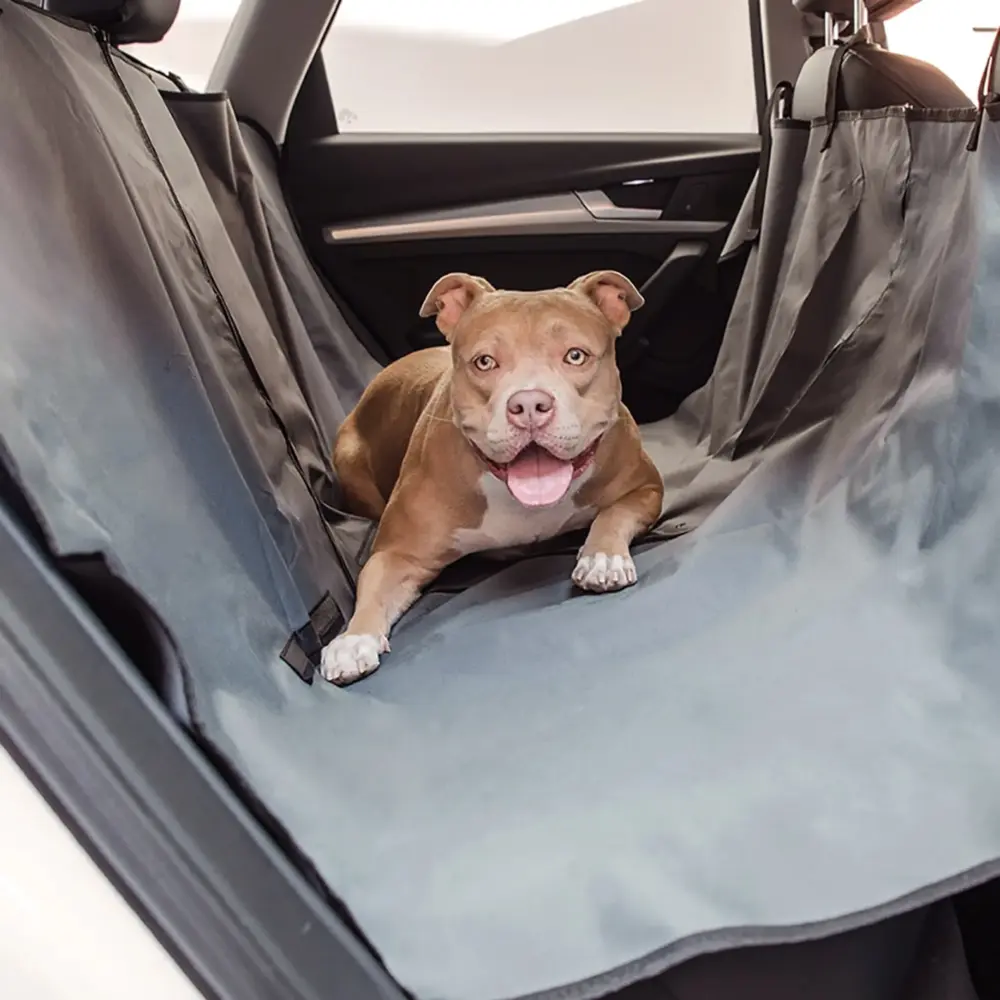
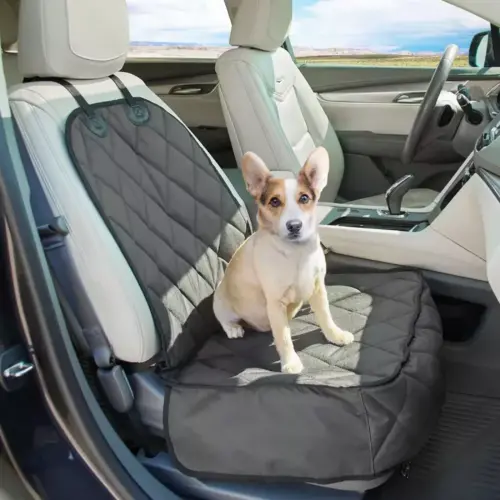
To keep the car clean with a muddy dog, do a first pass with wipes and a towel at the trailhead, then let a waterproof cover catch the rest. A back-seat hammock covers the rear bench and the backs of the front seats; a front seat cover protects the passenger seat if your dog rides there, though the back seat is generally the safer spot. Our comparison of dog hammocks and seat covers explains which suits your car.
A cover protects upholstery; it does not hold your dog in place. Pair it with a separate restraint, such as the Adjustable Dog Car Seat Belt Tether, clipped to a well-fitted dog harness, never to a collar or a front no-pull clip. Check that the harness has a sturdy ring on the back before using it with a tether. For everyday walks, the Mr. Peanut’s PetTrek padded harness is in our walking and training collection. A restraint helps keep your dog in place and reduces distraction while you drive; it is not a substitute for careful driving.
Cleaning the cup and towels afterward
- Cup: empty it outside or into a utility sink, rinse the bristles under running water, and leave it upside down to dry.
- Towels and wipes: shake dried mud off outdoors, wash towels often, and close the wipes lid firmly so they stay moist.
- Seat covers: let mud dry, brush it off, then wash according to the care label.
Paw-cleaning gear we carry
Four items cover the door and the car; find more in our clean-up supplies and travel and car accessories.
- Bark Fifth Avenue Fabulous Paws Dog Paw Cleaner Cup: soft silicone bristles help lift mud, sand and ice-melt salt from between the pads, and the cup is designed to keep the water contained. Comes in Small, Medium or Large, in Blue or Green; if you are unsure which size suits your dog’s paw, contact us at info@iglomart.com before ordering. For dogs who regularly come home muddy or salty.
- Mr. Peanut’s Naturals Pet Wipes: 150 large 6 × 10 in wipes that the maker describes as thicker than standard pet wipes, made with natural ingredients and labeled Made in USA. For dry-day walks and quick touch-ups.
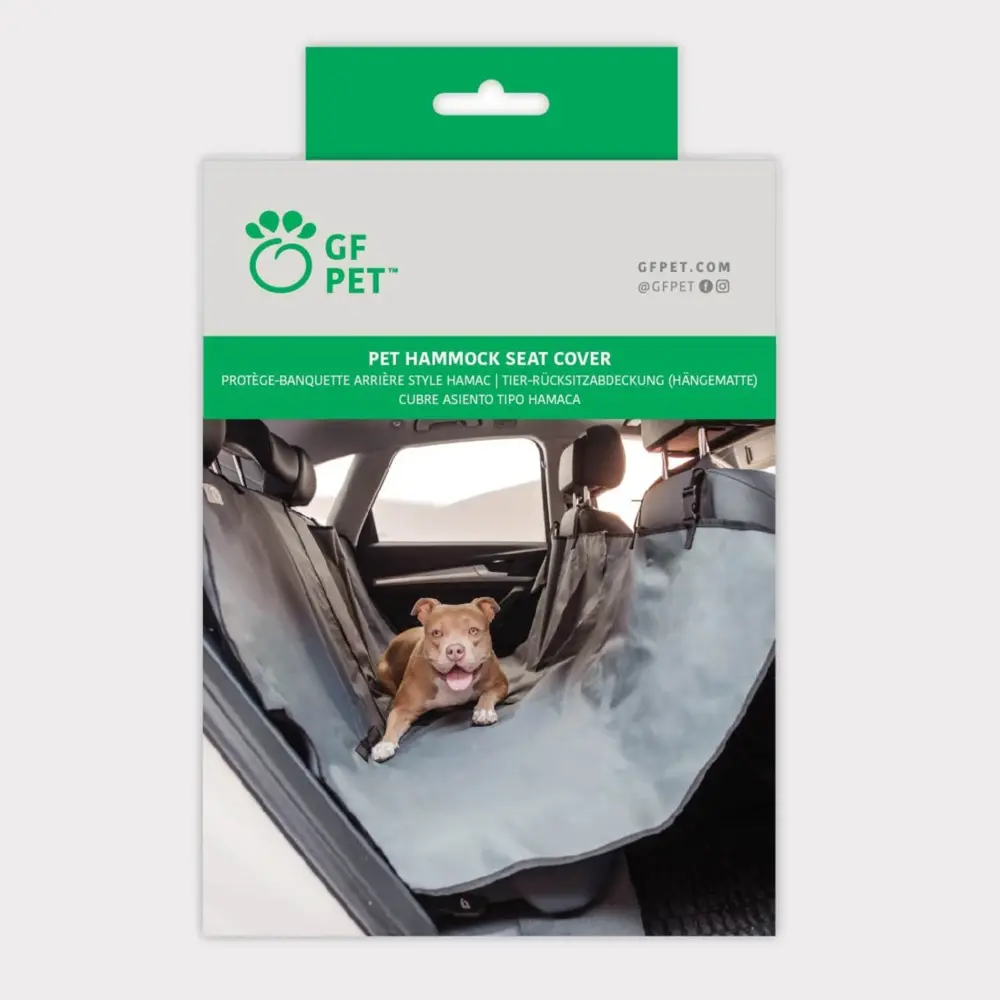
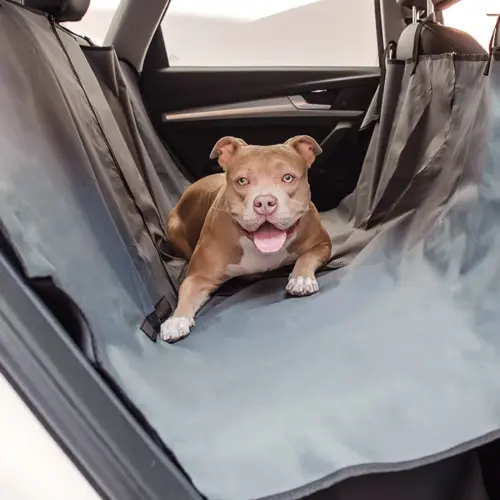
- GF PET Waterproof Dog Car Hammock Seat Cover: a 58 × 57 in waterproof polyester hammock with headrest straps, seat-belt openings and a detachable zipper, machine washable. For dogs who ride in the back; measure your seat first.
- GOOPAWS Waterproof Front Seat Cover for Dogs: waterproof, scratch-resistant 600D oxford fabric with a non-slip backing, 40 × 20.5 in, machine washable, in Black or Grey. For a dog who rides in the front passenger seat, or paired with the hammock for fuller coverage. If your dog rides up front, check your vehicle owner’s manual about the passenger airbag.
-
Bark Fifth Avenue
Fabulous Paws Dog Paw Cleaner Cup
$31.95
-
GF PET
Waterproof Dog Car Hammock Seat Cover
$60.95
-
GOOPAWS
Waterproof Front Seat Cover for Dogs
$43.95
-
Mr. Peanut’s
Naturals Pet Wipes
$26.95


Paw cleaning FAQ
Should I clean my dog’s paws after every walk?
A quick check after every walk is a good habit, but a full clean is only needed when paws are dirty, wet or salty. On a dry day, a wipe and a look between the toes is usually enough.
Are pet wipes enough for muddy paws?
For light mud, a large, thick wipe often does the job. When mud is packed between the pads, a paw cleaner cup with water is faster and more thorough.
How do you use a paw cleaner cup?
Add a little lukewarm water, slide one paw in, twist gently a few times, then lift the paw out and pat it dry. Repeat for each paw.
How do I get road salt off my dog’s paws?
Rinse each paw in lukewarm water as soon as you get home, then dry thoroughly, including between the pads. Ask your veterinarian if the pads look dry, cracked or sore.
How do I keep my car clean after a muddy walk?
Do a first pass with wipes and a towel, and use a waterproof hammock or seat cover. Add a harness-based restraint, because a cover does not hold a dog in place.
Related guides
-
How-to
How to Protect Leather Car Seats From Your Dog
Claws, grit and wet coats are what mark leather seats. Fit a waterproof cover that stays put, keep nails short and smooth, clean paws at the car door, tether your dog so they lie down on turns, and wipe the leather the right way after muddy rides.
-
Checklist
Winter Hiking With a Dog: Checklist for Cold, Ice and Short Days
A winter trail-day checklist: plan a shorter, sheltered route around daylight, keep your dog leashed and off frozen water, pack water that won't freeze and a coat for dogs who feel the cold, check paws for ice balls and salt, and know when to turn back.
-
Checklist
Traveling With a Senior Dog in the Car: A Checklist for Easier Rides
A car-trip checklist for an older dog: what to ask your veterinarian before a long drive, how to help a stiff dog in and out without a jump, a padded, secured spot in the back seat, hot and cold cars, more frequent stops, and the medications and records to keep in the cabin.