Beds & Comfort Checklist
When to Replace a Dog Bed: 7 Signs, Plus Cat Beds and Gel Mats
Short answer
Replace a dog or cat bed when washing can no longer bring it back: the filling stays flat when you fold or press it, a smell returns within a day or two of a thorough wash and full dry, or it is torn with filling showing. Stop using a gel mat as soon as it is punctured or leaking.
Beds don’t come with an expiry date, and how often to replace a dog bed depends more on who sleeps on it than on the calendar: a calm adult dog wears a bed very differently from a teething puppy. Work through the seven signs below, and if smell is the only problem, give the bed one proper wash before you decide. The same checks apply to cat beds and gel cooling mats.
Seven signs it’s time for a new bed
Any one of these means it’s time for a new bed:
- Flat filling. The bed stays bent when you fold it, or you feel the floor when you press where your pet lies.
- A smell that comes back. It returns within a day or two of a thorough wash and a full dry.
- Mildew. Dark speckles or a musty smell on the underside or in the filling that washing doesn’t shift.
- Exposed filling. Holes or split seams with filling or foam showing, especially in a home with a chewer.
- A worn base or rim. A skid-free base that slides, cracks or peels, or a bolster too flat to rest a head on.
- A damaged gel mat. Any puncture, tear or leak means stop using it today. A wrinkled surface that no longer feels cool means the gel has dried out.
- A bed that no longer fits. Your pet hangs over the edge, or a high rim or deep cushion has become hard to manage.
These usually need a wash or a small fix, not a new bed:
- Hair woven into the surface, which a vacuum, a damp rubber glove and a wash will lift
- A smell after a single accident, treated with an enzyme cleaner and then washed as the label allows
- Clumped fiberfill that kneads back out evenly (if the lumps return after every wash, the fill is spent)
- A broken zipper or a short split seam on a bed nobody chews, fixed with a few stitches or a replacement cover if the maker sells one
- A pet who stops using the bed, often a question of spot, scent or season rather than wear (if they also seem stiff or restless, ask your veterinarian)
- A gel mat that feels less cool than it did, which may just need moving out of direct sun and a short break unused to recharge
Our guide to how to wash a dog bed covers beds that don’t unzip, foam inserts and drying a bed all the way through.
The fold-and-press test for flattened filling
Filling wears out where your pet actually lies, so a bed can look plump at the edges and be nearly flat in the middle. Test it dry, after it has been empty for an hour or two, so last night’s dent has had time to recover.
- Fold it. Fold a flat cushion bed in half, or squeeze a bolster in your fist, then let go. Good filling springs back; spent filling stays bent or creeps back slowly.
- Press it. Put the heel of your hand on the spot where your pet sleeps and lean your weight in. If you can feel the floor, so can their elbows and hips.
- Compare a corner. Press a corner your pet never uses. If it is far thicker than the middle, the sleeping area has worn through.
- Feel for lumps. Run your hand across the bed. Hard clumps with thin, empty patches between them mean the fill has broken down.
Tip
Thick foam slabs don’t fold easily, so use the press test on those. A dent in memory foam that is still there the next morning, or foam that crumbles when you unzip the cover, means the foam is done.
Why it matters. A bed that has bottomed out leaves your pet lying on the floor with a cover over it. Heavy dogs and older pets feel that most, and a dog who starts choosing the rug over a bed they used to love may be telling you the same thing. If your dog seems stiff getting up or reluctant to lie down, ask your veterinarian.
Smells, mildew and fleas a wash won’t fix
Rule out the fixable causes first: filling still damp inside, leftover detergent, or an insert that never went in the wash. If the smell is back within a day or two of a proper wash and a full dry, it lives in the filling. The AKC’s guide to cleaning a dog bed draws the same line: a bed that still smells after washing and looks worn may be due for replacing.
- Urine soaked into foam. Foam holds liquid deep inside and most of it can’t go in the machine, so a foam bed that has taken repeated accidents rarely comes clean. Replace it, and put a waterproof liner under the next one’s cover. Ask your veterinarian about new accidents in a house-trained dog or a senior who leaks in their sleep.
- Mildew. A musty smell with dark speckles, usually on the underside, points to a bed that stayed damp: on a cold basement floor, by a door that lets in wet weather, or put back before it dried. If the spots or smell return after a thorough wash and full dry, replace it and put the next bed somewhere drier.
- After a severe flea infestation. The EPA’s page on controlling fleas around your home advises throwing out old pet bedding when an infestation is severe and replacing it with clean bedding. Treat your pet and home on a plan from your veterinarian.
- When the smell is your pet. If a freshly washed bed smells again within a night or two and your pet’s coat or ears smell the same, the source may not be the bed. Ask your veterinarian first.
When a torn bed becomes a safety issue
A worn bed is a comfort problem. A torn one can be a safety problem, because filling, foam and fabric are easy to swallow. Take a bed out of use as soon as filling shows if your pet is a chewer, a puppy or a cat who plays with loose threads, and keep it out until it is mended or replaced.
VCA Animal Hospitals lists articles of clothing among the things dogs swallow, and its page on foreign bodies in dogs gives the signs of a blockage: vomiting, diarrhea, belly pain, a poor appetite, straining to pass stool and lethargy.
Safety note
If you think your dog or cat has swallowed bed filling, foam, fabric or gel, call your veterinarian straight away, even if they seem fine. Don’t try to make them vomit unless your veterinarian tells you to.
A small tear on a calm adult’s bed, with no filling escaping, can be stitched before it grows. A bed that keeps getting shredded is a different problem, and an identical replacement left alone with the same dog is likely to go the same way. Supervise bedtime, ask your veterinarian or a trainer about the chewing, and see why dogs dig in their beds to tell normal nesting from digging that wrecks a bed.
On cat beds, kneading claws pull loops in plush and faux fur. Snip loose threads rather than pulling them, since cats can swallow thread and string, and replace a bed whose lining is coming apart.
What wears out first on each type of bed
| Bed type | Check | Time to replace |
|---|---|---|
| Pillow bed | Fill and seams | Fill stays flat or lumpy |
| Cuddler | Rim and base | Rim stays squashed; base slides |
| Cat cave | Hood and lining | Lining splits or goes flat |
| Foam bed | Foam under the cover | Dents stay; foam crumbles |
| Gel mat | Surface and seams | Puncture, leak or wrinkling |
| Cover | Zipper and fabric | Fabric thins; zipper fails |
Skid-free bases and rims
A non-slip backing keeps a bed from skating across a hard floor as your pet steps in, which matters most for older pets. Once it cracks, peels or stops gripping, the bed slides, and a cracked water-resistant base no longer keeps the floor dry. A squashed rim gives a curler nowhere to rest their head; for a pet who always sleeps with their chin on the edge, that bed is done.
Cat caves and sacks
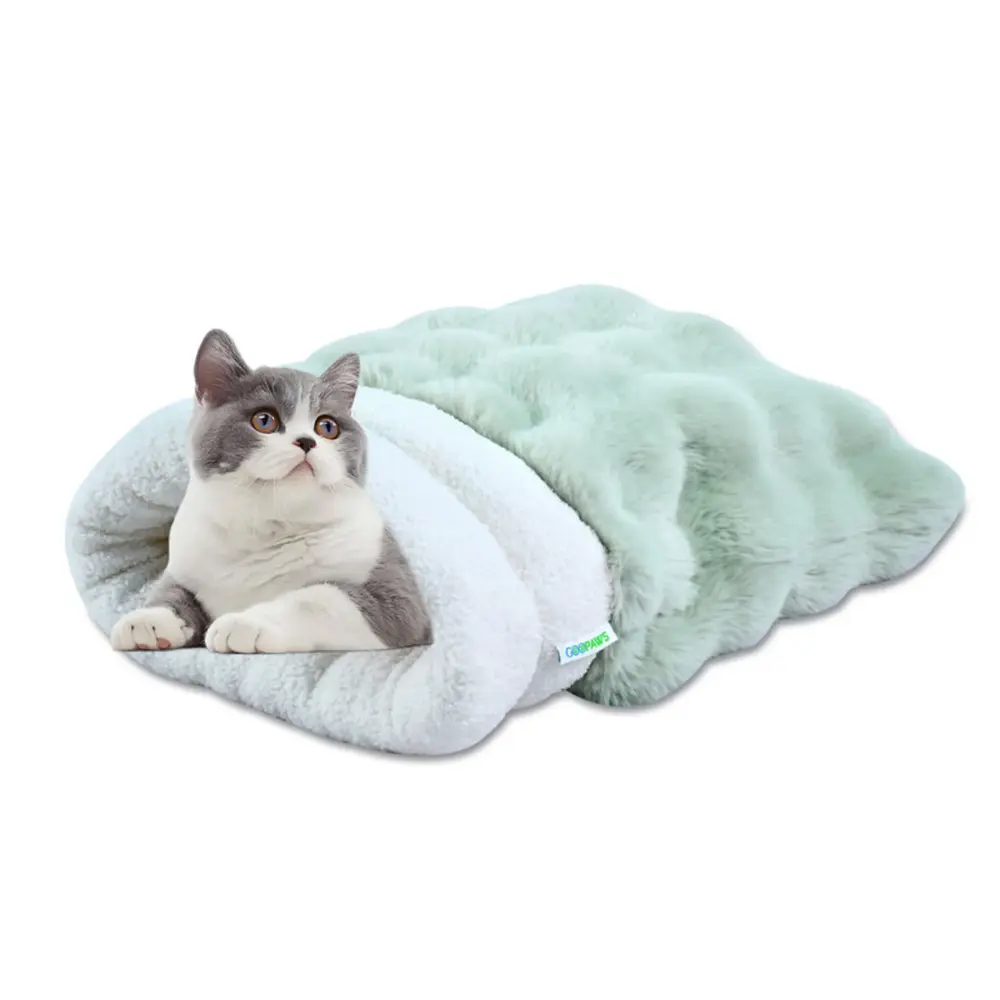
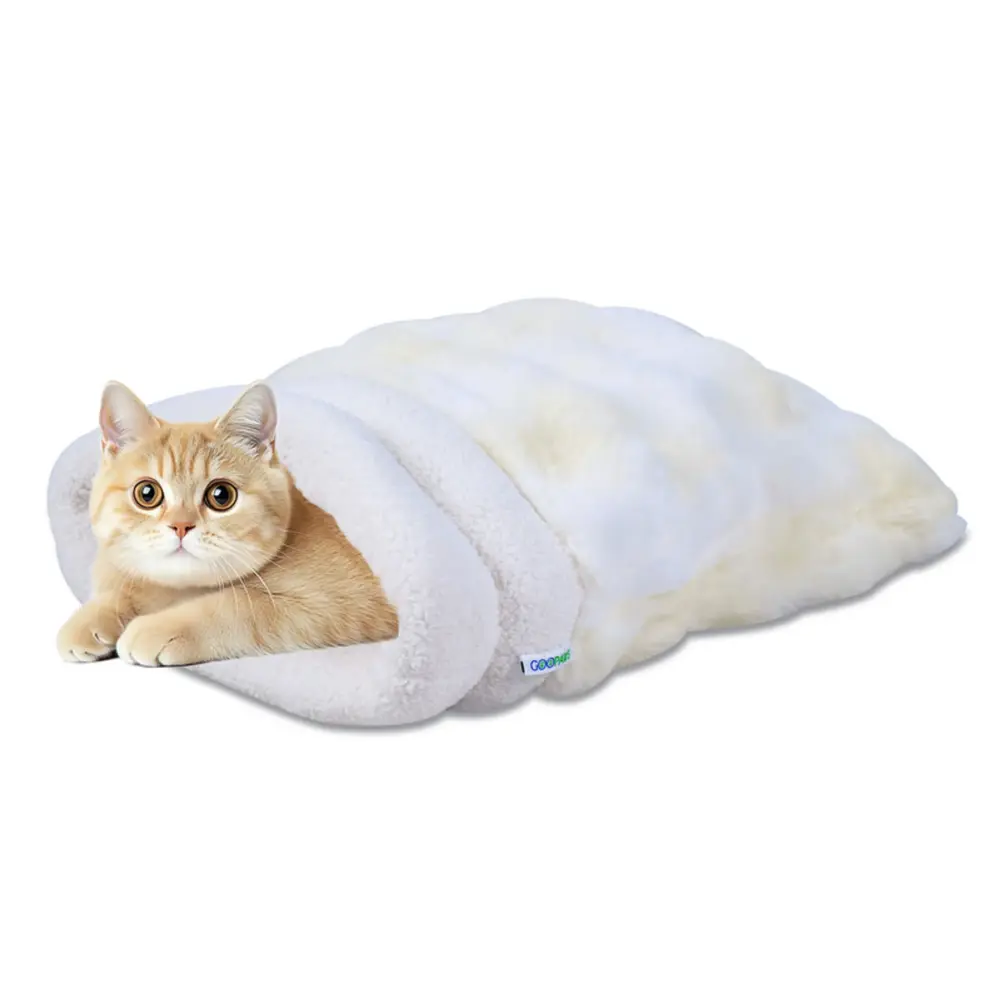
A cave whose top has slumped onto your cat stops working as a hideaway. Before you throw it out, try it open: a multi-use bed such as the GOOPAWS 4-in-1 below, which works as a cave, mat or sack, can carry on as a flat mat for a cat who still likes it, as long as the lining is intact.
Gel cooling mats
A pressure-activated gel mat has no filling to flatten, so watch the surface. Check it each time you wipe it down, stop using it at the first puncture, split seam or gel on the surface, and supervise pets who dig at or mouth their mats. If a mat seems to have stopped cooling, move it out of direct sun and give it a short break; our Green Pet Shop Chillz Cooling Gel Mat recharges on its own after a few minutes unused. The maker’s cooling mat FAQ also explains that the water-based gel can slowly lose moisture, which leaves the mat looking wrinkled and can’t be restored. A mat that has gone wrinkled and no longer feels cool is due for replacing.
When the bed no longer suits your pet
Sometimes the bed is fine and the pet has changed.
- A growing puppy. Paws, head or tail hang over the edge, or your puppy sleeps half on the floor. Measure them in their usual sleeping position before you buy the next size; our guide to measuring a dog for a bed covers curlers, sprawlers and the space inside a rim.
- An older dog. VCA Animal Hospitals advises that older dogs should have easy access to a warm, comfortable bed. A rim that was easy to hop over at five can be a hurdle at twelve, and some stiff dogs find a deep, squashy bed harder to get up from than a firmer one. Ask your veterinarian about stiffness, limping or trouble lying down.
- A new sleeping style. A dog who used to curl up and now sprawls, often in warm weather, may simply want a flat surface. A cooling mat beside the old bed can cover that without replacing it.
- An older cat. A cat who stops climbing into a raised bed or a cave may be finding the step harder. Offer a low, flat bed in the same spot and mention the change to your veterinarian. Our guide to choosing a cat bed matches bed shapes to the way cats sleep.
If the next bed is for a cat or a small dog, these are the two beds in our catalog that fit. The picks are limited to what Nilosi Pets sells, and we don’t carry beds for medium or large dogs.
-
Armarkat
Ultra-Plush Cuddler Bed for Cats & Small Dogs, Choose size
Price range: $55.95 through $72.95
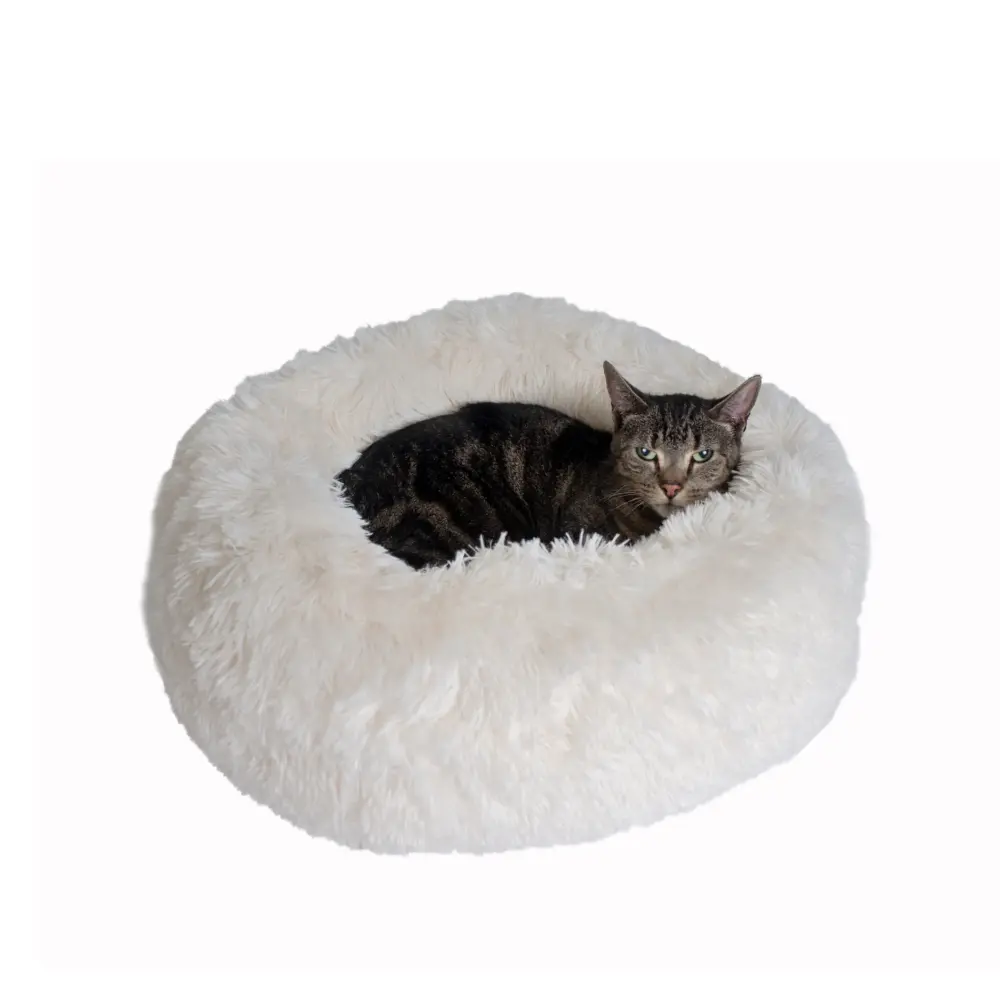
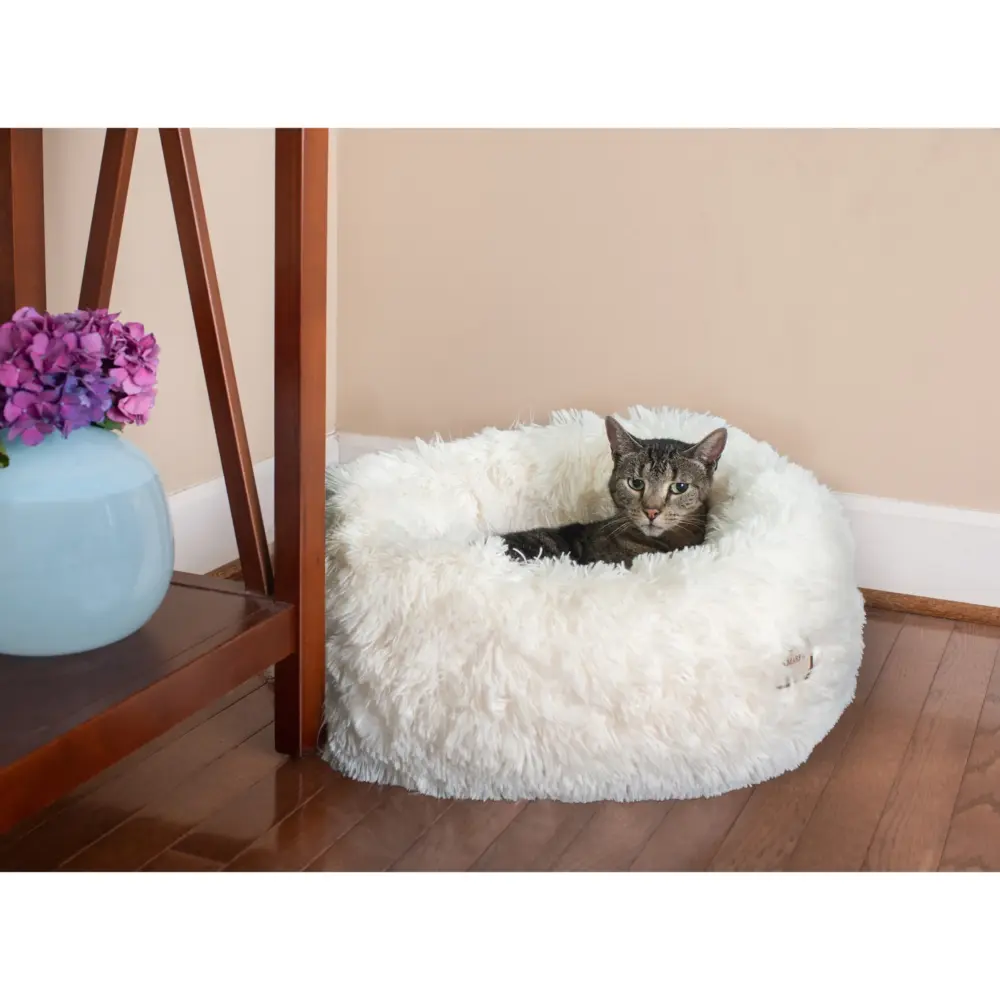
Why it fits: A new rimmed bed for a cat or small dog whose old one has gone flat, with a skid-free, water-resistant base. Small is 22 x 22 x 8 in.
-
GOOPAWS
4-in-1 Self-Warming Cat Cave Bed, Choose color
$40.95
Why it fits: A cat bed that switches from cave to flat mat if climbing in gets harder, with a self-warming design that traps body heat. 21 x 17 x 3 in.


Switching to the new bed
A new bed smells of the store, not of home, and some pets ignore it at first. Unless the old bed is unsafe, a short overlap helps:
- Put the new bed where the old one was, or right beside it.
- Move your pet’s usual blanket or throw onto the new bed so it smells familiar.
- Reward your pet with a treat or quiet praise for stepping or lying on it. Don’t lift them in and hold them there.
- Once they have chosen the new bed for a few nights running, retire the old one.
If the old bed is torn, mildewed or chewed, skip the overlap and remove it straight away; a familiar blanket does the same job. Cats in particular can take a while to adopt a new bed, so give it time before you call it a dud. For a dog who still won’t settle, see how to get your dog to sleep in their own bed.
When you do replace one, the shape is worth rethinking rather than buying the same again. Bolster vs flat dog bed reads the answer off the positions your dog already sleeps in.
Making the next bed last
- A washable throw on top, washed weekly, so the bed itself needs fewer full washes
- A second bed in rotation, so a thick one gets the full day or more it can need to dry inside and nobody sleeps on damp filling
- Paws and coat dried after wet walks, before your dog heads for bed
- A dry spot for the bed, off cold basement floors and away from doors that let in rain
- Gel mats kept out of direct sun, and in a cover if the maker sells one for that mat
- Split seams stitched as soon as you spot them, before a chewer finds the gap
- A quick fold-and-press check every time you wash it, so you see wear coming
Collars, harnesses, toys and bowls wear out too; our monthly gear replacement checklist puts them all into one check. For a cat or small dog, browse our beds and cooling mats.
Related guides
-
Guide
How to Wash a Dog Bed, and How Often, Including Beds That Don’t Unzip
De-hair it, read the care label, wash it gently with fragrance-free detergent and dry it all the way through. Here is how often to wash a dog bed, what to do with beds that don't unzip, foam and gel mats, and how to wash a cat bed without upsetting your cat.
-
Guide
How to Choose a Cat Bed Your Cat Will Actually Use
Choose a cat bed by watching how your cat already sleeps: caves for hiders, cuddlers for curlers and a cooling mat for hot days. Plus where to put the bed so your cat is more likely to use it.
-
Buying guide
Gifts for Senior Dogs and Cats: Warmth, Gentle Care and Easy Outings
Gifts that make life a little easier for an older dog or cat, chosen from our catalog: warm beds for cats and small dogs, a gentle brush for older coats, a lick mat, a cooling mat for warm sleepers and a backpack for small seniors who tire, plus what to skip and what needs a vet.