Beds & Comfort Guide
Why Do Dogs Dig in Their Beds? Normal Nesting and When It’s a Problem
Short answer
Digging, scratching and circling before lying down is normal nesting: your dog is shaping the bed, clearing the spot and making it warmer or cooler, an instinct linked to digging dens outdoors. There’s no need to stop it. Look closer if the digging shreds the bed, seems frantic, never ends in settling or starts suddenly.
Why dogs dig and scratch at their beds
The American Kennel Club’s explainer on why dogs dig describes digging on a bed or in a crate as instinctual behavior related to digging dens outdoors, and points out that a den is cooler in hot weather and warmer in cold. A dog bed is not a hole in the ground, but the same routine still does a few useful jobs:
- Building a nest. Turning in place and pawing push the filling and any blankets into a hollow with higher sides, so your dog can curl up with something to lean on.
- Adjusting the temperature. Scraping a blanket aside uncovers a cooler layer; bunching it up makes a warm pocket to burrow into.
- Clearing the spot. Outdoors, scraping moves sticks and stones. Indoors, it moves toys, chews and the folded edge of a blanket out of the way.
- Adding a familiar smell. Dogs have sweat glands in their paw pads, and one common explanation is that scratching leaves a little of their own scent on the bedding, which may be why a freshly washed bed sometimes gets an extra-long session.
- Winding down. For many dogs, scrape, turn and flop is simply how a nap begins.
No one has pinned down a single reason, so read these as overlapping explanations rather than proven facts. Some dogs also dig much harder than others: the AKC notes that terriers and small hounds were bred to dig out quarry from dens, so a dog with that background may give the bed a far more vigorous going-over than one who turns once and lies down.
Digging on your bed or the couch
The instinct follows your dog onto your mattress or the sofa, which are soft and smell of you; it is the same nesting routine, not misbehavior. If claws snag the fabric, lay a washable throw where your dog settles and keep nails trimmed. To move your dog to a bed of their own, see how to get a dog to sleep in their own bed.
What normal bed digging looks like
Most dogs settle into a routine that changes little over the years: a few turns, a burst of scratching with the front paws, perhaps a nose shove or a tug to move a blanket, then a flop and a sigh. Once your dog is down, they stay down. How to read what you see:
| Behavior | Usually normal | Worth a closer look |
|---|---|---|
| Circling | A few turns, then lies down | Turn after turn without settling |
| Scratching | A short burst before resting | Long, frantic, hard to interrupt |
| Blankets | Pushed, bunched or dragged | Torn apart or eaten |
| Settling | Lies down and stays down | Up and down all night |
| Timing | The same routine for years | New, sudden or getting worse |
The right-hand column doesn’t mean something is wrong, only that it is worth finding out why.
Why does my dog dig in bed at night?
Mostly because bedtime starts their longest sleep, so the routine is easiest to notice then. A dog who digs, lies down, gets up and digs again all night is a different picture: they may be too warm, uncomfortable in that bed or sore, as covered below.
When the digging is a message about the bed
If your dog digs far more than usual, or digs and then walks away, look at the bed and the room before you look for a behavior problem.
Your dog is too warm
A dog who digs hard, scrapes the blanket off and then gives up for the kitchen tile is often looking for somewhere cooler. Thick plush and bolsters hold warmth, welcome in January and less so in July. In warm weather, take the blanket off, move the bed away from vents and sunny windows, and offer a cool surface beside it. Our guide to whether cooling mats work for dogs explains what a gel mat can and can’t do. Heavy panting, drooling or weakness is not a bedding problem: move your dog somewhere cool and call your veterinarian right away.
Your dog is cold
The opposite dog digs to get under things, pawing the blanket into a heap, nosing beneath it and burrowing in. Small, thin-coated, young and senior dogs tend to feel cold floors most. A bed off the tile and out of drafts, with a blanket to burrow under, usually helps; see how to keep a dog warm at night indoors.
The bed is the wrong shape or size
A dog who sleeps curled up may keep digging at a flat mat, trying to push up sides that aren’t there, while a sprawler can scrape and turn in a small round bed and still end up half off it. Rimmed beds suit curlers; long, flat beds suit sprawlers. Our look at whether calming dog beds work explains what a raised rim does and doesn’t do.
The filling has gone flat
Digging can’t fluff filling that has packed down for good. If your dog scrapes for longer than they used to and the bed stays flat, check it against our guide to when to replace a dog bed.
The bed slides on the floor
On hardwood or tile, a bed without grip can skate away from scraping paws, and some dogs keep at it, or give up, because the bed won’t stay put. A bed with a skid-free base, or a rug with a non-slip pad under it, usually solves the problem.
Something is hidden inside
Some dogs tuck a chew or treat into the bedding to save for later, then dig to get it back or to bury it deeper. If the digging always centers on one corner, check under the cushion and in the folds, and clear out old food before it spoils.
Should you stop your dog from digging in bed?
Not if it is the usual routine. Scolding a dog for nesting doesn’t teach anything useful and can make bedtime less relaxed. Make the habit easier on the bed, and on you, instead:
- Give them something to arrange. A loose blanket on top lets your dog scrape and bunch fabric instead of clawing at the bed’s own cover. Skip it for a dog who chews or eats fabric.
- Keep nails short. Long nails snag plush and catch on seams, so a nightly scrape does more damage than it needs to.
- Let the routine finish. Don’t hurry your dog through it or lift them into place; most dogs settle sooner when they get to do it their way.
The exceptions are digging that destroys the bed, covered next, and digging that looks driven and hard to stop, covered in the last section.
Shredded beds and swallowed filling
Scratching turns into a problem when the cover tears, filling comes out and your dog starts working at the hole. The move from nesting to taking the bed apart usually has a reason. The ASPCA’s guide to destructive chewing lists teething in puppies, boredom, too little exercise, frustration and separation anxiety among the common ones, and notes that dogs who chew because of separation anxiety usually do it only, or most intensely, when left alone.
Safety note
If your dog may have swallowed stuffing, fabric or gel from a mat, phone your veterinarian right away even if they seem fine, and don’t try to make them vomit unless the vet says to. Signs to watch for, from VCA’s guide to swallowed foreign objects, include vomiting or diarrhea, a tender belly, eating less, straining to pass stool, lethargy, and a dog who bites or growls when lifted or touched around the belly.
What to do about a bed shredder
- Take up the torn bed and pick up every scrap of loose filling before your dog can eat it.
- Note when the damage happens: at bedtime, when your dog is left alone, or on days with less exercise or attention.
- Offer bedding with nothing to pull out while you work on it. If your dog swallows fabric, ask your veterinarian what bedding is safe.
- Give your dog’s mouth and paws a daily job: walks with time to sniff, and supervised play with a tough toy. See toys for dogs who destroy toys.
- When nesting turns into chewing, interrupt calmly and trade for a toy. Don’t punish damage you find later; the ASPCA notes dogs can’t connect it to what they did.
- If the damage happens only when your dog is alone, or comes with pacing, drooling or howling, talk to your veterinarian or a certified behavior professional.
Beds that suit a nester
A keen digger is easiest to live with when the bed gives them something to work with. Look for:
- A rim or bolster to push into shape and lean against, especially for dogs who sleep curled up.
- A grippy base that stays put on hard floors while your dog scrapes.
- A washable cover, since paws that scrape every night bring in whatever they walked through.
- A cool option nearby for dogs who dig to get down to a cooler layer.
- Few loose parts, such as exposed zippers, tags or thin seams, for dogs who start to chew.
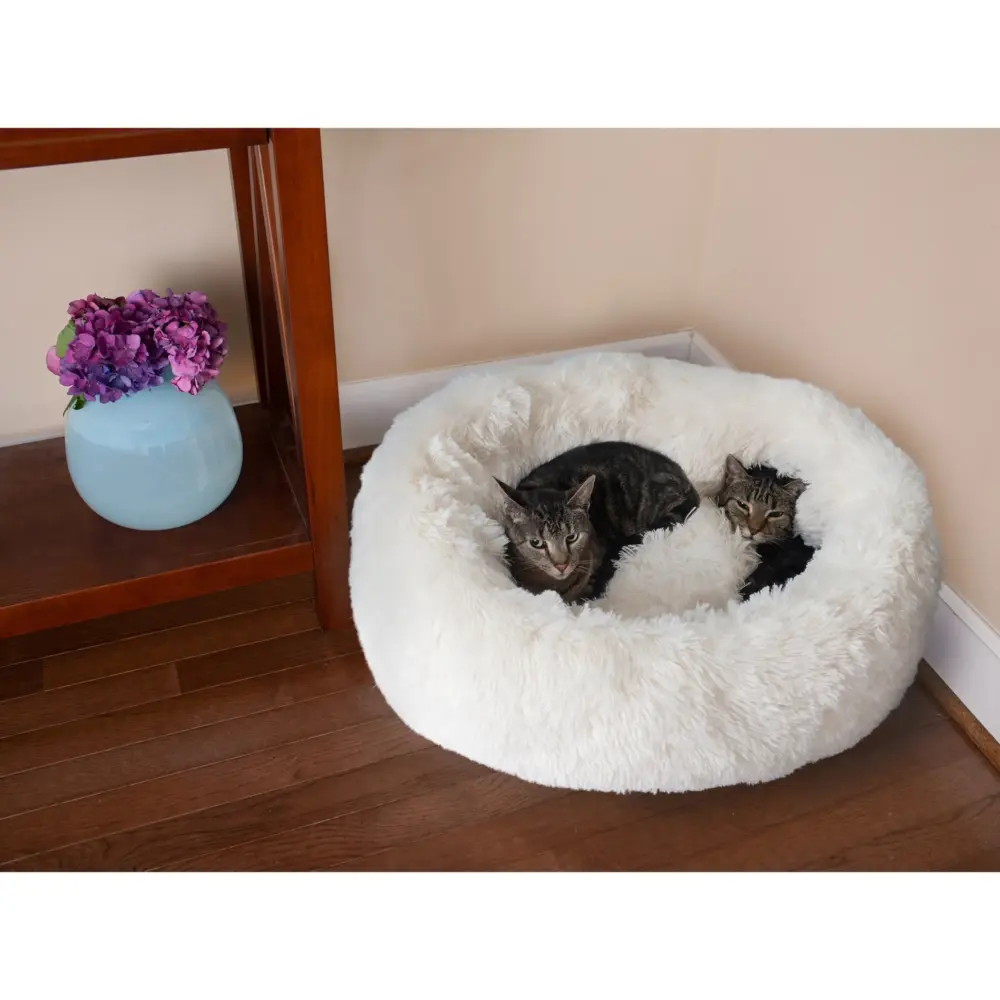
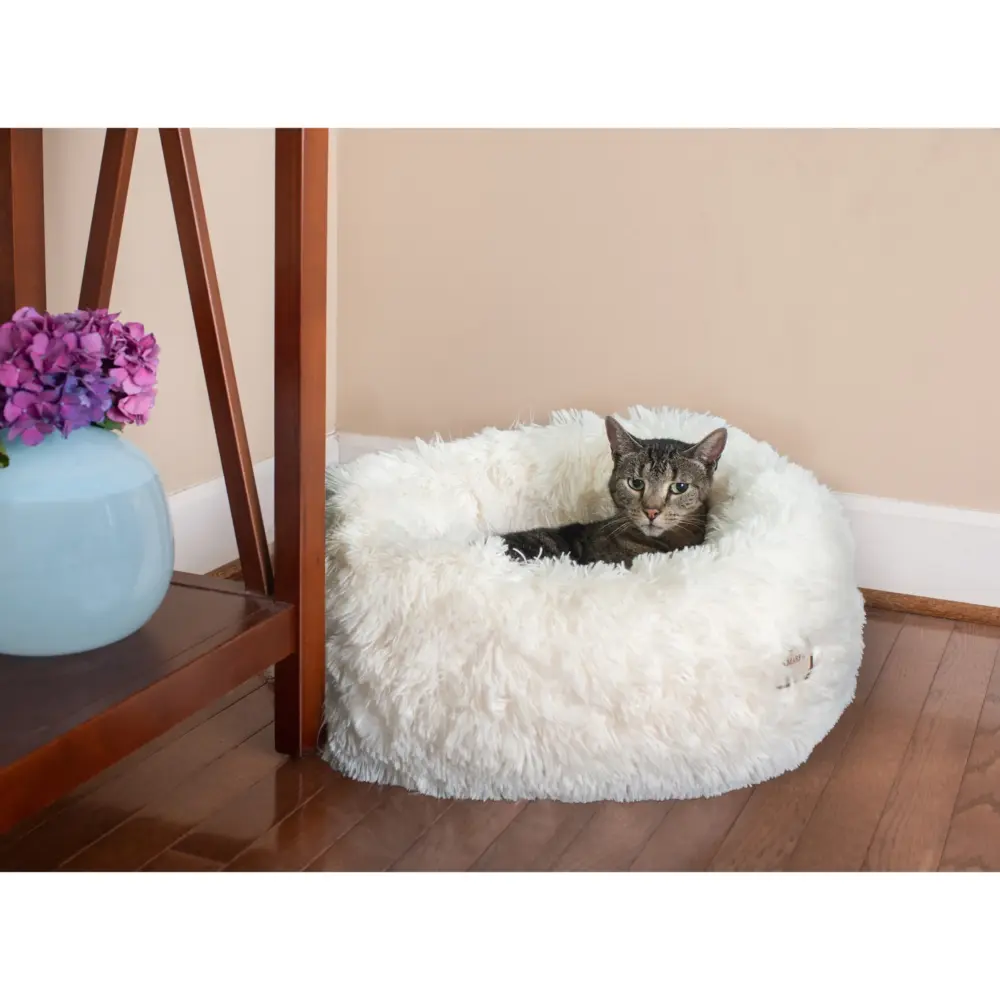
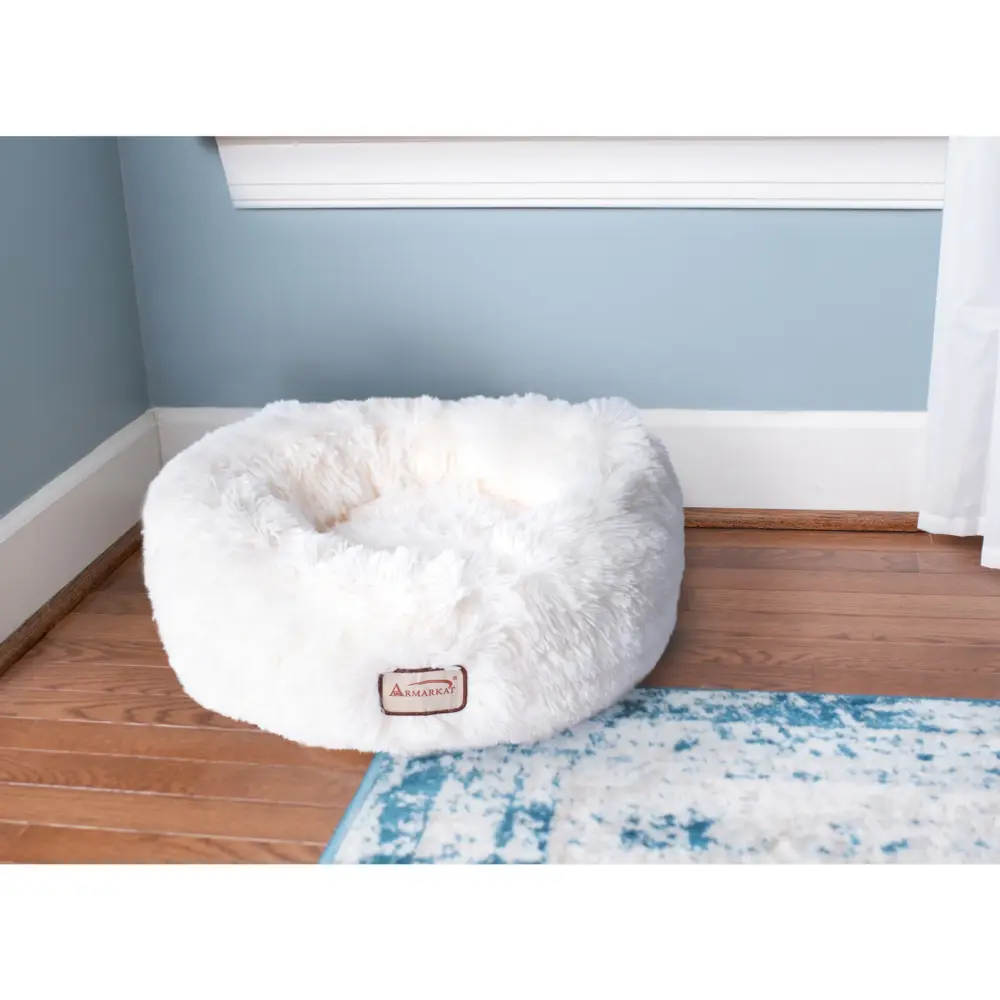
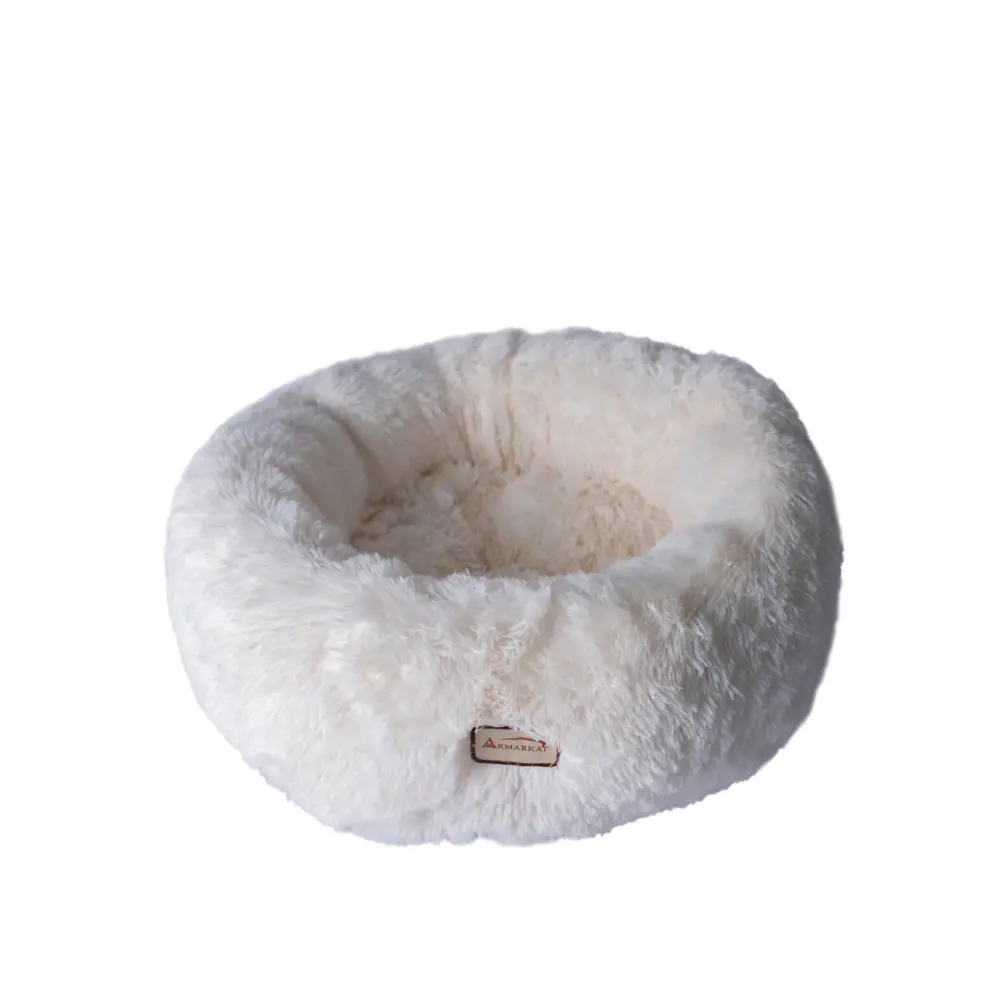
Our beds and comfort range is small, so these two picks are limited to Nilosi’s own catalog. The cuddler bed fits cats and small dogs only; we don’t carry beds for medium or large dogs.
-
Armarkat
Ultra-Plush Cuddler Bed for Cats & Small Dogs, Choose size
Price range: $55.95 through $72.95
Why it fits: A rimmed plush nest for small dogs and cats who scrape and circle, on a skid-free base that stays put; not for dogs who shred bedding.
-
The Green Pet Shop
Chillz Cooling Gel Mat for Dogs & Cats, View product
$45.95
Why it fits: A cool spot for warm dogs who scrape their blanket aside, with pressure-activated gel and no power needed; lift it if pawed or chewed.


Both sizes of the cuddler, Small (22 × 22 × 8 in) and Medium, can go through a gentle machine cycle, though the plush stays nicer washed by hand; the gel mat can go on top of a bed, in a crate or on the floor. Neither is made to be chewed or dug through, so watch a known shredder and take it up at the first tear. Browse our full beds and comfort range.
When to call your veterinarian or a trainer
Ask your veterinarian about bed digging that is new or has changed, especially in an adult or senior dog, and in particular if you notice:
- Signs of discomfort. VCA’s guide to how to tell if your dog is in pain lists restlessness, repeatedly getting up and lying down, groaning when lying down and whining while trying to get comfortable. Digging and circling that never ends in settling can be part of that picture.
- Digging that is hard to interrupt. VCA describes compulsive disorders in dogs as repetitive behaviors that disrupt daily routines, cause injury or are hard to interrupt, and notes that painful, neurologic and skin conditions can cause the same signs, so a medical check comes first. Digging hard enough to wear nails down or leave paws sore deserves the same visit.
- Restless nights in a senior dog. An older dog who sleeps more by day and turns restless or paces at night may have cognitive dysfunction syndrome, a slowly progressive, age-related condition that calls for a full veterinary assessment, not a new bed.
- Nesting in an unspayed female. In the last week of pregnancy, a dog often seeks out a quiet corner and scratches or digs to make a bed, according to VCA’s whelping guide. Nesting, restlessness and guarding toys four to nine weeks after a heat can also be signs of false pregnancy. If either could apply, your veterinarian can confirm what is going on.
- Swallowed bedding. See the caution above; don’t wait for symptoms.
If your vet finds no medical cause and the digging is still destructive, a certified trainer or a veterinary behaviorist can help you build a plan.
Tip
Film a typical bedtime dig on your phone before the appointment. A nervous dog may not show the behavior at the clinic, and a short video shows how long it lasts and whether your dog settles afterward.
Related guides
-
Guide
Do Calming Dog Beds Work? What a Raised Rim Can and Can’t Do
An honest look at “calming” donut and bolster beds: what the raised rim, deep fill and soft plush actually do, which dogs sleep better in one, which are better off on a flat bed or a cooling mat, and the signs that point to your veterinarian rather than a new bed.
-
Checklist
When to Replace a Dog Bed: 7 Signs, Plus Cat Beds and Gel Mats
A checklist for deciding when a dog or cat bed is past saving: the fold-and-press test for flat filling, smells that return after a proper wash, tears that put a chewer at risk, worn bases, rims and gel mats, a pet who has outgrown the bed, and what only needs a wash.
-
Checklist
What to Put in a Dog Crate: Bedding, Water, Toys and What to Leave Out
A checklist for the inside of a dog crate: water that won’t tip, bedding once your dog stops soiling or shredding it, a cool layer for hot sleepers, which chews and toys need you watching, a cover for den lovers, what to leave out, and how to adjust for puppies, chewers and seniors.