Do Cooling Mats Work for Dogs? How Gel Mats Cool and When They Help
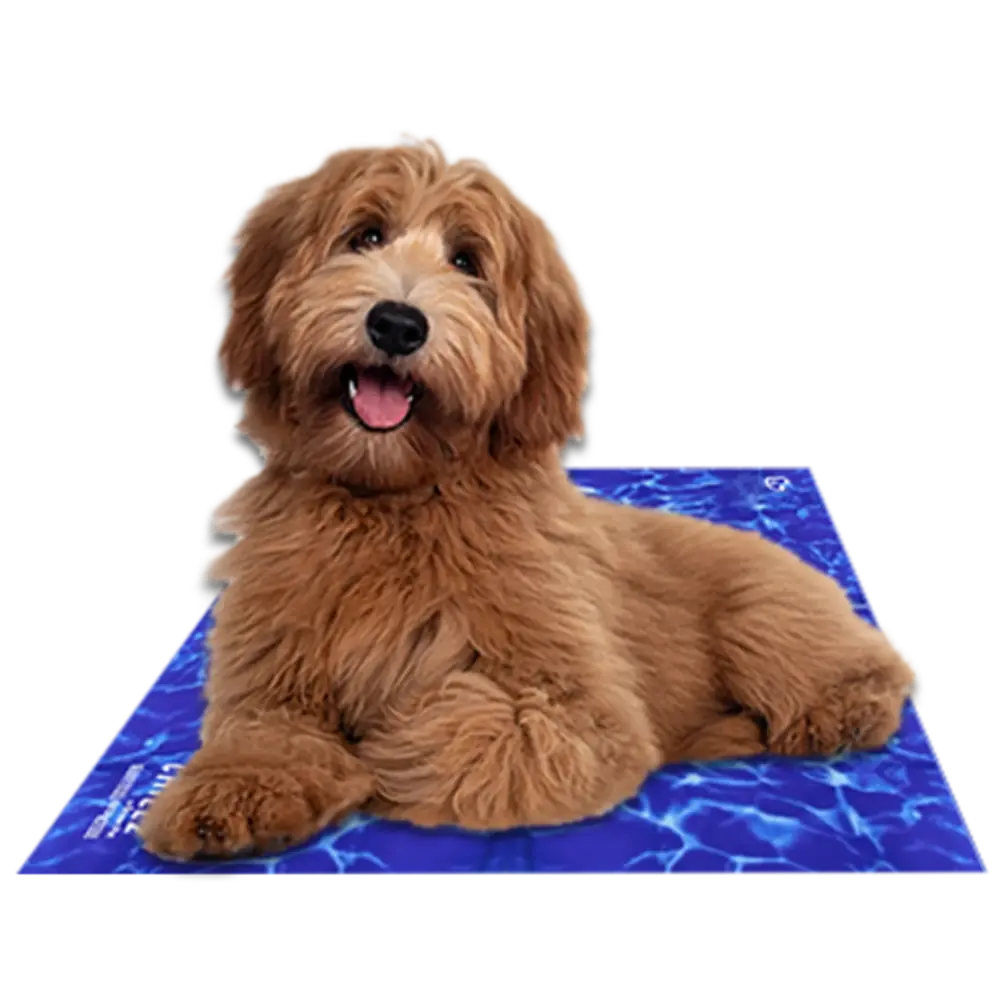
Do cooling mats work for dogs? Yes, within limits. A gel cooling mat gives a warm dog a surface that stays cooler than carpet or bedding and draws away some body heat wherever they lie on it, which can make a stuffy afternoon or a warm night easier. It does not cool the air, and it is no substitute for shade, fresh water, rest out of the heat or a veterinarian for a dog that is overheating.
How pressure-activated gel cooling mats work
Dogs shed heat mainly by panting; their few sweat glands are in their paw pads. Lying stretched out on a cool surface also helps, since heat passes out through the belly, where the coat is usually thinnest. That is why a warm dog sprawls on kitchen tile.
A pressure-activated gel mat puts that cool floor where you choose. Gel sits under a wipe-clean cover, and when your dog lies down, the gel against their body starts taking in warmth. Pressure-activated means it works when weight is on it: there is nothing to plug in, fill or freeze.
The mat does not chill the room; it takes in heat from your dog where they touch it. As it does, it slowly warms, and once your dog gets off, it gives that heat back to the room and cools again. That is recharging, and it is why a mat in a cool, shaded room stays cool longer than one in a sunny, stuffy spot.
Gel mats are one of several types. Mats you refrigerate, or inserts you fill with water and freeze, start colder but cool for a shorter time; the AKC’s guide to cooling mats for dogs compares them with pressure-activated gel. Raised mesh beds work differently: they lift your dog off a warm floor so air can move underneath, and some dogs use one alongside a gel mat.
Do cooling mats work for dogs on a hot day? What they can and can’t do
Think of a cooling mat as a comfort aid, not a cooling system. It helps most in a room that is warm but not hot, and least when the heat is worst, because a mat in a hot room has nowhere cool to shed its heat.
What a cooling mat can do
- Give your dog a cool spot in a carpeted room, a crate or on their bed, not only where the tile is.
- Help a warm dog settle after a walk, once they have had water and shade.
- Recharge between naps with no prep from you.
What it can’t do
- Cool the air in a hot room, yard or car.
- Replace fresh water, shade, airflow and breaks from the heat; the AKC makes the same point.
- Help a dog that is already overheating. That dog needs a veterinarian.
- Make a parked car safe, even for a few minutes.
- Stand in for a supportive bed. Most gel mats are thin, with little cushioning, so give an older or stiff dog one beside a padded bed, not instead of it.
Where to use one: floor, crate, car and bed
On the floor
Pick the spot your dog already chooses on hot days, out of direct sun. Sunlight through a window warms the gel before your dog gets to it, so a shaded corner works better than a bright one.
In a crate
Lay the mat flat, without folding or bunching, and leave a strip of bare floor so your dog can move off it. A crated dog with nothing to do may start chewing, so watch the first few sessions before you leave them alone with it.
In the car
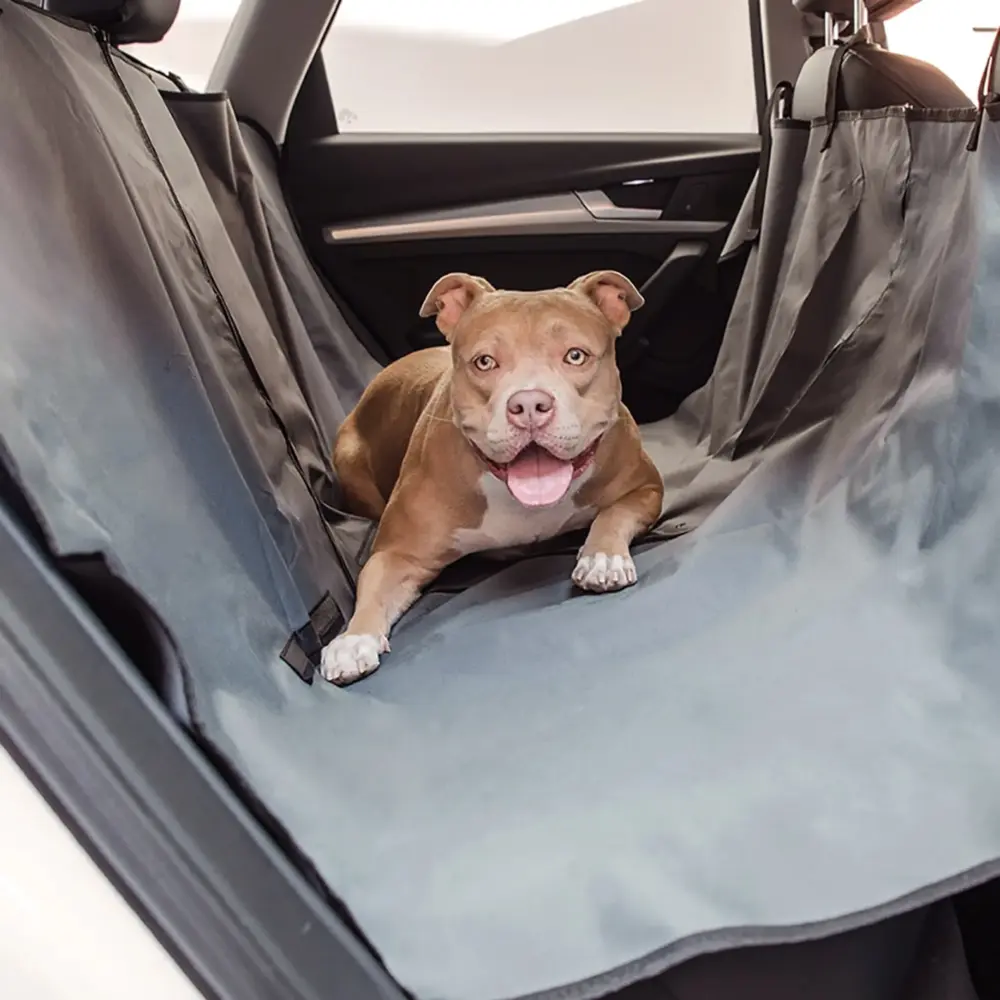
On the back seat or in the cargo area, a mat gives your dog a cool surface on a drive with the air conditioning on. It is a surface, not a restraint, and offers no protection in a sudden stop or crash; our guide to dog seat belts vs booster seats explains what each restraint does and doesn’t do. Never leave your dog in a parked car, with or without a mat, even with the windows cracked or in shade.
On their bed
Many dogs abandon their bed for the floor on warm nights. A mat on top of the bed, or right beside it, gives them a cool choice in their usual spot. If your dog picks the floor all year, see how to get your dog to sleep in their own bed.
Getting your dog to use a cooling mat
Some dogs flop down straight away; others are wary of a new texture or the gel shifting under their paws. Let your dog decide, and make the mat a good place to be.
- Put the mat where your dog already rests on warm days, or on their usual bed.
- Introduce it after a walk or on a warm afternoon, when your dog wants to cool off.
- Let them sniff it, drop a few treats on it, and praise quietly when they step or lie on it.
- If they hesitate, cover it with a thin cotton pillowcase for the first few days, then take the cover off.
- Never lift your dog onto the mat or hold them there; a dog who can step off when they choose is more likely to come back.
Give it a few days. A dog who still prefers the kitchen tile is cooling down either way.
Safety: chewing, supervision and heat warning signs
Chewing and supervision
Gel mats are made to be lain on, not chewed. Watch the first few sessions, especially with a puppy or a dog that shreds bedding, and take the mat away if they dig at it or mouth the edges. Stop using it once the cover is torn or punctured, and call your veterinarian if your dog swallows any gel or fabric.
Heat warning signs need a veterinarian, not a mat
A cooling mat is for a warm but otherwise comfortable dog. The ASPCA’s hot weather safety tips list excessive panting or difficulty breathing, a faster heart and breathing rate, drooling, weakness, stupor and collapse among the signs of overheating. They also note that flat-faced breeds, older and overweight pets, and pets with heart or lung disease are at higher risk.
If you see any of these signs, move your dog out of the heat, start cooling them with cool, not ice-cold, water on the head, belly, armpits and paws, put them in front of a fan or air conditioning, and call your veterinarian or an emergency clinic right away. Heatstroke is an emergency, so don’t wait to see whether the mat helps.
How to keep a dog cool at night and on hot days
A mat is one part of a hot-weather plan; these basics do most of the work:
- Water within reach. Fresh, clean water day and night, topped up before bed.
- The coolest room. Blinds closed on sunny windows by day; let your dog sleep downstairs if upstairs gets stuffy.
- Moving air. Air conditioning or a fan, placed so your dog can move out of the draft.
- A choice of spots. The mat where your dog sleeps, with their regular bed or bare floor nearby.
- Walks at the cool ends of the day. Early morning and late evening, on shorter, shaded routes; our guide to dog walking essentials covers water on the go and the hand test for hot pavement.
- Extra water on days out. Our day-hike checklist for hiking with a dog plans water for every rest.
The cooling mat we carry
The Chillz Cooling Gel Mat for Dogs & Cats from The Green Pet Shop is the type explained above: pressure-activated gel that cools when your pet lies on it and recharges on its own after a few minutes unused, with no water, ice or electricity. The listing says it stays cool for hours of use.
- Size and color: Medium, in the Wave color.
- Where it goes: a bed, a crate or the floor; it is lightweight and folds for the car.
- Care: wipe with a damp cloth; our guide to washing a dog bed covers the gel mat and the bed under it.
- Who it suits: dogs and cats; see choosing a cat bed your cat will actually use for the mat as a summer option for cats.
The listing gives no dimensions, so if the mat has to fit a particular crate, measure the crate floor and contact us before you order.
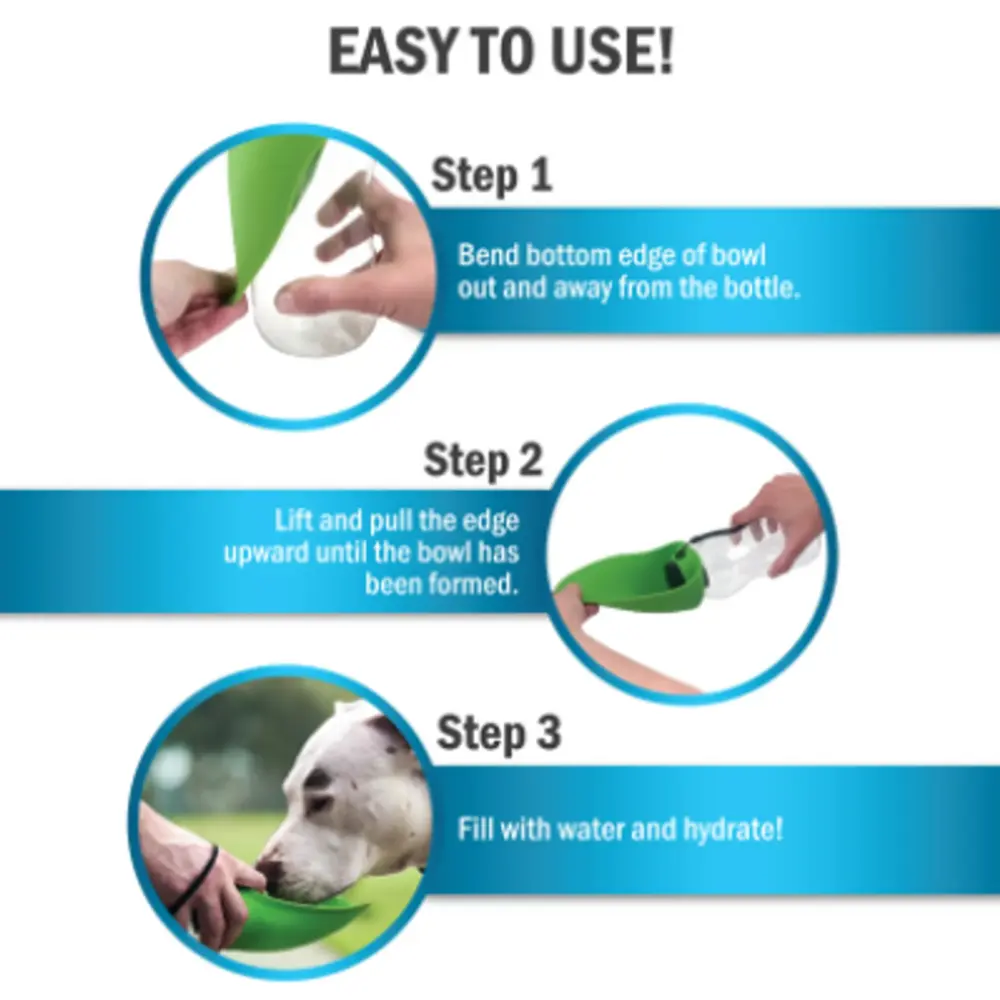
For warm walks, the Flipo Fold-A-Bowl Dog Water Bottle holds 26 oz (770 ml), its cover folds out into a food-grade TPU bowl, and a wrist strap leaves a hand free for the leash.
-
Flipo
Fold-A-Bowl Dog Water Bottle with Fold-Out Bowl
$28.95
-
The Green Pet Shop
Chillz Cooling Gel Mat for Dogs & Cats
$45.95

Browse beds for cats and small dogs, or find more beds and comfort guides.
Cooling mat FAQ
How long does a cooling mat stay cool?
It depends on the room temperature, your dog’s size and how much of the mat they cover. The AKC says gel mats can stay cool for several hours and reset after a short break; the Chillz listing says it recharges after a few minutes unused. In a hot or sunny room, any gel mat warms sooner and recovers more slowly.
Are cooling mats safe for dogs?
Generally, yes, for a dog who lies on the mat rather than chewing it and can step off when they like. The main risk is a torn cover exposing the gel, so remove the mat at the first sign of chewing and call your veterinarian if your dog swallows any. A mat is for comfort, not for treating overheating.
Do you need to put a cooling mat in the fridge or freezer?
Not a pressure-activated gel mat: it recharges at room temperature, and the Chillz needs no water, ice or electricity. Some other mats are made to be refrigerated or have inserts you freeze, so follow the maker’s instructions for your type.
Can a cooling mat go in a dog crate?
Yes, and the Chillz is made for a crate as well as a bed or the floor. Measure the crate floor first, since the listing gives no dimensions, and leave some bare floor so your dog can move off the mat.
Related guides
-
Checklist
Traveling With a Senior Dog in the Car: A Checklist for Easier Rides
A car-trip checklist for an older dog: what to ask your veterinarian before a long drive, how to help a stiff dog in and out without a jump, a padded, secured spot in the back seat, hot and cold cars, more frequent stops, and the medications and records to keep in the cabin.
-
How-to
Taking Your Dog to a Restaurant Patio: Manners and What to Bring
How to take your dog to a restaurant or brewery patio: practice a settle at home, check that day’s dog policy, pick a table out of the servers’ path, keep the leash off the table, bring your own water and leave while your dog is still calm.
-
How-to
How to Keep a Dog Cool in the Car, and Why a Parked Car Is Never Safe
A summer drive with a dog starts with one rule: never leave them in a parked car, even briefly. Then pre-cool the car, shade the rear windows, get cold air to the back seat, plan shaded water stops and know the overheating signs that mean pulling over and calling a vet.