Seasons & Gifts How-to
How to Keep a Dog Cool in the Car, and Why a Parked Car Is Never Safe
Short answer
Cool the car before your dog gets in, aim cold air at the back seat, shade the rear windows and drive in cooler hours, with water at every stop. Never leave your dog in a parked car, even briefly or with a window cracked: the AKC says one can reach 100°F in 20 minutes on a 70°F day.
Why a parked car is never safe, even briefly
A parked car works like a greenhouse: sun through the glass heats the dashboard, the seats and the air, and the heat has nowhere to go. The AKC’s article on whether you can leave a dog in the car with a window cracked gives the numbers: 100°F inside within 20 minutes on a 70°F day, and up to 140°F in under an hour on very hot days.
Dogs shed heat mainly by panting, and in hot, stale air panting can’t keep up. VCA Animal Hospitals names leaving a dog in a car with inadequate ventilation as the most common cause of heat stroke in dogs. None of the usual reasons make it safe:
- A cracked window. The AKC says a parked car with the windows cracked heats up at almost the same rate as one with them closed.
- Shade or clouds. Shade moves as the sun does, and the AKC is clear that cloud cover does not make a parked car safe.
- The engine and air left running. The AKC calls this risky: engines can fail, the air conditioning can shut off, and the car can be stolen with your dog inside.
- “Just a quick errand.” Lines run long, and the car starts heating up the moment the air goes off.
- A cooling mat, a water bowl or a sunshade. All of them help on the move. None of them cools the air in a parked car.
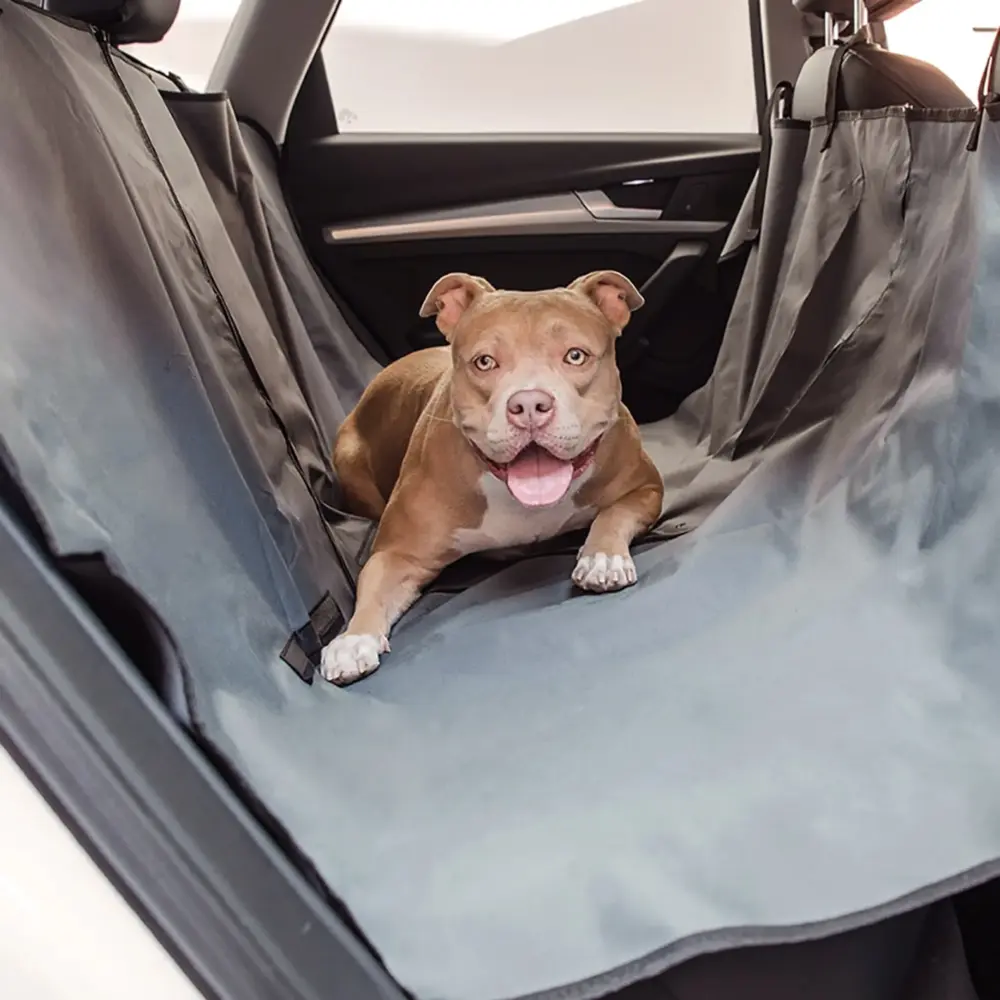
Plan the day so your dog is never alone in the car: someone stays with them in the cooled, running car, you use drive-throughs, or your dog stays home. The AKC counts 31 states with laws restricting leaving pets unattended in vehicles, and if you see a dog left in a hot car, it advises contacting local authorities right away.
Before you drive: cool the car and plan the hours
A car that has sat in the sun is hotter inside than out, and the seats hold that heat longest.
- Pick the hours. Check the forecast. Leave early and arrive before the afternoon heat, or drive in the evening once it has cooled off, so your stops don’t land at the hottest time of day.
- Let the hot air out. Open the doors or windows for a minute or two before you start the engine, so the hottest air escapes instead of waiting to be cooled.
- Run the air first. Start the car and run the air conditioning on high for several minutes while you stay with it. Once the hot air is out, the recirculate setting cools faster.
- Shade the rear side windows. Mesh or cling shades keep direct sun off the back seat. Leave the windshield and front side windows clear so your view isn’t blocked.
- Touch-test the seat and hardware. Lay a hand on the seat, the buckle and the tether’s metal clip. Dark leather and metal that sat in the sun can stay hot after the air feels cool.
- Pack the water up front. Water from home and a bottle ride within reach of the front seat, not in the trunk or cargo area, where they warm up.
- Load your dog last. A short potty break first, on grass or in shade rather than on hot pavement, then straight into the cooled car.
Get cold air to your dog in the back seat
Your dog belongs in the back seat, away from the passenger airbag, but the dashboard vents are built to cool the people up front. Some cars have rear vents on the center console or in the door pillars; plenty have none, and open windows are no substitute for air conditioning on a hot day.
- Aim the vents back. Point rear vents at the seat where your dog lies. With no rear vents, angle the front center vents up and toward the back so the air carries over the seats.
- Switch on the rear controls. A separate rear fan or climate zone is easy to forget when no one is sitting back there.
- Pick the shady side. On a long drive in one direction, the sun tends to stay on the same side of the car for hours. Seat your dog on the other side, or shade that window.
- Check, don’t guess. At your first stop, or with a passenger’s help, feel the air where your dog’s head is. A dog who lies down and settles is usually comfortable; one who stands and pants hard is not.
- Mind the cargo area. In an SUV, the cargo area is usually farthest from the vents, with sun through the liftgate glass. A crate back there needs air reaching it and vents left clear of bags.
A seat-belt tether keeps your dog in the seat you’ve cooled and shaded, instead of drifting to the sunny window. Clip it to the back of a harness, never a collar; it keeps your dog in place but isn’t crash protection. A small dog in a booster seat rides at window height, in the sun, so shade that window. Setup for both is in our comparison of dog seat belts and booster seats.
Water and rest stops on hot days
VCA’s guide to road trips with your dog says to offer water at every rest stop. On a hot day, plan the stops around the heat, too:
- Stop every couple of hours. Shorter legs mean more chances to drink. Stop sooner for a flat-faced, older or heavy dog.
- Park in the shade, and don’t leave your dog waiting. Take turns going inside while one person stays in the running, cooled car, or use drive-throughs and pay at the pump.
- Small drinks, often. Offer water as soon as your dog has settled at each stop, rather than one big drink at the end of the day.
- Check the ground. Sunny asphalt at a rest area can burn paws. Walk on grass or in the shade; our guide to how hot is too hot to walk a dog explains the hand test for pavement.
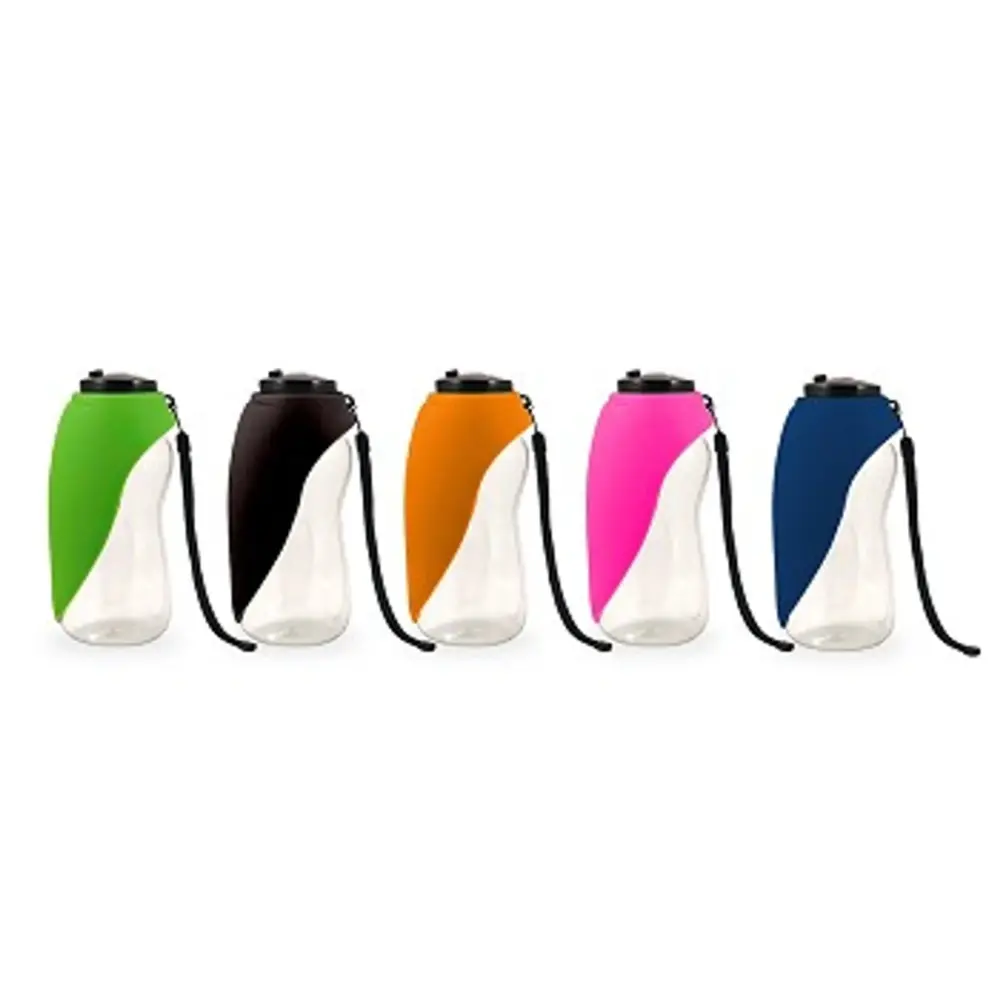
A bottle that keeps the water and the bowl together saves hunting for a dish at every stop: the Flipo Fold-A-Bowl holds 26 oz, and its cover folds out into a bowl. The rest of the stop routine, from clipping on the leash before you unclip the tether to loading back in, is in our road trip with a dog checklist.
A cooler seat: a gel mat in the car
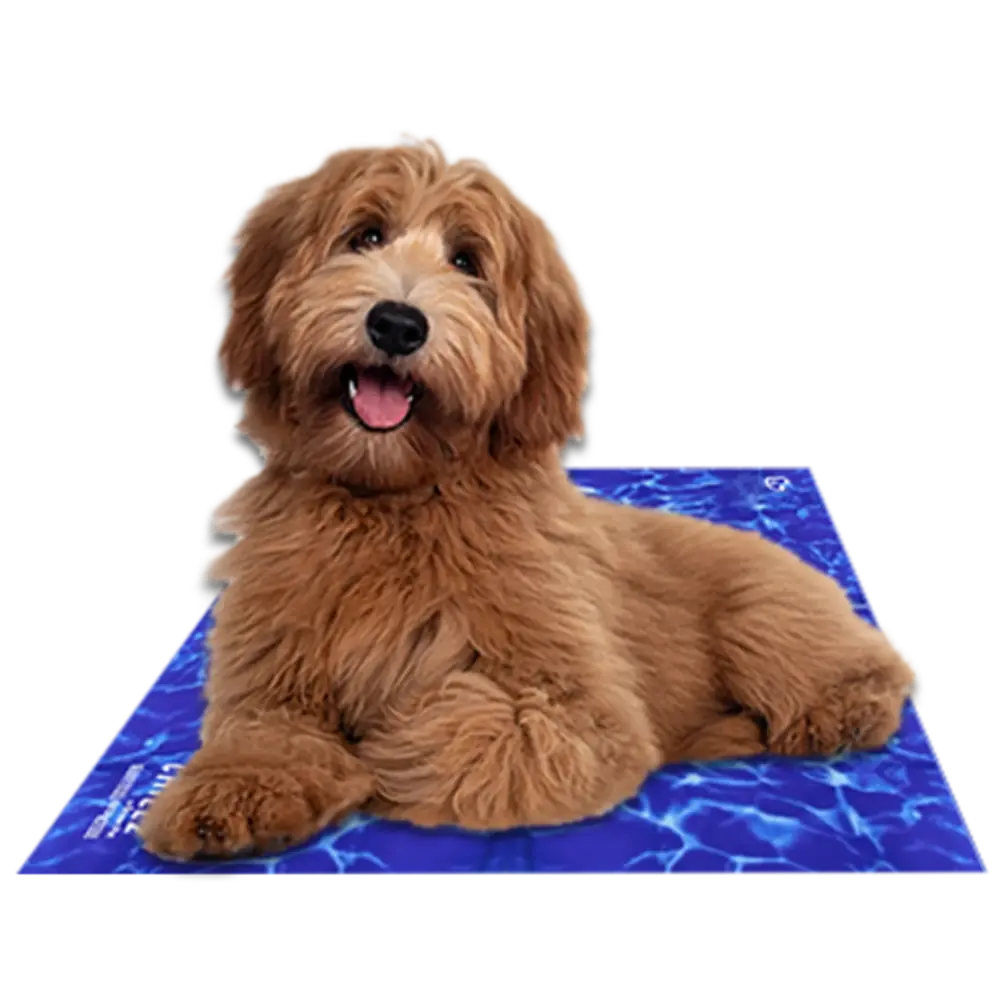
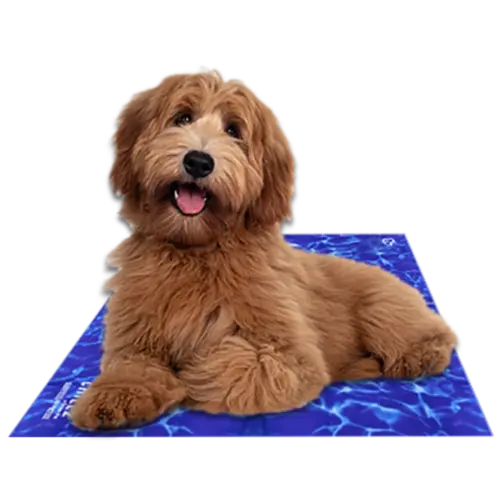
A pressure-activated gel mat gives your dog a cooler surface than a sun-warmed seat. The Chillz Cooling Gel Mat from The Green Pet Shop cools when your dog lies on it and recharges on its own after a few minutes unused, with no water, ice or electricity, and it is light and folds for the car. In the car:
- Keep it out of the sun. Store the mat in the cabin, not the trunk, and out of direct sun, so the gel isn’t warm before your dog lies on it.
- Lay it flat on the shaded side. Spread it across the seat within the tether’s reach, with some bare seat left so your dog can move off it.
- Use it with the air on. In a hot car, any gel mat warms sooner and recovers more slowly.
A mat cools your dog only where they touch it; it doesn’t cool the car and it isn’t a restraint. How gel mats work, and what to do about a dog who chews one, is in do cooling mats work for dogs.
Cats in carriers on hot drives
A cat, or a small dog, zipped into a carrier can’t move to a cooler spot, so you choose it for them. The ASPCA’s hot weather safety tips note that flat-faced pets such as Persian cats can’t pant as effectively and are more prone to heat stroke.
- Place the carrier in the airflow. On the floor behind a front seat or belted onto the back seat, out of direct sun and away from the sunny window.
- Keep the mesh clear. No bags against the sides, and no towel or blanket over the carrier on a hot day, even if your cat likes one on cooler drives.
- Cool the cabin, not just the carrier. Let cooled air move around the carrier rather than aiming a vent straight through the mesh at a cat who can’t move away from it.
- Treat panting as a warning. Cats seldom pant the way dogs do, and Cornell’s Feline Health Center lists excessive panting among the signs of heatstroke in cats. If yours pants or breathes with an open mouth, pull over somewhere safe, cool the car and call your veterinarian.
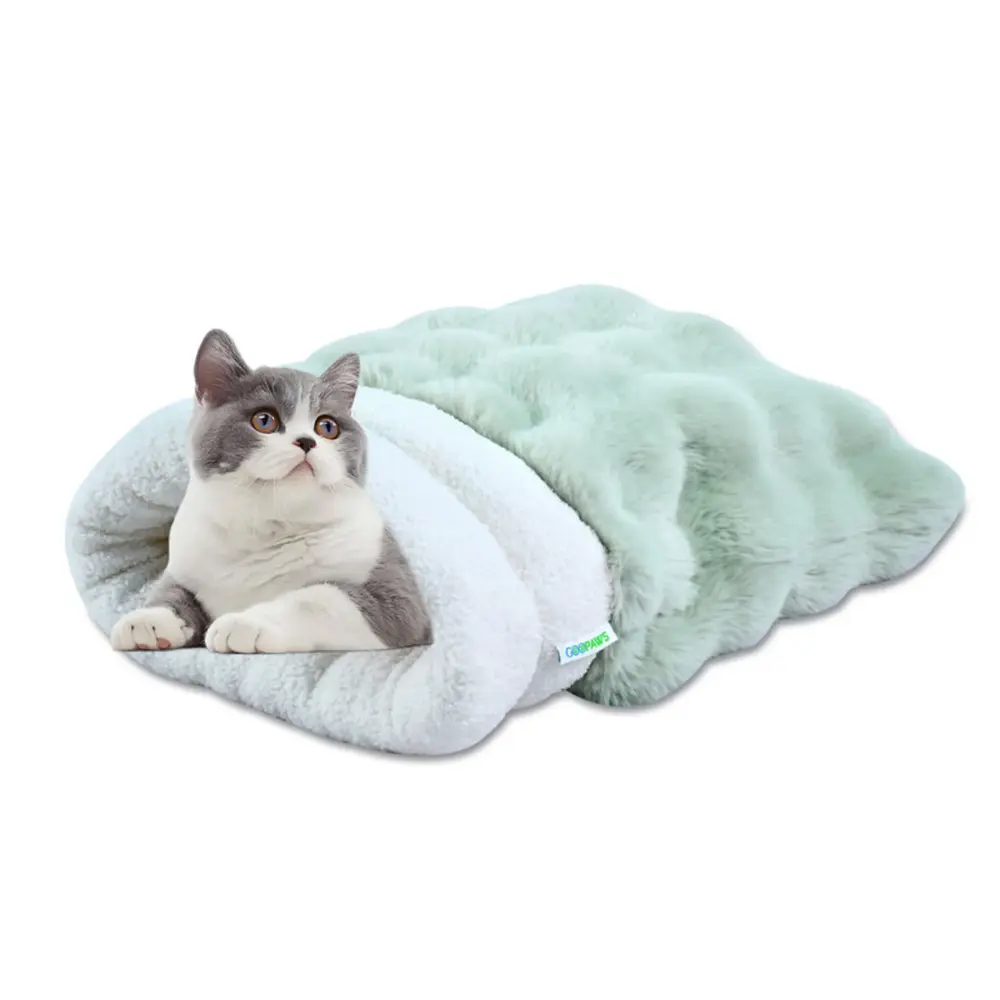
The Armarkat soft-sided carrier we stock has mesh panels for airflow and three zip openings, so you can check on your cat through a side opening at a stop. Armarkat’s own listing gives its size as 19 x 12 x 12 inches for pets up to 22 lb. Its canopy expands for stretching while you wait, but only with you in the cooled car. Carrier practice, placement and overnight stops are in our guide to traveling with a cat in the car.
Signs of overheating on the road, and what to do
Heat can catch up with a dog even in a moving car, when the back seat is warmer than you thought or after a long stop in the sun. Signs listed by the ASPCA, the AKC and VCA include:
- heavy or frantic panting that doesn’t ease once the car is cool, or labored breathing;
- heavy drooling or thick, sticky saliva;
- bright red or unusually colored gums or tongue;
- weakness, confusion or trouble standing;
- vomiting or diarrhea;
- collapse or seizures.
Flat-faced breeds such as Pugs and Bulldogs are at higher risk. The ASPCA and the AKC add older and overweight dogs and those with heart disease, and the AKC also flags thick or dark coats. If you see any of these signs:
- Pull over somewhere safe and shaded, keep the engine running and turn the air conditioning to maximum.
- Move your dog to the coolest spot in the car, in front of a vent.
- Wet them with cool, not cold, water on the head, belly, armpits and paws. Skip ice, and don’t drape wet towels over your dog; VCA says that can stop the heat escaping.
- Offer small sips if your dog is alert and wants to drink. Don’t force water.
- Call a veterinarian or the nearest emergency clinic and drive there with the air on, even if your dog seems to recover.
Safety note
Heatstroke is an emergency, and roadside cooling is first aid, not treatment. The AKC’s guide to overheating in dogs says a veterinary visit matters even after a dog seems to recover, to check for internal damage. Before a summer drive, save the number of an emergency clinic near your route.
Still too warm? Fixes for common problems
- The front is cold, the back isn’t. Turn the fan up, aim the vents back, add shades to the rear side windows, or move your dog forward from a third row or cargo area to the second row.
- Your dog pants even with the car cool. Feel the air at their spot. If it’s cool and your dog still pants, drools or paces on every drive, it may be nerves or car sickness rather than heat; ask your veterinarian.
- The air conditioning weakens or fails. Lower the windows partway for moving air, offer water and watch for the signs above. On a hot day, get your dog somewhere air-conditioned before you deal with the car.
- Where you’re going has no air conditioning. Plan the first hours before you arrive; our guide to keeping a dog cool without AC covers the coolest room, fans and water.
What to pack for a hot-weather drive
On top of your usual car kit, a hot drive calls for:
- Extra water from home, enough for a traffic jam and for cooling your dog in an emergency
- A bottle with a built-in bowl, or a bowl you keep in the cabin
- A spray bottle for misting cool water if your dog overheats
- Shades for the rear side windows; we don’t sell them, but auto parts stores do
- A cooling mat for the seat, stored out of the sun
- A mesh-sided carrier for a cat or small dog
These picks are limited to Nilosi’s own catalog: the four pieces we carry that fit the plan on this page.
-
The Green Pet Shop
Chillz Cooling Gel Mat for Dogs & Cats, View product
$45.95
Why it fits: Lays flat on the shaded side of the back seat; the gel cools under your dog's weight with no ice or power and folds away. Medium size only.
-
Flipo
Fold-A-Bowl Dog Water Bottle with Fold-Out Bowl, Choose color
$28.95
Why it fits: Keeps water within reach of the front seat for each hot stop; 26 oz, a fold-out bowl in the cover and a closure that won't leak in a bag.
-
Adjustable Dog Car Seat Belt Tether, View product
$23.95
Why it fits: Keeps your dog in the shaded seat where the air reaches; clips to a harness, never a collar, and fits most seat belts. Not crash protection.
-
Armarkat
Soft-Sided Pet Carrier, View product
$65.95
Why it fits: Mesh panels let cooled cabin air reach a cat or small dog inside; up to 22 lb per Armarkat, with three zip openings for quick checks at stops.



For the rest of the car setup, browse our travel and car accessories.
Related guides
-
Checklist
Traveling With a Senior Dog in the Car: A Checklist for Easier Rides
A car-trip checklist for an older dog: what to ask your veterinarian before a long drive, how to help a stiff dog in and out without a jump, a padded, secured spot in the back seat, hot and cold cars, more frequent stops, and the medications and records to keep in the cabin.
-
Checklist
How to Keep Pets Warm During a Power Outage: A Winter Storm Plan
A winter storm plan for dogs and cats when the heat goes off: what to have ready, how to set up one warm room, bedding and coats that work without power, carbon monoxide and candle safety, short potty trips, and the signs it’s time to take your pets somewhere with heat.
-
Guide
How Hot Is Too Hot to Walk a Dog? Pavement, Timing and Warning Signs
The AKC says the ground may be too hot to walk a dog at 85°F or above when the pavement hasn’t cooled. Learn the ten-second hand test, which dogs struggle first, how to plan cooler walks, and the overheating signs that mean it’s time to stop.