Seasons & Gifts How-to
How to Keep a Dog Cool Without AC in a Heat Wave
Short answer
Choose the coolest room, shade its windows before the sun reaches them and run a fan your dog can walk away from. Add water in several spots, frozen food for the hot afternoon and a damp towel to lie on. If that room nears 90°F, or your dog is flat-faced, older or unwell, get them somewhere air-conditioned.
Dogs shed heat mostly by panting, so a hot, still house leaves them few ways to cool off. Without air conditioning, the job is to keep heat out of one room, give your dog cool surfaces and water, and know when home stops being safe. For walks, see how hot is too hot to walk a dog.
What you need before the heat arrives
Most of it is already in your home. Gather it before the forecast turns:
- An indoor thermometer for your dog’s room. The AKC’s guide to preventing overheating in dogs also suggests a temperature alarm. We don’t sell either.
- Blinds, curtains or blackout fabric for windows that take direct sun.
- A fan with a grille over the blades and a stable base.
- Three or more water bowls that are hard to tip.
- Two or three old cotton towels.
- A lick mat or deep slow-feeder bowl to freeze food in.
- Phone numbers for your veterinarian and the nearest 24-hour emergency clinic.
- A backup place to go with air conditioning (more on that below).
Find and set up the coolest room
Warm air rises and sunny windows do most of the heating, so the coolest room is usually on the lowest floor, with few or shaded windows and a hard floor: a tiled bathroom or laundry room, an inside hallway or a basement, which the AKC’s guide to keeping a dog cool without air conditioning also suggests. In a top-floor apartment, try the inside room farthest from the sunny side. Don’t judge by feel at breakfast; leave a thermometer in two or three rooms through one hot afternoon and pick the lowest reading. Then set it up:
- Shade the windows early. Close blinds and curtains before sun reaches the glass; lined or blackout curtains block more heat than sheer ones.
- Close the windows as the day warms. Once it’s warmer outside than in, open windows only let heat in.
- Uncover a hard floor. Roll back rugs from tile, stone or concrete so your dog can sprawl on a cool surface.
- Bring the bed, but leave floor space. Many hot dogs abandon the bed for bare floor; offer both.
- Add water and a fan, set up as below, with cords out of reach.
- Cut indoor heat. Save the oven and dryer for late evening, and switch off lights and electronics you aren’t using.
- Keep the door open. A shut room heats up even with a fan inside; use a baby gate if your dog needs to stay put.
If your dog is crated
Move the crate into the cool room, out of the sun. A wire crate lets more air through than a solid plastic one, so take off any crate cover on hot days. Use a bowl that clips to the door so it can’t tip, and lay a damp towel at one end only, so your dog can choose damp or dry.
Fans and airflow, used safely
A fan cools you mostly by evaporating sweat, and dogs sweat only a little, through their paw pads, so it does less for them. The same AKC guide says fans help circulate air but aren’t enough on their own in extreme heat. Moving air works best with moisture to evaporate, such as damp paws or the damp towel below.
Know where a fan stops helping
The CDC’s heat and health guidance tells people to use fans only while indoor temperatures are below 90°F, because above that a fan can increase body temperature. We haven’t found a comparable figure for dogs, so treat a room near 90°F as the point to stop relying on a fan and move your dog somewhere cooler.
Set it up safely
- Low and to the side: aimed across the floor where your dog lies, not at their face, with room to move out of the draft.
- Steady: on a base a wagging tail or a curious puppy can’t knock over.
- Cords out of reach, and no fan left running while you’re out if your dog chews.
- Across a crate, not into it, since a crated dog can’t leave the draft.
Pull cooler air in at night
Once it’s cooler outside than in, open windows on opposite sides of the house. A box fan set securely in one window facing in pulls cool air through, and a second in another window facing out pushes warm air away. Close up again in the morning. Open only screened windows; the ASPCA’s hot weather safety tips say to keep unscreened windows and doors closed and make sure adjustable screens are tightly secured. A dog leaning on a loose screen can push it out.
Water stations and frozen food
The ASPCA advises plenty of fresh, clean water in hot or humid weather, since pets can get dehydrated quickly. One bowl in the kitchen isn’t enough:
- One in the cool room, so your dog never has to leave it to drink.
- One where your dog usually drinks, and one by the door you come in from walks.
- Two whenever you go out, in case one tips.
- Fresh, cool water a few times a day, emptied and refilled rather than topped up, with bowls out of the sun.
Frozen food for the hottest hours
With walks and fetch off the table, heat-wave afternoons are long. Frozen food gives your dog a quiet job in the cool room, and food frozen with water adds a little to the day’s intake:
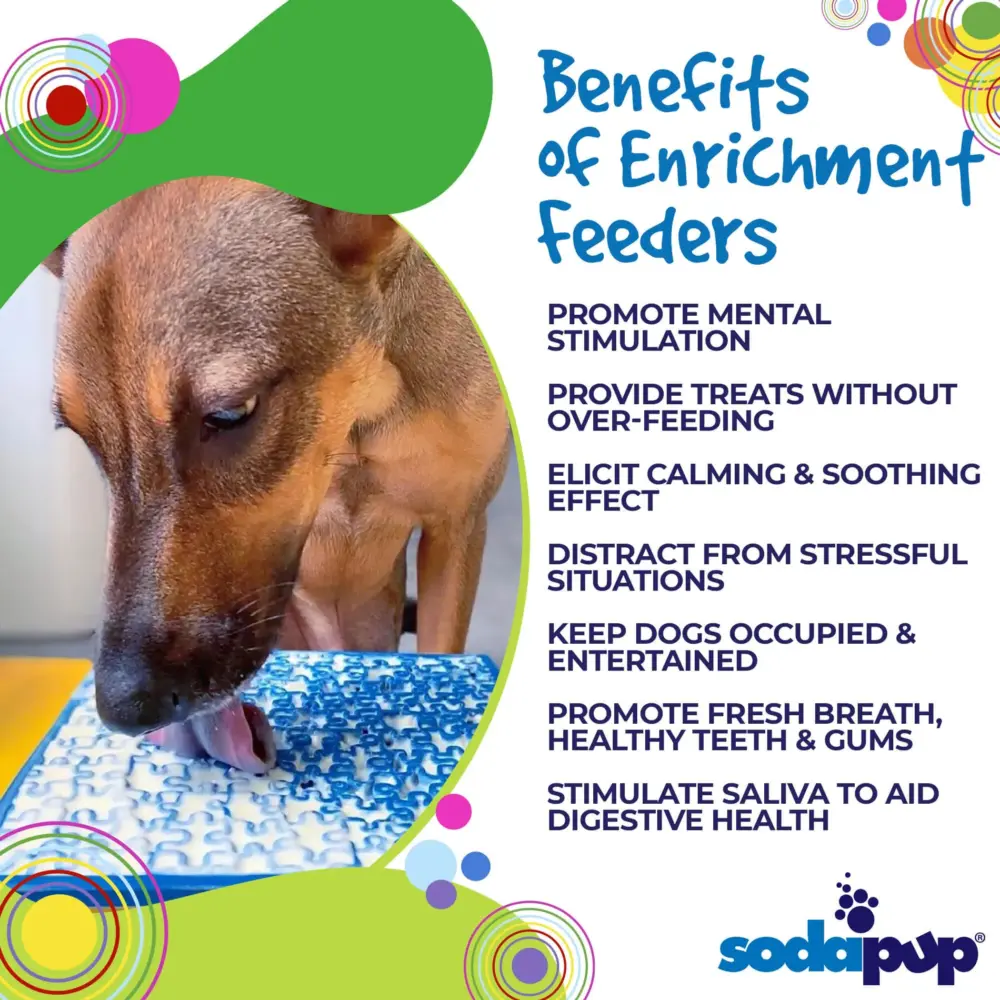
- A frozen lick mat: a thin layer of plain yogurt, xylitol-free peanut butter, pumpkin purée or wet food, frozen flat for a couple of hours. See what to put on a lick mat for spreads to use and avoid.
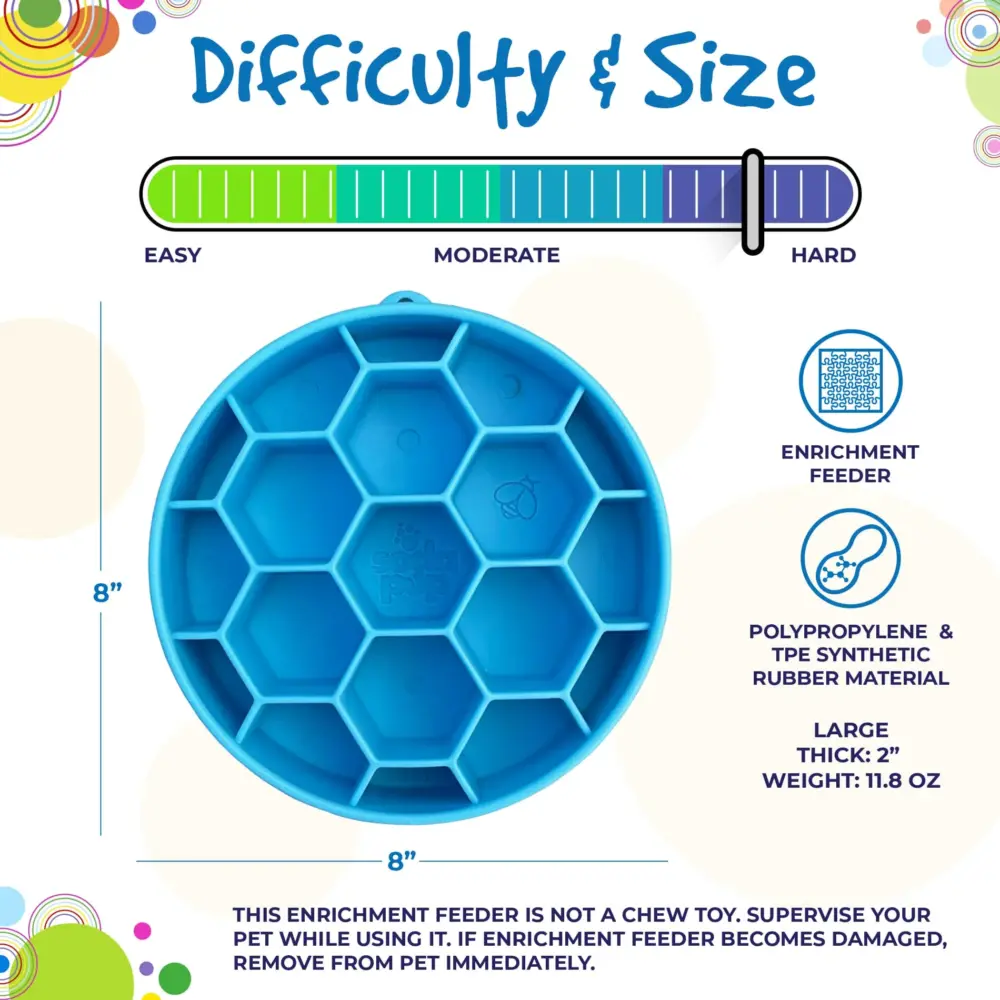
- A frozen meal: part of your dog’s kibble soaked in water until soft, or wet food, pressed into a deep slow-feeder bowl and frozen overnight.
Take the frozen portion out of the day’s food rather than adding it on top, pick it up when your dog is done, since food spoils faster in a warm room, and take the mat away if your dog starts chewing it. Both SodaPup pieces below take frozen fillings and are dishwasher safe; picks on this page are limited to Nilosi’s catalog.
-
SodaPup
Jigsaw Enrichment Lick Mat for Dogs & Cats, Choose color
$25.95
Why it fits: Gives your dog a slow licking job for a hot afternoon; freeze wet food or plain yogurt thin in the grooves, then put it in the dishwasher.
-
SodaPup
Honeycomb Slow Feeder Dog Bowl, View product
$30.95
Why it fits: Turns part of a meal into a frozen puzzle for the hottest hours; the deep honeycomb holds soaked kibble or wet food and is dishwasher safe.


A damp towel under your dog, not over
Spread on the floor, a damp towel gives your dog a cool surface, and a fan nearby speeds the evaporation that carries heat away. Draped over a dog, the same towel soon warms up and holds heat in; VCA’s guide to heat stroke in dogs advises against covering an overheated dog with wet cloths because they can stop heat escaping.
- Soak a cotton towel in cool tap water, not ice water, and wring it until damp, not dripping.
- Lay it flat on the hard floor, out of the sun, with a waterproof layer under it on wood or carpet.
- Place it where your dog already lies, with dry floor beside it.
- Run the fan across it at floor level.
- Re-wet it whenever it feels warm to your hand.
You can also wipe your dog’s paws and belly with a cool, damp cloth and let the fan do the rest.
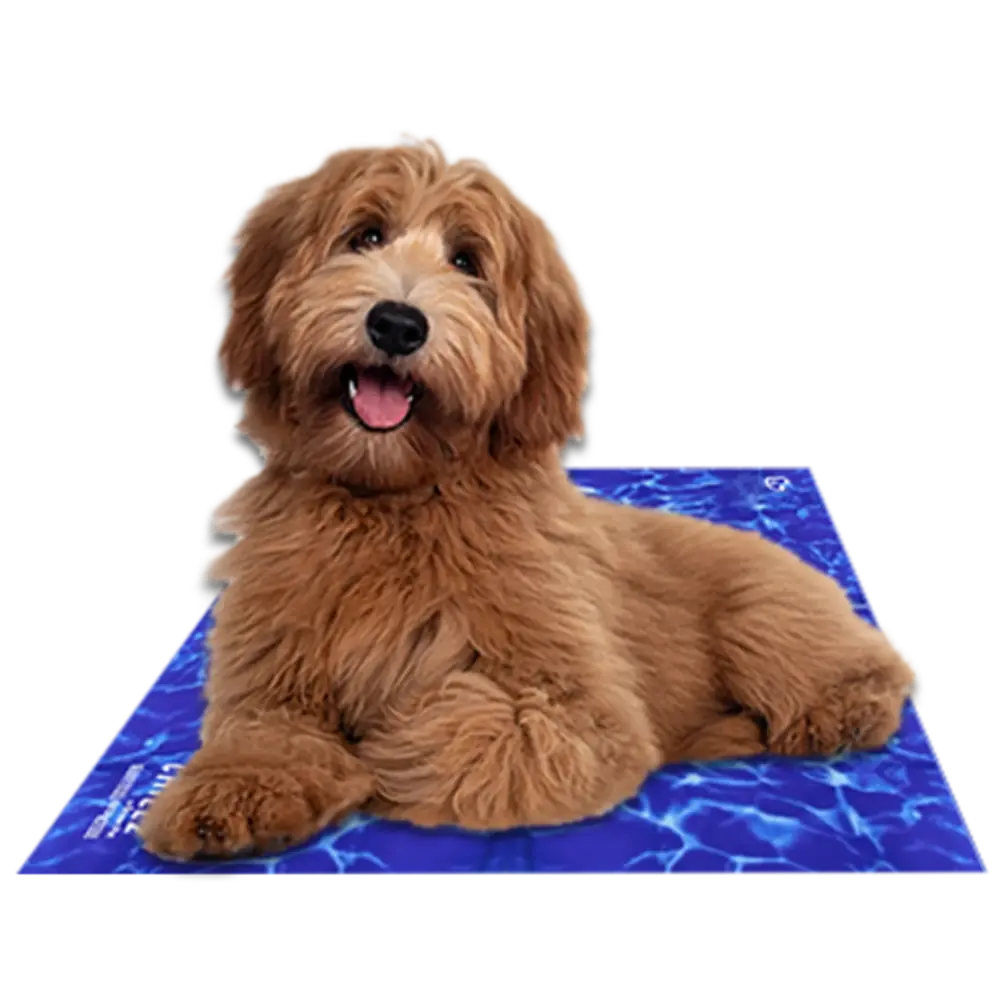
No hard floor for the towel? In a carpeted room, a pressure-activated gel mat such as the Chillz Cooling Gel Mat we stock gives your dog a cool surface with no water, ice or power. It cools where your dog lies, not the room; see do cooling mats work for dogs and cooling mat vs elevated dog bed.
A heat-wave day, morning to night
| When | Do | Skip |
|---|---|---|
| Early morning | Main walk; air out while it’s cool | Long runs or fetch |
| Midmorning | Shut windows and blinds; refill bowls | Waiting until the room feels warm |
| Afternoon | Frozen lick mat, damp towel, rest | Walks, play and car errands |
| Evening | Short walk after a pavement hand test | Hot pavement at sunset |
| Night | Open screened windows; fan pulls air in | A shut room with no airflow |
At midday, a quick bathroom break on shaded grass is enough. If you’ll be out, nobody is there to re-wet the towel or notice hard panting, so if the cool room is borderline even with you home, arrange daycare or a friend’s air-conditioned house for the hottest days.
When it’s too hot to stay: where to go
Shade, fans and frozen food make a warm house bearable, not a hot one safe. Make the move the evening before the worst heat, not mid-afternoon with a panting dog. Plan to go when:
- The cool room reads close to 90°F in the afternoon.
- Your dog is at higher risk. The ASPCA singles out flat-faced, older and overweight pets, plus any with heart or lung disease, as the ones to keep in air conditioning as much as you can; the AKC’s guide to heatstroke in dogs adds puppies and conditions such as laryngeal paralysis.
- Nights stay hot, so the house never airs out and each day starts warmer.
- The National Weather Service issues an extreme heat warning, its alert for extremely dangerous heat.
- The power goes out, or you’ll be gone for hours.
- Your dog pants hard while resting in the coolest room, or can’t settle.
Where to take your dog
- A friend or relative with air conditioning. Ask before the hottest day, and bring your dog’s bed, bowls and food.
- An air-conditioned daycare or boarding kennel. Ask how rooms are kept cool and which vaccination records they need.
- A cooling center that admits pets. The CDC suggests dialing 2-1-1 or contacting your local health department to find air-conditioned places. Not every center accepts pets, so ask first.
- A pet-friendly hotel, if the heat is forecast to break soon.
If heat waves are a regular part of summer where you live, a window or portable unit for one room may be worth more than every workaround here. On the drive, cool the car first and never leave your dog in it parked, even with the engine running; keeping a dog cool in the car explains why.
Heat-stress signs that need a veterinarian
A dog that’s coping pants lightly, sleeps more and sprawls on the coolest floor. The AKC lists heavy panting or rapid breathing, excessive drooling, bright red gums and tongue, and skin hot to the touch among the early signs of heatstroke; call your veterinarian as soon as you see them. Pale or bluish gums, collapse, disorientation or seizures are an emergency. At home, also watch for panting that doesn’t slow after your dog has rested in the coolest room for a while.
While you call
- Move your dog to the coolest place you can, ideally an air-conditioned room or car with you in it.
- Wet them with cool, not cold, water on the head, belly, armpits and paws, as VCA advises, and put them in front of a fan. Don’t drape wet towels over them.
- Offer room-temperature water if your dog is alert and able to drink, as the AKC suggests.
- Head to your veterinarian or an emergency clinic in a cooled car.
Safety note
Cooling your dog at home is first aid, not treatment. Call while you cool, not after, and keep the appointment even if your dog seems to recover; the AKC says a veterinary visit matters to check for internal damage.
Mistakes and troubleshooting
- Covering your dog with a wet towel, or a crate with a damp sheet.
- Ice packs, icy baths or rubbing alcohol. VCA says ice packs and rubbing alcohol are no longer recommended for cooling; cool tap water does the job.
- Shaving a double coat. The ASPCA says coat layers protect dogs from overheating and sunburn; brush out loose undercoat instead, as should you shave your dog in summer explains.
My dog won’t stay in the cool room
Many dogs would rather be warm near you than cool alone. Work from that room in the hottest hours if you can, move their bed and water in, and serve the frozen lick mat there.
My dog ignores the damp towel
Put it on the exact spot your dog already picks, and wring it drier; some dogs dislike a soggy surface. A dog who prefers bare tile is cooling off just as well.
My dog is drinking less than usual
Refresh the water more often, add a bowl in a new spot, and freeze soaked kibble so some water arrives with food. If your dog still drinks much less than normal, seems lethargic or won’t eat, call your veterinarian.
Nights are hot and my dog can’t settle
Let them sleep in the coolest room, open screened windows once it’s cooler outside, and run the fan across a damp towel at bedtime. Restless, heavy panting at night is a reason to move your dog somewhere air-conditioned and call your veterinarian, not to wait for morning.
Related guides
-
How-to
How to Keep a Dog Busy While Working From Home: A Workday Plan
A workday plan for dogs whose people work from home: exercise before the first call, a bed beside the desk, a settle cue, quiet lick-mat jobs for meetings, short breaks, a calm fix for demand barking and practice at time apart.
-
How-to
How to Keep a Cat Cool in Summer: Cool Spots, Water and Heat Signs
A hot-day plan for indoor cats: why panting is a red flag, heatstroke first aid, blinds and safe airflow, extra water, a cool floor or gel mat, brushing instead of shaving, play at the cool ends of the day, and leaving your cat home in the heat.
-
How-to
Back-to-School Routine for Dogs: Helping Your Dog Adjust
A two-week plan for families whose dog got used to company all summer: move wake-up, walks and meals early, give a real morning walk and a breakfast that takes time, cover the empty midday, keep departures calm, and know the signs that call for a veterinarian or trainer.