Seasons & Gifts How-to
How to Keep a Cat Cool in Summer: Cool Spots, Water and Heat Signs
Short answer
Keep the sun out and the air moving, put fresh water in several rooms, and give your cat a cool floor or gel mat to stretch out on. Brush more often instead of shaving, and save play for early morning and evening. A cat that pants while resting in the heat needs a veterinarian right away.
Signs your cat is too hot
Most cats handle a warm day by doing less. A cat that is warm but coping usually:
- Stretches out flat on tile, wood or the bathroom floor instead of curling up in a bed.
- Naps in the bathtub, the sink or a shady corner.
- Sleeps more through the hottest hours and shows less interest in play.
- Still eats, drinks, uses the litter box and wakes up normally once the evening cools.
Why panting is a red flag in cats
Dogs pant to cool off every summer day; cats rarely do, so panting in a cat deserves attention. A few open-mouthed breaths right after a hard burst of play can happen, and they should stop within a few minutes of rest. Panting while lying still, open-mouth breathing in a warm room, or panting that doesn’t settle is a reason to call your veterinarian right away, and heat isn’t the only possible cause.
Heatstroke signs, and the cats most at risk
International Cat Care’s advice on hazardous weather and your cat lists excessive panting, lethargy, drooling, a high temperature, vomiting and collapse among the signs of heatstroke. The ASPCA’s hot weather safety tips add difficulty breathing, a faster heart and breathing rate, weakness and stupor. The ASPCA also says flat-faced breeds such as Persians are more prone to heatstroke because they can’t pant as effectively, and that these cats, along with older and overweight pets and those with heart or lung disease, should be kept in air-conditioned rooms as much as possible.
Safety note
If you see heatstroke signs, the Cornell Feline Health Center’s feline heat safety advice is to move your cat to a cool area with a draft, gently wet the fur with cool, not very cold, water, and call your veterinarian immediately. Cooling at home is first aid only, so don’t wait to see whether your cat recovers on its own.
A hot-day routine, step by step
This routine works with or without air conditioning; without it, every step counts for more. What you need:
- An indoor thermometer in the room where your cat spends the day, so you know how warm that spot really gets.
- Blinds or curtains on the windows that get direct sun.
- Secure screens on any window you plan to open.
- Two or three extra water bowls, wide rather than deep.
- A cool surface: bare tile, or a gel cooling mat for carpeted rooms.
- A brush that suits your cat’s coat, for short sessions in the cool of the day.
- A lick mat for a chilled evening snack.
We don’t sell thermometers, blinds or cat water bowls. The gel mat and lick mat below come from Nilosi’s catalog, and picks on this page are limited to what we carry; the brushes follow in the coat section.
-
The Green Pet Shop
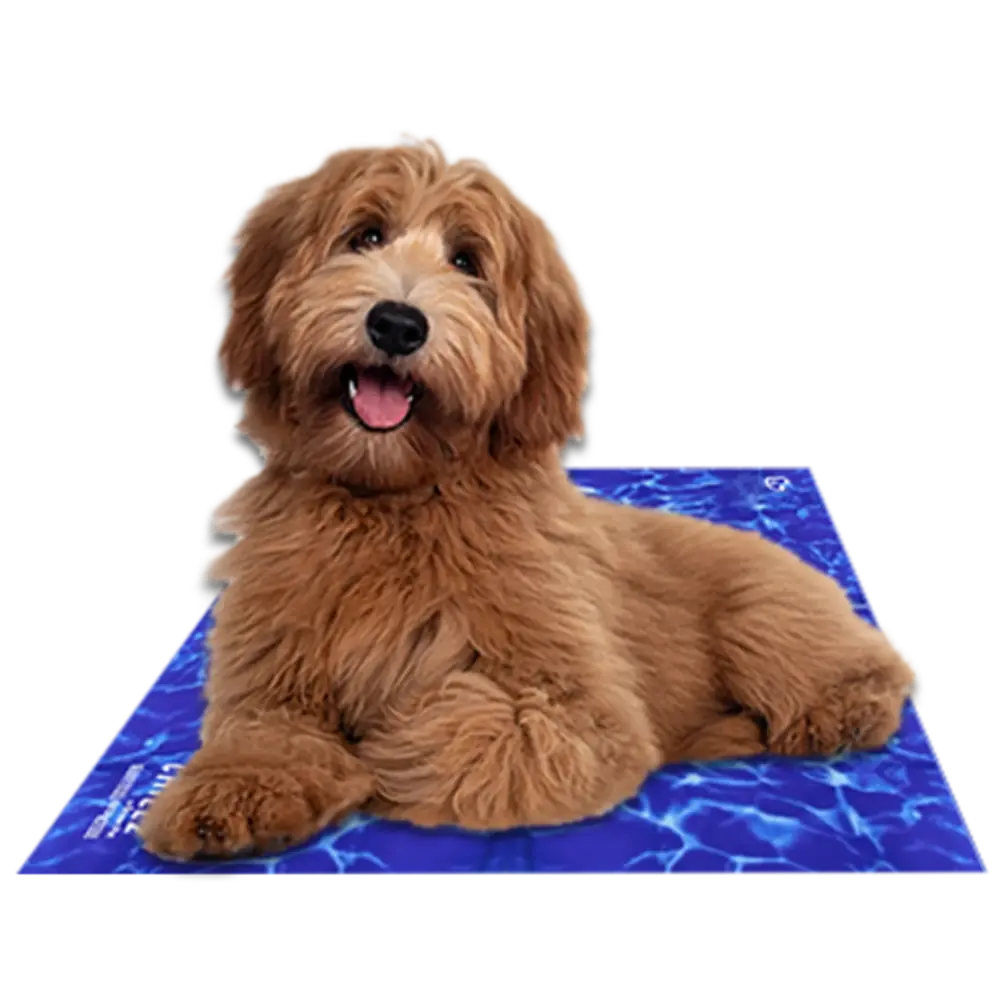
Chillz Cooling Gel Mat for Dogs & Cats, View product
$45.95
Why it fits: Gives a sprawling cat a cool surface in a carpeted or upstairs room; it recharges on its own between naps with no power, water or ice.
-
SodaPup
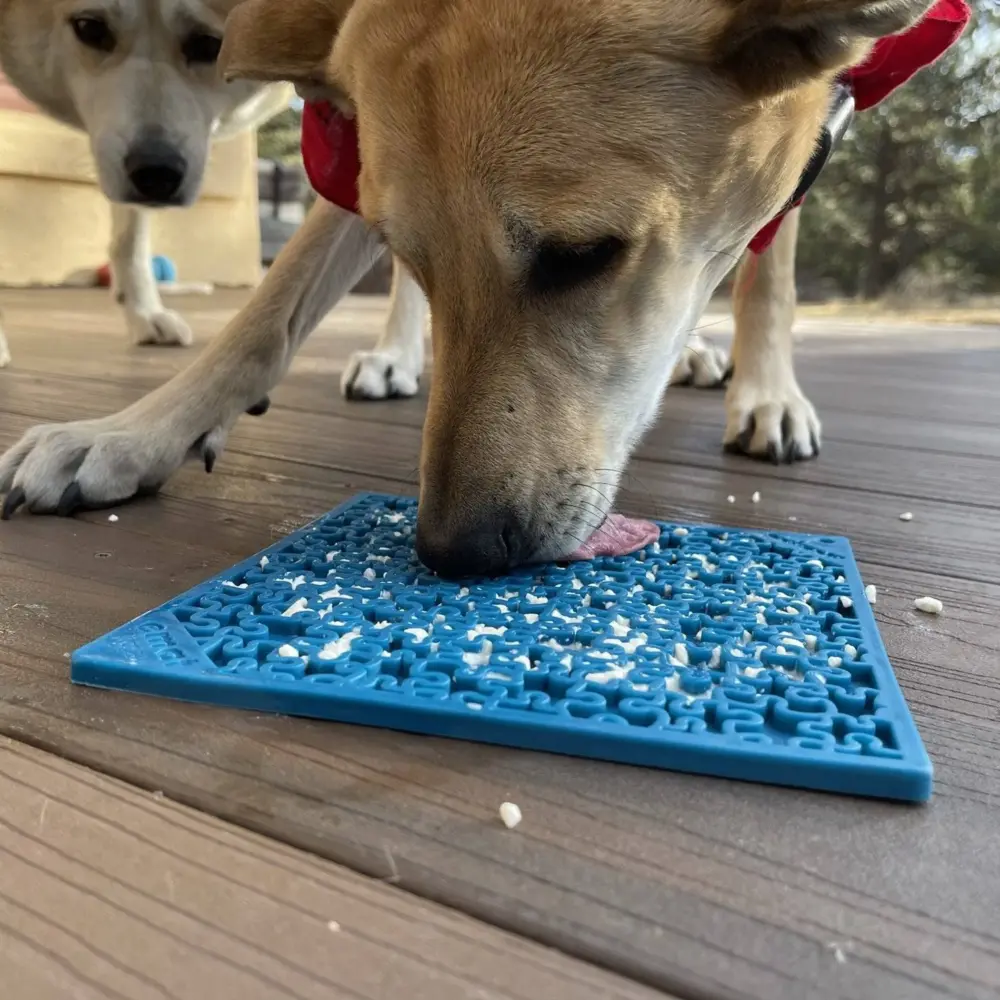
Jigsaw Enrichment Lick Mat for Dogs & Cats, Choose color
$25.95
Why it fits: Holds a thin layer of smooth wet cat food for a chilled evening snack; it suits cats as well as dogs and goes in the dishwasher afterward.

- Shut out the sun early. Close blinds or curtains on east- and south-facing windows before the sun reaches them, and on west-facing ones by early afternoon.
- Air out while it’s cool. If it’s cooler outside than in at dawn, open screened windows for a while, then close them before the day warms up.
- Refresh the water. Empty, rinse and refill every bowl, and add one in the room your cat naps in.
- Play early. Give your cat a short game before the heat builds, then let them rest.
- Open the cool rooms. Prop open the doors to the bathroom and any tiled room, and lay the cooling mat in the shadiest spot.
- Leave the afternoon alone. Let your cat sleep through the hottest hours, with no play or grooming. Check the thermometer, and if that room keeps heating up, open a cooler one or turn on the AC.
- Cool the evening. Once it’s cooler outside than in, open the screened windows again to let the cooler air through.
- Play, snack and refill. Play again at dusk, offer the lick mat, refill the bowls and leave interior doors open overnight so your cat can pick the coolest room.
Set up the house to stay cooler
Block the sun
Sun through a window heats a room fast, so closed blinds by day are the cheapest cooling you have, and lined or blackout curtains block more heat than sheer ones. If your cat basks on a sunny sill, close that blind around midday and leave them the morning sun.
Move the air, safely
iCatCare suggests opening windows to let in a breeze, and a fan to circulate air when someone is there to supervise. Open only screened windows: the ASPCA advises keeping unscreened windows and doors closed and making sure adjustable screens are tightly secured, so check each one first. Set a fan on a stable surface where your cat can walk away from the draft, with the cord out of reach. With air conditioning, the simplest move on a hot day is to keep it running.
Give them a cool floor
Cats find cool surfaces on their own: tile, stone, a bathtub, a shaded wood floor. Your job is mostly access. Leave the bathroom door open, roll back a rug that covers a tiled patch, and keep the coolest room open while you are out. iCatCare also suggests frozen water bowls wrapped in a towel or blanket, and Cornell suggests ice packs wrapped in blankets, to make a cool spot to rest beside. Sharing the house with a dog? Our plan to keep a dog cool without AC covers the same heat wave from the dog’s side, including when it’s time to move somewhere cooler.
More water bowls, refreshed often
Many cats drink little from a bowl, and the ASPCA notes that pets can get dehydrated quickly in hot weather, so make water easy to find. iCatCare suggests setting out several bowls and replacing the water several times a day. Put one in each room your cat naps in and on every floor, away from the food and the litter box, and fill wide, shallow bowls to the brim. For bowl styles, fountains and adding moisture through wet food, see how to get a cat to drink more water.
Wet food spoils faster in a warm room, so pick up what your cat leaves after a meal rather than leaving it out all afternoon. And if your cat suddenly drinks much more or much less than usual, mention it to your veterinarian; weather explains some of the change, but not all of it.
A cooling mat, and where to put it
A gel mat earns its place where there is no cool floor to lie on: a carpeted bedroom, an upstairs apartment, the top of your cat’s usual bed. Cornell lists cooling mats among its heat-safety tips. The Chillz Cooling Gel Mat we stock needs nothing to fill, freeze or plug in: the gel starts cooling under your cat’s weight and resets by itself once your cat has been off it for a few minutes. It cools the spot your cat lies on, not the room.
- Where your cat already rests. iCatCare suggests cool mats in much-loved resting spots, where your cat is most likely to find one.
- Out of direct sun. Sunlight warms the gel before your cat ever reaches it.
- In the coolest room you have. The mat adds to a shaded, airy room; it can’t stand in for one.
- Next to a choice. Leave a regular bed or bare floor nearby so your cat can move off it.
Offer the mat rather than placing your cat on it. The gel isn’t meant to be chewed, so supervise a cat that digs at or bites bedding, and remove the mat if the surface tears. Our guide to choosing a cat bed your cat will actually use compares the mat with caves and cuddler beds.
Brush out loose undercoat instead of shaving
VCA’s guide to grooming and coat care for your cat says most cats, even long-haired ones, cope well with hot summer temperatures without a haircut, and that cats in cooler climates often go through heavy shedding in late spring and late fall. The ASPCA’s hot-weather advice for cats is to brush more often than usual. Regular brushing lifts out loose undercoat before it felts into mats, which pull on the skin and are uncomfortable in any weather.
- Long, silky or curly coats: daily, as VCA recommends, in short sessions split by body area.
- Short coats: a little more often than usual, as the ASPCA suggests, a few minutes at a time.
- Timing: early morning or evening, after a meal or a nap, never in the hottest part of the day.
- Pressure: light, short strokes with the lie of the coat, especially with a slicker’s fine pins.
-
3-in-1 Steam Grooming Brush for Cats & Dogs, View product
$36.95
Why it fits: Lifts loose hair from short coats with soft silicone pins, and its fine mist settles the hair so less of it floats around the room.
-
Sakabase
Curved Slicker Brush, View product
$39.95
Why it fits: Reaches the undercoat on cats with medium or long hair, where shed hair collects before it mats; the curved head covers more coat per stroke.


If a long-haired cat mats badly, ask a groomer or your veterinarian about a trim. VCA advises removing mats with clippers, never scissors, and leaving at least an inch of coat on a cat that goes outside in summer. Our guide to shaving vs brushing out in summer has a section on long-haired cats and lion cuts.
Play and snacks at the cooler ends of the day
Cats are naturally most active around dawn and dusk, which are also the coolest hours of a summer day. Move play there: two short sessions with a wand toy, one early and one late, rather than a long game in the afternoon. Stop when your cat lies down mid-chase, flops on the floor or starts breathing with an open mouth, and let them cool off; if the panting doesn’t settle within minutes, call your veterinarian.
A chilled lick mat snack
Spread a thin layer of smooth wet cat food into the grooves of a lick mat and freeze it just until it firms, then let it sit a few minutes so it is cool rather than icy. Many cats ignore cold food, so if yours walks away, try it chilled from the fridge or at room temperature. Use part of the day’s food rather than extra, stay nearby and take the mat away if your cat starts chewing it, and wash it after each use. For cat-friendly spreads and what to leave off, see what to put on a lick mat.
Leaving your cat home on a hot day
A cat home alone can’t open a door to a cooler room or tell you the only bowl has tipped over. Before you go:
- Leave the AC on, set to a moderate temperature, rather than off. Without AC, close the blinds and open the interior doors to the coolest rooms.
- Skip the unattended fan. iCatCare suggests fans when you can supervise, so rely on shade and cool floors while you are out.
- Water in at least two places, in case one bowl tips or runs dry.
- Screens secure, unscreened windows shut. A window left open a few inches is still a way out.
- Closets, garage and sunroom checked before you close them. iCatCare warns that a cat shut in a room that gets very hot, a shed or a car is at risk of heatstroke.
- A check-in on long, very hot days, from a neighbor or sitter with a key, in case the power or the AC fails while you are gone.
Never in a parked car
Don’t leave a cat in a parked car, even for a short errand or with the windows cracked; the ASPCA warns that it can lead to fatal heatstroke. For hot-weather trips to the vet or a move, our guide to keeping a dog cool in the car has a section on cats in carriers, along with cooling the car before you set off.
Mistakes and troubleshooting
- Reaching for the clippers. A shave is for mats or medical reasons, not the weather.
- Shutting your cat in one room without checking how hot it gets by mid-afternoon.
- Using dog or human products on your cat. The ASPCA says sunscreen and insect repellent should be labeled for animals; for a cat, check that the label says cats. iCatCare warns that permethrin, often found in spot-on dog flea treatments, can cause serious illness and even death in cats. Ask your veterinarian about a pet-safe sunscreen for a light-colored cat that goes outside.
My cat ignores the cooling mat
Move it to wherever your cat lies on hot afternoons, out of the sun, and leave it there for a few days. A cat who keeps choosing the tile is cooling off either way, so you can move the mat to a carpeted room that has no cool floor.
My cat sleeps all day when it’s hot
More napping in the heat is common. A cat who wakes, eats and moves normally once the evening cools is usually just saving energy. A cat who is hard to rouse or unsteady in the heat needs a veterinarian right away, and one who skips meals or keeps hiding deserves a call too.
Related guides
-
Guide
Can Dogs and Cats Share Water Bowls, Beds and Brushes?
A healthy dog and cat can share a water bowl, beds, cooling mats and grooming tools if you clean them between pets; food, the litter box and small toys stay separate. Here's the item-by-item guide, plus when to stop sharing and the dog flea products that can poison cats.
-
How-to
How to Use a Slicker Brush Without Scratching the Skin
A slicker scratches when it is gripped hard and pressed in. Here’s how to hold one, test your pressure on your own forearm, brush in sections down to the skin, ease out a small tangle, handle thin-skinned spots and cats, and spot brush burn early.
-
How-to
How to Groom a Senior Dog at Home: Brushing, Nails and Lump Checks
Many older dogs tire of standing, and shorter walks wear their nails down less. Here is how to set up a comfortable spot, brush gently by coat type, keep nails short, clean up between baths, check for lumps as you go and know when a groomer or veterinarian should take over.