Seasons & Gifts
Holidays and cold snaps change the routine, and pets notice. In October, Halloween safety tips for dogs plans the doorbell, the candy and the first dark walk. Through the winter, how cold is too cold to walk a dog shows the signs it is time to head home.
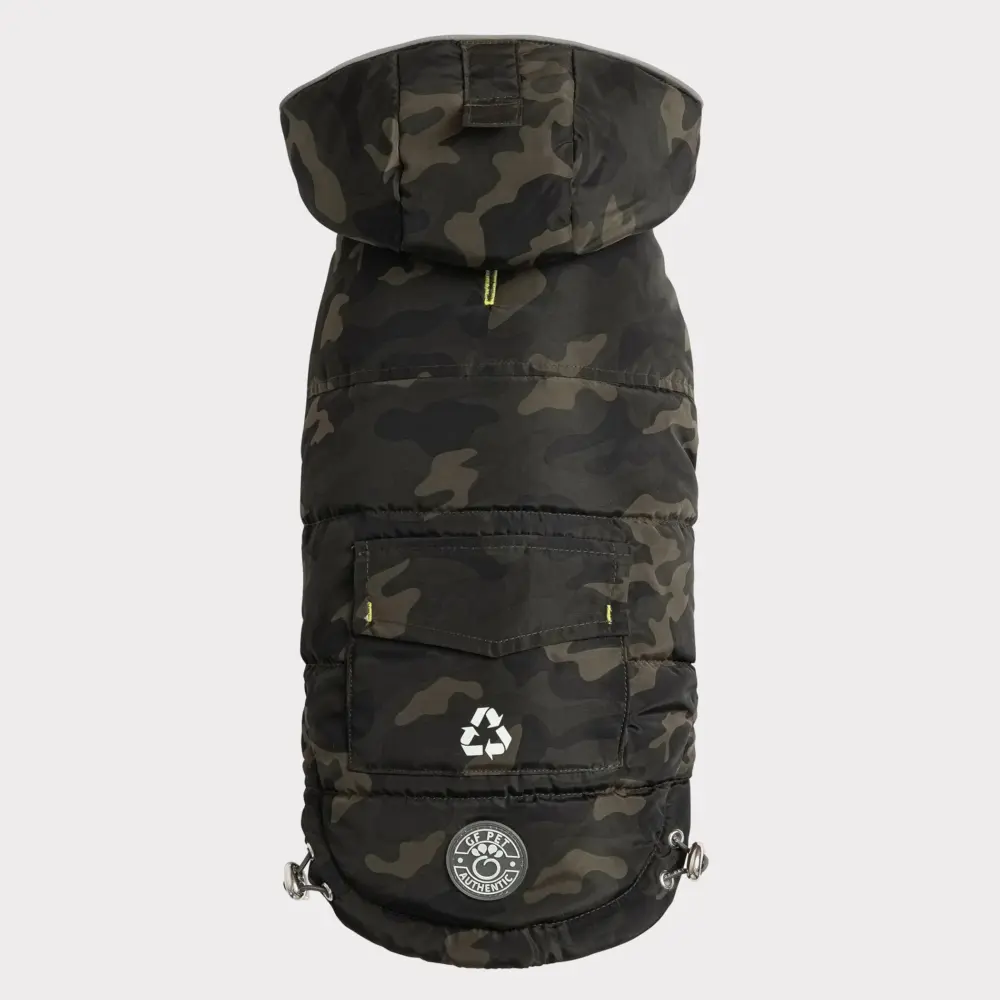
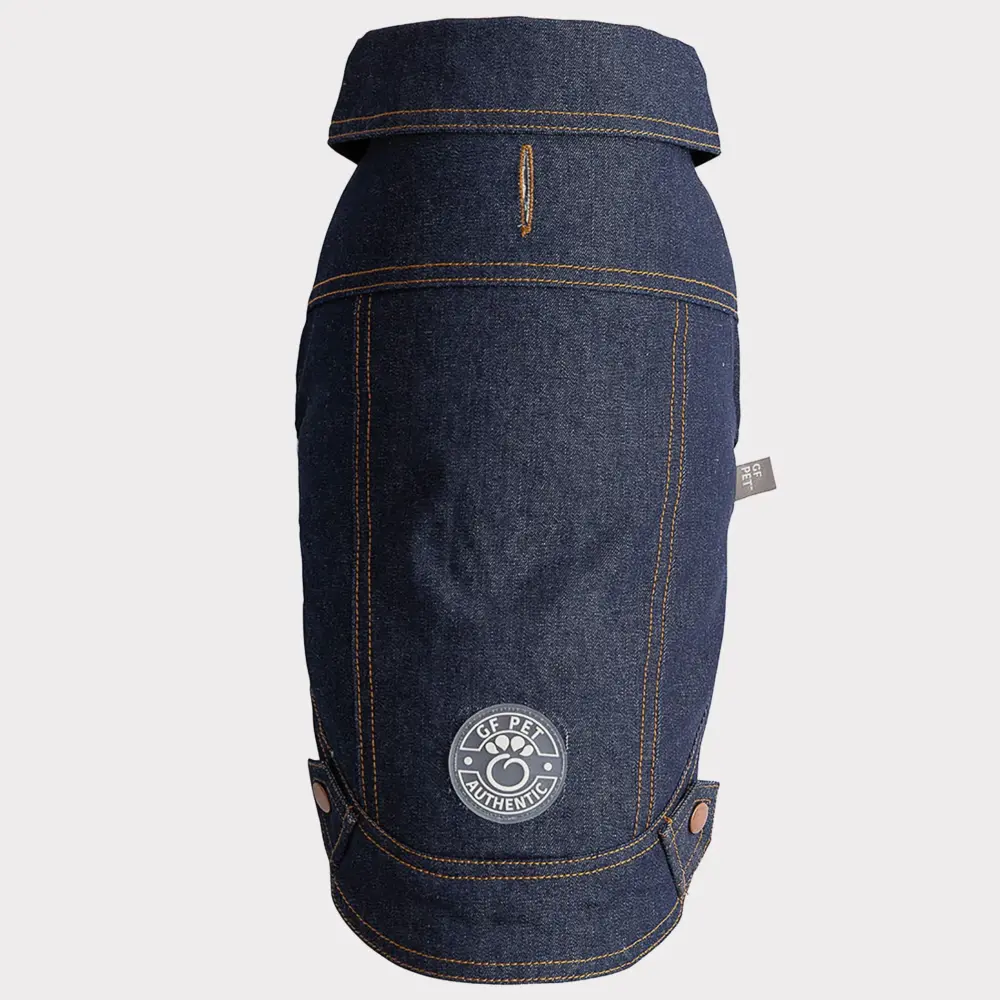
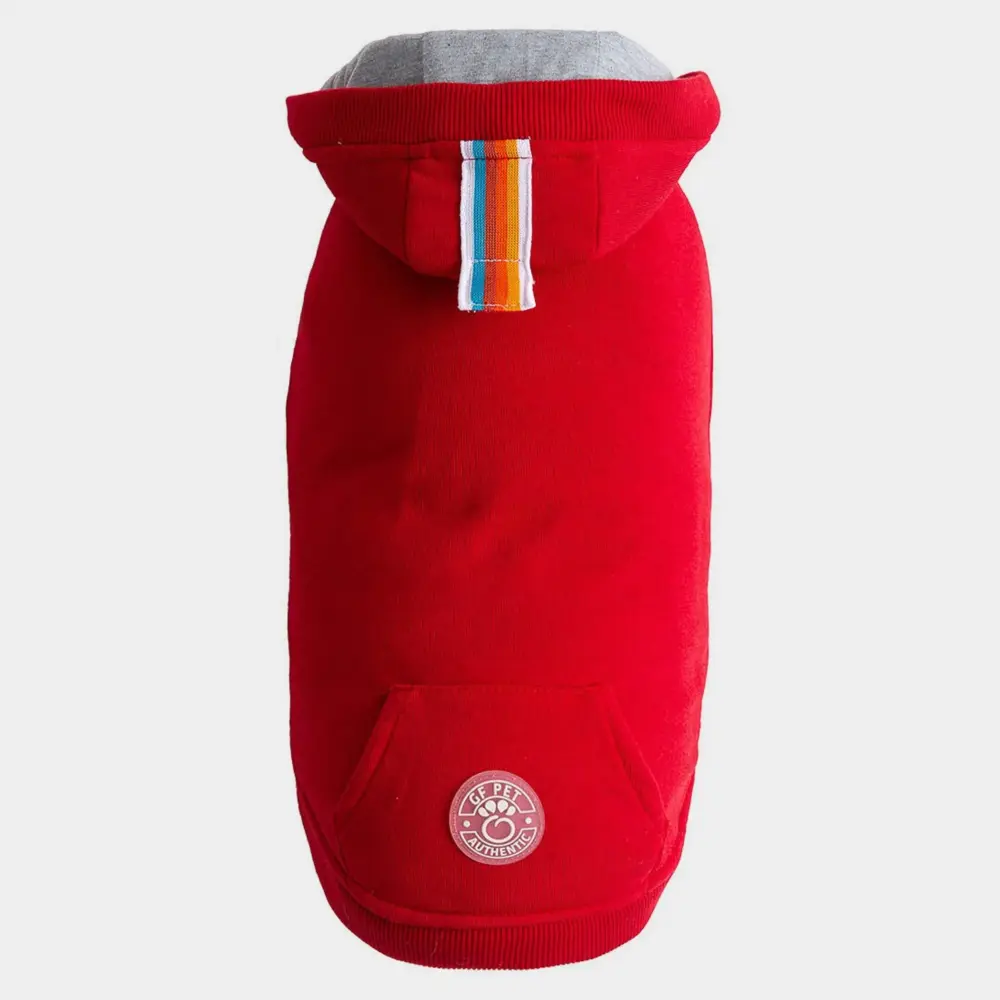
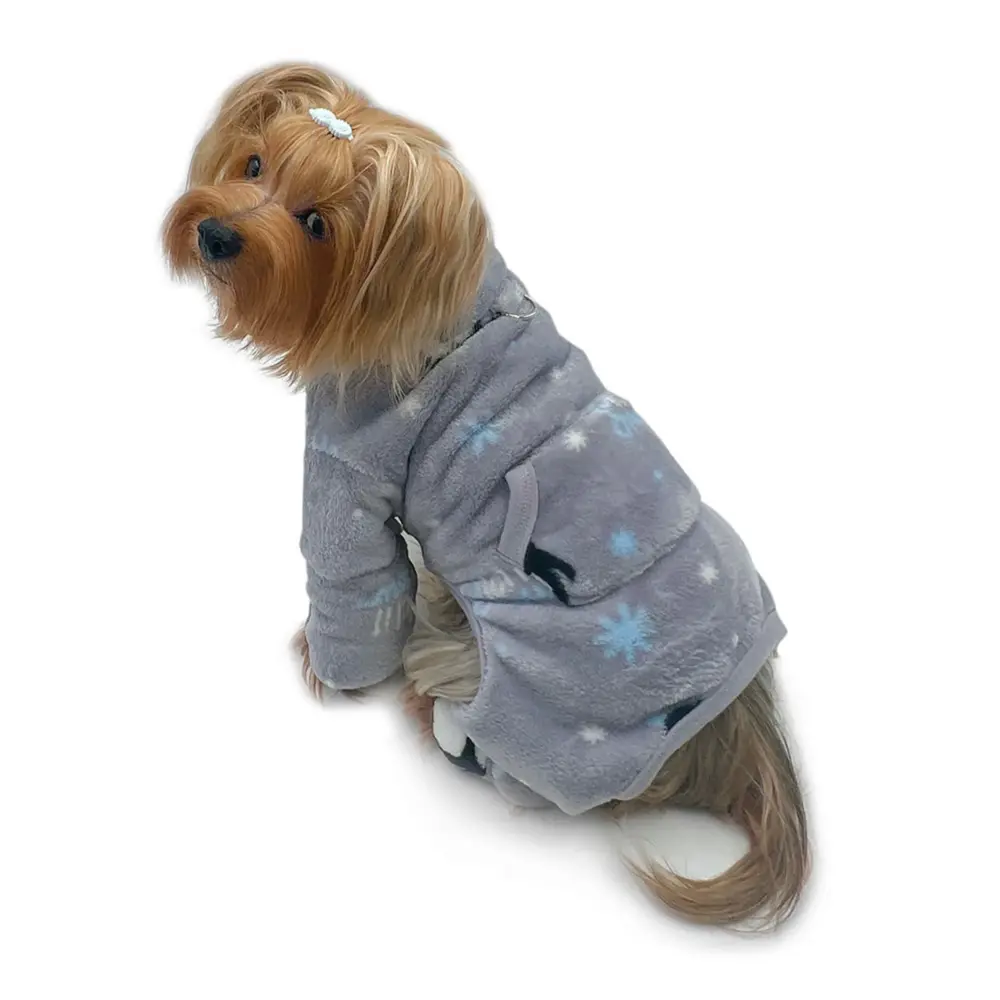
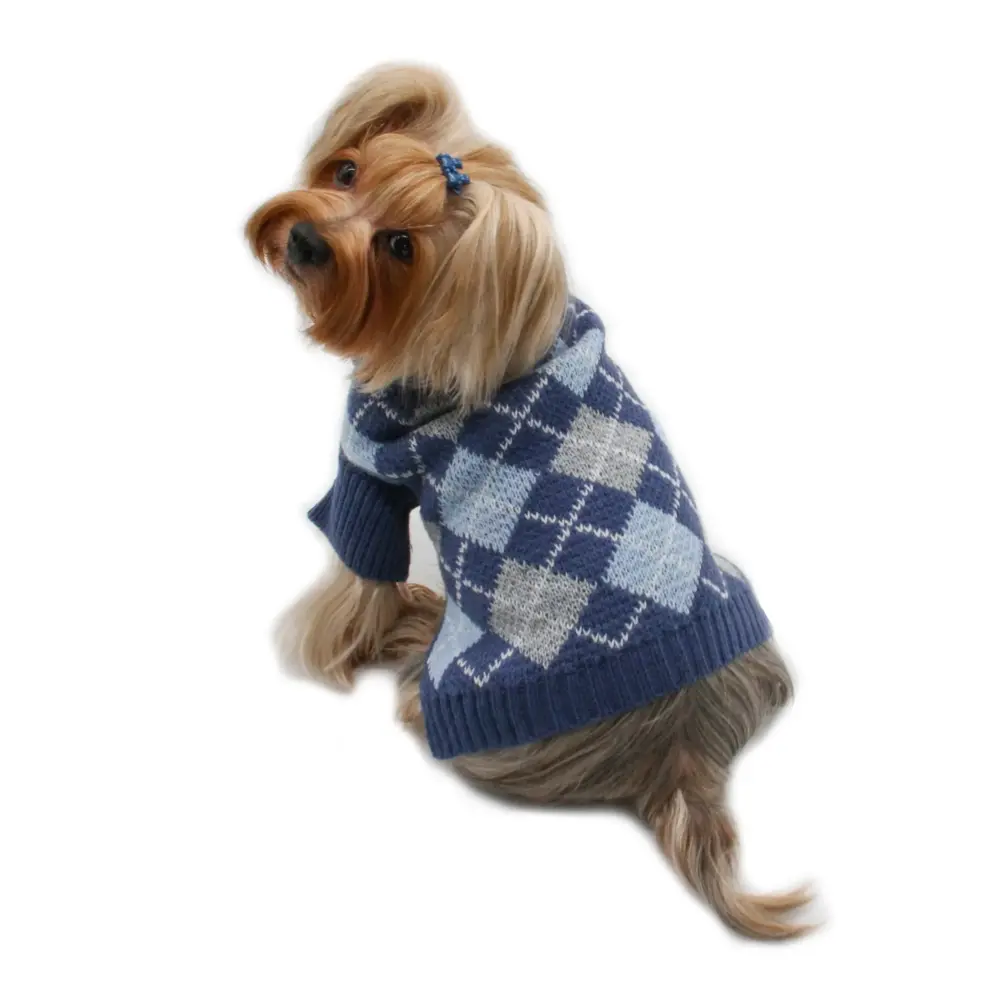
Shopping for someone with a dog? Practical gifts for dog owners sticks to things that make a daily chore easier, and cat owners will find Christmas gift and tree guides here too. If your pet eats something it shouldn't, call your veterinarian or a pet poison line right away. For chilly walks, see our coats for small dogs.
-
How-to
Harness Under or Over a Dog Coat? How to Layer Them Properly
Two pieces of gear on one dog is a mechanical problem nobody explains when you buy either of them. This covers when the harness goes underneath, when it goes on top, what a leash opening is for, and how to stop a coat twisting halfway down the street.
-
Buying guide
Dog Jacket Linings Explained: Fleece, Sherpa, Quilted and Reversible
The shell gets the attention and the lining does the work. This explains what fleece, sherpa and quilted fills each contribute, why bulk matters as much as warmth, when a reversible jacket earns its price, and how to match a lining to your climate.
-
Comparison
Dog Hoodie vs Sweater: Warmth, Fit and Which One Stays On
Both are indoor layers and they behave differently in every way that matters. This compares fleece against knit for warmth, how each one fits awkward shapes, whether the hood is worth anything, and which survives being washed every week.
-
Guide
Do Dogs Need Pajamas? When Sleepwear Is Useful and When It Is Not
Indoor sleepwear is either a sensible layer or a costume, depending on the dog. This covers which dogs lose heat indoors, the safety rules that apply to anything worn unsupervised overnight, and the cases where pajamas solve a real problem such as itchy skin.
-
Buying guide
Which Dogs Actually Need a Coat, and Which Do Not
Coat type matters more than temperature, and some dogs are worse off wearing one. This guide sorts dogs into those who need insulation, those who need a shell, and those who need nothing at all.
-
Comparison
Dog Raincoat vs Winter Coat: Which One Your Dog Needs
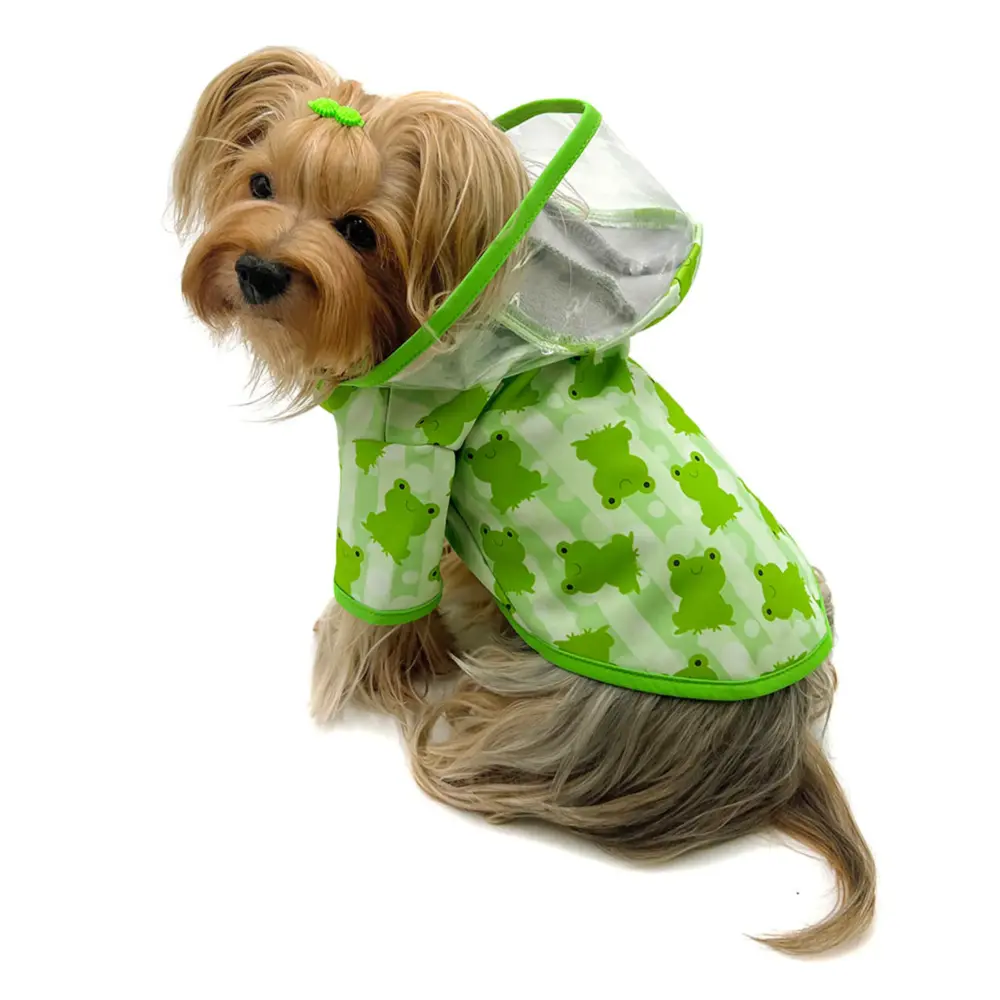
A raincoat keeps water out and a winter coat keeps heat in, and the two are not interchangeable. This comparison covers what each does, why wet cold is the worst case, and which dogs need both.
-
How-to
How to Wash Dog Coats, Sweaters and Pajamas
Dog clothing has washing problems of its own: knitwear shrinks, fleece mats, velcro destroys everything it touches and heat ruins water-resistant coatings. This guide covers each material and how often washing is actually needed.
-
How-to
How to Measure a Dog for Clothes: Neck, Chest and Back Length
Dog clothing sizes are not standard between brands, which is why guessing produces returns. This guide covers the three measurements that matter, how to take them accurately, and how to handle dogs whose shape breaks the chart.
-
Comparison
Pet-Safe Ice Melt vs Rock Salt: Is It Really Safer for Dogs?
Pet-safe ice melt is usually gentler on paws than rock salt or calcium chloride, but the label has no set standard and some formulas can still upset a dog’s stomach. Compare the options side by side, see what to check on the bag, when sand or a shovel beats any melt, and how to rinse paws after walks.
-
Checklist
How to Keep Pets Warm During a Power Outage: A Winter Storm Plan
A winter storm plan for dogs and cats when the heat goes off: what to have ready, how to set up one warm room, bedding and coats that work without power, carbon monoxide and candle safety, short potty trips, and the signs it’s time to take your pets somewhere with heat.
-
How-to
How to Keep a Dog Calm and Safe During Fireworks
A fireworks plan for the Fourth of July and New Year’s Eve: ID and harness checks, an early walk and dinner, a quiet den, a licking job, how to comfort a scared dog, practice for next year, cats, and when to call your veterinarian.
-
How-to
How to Keep a Dog Cool Without AC in a Heat Wave
Without air conditioning, a heat wave comes down to one well-chosen room: shaded windows, moving air, water in several places, frozen food for the hottest hours and a damp towel underneath. Here's how to set it up, when it stops being enough and which heat-stress signs need a vet.