Seasons & Gifts Comparison
Pet-Safe Ice Melt vs Rock Salt: Is It Really Safer for Dogs?
Short answer
Usually, but “pet-safe” means gentler, not harmless. Rock salt and calcium chloride can hurt paws and are risky when licked off; “pet safe” has no labeling standard, the ASPCA notes, and the AKC says some contain urea, which can cause vomiting. On your steps, shovel first, add a little pet-labeled melt or sand, and rinse paws after every walk.
Rock salt vs pet-safe ice melt at a glance
The real difference is what’s in the bag. Rock salt is sodium chloride, and many standard melts are calcium chloride or a blend of chloride salts. Products sold as pet-safe or pet-friendly change the formula, and the ingredients differ from brand to brand. Here is how the common choices compare for a dog who crosses them every day:
| Option | Main ingredient | On paws | If licked or eaten | Melts ice? |
|---|---|---|---|---|
| Rock salt | Sodium chloride | Harsh on pads (ASPCA, AKC) | Can push sodium too high (ASPCA) | Yes; slows as it gets colder |
| Chloride blend | Calcium, magnesium or potassium chloride | Can hurt pads, per the AKC | Can be harsher on the gut (ASPCA) | Yes; calcium chloride works colder |
| Pet formula | Varies; often urea or magnesium chloride | Sold as gentler; no label standard | Urea may cause drooling, vomiting | Yes; check the label’s range |
| Sand | Sand or traction grit | Grit can lodge between toes | Rinse it off; don’t let them eat it | No; adds grip only |
| Shoveling | Nothing | Nothing left on the pads | Nothing to lick | No; clears snow before it packs |
Tip
Every row except the shovel still ends with a paw rinse. You decide what goes on your own steps, but not on the sidewalk, the store parking lot or the neighbor’s driveway, and you can’t tell by looking which product is down.
What rock salt and calcium chloride do to paws
Sodium chloride and calcium chloride are the workhorse de-icers on roads and sidewalks. The AKC’s guide to keeping your dog warm and safe in winter notes that city streets are coated with both and that these deicing substances can damage paw pads. Its page on which ice and snow melts are safe for dogs adds that some are toxic if a dog swallows them while licking its paws, and the ASPCA’s article on using de-icers around your dog calls rock salt harsh on paws. The trouble shows up in three places:
- On the pads. Repeated contact can leave pads dry, irritated or cracked. The AKC notes that some dogs need a paw balm or moisturizer for dry skin.
- Between the toes. Coarse crystals and grit wedge into the fur and skin between the toes, where your dog feels them with every step. The ASPCA notes that booties can keep salt and sand from lodging there.
- In the mouth. Dogs lick their feet clean once they’re home, so whatever stays on the paws gets swallowed. The ASPCA warns that swallowed rock salt can push sodium to dangerous levels, and that calcium, potassium and magnesium chloride can be even more irritating to the stomach and gut.
Watch for a dog who lifts a paw or stops on salted stretches, limps, licks or chews at the feet after walks, or has pads that look red, raw or cracked. The ASPCA lists limping and paw licking among the signs of irritation, and any of these is a reason to rinse more thoroughly and ask your veterinarian about protecting the pads.
What “pet-safe” does and doesn’t mean
There are no specific requirements for labeling a de-icer “pet safe,” the ASPCA points out, so the words on the bag are the maker’s own description of its formula. These products swap some or all of the standard salts for other ingredients, and some bags say salt-free or chloride-free. For the steps your dog crosses every day they are still the better pick: the AKC says a pet-safe melt can work just as well while helping keep your dog safe, and the ASPCA’s cold weather safety tips say to use pet-friendly ice melts whenever possible. The label has limits, though:
- It doesn’t mean edible. The AKC says some pet-safe melts contain urea, which can cause drooling or vomiting if your dog eats the melt. The ASPCA, while recommending pet-friendly products, still warns that ice-melt chemicals licked off bare paws can make winter walks dangerous.
- It doesn’t always mean chloride-free. The ASPCA says pet-friendly ice melts typically contain urea or magnesium chloride, and magnesium chloride is one of the salts it calls even more irritating to the gut than rock salt. Two bags with similar paw-print labels can differ, so compare the ingredient lists, not the fronts.
- It doesn’t stop the grit. Pellets and crystals of any kind can sit between the toes until they dissolve or get rinsed out.
- It doesn’t reach past your gate. Most of your dog’s walk crosses whatever the city, the stores and the neighbors put down.
Reading the label, and questions for your vet
The AKC’s advice is short: read all the labels on pet-safe melts, and ask your veterinarian if you have questions. Before you buy, check:
- The ingredient list. Look for the active ingredients, not just the claim on the front. If the bag doesn’t list them, check the maker’s website or choose a product that does.
- Pet warnings and first-aid directions. Read them in the store, so you already know what the maker advises if your dog gets into the bag.
- The application rate. The ASPCA advises against overuse. Spreading more than the label calls for leaves extra residue to be tracked in and licked off.
- The lowest working temperature. Below it, a melt does little, and adding more mostly adds residue. Sand is the better choice on those days.
Questions worth asking your veterinarian
- Does my dog have a health condition, or eat a special diet, that makes any de-icer ingredient a particular concern?
- My dog’s pads crack every winter. Would a paw balm or protectant help, and which one? The ASPCA suggests rubbing petroleum jelly or another paw protectant into the pads before going out.
- My dog licks their feet for a long time after winter walks. Is that irritation, and what should I do?
- Which poison control line do you suggest, and what should I do first if my dog eats ice melt?
If a cat uses the same steps, ask about them too, since cats clean their feet by licking.
When each option makes sense
On your own property, the choice is less about one product than about using as little as possible. In order of preference:
Shovel early, every time
Snow cleared before it’s walked on doesn’t get packed into ice, and a shoveled step needs little or no melt. After any melt has done its work, shovel or sweep away the slush so it doesn’t refreeze on the step or ride inside on four wet paws.
Pet-labeled melt on your dog’s daily route
Use it on the steps, the walkway and the path to the potty spot, at the rate on the label, and keep your dog inside while you spread it, as the ASPCA suggests. Sweep up leftover pellets once the ice is gone. Keep it off the potty patch itself; our guide to potty training a puppy in winter explains why that patch should stay untreated.
Sand or grit for grip in deep cold
Sand doesn’t melt anything, but the ASPCA suggests it for traction on walkways and driveways, and it grips right away, even on days too cold for a melt to work. It does track in, and grit wedges between the toes, so plan on the same rinse at the door. Sweep it off the steps once the ice is gone.
Rock salt and calcium chloride, away from paws
These are the two de-icers the AKC names as able to hurt paws. If you already have a bag, save it for areas your dog never walks, such as the far end of a long driveway, and remember that shoes and tires carry it onto the paths your dog does use.
After winter walks: rinse, dry and check the pads
Your steps are a few feet of the walk; the rest is pavement someone else treated. So rinse after every walk on treated sidewalks or lots, even when the paws look clean. The full door routine is in our guide to cleaning dog paws after a walk; for de-icer, these are the steps that matter:
- Before you go, choose snowy grass or cleared paths over heavily salted pavement. For a dog who accepts them, booties or a paw protectant cut down contact with salt and chemicals, the ASPCA says.
- If your dog wears boots, take them off as soon as you get home, as the AKC advises, so the chemicals on them stay out of the house.
- Rinse each paw in lukewarm water, working it between the toes and pads. A paw cup or shallow basin kept by the door makes it quick.
- Clean the belly and legs too. The ASPCA advises washing and drying the feet and stomach after each winter walk, and short-legged dogs drag their bellies through salty slush.
- Dry thoroughly between the toes and around each pad, then look for redness, cracks or raw spots. Those, or limping, are reasons to call your veterinarian.
If ice balls come in with the salt, melt them out first; getting snowballs out of dog fur covers that step by step. On trailhead days, our winter hiking checklist shows how to rinse at the car.
Nilosi doesn’t sell ice melt, sand or dog boots. Our picks are limited to our own catalog and cover the parts of the routine we can help with: the cleanup at the door and fresh water on the walk. More door-side gear is in our clean-up collection.
-
Bark Fifth Avenue
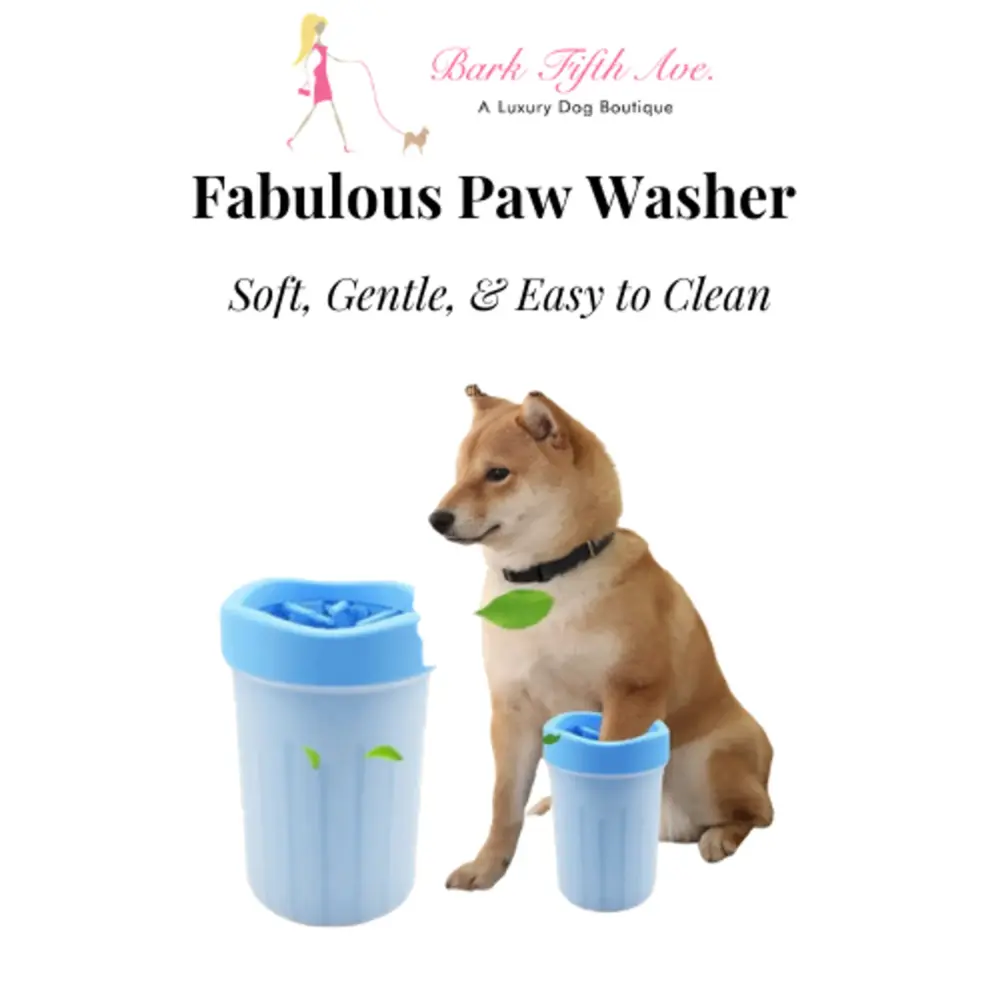
Fabulous Paws Dog Paw Cleaner Cup, Choose size & color
$31.95
Why it fits: Rinses ice melt from between the pads before your dog licks it off, with a little water and soft silicone bristles; water stays in the cup.
-
Mr. Peanut’s
Naturals Pet Wipes
$26.95
Why it fits: Wipes salty slush off the belly and legs after the paw rinse; large, thick 6 x 10 in wipes for when a full belly wash is not practical.
Currently out of stock
-
Flipo
Fold-A-Bowl Dog Water Bottle with Fold-Out Bowl, Choose color
$28.95
Why it fits: Offers fresh water on winter walks, so your dog has less reason to drink curbside slush that can carry de-icer; 26 oz, with a fold-out bowl.



If your dog licks or eats ice melt
The everyday exposure is a lick of a salty paw, which is why the rinse comes first. But dogs also eat snow, drink from slushy puddles and get into bags left open in the garage. If you suspect your dog has swallowed something toxic, the ASPCA says to contact your veterinarian or its poison control center immediately.
- Licked a treated paw: rinse the paws so there’s nothing left to lick, and keep an eye on your dog for the rest of the day. Call your veterinarian if you see drooling, vomiting or diarrhea, or your dog seems unwell.
- Ate pellets, or snow from a treated pile: call your veterinarian or a pet poison control line now, even if your dog seems fine, with the bag or a photo of the label ready. Don’t make your dog vomit unless a veterinarian tells you to.
- Drank from a driveway or curb puddle: call right away too. Besides de-icer, driveway puddles can hold antifreeze, which the ASPCA calls lethal for dogs and cats.
The ASPCA Animal Poison Control Center answers at (888) 426-4435, 24 hours a day, and a consultation fee may apply. Pet Poison Helpline, at (855) 764-7661, also charges a fee per incident. Save one number in your phone before the first storm.
Safety note
Store ice melt like any other household chemical: sealed, on a high shelf or in a closed cabinet, not in an open bag on the garage floor. Sweep up spilled pellets right away, and clear what’s left on the steps once the ice has melted, so there’s nothing for your dog to eat.
Verdict: what to use on your steps
- Pet-safe ice melt wins for the steps and paths your dog uses every day, as long as you read “pet-safe” as gentler, not harmless, and check the ingredient list.
- Rock salt and calcium chloride lose on your dog’s route. Keep them to areas your dog never walks, or skip them.
- Sand wins on the coldest days, when a melt stops working and you just need grip.
- The shovel beats all of them. The less snow gets packed into ice, the less of anything you need.
- Whatever you choose, rinse. The sidewalk past your gate is out of your hands, so the rinse and dry at the door protects paws more than any product on your steps.
For how long to stay out on freezing days and when to turn back, see how cold is too cold to walk a dog. City dogs cross the most treated pavement, often a different product on every block; walking a dog in the city covers those sidewalks.
Related guides
-
Checklist
Winter Hiking With a Dog: Checklist for Cold, Ice and Short Days
A winter trail-day checklist: plan a shorter, sheltered route around daylight, keep your dog leashed and off frozen water, pack water that won't freeze and a coat for dogs who feel the cold, check paws for ice balls and salt, and know when to turn back.
-
Checklist
What to Tell Your Dog Walker: A Handover Checklist
Everything a new dog walker needs on one page: where the gear lives and how it goes on, how your dog walks, leash and route rules, medications and treats, emergency contacts, the door routine, weather rules and a first walk together.
-
Checklist
What to Bring to the Dog Park (and What to Leave at Home)
A dog park checklist for the first visit and every one after: what goes on your dog and in your bag, what to leave at home, how to scout a park and use the double gate, the signs it's time to go, and a quick cleanup for paws and car seats before the drive home.