Grooming & Shedding How-to
How to Get Snowballs Out of Dog Fur and Paws, and Stop Them Forming
Short answer
Don’t pull snowballs off. Melt them with lukewarm water, dipping each paw in a cup or holding a warm, wet washcloth on clumps in the leg and belly fur, then dry between the toes and brush once the fur is dry. To stop them forming, keep paw fur trimmed level with the pads and nails short.
Why snow clumps on some dogs and not others
A snowball starts as a little snow caught in the fur. Body warmth melts the snow touching the hair, it freezes again, and every step adds a layer until a hard ball of ice is wound into the coat. Wet, heavy snow around freezing builds them fastest; dry powder usually shakes off. Where they form depends on the dog:
- Paw fur. In its winter safety tips, the AKC notes that hair on the feet of long-haired dogs can form ice balls between the pads and toes. These hurt most, because your dog walks on them.
- Feathering. Golden Retrievers, spaniels and Bernese Mountain Dogs collect them in the long hair on the backs of the legs, the belly and the tail.
- Curly coats. Poodles, doodles and Bichons can collect clumps almost anywhere, face included.
- Low bellies. A long-haired dog on short legs, such as a Shih Tzu, plows the snow with its belly and chest.
- Long nails. The AKC’s guide to trimming nails safely says long nails can turn a sound paw into a splayed foot and reduce traction. Spread toes leave more room for snow to pack in.
Short, smooth coats such as a Beagle’s collect far less, though snow can still pack between the pads. Ice lodged there is likely as uncomfortable as a stone in a shoe: watch for a lifted paw, a sudden limp or a dog that stops to chew at its feet. The ASPCA’s cold weather safety tips advise removing snowballs from between the foot pads to prevent and treat skin irritation.
How to get snowballs out of dog fur, step by step
The ice is frozen onto the hair, so pulling it off takes hair, and sometimes a pinch of skin, with it. Melting takes a minute or two longer and is much kinder; the AKC’s paw care guide likewise says to soak a towel in warm water and gently massage the icy pad instead of pulling. Do it as soon as you get in, before your dog settles down to chew at the clumps.
What you need
- A cup, bowl or small basin of lukewarm water
- A washcloth for clumps on the legs, belly and chest
- Two or three old towels: one to stand on, the rest for drying
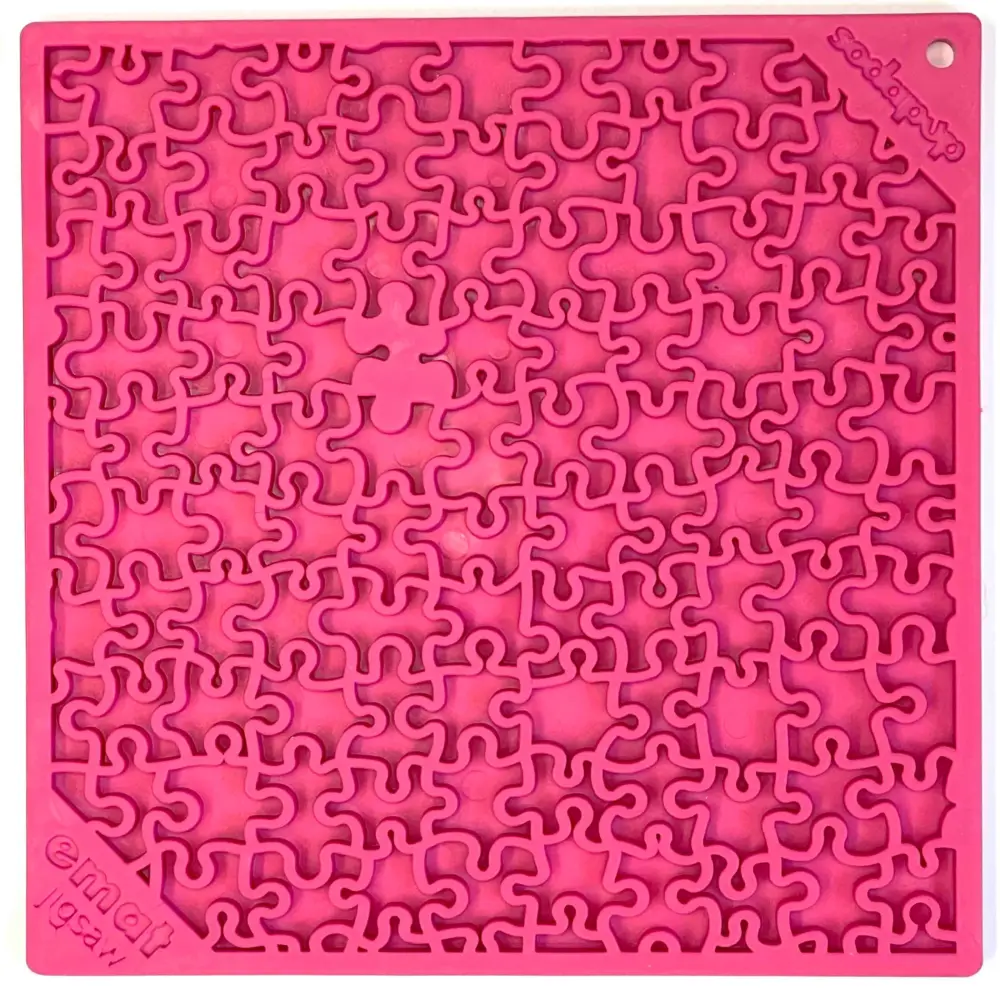
- Treats, or a filled lick mat, for a dog who fidgets
- A slicker brush for the end, once the fur is dry
- Knock off loose snow outside. Anything that crumbles between your fingers can go now; leave hard balls for the water.
- Set up somewhere warm. Stand your dog on a towel in a warm room, ideally with a helper feeding treats while you work.
- Check the water on your wrist. It should feel barely warm, never hot. Lukewarm water melts ice perfectly well.
- Soak one paw at a time. Dip the paw for a few seconds, lift it and dip again until the ice softens, working the water between the toes and around each pad.
- Slide the slush off. Hold the fur at its base and ease the softened ice off with your fingers. Re-dip anything that resists rather than tugging.
- Use a warm cloth on the legs and belly. Soak and wring the washcloth, then hold it over each clump until it melts. Check the armpits, groin and tail too.
- Rinse off any salt. After treated sidewalks, change the water for a final rinse; the ASPCA recommends washing and drying the feet and belly to remove ice, salt and chemicals.
- Dry, brush and check. Dry everything you wet (see below). Once the fur is dry, run a slicker through it, look over the pads for redness or cuts, and reward your dog.
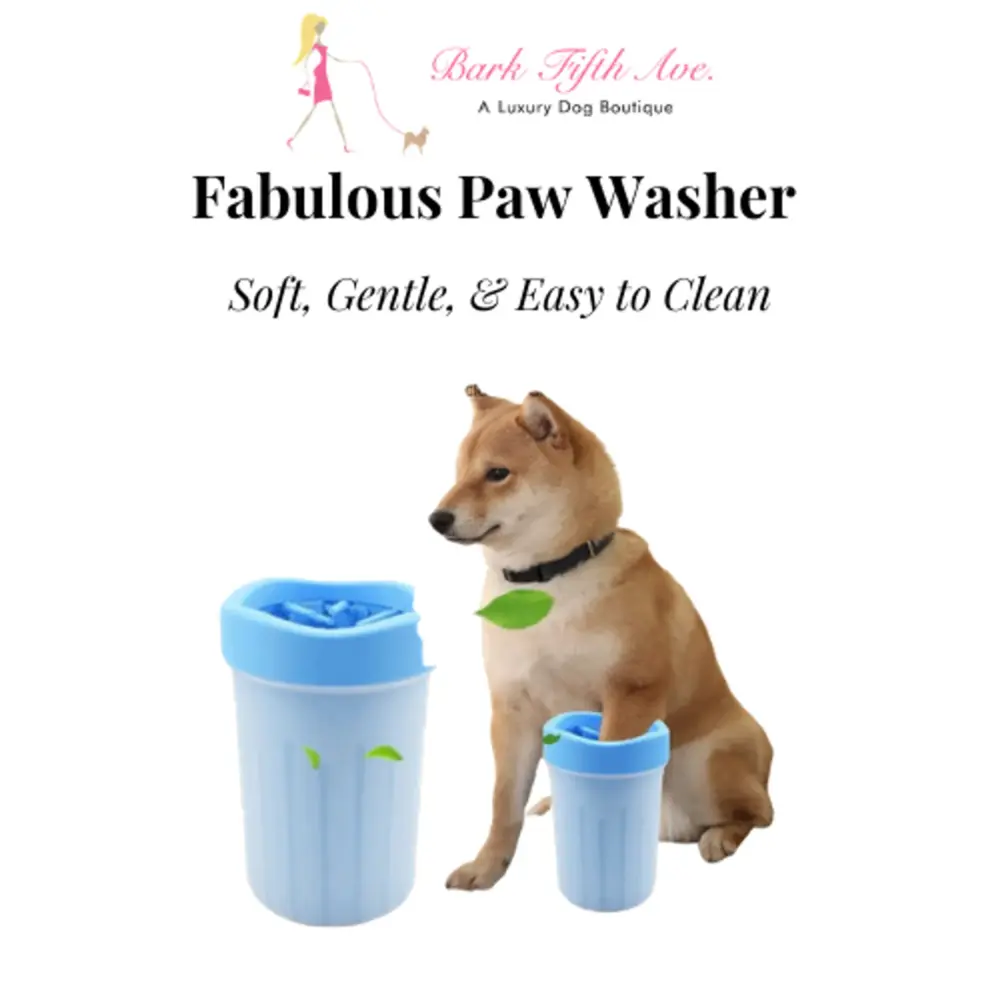
For rinsing off de-icers, the AKC’s winter advice is warm water that reaches between the toes and pads, and it notes that some people keep a bucket by the front door. A paw cleaner cup is a tidier version: the water stays in the cup, and its soft silicone bristles reach between the pads as you twist. It comes in Small, Medium and Large, so check the size against your dog’s paw.
Mistakes to avoid
- Pulling hard ice. It drags on the hair and skin and makes the next session harder. Soak first.
- Cutting clumps out with scissors. Skin is easily pulled up into a frozen clump and nicked. Melt the ice and trim later, on a dry, relaxed dog.
- Heat to speed things up. Hot water or a hot hair dryer risks burns, and the AKC warns against direct heat on skin that may be frostbitten.
- Skipping the brush. Fur that froze together and dries unbrushed can tangle, especially on curly and long coats.
Dry between the toes, legs and belly
Wet fur picks up snow faster on the next trip out, and VCA notes in its overview of frostbite in dogs that wet or damp areas are more vulnerable to frostbite. The ASPCA’s advice is to towel dry your dog as soon as they come inside.
- Toes and pads: wrap the paw in a towel and press it between each toe and around each pad. Pat rather than rub.
- Legs and feathering: squeeze the towel down the leg from top to bottom; rubbing back and forth tangles long hair.
- Belly and armpits: ask your dog to lie on their side, or lift one front leg at a time.
- The rest of the way: let your dog rest on a dry towel in a warm room until the fur is dry to the skin. If you use a hair dryer, choose the cool or lowest setting, hold it well back and keep it moving. Skip it on any skin that looks pale, gray or sore.
On days without snowballs, the everyday routine in our guide to cleaning dog paws after a walk is all you need.
How to stop snowballs forming
Trim the paw fur level with the pads
Less fur gives snow less to grip. The AKC’s advice is to keep the hair on a long-haired dog’s feet well trimmed, cut so it is even with the surface of the foot. On a dry, relaxed dog, trim only the fur that sticks out past the pads, using a small pet trimmer or blunt-tipped scissors held flat against the foot. The AKC suggests having a professional trim the hair between the pads, so leave that part to a groomer, ideally before the first snow.
For the rest of the coat, trim rather than shave. The ASPCA suggests trimming a long-haired dog to minimize clinging ice balls, salt crystals and de-icing chemicals, but never shaving down to the skin in winter.
Keep nails short
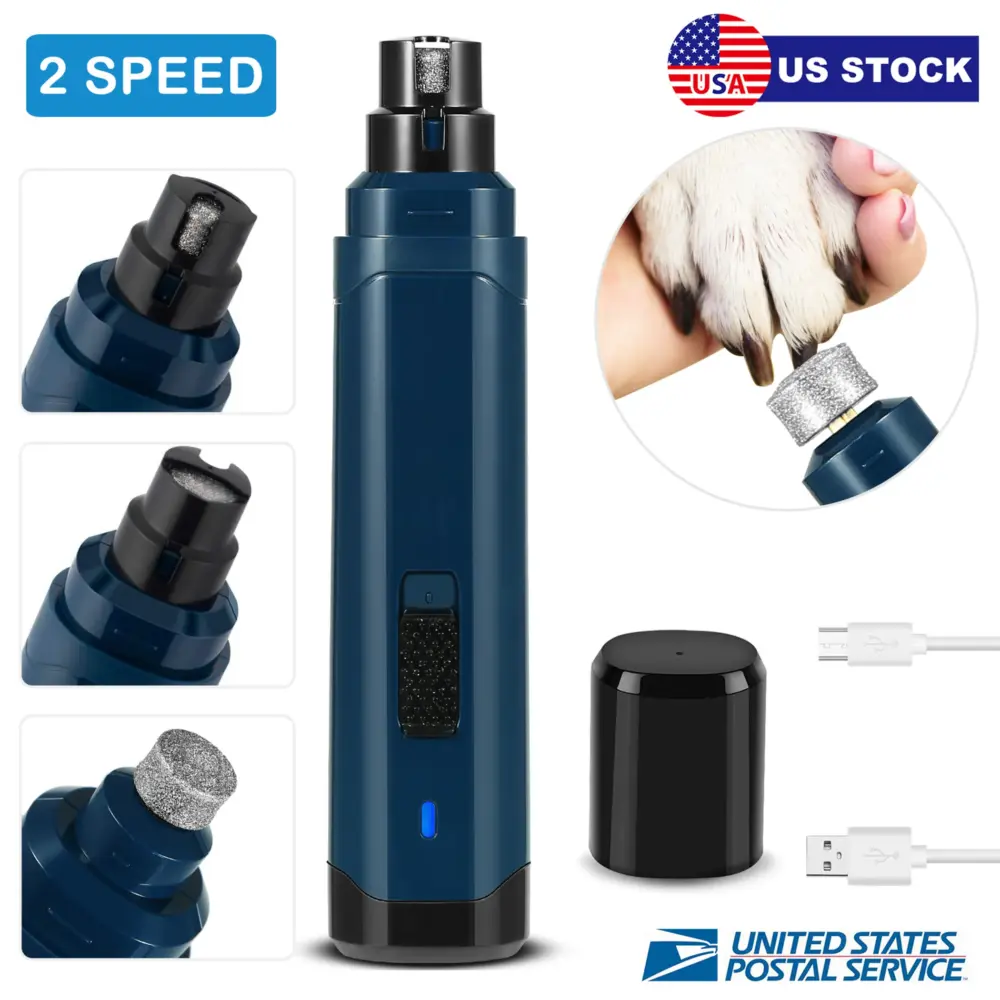
The AKC says most dogs need nail trims every three to four weeks, depending on activity and how fast their nails grow. Keeping up through winter keeps the foot compact and helps grip on icy paths. On a furry foot, hold the long hair back so it doesn’t catch in a grinder. Our guide to how long dog nails should be explains what to look for.
Wax, balm or boots
The AKC’s paw care guide mentions a protective paw wax or soothing balm, and the ASPCA suggests massaging petroleum jelly or another paw protectant into the pads before going out. Booties, the ASPCA notes, give more coverage and keep sand and salt from lodging between the toes. They stop snow packing between the toes but do nothing for feathered legs, and most dogs need a few short, rewarded sessions indoors to accept them. We don’t carry boots or paw wax.
Four things we carry help with the soak, the brush-out and the nail trims. The picks are limited to Nilosi’s own catalog, and you’ll still need towels and a small trimmer or blunt-tipped scissors. See all our grooming tools.
-
Bark Fifth Avenue
Fabulous Paws Dog Paw Cleaner Cup, Choose size & color
$31.95
Why it fits: Holds lukewarm water for soaking one paw at a time; soft silicone bristles reach between the pads, and it comes in Small, Medium and Large.
-
SodaPup
Jigsaw Enrichment Lick Mat for Dogs & Cats, Choose color
$25.95
Why it fits: Keeps a fidgety dog busy while you soak and dry each paw; spread a soft treat into the jigsaw grooves. Dishwasher safe and made in the USA.
-
Sakabase
Curved Slicker Brush, View product
$39.95
Why it fits: Separates feathering that froze together once the coat is dry; its curved head and fine, firm pins suit dogs with medium to long hair.
-
Quiet Rechargeable Pet Nail Grinder, View product
$50.95
Why it fits: Keeps nails short so the foot stays compact; two speeds suit thin or thick nails, and long paw fur should be held clear while it runs.




Routes and timing for snowy walks
Where and when you walk matters more than what your dog wears. A coat won’t stop snowballs on the feet or legs, and the dogs that collect the worst of them usually have plenty of coat already. For walk length by temperature and which dogs do need a coat, see how cold is too cold to walk a dog; our DCNY Ranch Dog Coat comes in small-dog sizes XXS to Medium only. For the feet:
- Pick packed or cleared paths over deep, fresh, wet snow, where clumps build fastest.
- Avoid heavily salted sidewalks where you can, since a dog chewing at salty ice balls can swallow some of the de-icer. Our comparison of pet-safe ice melt and rock salt explains the difference.
- Stop and check whenever your dog lifts a paw or bites at their feet, and crumble off what comes away easily.
- Keep sticky-snow outings short, and break up yard play with quick paw checks.
- Plan bigger days separately. A trail day needs more than a paw check; see our winter hiking checklist.
Troubleshooting stubborn snowballs
A ball between the pads won’t budge
Give it longer. Change the water as it cools, or wrap a warm, wet washcloth around the whole paw for a minute. If the skin underneath looks raw, or your dog won’t let you near the foot, stop and call your veterinarian.
Your dog won’t keep a paw in the water
Switch to the washcloth, which some dogs accept more easily than a cup. Start with the paw your dog minds least, reward after each one, and let a helper hold a lick mat at nose height.
The fur dried into clumps
Separate the strands with your fingers, then brush from the ends toward the skin while holding the hair at its base. A tangle that has tightened into a mat needs the approach in our guide to getting mats out of dog hair, or a groomer.
Snowballs form within minutes
That usually points to long paw fur, a coat still damp from the last outing, or wet, sticky snow. Trim the feet, dry the coat fully between walks, and try boots or a paw protectant.
Sore paws and frostbite: when to call your veterinarian
Most snowballs are only uncomfortable, but the paws, ears and tail are also the areas the AKC says are most often affected by frostbite, which can start in as little as 30 minutes. Call your veterinarian if you notice:
- Skin that looks pale, gray or bluish, or stays cold to the touch
- Pain or swelling in a paw, an ear or the tip of the tail
- Blisters, sores, or patches of darkened skin
- Limping that continues after the ice is out, or a pad cut on crusted snow
- Red, cracked or raw pads, redness between the toes that lasts, or constant licking at one foot
Safety note
If you suspect frostbite, move your dog somewhere warm and call your veterinarian. The AKC advises against rubbing the skin or using direct heat such as a hair dryer or heating pad, and VCA notes that signs can take several days to appear, so keep checking the paws, ears and tail after a long, cold outing.
Related guides
-
How-to
How to Groom a Yorkie at Home: Brushing, Baths, Nails and Trims
A Yorkie’s silky coat keeps growing and knots close to the skin. This routine covers a misted brush-out with a comb check, baths every week or two, eye, ear and teeth care, nails every two weeks, and which trims to do at home or leave to your groomer.
-
How-to
Dog Doesn’t Like Their Paws Touched? How to Build Up to Nail Trims
A step-by-step plan for a dog who pulls away, mouths or growls when you reach for a paw: when to see your veterinarian first, a touch-to-hold ladder with treats or a lick mat, then adding wipes, the paw cleaner cup and the grinder.
-
How-to
How to Bathe a Dog That Hates Baths: Setup, Steps and Drying
For the dog who scrabbles, shakes or bolts at bath time: brush out tangles first, make the tub steady underfoot, keep a lick mat in reach, wash the face last, skip the dryer battle and build tolerance between baths, plus what to do when a bath still goes wrong.