Grooming & Shedding How-to
Dog Doesn’t Like Their Paws Touched? How to Build Up to Nail Trims
Short answer
If the touchiness is new or limited to one foot, see your veterinarian first. Otherwise, build up in short, rewarded steps: touch the leg, then the paw, then a one-second hold, treating after each and letting go before your dog pulls away or growls. Add wipes, the paw cleaner cup or nail tools only once a plain hold is easy.
Why some dogs hate having their paws handled
Pulling a paw away is common. VCA’s guide to trimming a dog’s nails calls it perfectly natural for dogs to resist having their feet handled, and adds that most dogs can be trained to accept nail trims. A dog who pulls back, freezes or mouths your hand usually has one of a few ordinary reasons:
- No early practice. The ASPCA’s dog grooming tips note that some dogs don’t like having their feet touched, and advise getting a dog used to it before the first nail trim, ideally as a puppy.
- A bad memory. A nail cut into the quick or a struggle at the groomer can make every reach for a paw look like the start of the same thing.
- Feeling trapped or off balance. A held foot means standing on three legs, which is harder on a slick floor or for an older dog with stiff joints.
- Discomfort. A sore toe, very long nails or something lodged between the pads can make handling hurt.
Rule out pain first: when to see your veterinarian
Practicing on a sore foot teaches your dog that hands bring pain. Cornell’s Riney Canine Health Center lists signs of pain in dogs that include limping or favoring a limb, licking or chewing at one area, and a normally affectionate dog reacting badly to touch. Book a checkup before you start if you notice:
- Touchiness that is new, or suddenly worse, in a dog who used to allow it
- One foot that is much more sensitive than the others
- Limping, stiffness or favoring one leg
- Licking or chewing at a paw, or skin between the toes that looks red, swollen or raw
- A split, broken or bleeding nail, or nails long enough to curl toward the pad
- Something stuck between the pads that doesn’t come out easily
- A strong new smell with redness or licking; a faint corn-chip smell alone is usually normal, as why dog paws smell like Fritos explains
Cornell also suggests recording the behavior at home with videos, photos or notes before the visit, since anxiety or fear can mask some signs of pain at the clinic. If the nails need doing before your dog is ready, VCA advises taking your dog to a veterinarian or groomer, so you never have to rush the training.
Safety note
Call your veterinarian promptly about a torn nail or one that won’t stop bleeding, a swollen toe or foot, or a dog who won’t put weight on a leg. Don’t try to hold and inspect a paw that clearly hurts; a dog in pain can bite even a trusted hand.
What you need for paw practice
- Small, soft treats your dog loves, cut pea-sized so you can give dozens. Save the best ones for paw practice, and count them as part of the day’s food.
- A lick mat with soft food pressed into the grooves, for the steps that need both hands. What to put on a lick mat lists dog-safe spreads, including why peanut butter must be xylitol-free.
- A calm spot your dog likes, such as their bed or a mat on a non-slip floor, at a relaxed time of day, often after a walk.
- A helper, if you have one, to hold the lick mat or hand out treats.
- The tools for later: a grinder or clippers, styptic powder or cornstarch, a towel, pet wipes and a paw cleaner cup, kept out of sight until a plain hold is easy.
The picks below come only from Nilosi’s catalog, mostly our grooming tools and clean-up supplies. We don’t sell clippers, styptic powder or towels; the ones you already own work fine.
-
SodaPup
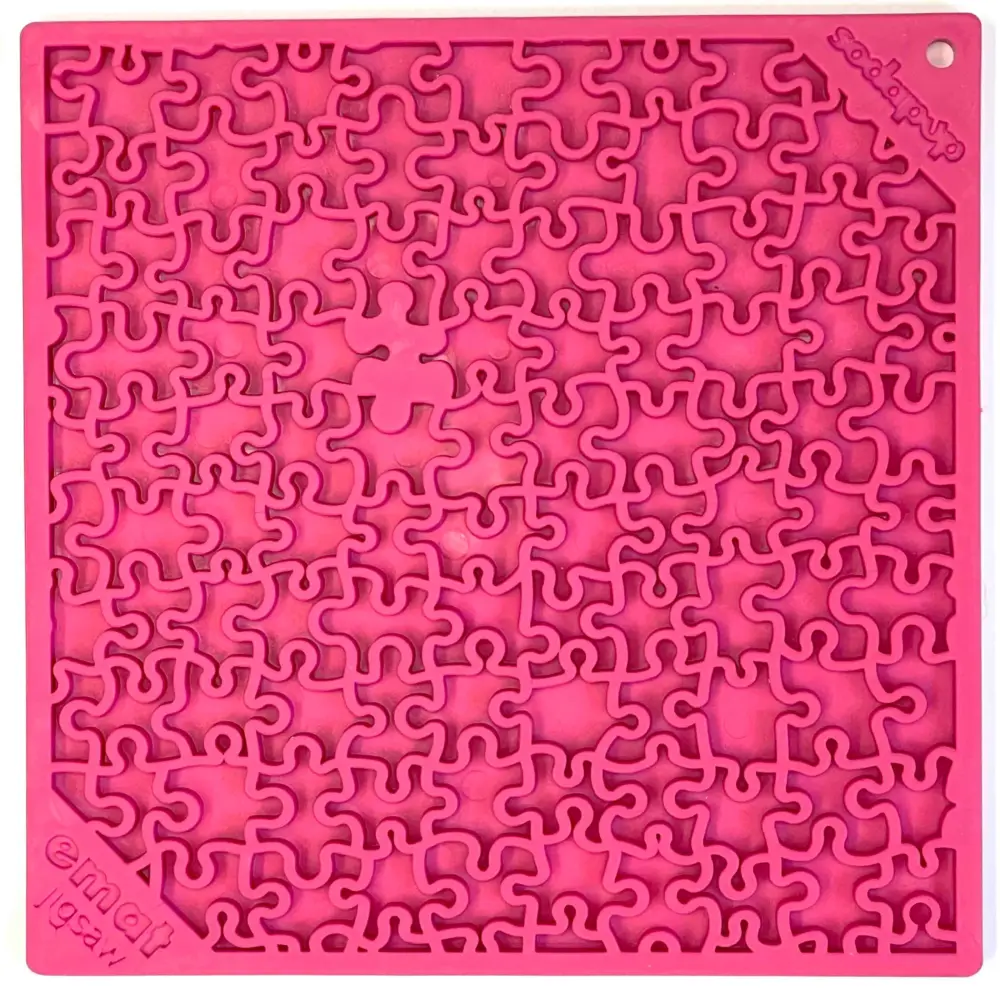
Jigsaw Enrichment Lick Mat for Dogs & Cats, Choose color
$25.95
Why it fits: A steady reward while both hands are on the paw; press soft food into the jigsaw grooves, and if the licking stops, ease off.
-
Mr. Peanut’s
Naturals Pet Wipes
$26.95
Why it fits: An easy first tool for a nervous dog, with no buzz or water; one large, thick 6 × 10 in wipe covers a whole paw in a short hold.
Currently out of stock
-
Bark Fifth Avenue
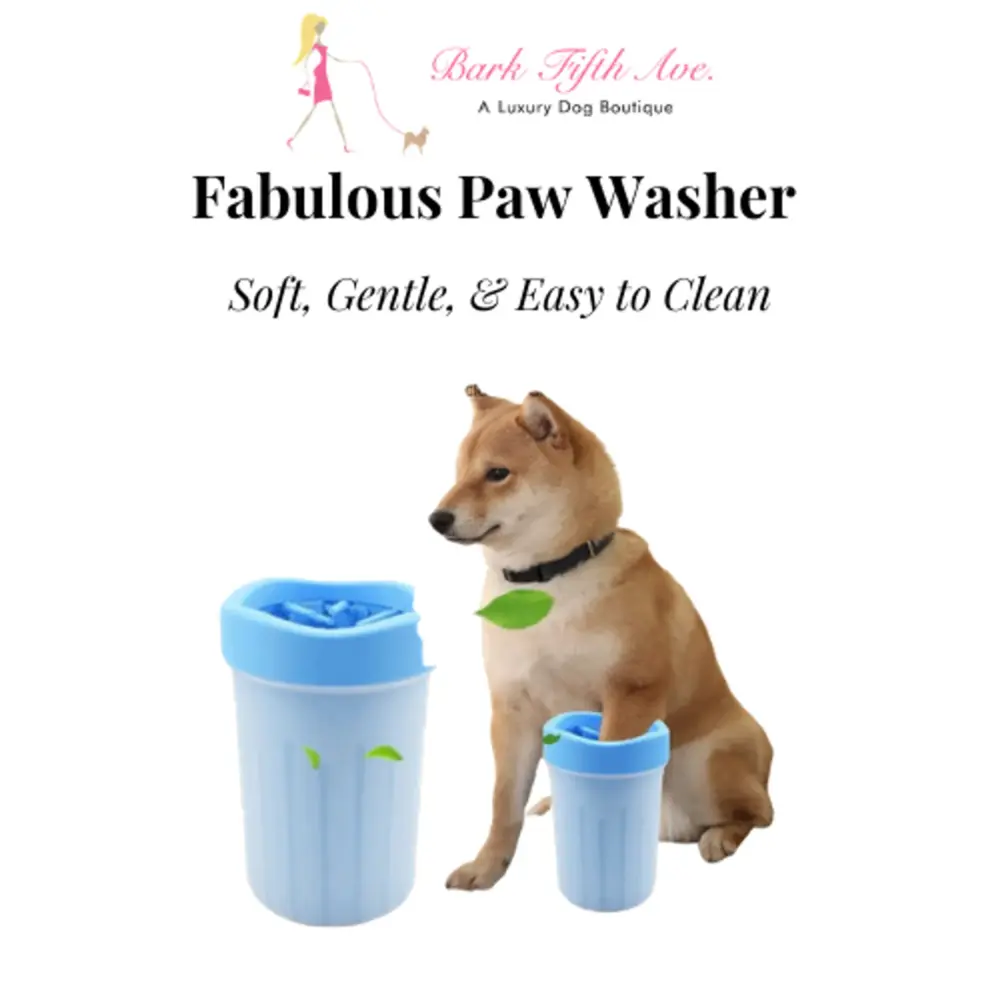
Fabulous Paws Dog Paw Cleaner Cup, Choose size & color
$31.95
Why it fits: A quick dip and twist once your dog accepts a hold on the lower leg; soft silicone bristles work between the pads, in three sizes.
-
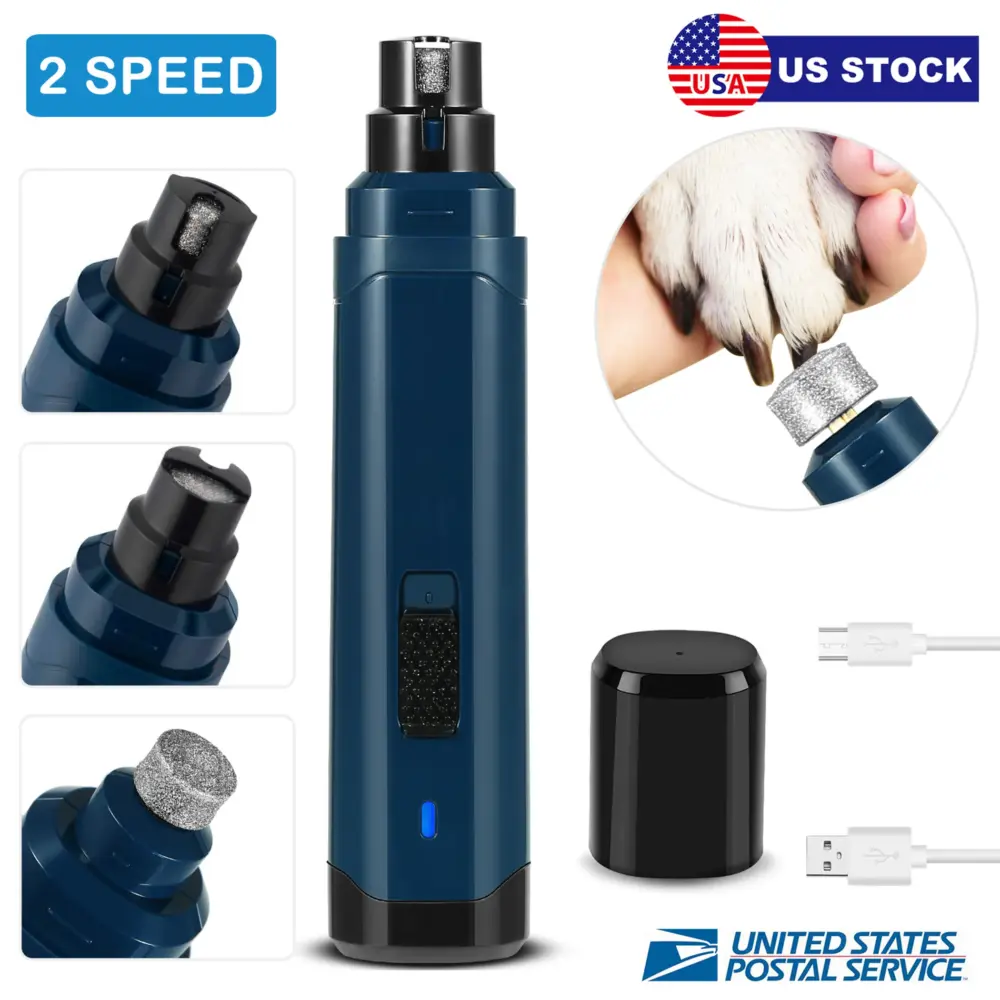
Quiet Rechargeable Pet Nail Grinder, View product
$50.95
Why it fits: Takes nails down a little at a time, which suits one or two nails a session; two speeds and a quiet motor meant to bother nervous pets less.




How to get a dog used to paw handling, step by step
Keep sessions to two or three minutes, once or twice a day. Move on only after a session in which your dog stayed loose and kept eating; after a bad one, go back a step and finish there.
- Start where touch is easy. With your dog lying relaxed, stroke the shoulder, then give a treat. Repeat five or six times and end the session.
- Slide down the leg. Over the next sessions, run your hand from shoulder to elbow, then to the wrist, treating after each stroke. Go lower only while your dog stays soft and keeps eating.
- Touch the paw and let go. Rest your hand on top of the foot for one second, lift it away, then treat. Later, add a light touch on the pads underneath.
- Cup the paw without lifting. Wrap your hand loosely around the foot for a second while it stays on the floor. Let go before your dog pulls, then treat.
- Lift it an inch. Raise the paw just off the ground for one second, set it down and treat. Build to three seconds, then five, over several sessions.
- Handle the toes. While holding the paw, touch one toe, then press its pad gently so the nail extends, the way you will for a trim. Treat after each toe.
- Spread the toes. Part two toes for a second and touch the skin between the pads, where wipes, towels and the cup’s bristles will go.
- Repeat on every foot. Work one paw at a time, easiest first. Lift a back foot low and backward, close to the body, rather than out to the side.
- Change positions and people. Practice standing at the door, lying on one side, and on your lap for a small dog. Then let someone your dog likes do the easy steps.
Tip
Touch first, then treat. When the touch comes first and the treat follows, the touch starts to predict something good. Showing a treat and then reaching for the paw works the other way around: the food becomes the warning that a grab is coming.
Hand-fed treats or a lick mat?
Hand-fed treats suit the early steps, since each touch earns its own reward. A lick mat helps once you need both hands: start handling when your dog is licking steadily, and read a pause in the licking as a sign the step is too big. If your dog starts avoiding the mat itself, go back to hand-fed treats for a few sessions.
How long it takes
The ASPCA suggests that a week or two of daily foot massage should leave a dog more comfortable with a nail trim. A dog who already pulls away or growls can take longer: for a dog who hates trims, VCA describes several weeks of consistent daily effort, trimming one nail at a sitting before working up to two or three. Go by your dog’s progress, not the calendar.
From a held paw to wipes, the cup and nail trims
Every tool adds something new: a buzz, a squeeze, water or bristles. Introduce each one on its own first, away from the paw, then combine it with the hold. Whenever you add a tool, shorten the hold again, so you only ever make one thing harder at a time. Start with the easiest, usually a wipe, and leave the grinder for last.
Wipes and towels
Nothing buzzes, snaps or sloshes, which is why a wipe is often the easiest start. Press a dry towel on the foot, then the pads, then between the toes, before you switch to a damp wipe, which feels cooler.
The paw cleaner cup
The cup needs a different hold: you steady the lower leg while the foot goes down into water and bristles. On a dry day, touch the empty cup to the pads, then slip the paw in for a second, and only then add a little lukewarm water. The full door routine is in how to clean your dog’s paws after a walk.
Nail grinder or clippers
Let your dog sniff the tool beside a few treats; with a grinder, pair the sound with food from across the room before it comes near a foot. How to use a dog nail grinder covers that introduction and the grinding technique. Then join the pieces:
- Hold the paw and touch a nail with the tool switched off. Treat.
- Hold the paw while the grinder runs in your other hand, a little away from the foot. Treat.
- Do one nail, treat and stop; VCA suggests one nail per sitting until your dog is calm with that.
- Add a nail at a time over later sessions.
For how short to go and how often, how long a dog’s nails should be covers the floor test and a trimming rhythm that keeps every session small.
Reading your dog: signs to slow down or stop
Watch your dog’s face and body, not just the paw. The AKC’s guide to signs of stress in dogs lists whale eye, ears pinned back, a tucked tail, lip licking, yawning, panting, looking away and freezing. VCA’s introduction to desensitization and counterconditioning adds a simple test: a pet who is no longer readily taking treats is a sign you’re moving too quickly.
| Signal | What you see | What to do |
|---|---|---|
| Relaxed | Soft body, keeps eating, loose paw | Carry on, or try the next step |
| Uneasy | Lip licking, yawning, a stiff leg | Shorten the hold; stay on this step |
| Stressed | Whale eye, freezing, refusing food | Stop; next time, go back two steps |
| Warning | Growl, lifted lip, teeth on your hand | Stop now; see troubleshooting |
When you can’t tell, let go and take your hand away for a moment. A dog who stays put or leans back toward you is happy to continue; a dog who gets up and moves off is telling you the session is over.
Mistakes that set paw handling back
- Sneaking in a trim. Clipping just one nail before your dog is ready can undo several sessions of progress.
- Gripping harder when your dog pulls. Plan holds short enough to let go first. If your dog does pull, go with the movement rather than wrestling, and make the next hold shorter.
- Practicing only when it counts. If paws are handled only on trim day or after muddy walks, your hand itself starts to predict the hard part. Practice on clean-paw days too.
- Scolding a growl. The AKC’s guide to why dogs growl warns that punishment may silence a growl without changing the feeling behind it, and can make the underlying problem worse. Treat a growl as news that the step was too big.
- Holding a frightened dog down. A helper who steadies and feeds is useful; several people pinning a struggling dog makes the next attempt harder.
Troubleshooting paw-handling setbacks
Your dog pulls away at the same step every time. Split it smaller: a half-second hold, or a lift of half an inch. Repeat the step before it, then try the smaller version and end on that success.
Your dog mouths your hand. A soft mouth is often your dog’s way of asking you to stop. End that repetition, make the next one easier, and give the mouth a job with a lick mat. With a puppy, practice when they are sleepy. Pressure from teeth, a lifted lip or a growl belong in the last item below.
Front feet are fine, back feet aren’t. Treat each back foot as a new project, starting at the hip and working down, and try it with your dog lying on one side. An older dog who resists back-leg lifts may have stiff or sore joints, which is worth raising with your veterinarian.
One foot is much touchier than the rest. Have your veterinarian check that foot before you train it. Once it’s cleared, start each session on an easy foot, give the sensitive one a single short touch, and finish on an easy foot again.
Fine at home, not at the clinic or groomer. Practice in new rooms and with other people your dog knows, then tell the clinic which touches your dog has learned. Our guide to making vet visits less stressful for dogs covers the rest of the appointment.
Your dog growls, snaps or panics. Stop for today, without scolding. Ask your veterinarian to check for pain and whether medication before nail trims would help; VCA notes that a veterinarian may be able to prescribe a mild sedative to relax a dog for nail trims. A veterinary behaviorist or a certified trainer who uses reward-based methods can build a plan around your dog, while professional trims keep the nails in check.
Safety note
If your dog has bitten or snapped during paw handling, don’t keep trying on your own at home. Work with your veterinarian or a qualified behavior professional, who can tell you whether a basket muzzle, taught with treats, belongs in the plan.
Related guides
-
How-to
How to Get Snowballs Out of Dog Fur and Paws, and Stop Them Forming
Pulling ice balls off your dog’s paws hurts. Melt them with lukewarm water, dry between every toe and brush the feathering once it’s dry. See why some coats collect snow, how trimming paw fur and keeping nails short help, and the frostbite signs that need a veterinarian.
-
How-to
How to Bathe a Dog That Hates Baths: Setup, Steps and Drying
For the dog who scrabbles, shakes or bolts at bath time: brush out tangles first, make the tub steady underfoot, keep a lick mat in reach, wash the face last, skip the dryer battle and build tolerance between baths, plus what to do when a bath still goes wrong.
-
Checklist
Dog Grooming Checklist: The Essentials by Week, Month and Season
Every home grooming job sorted by how often it comes around: brushing by coat, a weekly nose-to-tail check, teeth, nails and paw fur, after-walk cleanups, baths and shedding season, plus what to skip and which jobs to hand to a groomer or veterinarian.