Home & Cleaning Guide
Why Do Dog Paws Smell Like Fritos? What’s Normal and What Isn’t
Short answer
A mild corn-chip smell from your dog’s paws is usually normal. It comes mainly from harmless Pseudomonas and Proteus bacteria that thrive between warm, damp toes. Wipe and dry the feet after walks instead of scrubbing, and call your veterinarian if the smell turns strong or musty or comes with redness, swelling, constant licking or limping.
Why dog paws smell like Fritos
Every dog’s skin carries a mix of bacteria and yeast, and the feet carry plenty. The American Kennel Club’s article on why dogs’ feet smell like Fritos or corn chips names two bacteria, Pseudomonas and Proteus, whose yeasty odor is the one people recognize as corn chips. Yeast lives on healthy skin too, in small amounts, and causes trouble only when it overgrows.
So the smell isn’t dirt, and it doesn’t mean your dog is unwashed or unwell. The AKC is clear that the Frito smell on its own is normal and is not a sign of a bacterial or fungal infection. How strong it is varies from dog to dog and from day to day: some dogs barely have it, while others announce it every time they stretch out on the couch with their feet pointed at you. Whether you call it corn chips, popcorn or Frito feet, it’s the same smell.
Why feet hold on to the smell
The paw pads are the main place a dog sweats. Panting does most of the work of cooling a dog down, but the sweat glands in the paw pads switch on when a dog is hot or stressed, which is why you sometimes see damp paw prints on a hot day. Add fur between the toes and little airflow in the gaps, and the feet stay warm and damp, which is just what bacteria and yeast thrive on.
A few everyday things make the smell more noticeable:
- Heat, exercise and stress. A hot day, a long game of fetch or a nerve-racking outing means more sweat from the pads.
- Wet walks. Dew, rain and puddles soak the fur between the toes, and it dries slowly. Our guide to walking a dog in the rain covers drying off at the door.
- Licking. Each lick adds moisture, and the AKC notes that licking can make a yeast problem on the paws worse.
- Long fur on the feet. Tufts that grow out past the pads hold water and debris for longer after a walk.
None of these is a problem on its own. They explain why the smell comes and goes, and why drying, not scrubbing, is the habit that helps most.
When the smell isn’t normal
The smell alone can’t tell you much, because an infected paw can smell similar. The AKC’s guide to yeast infections in dogs describes their odor as strong and musty, sometimes compared to corn chips or stale bread. What matters is a change: a smell that is suddenly stronger, sour or musty (the AKC’s Frito article compares it to moldy cheese), or one that arrives with any of these signs.
| What to check | Usually normal | Worth a vet visit |
|---|---|---|
| Smell | Mild, familiar, comes and goes | Stronger, musty or sour, or new |
| Skin between the toes | Its usual color, dry once toweled | Red, swollen, bumpy or thickened |
| Fur on the feet | Its usual color and fullness | Pink saliva staining, or hair loss around the pads |
| Licking | A quick clean after a walk | Constant licking or chewing at the feet |
| Walking | Normal stride | Limping, or flinching when the foot is touched |
Also call if only one foot smells or gets licked, if you see discharge, bleeding or an open sore, or if something is lodged between the toes and doesn’t lift out easily. The AKC’s overview of pododermatitis (paw inflammation) lists grass seeds, splinters and glass among its causes, along with bacterial and yeast infections, parasites and allergies, which it counts among the most common.
Safety note
Don’t start treating a red, sore or bad-smelling paw at home first. Paw inflammation has many possible causes, each needing a different plan, so your veterinarian may need to examine the foot and test the skin or hair before choosing a treatment. Medicated washes, soaks and wipes have their place once they’re part of that plan.
Keeping paws fresher: wipe, dry and don’t over-wash
The aim is a clean, dry foot, not a sterile one. The AKC’s reason for wiping paws is to get the dirt off without stripping away the bacteria behind the Frito smell, so the habits that help are the ones that cut down on grime and dampness. Our door routine for cleaning dog paws after a walk covers the technique for dust, mud and road salt; these are the parts that matter for odor.
- Wipe after ordinary walks. Run an unscented, alcohol-free wipe (the AKC’s suggestion) or a cloth dampened with lukewarm water across the pads, then work a clean corner into each gap between the toes. If your dog comes home with clean, dry feet, you can skip it.
- Rinse when there’s mud or salt. Packed dirt smears under a wipe. Plain water in a shallow basin or a paw cleaner cup lifts it out instead.
- Dry between the toes every time. This is the step that matters most for smell. Press a dry towel around each pad and into the gaps rather than rubbing the top of the foot, then let your dog finish air-drying on a mat before settling onto a bed or crate pad.
- Wash only when the feet are dirty. The AKC advises washing a dog’s feet only after digging in mud or stepping in urine or feces. Extra soaking is one more chance to leave the feet damp, and it won’t keep the smell away for long, because the microbes behind it are supposed to be there.
Smell also moves from the feet to whatever they rest on. Wash paw towels often and let them dry fully between uses, keep two by the door on wet days so the one you reach for is actually dry, and wash your dog’s bedding regularly. Our guide to getting rid of dog smell in the house covers beds, rugs and couches, and the checklist for keeping a house clean with a dog puts the door, beds and floors on a daily-to-seasonal schedule.
Tip
Learn your dog’s normal. Once a week, while your dog is relaxed, spread the toes, look at the pads and nail beds, and take a sniff. It takes under a minute, and a change is much easier to spot when you know how each foot usually looks and smells. If your dog pulls away, work on getting a dog comfortable with having their paws touched before you need to.
Paw fur, nails and the spaces between the pads
On many long-coated and curly-coated dogs, the fur between the pads keeps growing until it fans out past them. Those tufts stay wet long after a walk and collect mud, burrs and whatever else the walk picked up. The AKC suggests trimming the excess fur between the toes with pet clippers; keeping it level with the pads helps the foot dry faster and makes the skin easier to check.
Clippers are a safer choice than scissors here: the skin between the toes is thin, and a dog who twitches a foot can turn a snip into a cut. If you’re not confident, ask your groomer to tidy the paw fur at each appointment. We don’t stock clippers or grooming scissors, so this job is for your own kit or your groomer’s.
While you’re down there, look at the nails and the skin around them. Brown discharge around the nail beds is one of the paw signs of a yeast infection the AKC lists, and redness or swelling where the nail meets the toe is worth showing your veterinarian.
What not to put on your dog’s paws
Dogs lick their feet, so anything you put on a paw is likely to end up swallowed. Leave these off:
- Perfume, cologne and scented sprays or shampoos. The AKC advises against them: a dog’s sense of smell is far keener than ours, and dogs want to smell like dogs. A fragrance can also mask the very change you’d want to notice.
- Essential oils, including tea tree oil. The ASPCA warns that concentrated essential oils can be dangerous to pets, whether applied directly, spread on the coat or walked through.
- Household cleaning or disinfecting wipes, hand sanitizer and rubbing alcohol. They’re made for counters and human hands, not paw pads a dog will lick; the AKC’s advice is alcohol-free wipes.
- Human creams, foot powders and antifungal products, unless your veterinarian tells you to use them.
- Home-remedy soaks. Ask your veterinarian before soaking your dog’s feet in anything other than plain water.
If your dog licks something harmful off their feet, call your veterinarian or the ASPCA Animal Poison Control Center right away (a consultation fee may apply).
Nilosi picks for the wipe-and-dry routine
Nothing we sell treats a paw problem or replaces a vet visit. For the everyday wipe-and-rinse part of the routine, these two items from our clean-up collection fit; the picks are limited to what Nilosi stocks.
-
Mr. Peanut’s
Naturals Pet Wipes
$26.95
Why it fits: Large, thick 6 x 10 in wipes, so one covers the pads and the gaps between the toes without tearing on dry-walk days. Check the ingredient label for fragrance and alcohol first.
Currently out of stock
-
Bark Fifth Avenue
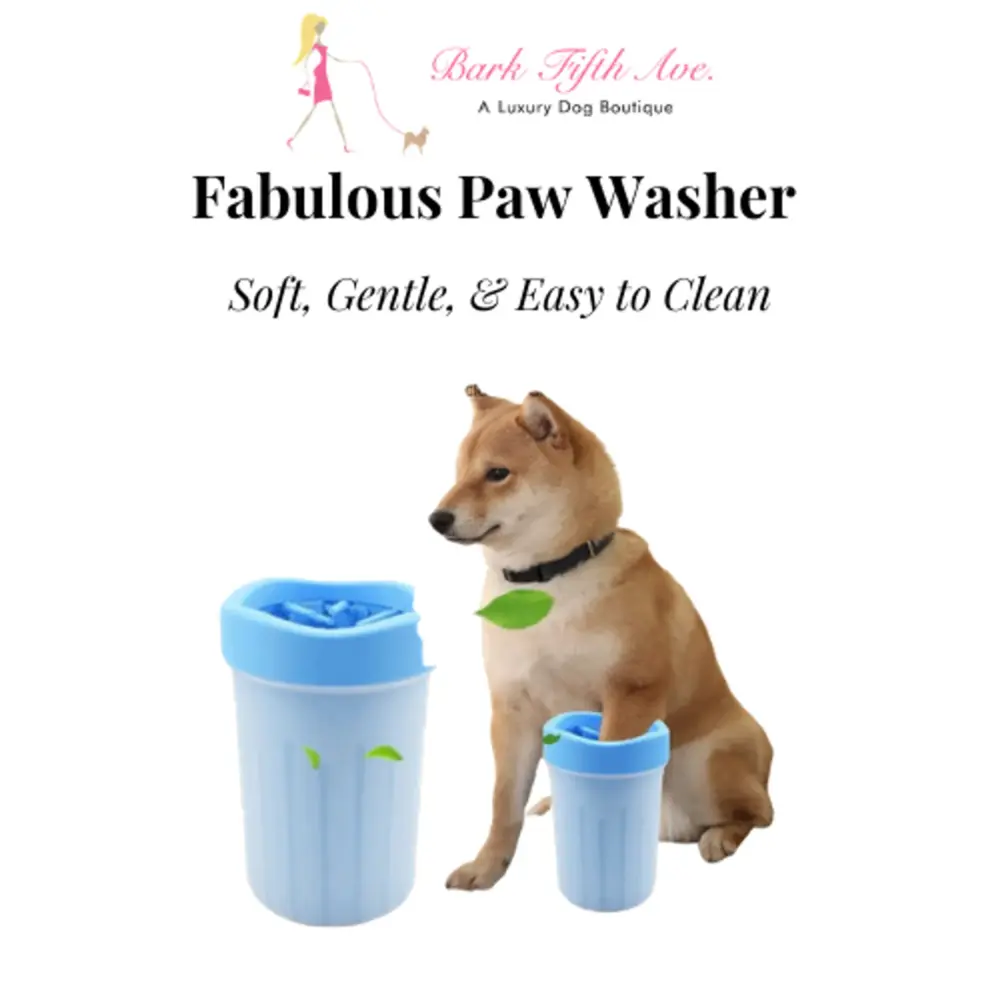
Fabulous Paws Dog Paw Cleaner Cup, Choose size & color
$31.95
Why it fits: For muddy or salty days when a wipe would only smear: a little plain water and soft silicone bristles work between the pads. Pat each paw dry right after.


Frito feet FAQ
Can I get rid of Frito feet completely?
Not for good, and you don’t need to. The bacteria behind the smell belong on your dog’s skin, so it comes back after any wash. Wiping after walks, drying between the toes and keeping paw fur short keep it mild.
Does my dog need a bath when their paws smell?
Usually not. A smell that stays on the feet calls for a wipe and a thorough dry, not a full bath. If the whole coat smells between baths, see how to clean a dog without a bath.
Is it normal for my dog to lick their paws?
A quick lick after a walk or during a grooming session is ordinary. Licking or chewing that goes on and on, especially with redness or staining, is one of the signs the AKC says to have a veterinarian check, and the AKC counts allergies among the most common causes of inflamed, itchy feet.
Can I use baby wipes on my dog’s paws?
In a pinch, yes: the AKC suggests unscented, alcohol-free baby wipes for wiping paws after walks. For everyday use, a wipe made for pets is the safer choice, since dogs lick their paws and wipes made for people can contain fragrances that irritate the skin; a cloth dampened with plain water works too.
Related guides
-
Comparison
Pooper Scooper vs Poop Bags: What Each One Is Actually For
Bags are for walks and scoopers are for yards, and trying to use one for the other is why people give up on the job. This comparison covers jaw scoopers, rake sets, bag holders and the surfaces that defeat each.
-
How-to
How to Protect Hardwood Floors From Dog Scratches and Spills
Long nails, grit on paws and skidding on smooth turns cause most dog marks on wood. Here is how to fix each one, keep water bowls and accidents off the finish, and tell a scuff you can touch up from damage that needs a flooring pro.
-
Checklist
How to Keep a House Clean With a Dog: A Daily to Seasonal Checklist
A cleaning schedule for a home shared with a dog, sorted by how often each job needs doing: the door routine for wet paws and coats, daily bowls and sweeps, weekly brushing, beds and rugs, monthly gear and car jobs, seasonal mud and shedding, and the shortcuts to skip.