Home & Cleaning How-to
How to Protect Hardwood Floors From Dog Scratches and Spills
Short answer
Most scratches come from long nails, grit carried in on paws and skidding on smooth turns, so tackle all three. Keep nails short enough that they stop clicking, clean paws at the door, and lay rugs or runners where your dog sprints and turns. Wipe up water and accidents quickly, before they mark the finish.
Why dogs scratch wood floors
On most hardwood, a claw meets the clear finish on top of the boards before it reaches the wood, and that layer is where most everyday dog marks begin. Three things put them there:
- Nails. A nail long enough to click touches the floor on every step, and a freshly clipped nail can have a sharp corner that drags instead of gliding.
- Grit. Sand, soil and tiny stones ride in between the toes and get pressed into the finish step by step, leaving fine, dull scratches along the routes from the door.
- Skidding. Sprints down the hall, sharp turns into the kitchen, the doorbell dash and the landing off the sofa all make a dog dig in for grip. The American Kennel Club warns that long nails can reduce traction, which means more skidding.
Look at where the marks are before you change anything, because the pattern usually points to the cause:
- A dull haze inside the doors and down the hall: grit.
- Curved claw marks at corners, hall ends, the foot of the stairs or below the couch: skidding and jumping.
- Gray patches or rough grain around the water bowl: drips and splashes.
- Deep scratches in one spot by a door or window: digging, which is as much a behavior question as a floor one; see troubleshooting below.
What you need
- A nail grinder, or clippers plus a file to smooth the cut edge
- A coarse mat outside the door and an absorbent, washable one inside
- A paw cleaner cup, pet wipes and a towel kept by the door
- Rugs or runners for the racing routes, with pads labeled for finished wood floors
- A dry dust mop, or a vacuum with a bare-floor setting
- A waterproof-backed mat or tray for the water bowl
- An enzymatic pet-mess cleaner labeled suitable for sealed wood
Our picks are limited to Nilosi’s own catalog. These two cover the first two fixes on this page: short, smooth nails and clean paws.
-
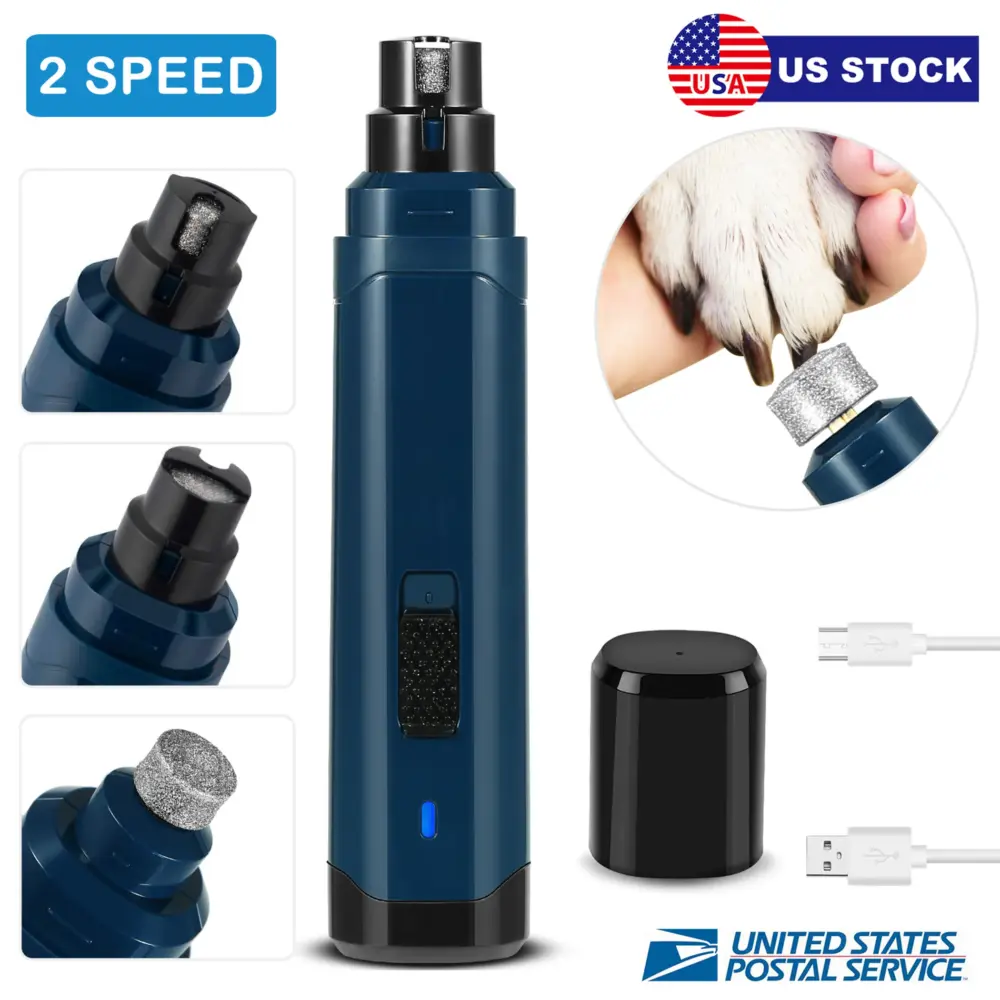
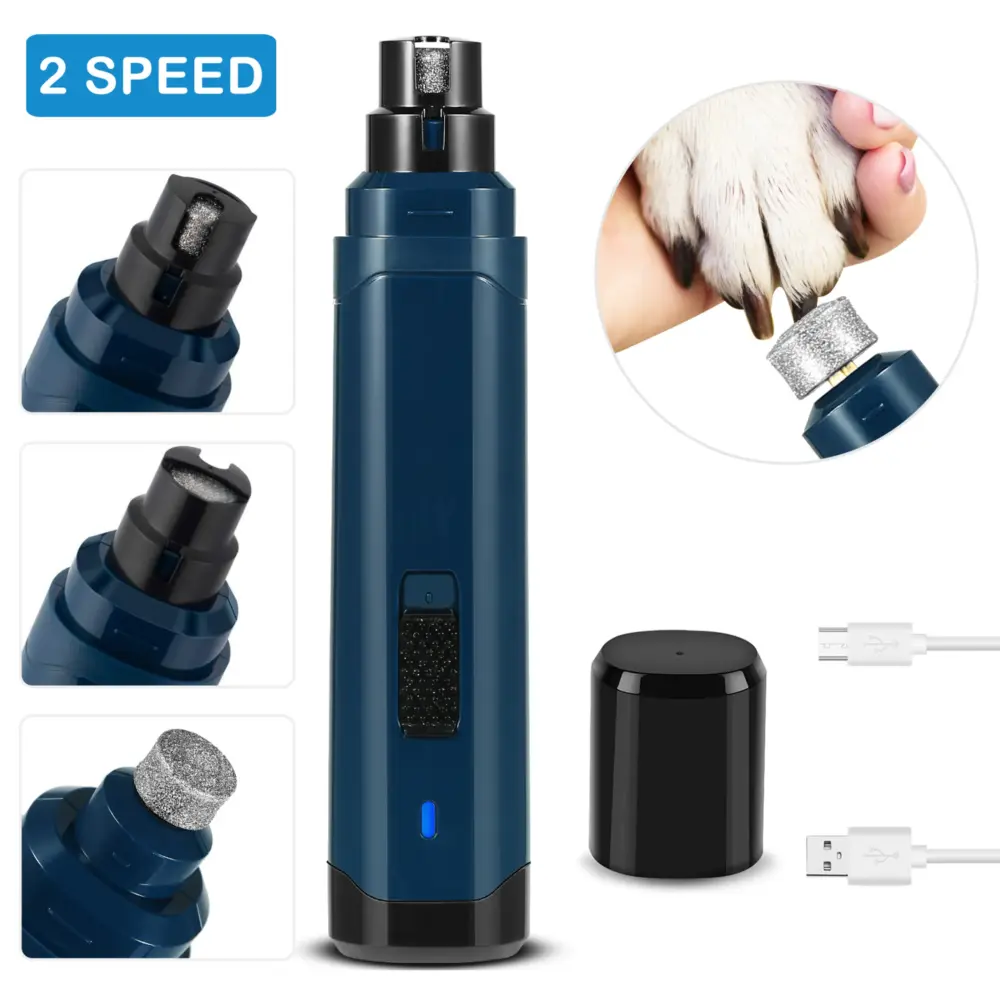
Quiet Rechargeable Pet Nail Grinder, View product
$50.95
Why it fits: Grinds each nail down gradually to a smooth rounded tip, so a short nail meets the wood with no sharp corner. Two speeds, quiet motor.
-
Bark Fifth Avenue
Fabulous Paws Dog Paw Cleaner Cup, Choose size & color
$31.95
Why it fits: Soft silicone bristles lift sand and grit from between the pads at the door, while the water stays in the cup, off the boards.


Keep nails short and smooth
Your ears are the quickest floor check: VCA Animal Hospitals counts clicking on hard floors as a clear sign that nails are too long, and a nail that clicks is one that can scrape. When your dog stands still on a bare floor, the tips should sit just clear of it. Our guide to how long a dog’s nails should be covers that check in detail, plus how to bring overgrown nails back gradually.
On wood, the shape of the tip matters too. A clipped nail ends flat, often with sharp edges, so finish it with a grinder or a file, or grind from the start. For most dogs, a short pass once a week, even a few nails an evening, keeps tips off the floor better than a big trim once the clicking is loud; the technique is in our guide to grinding a dog’s nails step by step.
A weekly two-minute check catches problems before they reach the finish:
- Listen as your dog crosses the kitchen. Any clicking means at least one nail is due.
- Look from the side while your dog stands on a bare floor. Every tip, front and back, should clear it.
- Run a fingertip over each nail and smooth any sharp rim with the grinder.
- Check the fur between the pads. Fur that covers the pads costs grip, so trim it level with them or ask a groomer.
- Shine a flashlight low across the trouble spots. Fresh marks show which habit slipped.
Stop grit at the door
Whatever stays on the mat never gets walked into the finish. Four habits at the door do most of the work:
- Catch the worst outside. A coarse mat on the step knocks off loose dirt and small stones.
- Stop on the inside mat. Teach your dog to wait there for a treat while you unclip the leash, so the first steps indoors aren’t on bare wood.
- Clean to suit the walk: a wipe for dusty paws, the paw cup for mud, sand or ice melt.
- Dry between the pads. Wet paws slide on wood and leave water spots.
For the dusty-paw wipe, Mr. Peanut’s Naturals wipes are larger and thicker than the usual pet wipe, at 6 × 10 in. For muddy days and winter salt, our guide to cleaning muddy or salty paws has the full method, and our clean-up range has more for the door.
Some grit always gets past the mat, so sweep or dust-mop the paths from the door to the bowls and the bed often, and daily in sandy or snowy weather. For routine cleaning, the National Wood Flooring Association suggests sweeping, dust mopping or vacuuming on the bare-floor setting.
Rugs and runners where your dog runs
A rug takes the scrape in place of the finish and gives your dog grip, so there is less skidding to begin with. Put rugs where the claw marks are, usually:
- The hallway your dog sprints down, and the turns at each end
- The kitchen doorway, where dogs corner fast at mealtimes
- The landing spots below the sofa, your bed and the stairs
- The stretch inside the front door, where the doorbell rush starts
Use a non-slip pad labeled for finished wood floors and sized to the rug. Some rubber and vinyl backings can mark or discolor a finish, so check your flooring maker’s care guide. Washable runners make muddy weeks easier, and lifting rugs every few weeks to sweep underneath clears out the grit that works its way below.
Move fast games onto rugs or outdoors. Fetch, tug and the nose games in our guide to indoor games all work on a runner or a patch of carpet.
Safety note
For older or stiff dogs, rugs are also about safety. If slipping, splayed legs or reluctance to cross a bare floor is new, or your dog struggles to get up, the cause may be pain or weakness rather than the floor. Mention it to your veterinarian, and see our checklist to senior-proof your home for an older dog for runners, ramps and other footing fixes.
Water bowls, drool and accidents
Claws mark the finish, but water left standing can get into the wood itself. The National Wood Flooring Association advises wiping spills right away with a dry or slightly damp cloth, and warns that wet mops and steam mops damage the finish and the wood over long periods. Around a dog, that means:
- A bowl station with a waterproof base, wider than the splash zone, and a quick wipe around it whenever you refill the water.
- A weekly lift-and-dry. Moisture trapped under a bowl mat can mark the finish too.
- A towel for droolers and wet coats. Wipe jowls after a big drink, and dry your dog on the door mat after rain or a bath, not on bare boards.
Cleaning up an accident on wood
- Blot, don’t rub. Soak up what you can with paper towels, working from the edges in.
- Apply an enzymatic cleaner labeled for sealed wood. Test it somewhere hidden and follow the label; don’t flood the boards.
- Dry the spot fully with a clean cloth, and keep your dog off it until it is dry.
Enzymes matter because the smell left behind invites a repeat: VCA’s house-training advice explains that dogs are drawn back to spots that still smell of urine or feces. A dark stain that survives cleaning has usually soaked into the wood, which is work for a flooring professional. If a dog who has been house-trained for a long time starts having accidents, book a vet visit.
Nail caps, booties and toe grips
These cover or grip the nails rather than fixing the habits above, and each has trade-offs. Ask your veterinarian or groomer before you try one, especially for an older dog:
- Nail caps are soft vinyl caps glued over each nail. They fall off as the nail grows, so they need replacing regularly, and only the right size stays on. Some dogs chew at them at first; let a vet or groomer fit the first set.
- Grippy socks and booties add traction, but many dogs dislike them, they need a snug fit, and they are best taken off when you can’t supervise.
- Rubber toe grips slip over the nails and are aimed mainly at older dogs who slide.
None of them replaces trimming. A long nail under a cap or sock still pushes against the floor with every step.
Touch up light scratches, or call a pro
Clean the area before you judge it, since dried grime or cleaner residue can look like a scratch. Then run a fingernail across the mark.
| Damage | How it looks | Usual fix |
|---|---|---|
| Finish scuff | White or cloudy; nail glides over | Floor maker’s touch-up product |
| Dull pathway | Hazy, worn track along a route | Recoat by a flooring pro |
| Into the wood | Bare wood shows; nail catches | Sanding, board repair or refinish |
| Dark stain | Gray or black patch that stays | Flooring pro; boards may need replacing |
The National Wood Flooring Association describes a maintenance coat (cleaning and lightly sanding the existing finish, then applying a fresh coat) for floors that have gone dull, and a complete sand and refinish for deep scratches, dents or finish worn through to bare wood. It recommends hiring a certified wood flooring professional.
- Find out what you have. The flooring maker, the finish and any warranty decide which products are safe to use; factory-finished boards often need the maker’s own touch-up kit.
- Skip wax, oil soaps and furniture polish on a polyurethane-type finish unless the maker approves them. They can leave a film that makes a later recoat harder.
- Ask before sanding engineered hardwood. Its real-wood top layer is thinner than a solid board, so a pro should judge what it can take.
- Renting? Ask your landlord before repairing anything; our checklist for protecting a rental from pet damage covers move-in photos and what to raise first.
Safety note
Keep your dog out of the room while floors are recoated or refinished. VCA’s paint and varnish safety page warns that finishes can give off fumes that irritate the lungs and eyes, and advises keeping pets away from wet finish until the area is well ventilated and odor-free. Ask your contractor when the floor can take paws and rugs again.
Mistakes and troubleshooting
Mistakes that undo the work
- Trimming only once scratches appear. By then, the nails have been clicking for weeks.
- Mopping the bowl area with lots of water. A damp cloth and a dry wipe are enough.
- Leaving wet towels or a damp bath mat on the boards. Hang them up to dry.
- A rug without a pad. It slides, your dog scrambles, and the scrape lands on the floor anyway.
If scratches keep appearing
- Nails still click right after a trim. Usually a missed nail, often on a back foot, or a long quick that limits how much comes off. Take a little every week until they clear the floor.
- Marks keep showing up by one door. Your dog is probably scratching to get out or waiting there for you. Cover the spot with a mat and reward a calm sit there instead. If it happens when your dog is left alone, talk to your veterinarian, since it can be a sign of distress.
- Your dog tiptoes or freezes on bare floor. Lay a path of runners between favorite spots, keep nails and pad fur short, and see your veterinarian if this is new.
- Gray marks keep forming around the water bowl. Water is getting under the mat. Lift and dry it more often, switch to a larger tray, and ask a flooring pro about marks that stay.
Related guides
-
How-to
How to Protect Leather Car Seats From Your Dog
Claws, grit and wet coats are what mark leather seats. Fit a waterproof cover that stays put, keep nails short and smooth, clean paws at the car door, tether your dog so they lie down on turns, and wipe the leather the right way after muddy rides.
-
How-to
Dog Doesn’t Like Their Paws Touched? How to Build Up to Nail Trims
A step-by-step plan for a dog who pulls away, mouths or growls when you reach for a paw: when to see your veterinarian first, a touch-to-hold ladder with treats or a lick mat, then adding wipes, the paw cleaner cup and the grinder.
-
Checklist
Dog Grooming Checklist: The Essentials by Week, Month and Season
Every home grooming job sorted by how often it comes around: brushing by coat, a weekly nose-to-tail check, teeth, nails and paw fur, after-walk cleanups, baths and shedding season, plus what to skip and which jobs to hand to a groomer or veterinarian.