Home & Cleaning Checklist
How to Protect an Apartment From Pet Damage: A Renter’s Checklist
Short answer
Photograph every room before your pet moves in, then guard the four places pet damage usually shows up: carpet, doors and frames, floors, and odor. Short nails, clean paws, a scratcher where your cat already claws, a litter mat and weekly washing head off most of it. Before you leave, deep-clean room by room and photograph again.
The rental checklist at a glance
Each damage area has a habit that prevents it and a job to do before you hand back the keys.
| Damage area | Prevent it | Before move-out |
|---|---|---|
| Carpet | Short nails, brushing, fast blotting | Rake, vacuum, treat old spots |
| Doors, blinds | Scratcher by the door, a tired dog | Wipe, photograph, ask before repairs |
| Floors | Short nails, clean paws, a bowl mat | Mop under the bowls and the box |
| Odor | Daily scooping, weekly bedding wash | Wash fabrics, air every room |
Move-in week
- Photograph and video every room, low to the floor
- Write existing stains, scratches and smells on the move-in report
- Read the lease’s pet terms and ask questions in writing
- Tie up blind cords, check window screens and close off gaps
- Set up the litter corner, scratcher and paw station before day one
Every week
- Check nails and trim or grind the ones that are getting long
- Brush your pet, then vacuum and rake the carpet
- Wash pet beds and throws
- Look over door frames, blinds and screens for new marks
Before move-in: photos and pet terms
Photograph the unit before your pet does
Before the boxes and the pet arrive, take photos and a slow video of every room. Get low, because most pet damage sits near the floor: door bottoms and frames up to the height your dog reaches standing, carpet at doorways, baseboards, the lower blind slats, screens and the spots where the bowls and litter box will go.
Write anything already there on the move-in condition report, if your landlord uses one, and email it with the photos so you both keep the same dated record. Note smells, too. A previous tenant’s pet may have left urine odor in the carpet or the pad beneath it, and a spot that still smells of urine can tempt your own pet to go there. Ask whether the carpet was cleaned or treated before you moved in, and keep the answer with your photos.
Read the lease’s pet terms
- Which pets the lease allows, how many, and whether yours is registered with the landlord
- Whether you paid a pet deposit, a pet fee or pet rent, and which of them, if any, is refundable
- What move-out requires, such as professional carpet cleaning with a receipt
- Rules on wall hooks, adhesive strips, door guards and swapping blinds
- Building rules for hallways, balconies and pet waste
Rules on deposits and deductions vary by state and city, and this checklist isn’t legal advice. When something in the lease is unclear, ask your landlord or property manager and keep the answer in writing.
A quick pet-proofing pass
- Tie blind and curtain cords up and out of reach.
- Check every window screen before you open a window with a cat in the room. The ASPCA’s advice on window falls calls for snug, sturdy screens and warns that cats can slip through childproof window guards. Report a loose screen to your landlord.
- Block gaps behind appliances and under cabinets where a small pet could hide or chew.
- Tuck chargers and cables away from a puppy who chews.
Protect the floors and carpet
Keep nails short
Long nails score hard floors and snag carpet loops. If your dog’s nails click on a hard floor, they are due for a trim. A grinder takes them down a little at a time and leaves a smoother edge than clippers, and sharp corners are what scratch. If your floors are wood, see how to protect hardwood floors from dog scratches for rugs on the racing routes and what to do about light marks.
Stop grit at the door
Sand, mud and winter ice-melt work like fine sandpaper underfoot. Keep a paw station by the door: a towel, pet wipes for dusty days and a paw cleaner cup for muddy ones. Thirty seconds there saves scrubbing later.
Keep hair out of the pile
Fine hair weaves into carpet, where a vacuum skims over it, and a year of it is hard to shift in a weekend. Brush your pet at least weekly, more often for long coats and in shedding season, then vacuum, rake and vacuum again. The full method, including a hidden-corner test for delicate rugs, is in how to get dog hair out of carpet.
Accidents and drips
- Blot urine fast, before it soaks through to the carpet pad. Lift solids with a paper towel, then blot rather than rub.
- Use an enzymatic cleaner made for pet messes, tested first on a hidden patch of carpet.
- Put a waterproof mat under the water bowl. Standing water can mark wood and laminate. On vinyl plank, check the flooring maker’s care guide first, since some warn against rubber-backed mats.
- Repeat accidents from a house-trained pet are a reason to call your veterinarian.
These picks are limited to Nilosi’s own catalog: one for nails, one for paws at the door and two for hair.
-
Quiet Rechargeable Pet Nail Grinder, View product
$50.95
Why it fits: Takes nails down a little at a time and leaves a rounded edge, so fewer sharp tips scratch floors, door bottoms and carpet loops.
-
Bark Fifth Avenue
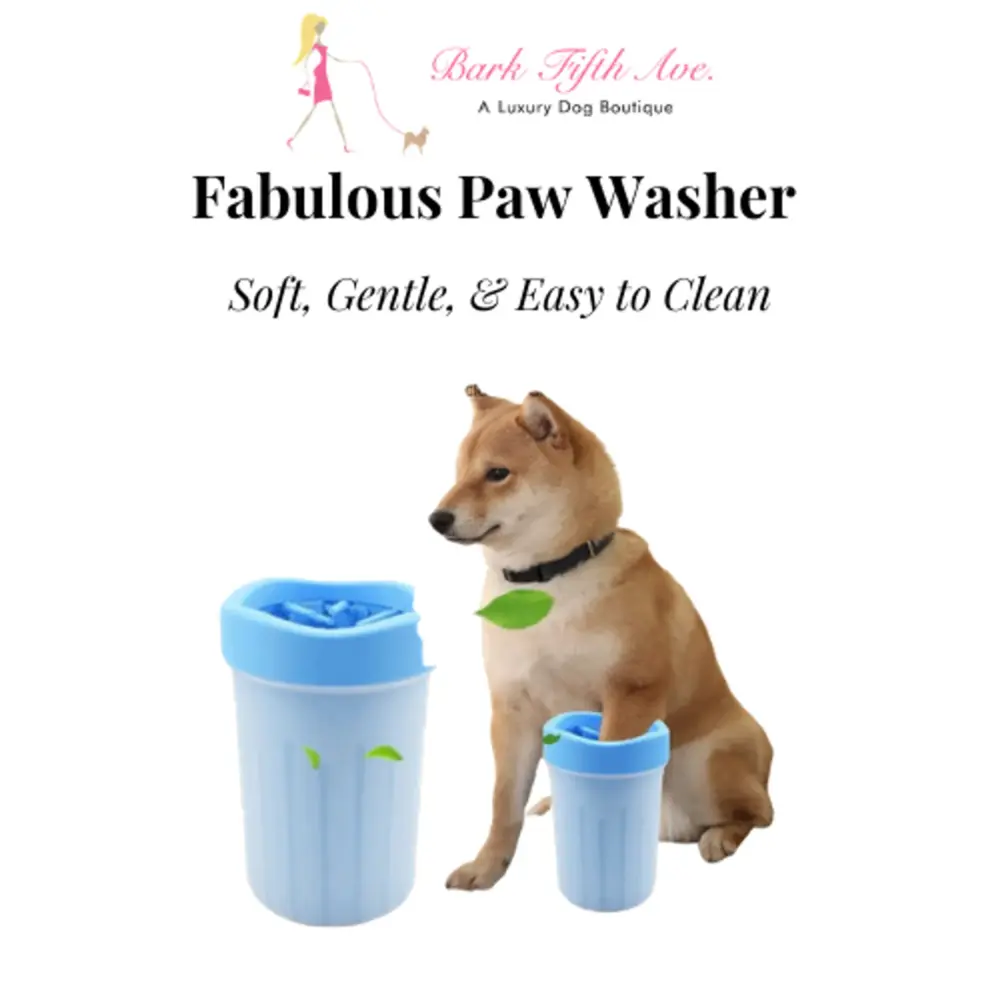
Fabulous Paws Dog Paw Cleaner Cup, Choose size & color
$31.95
Why it fits: Stops mud and grit at the apartment door, as soft silicone bristles clean between the pads before your dog crosses the floors.
-
JESPET
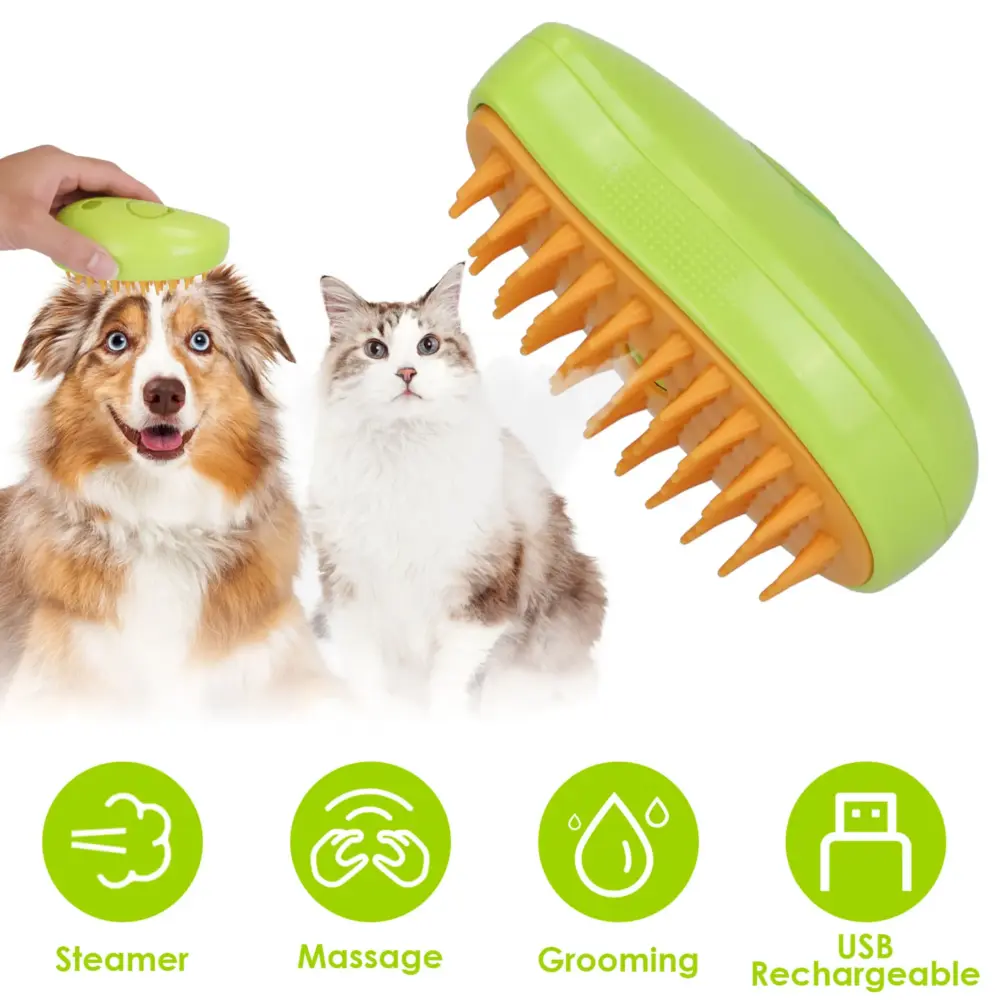
De-Shedding Tool for Dogs & Cats, Choose size
Price range: $27.95 through $29.95
Why it fits: Lifts loose undercoat from a double coat with its steel edge, so less hair gets ground into the carpet you will clean at move-out.
-
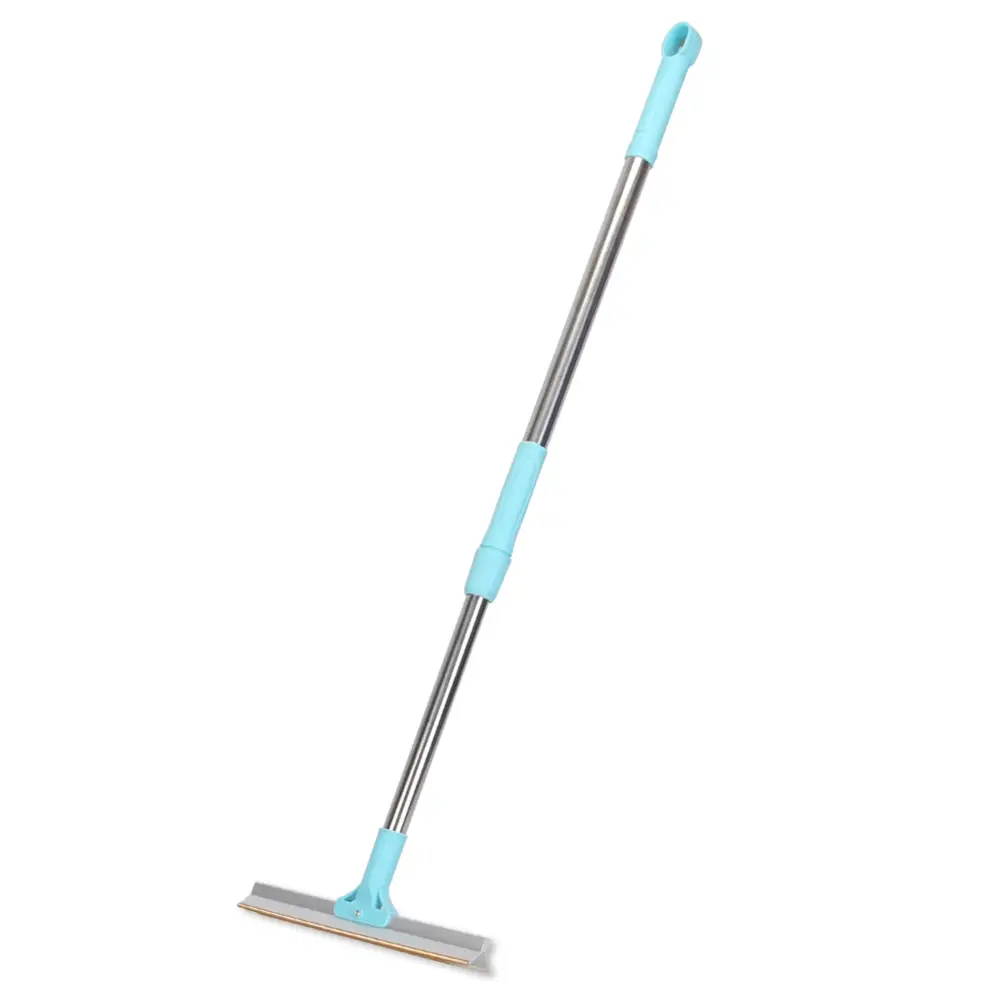
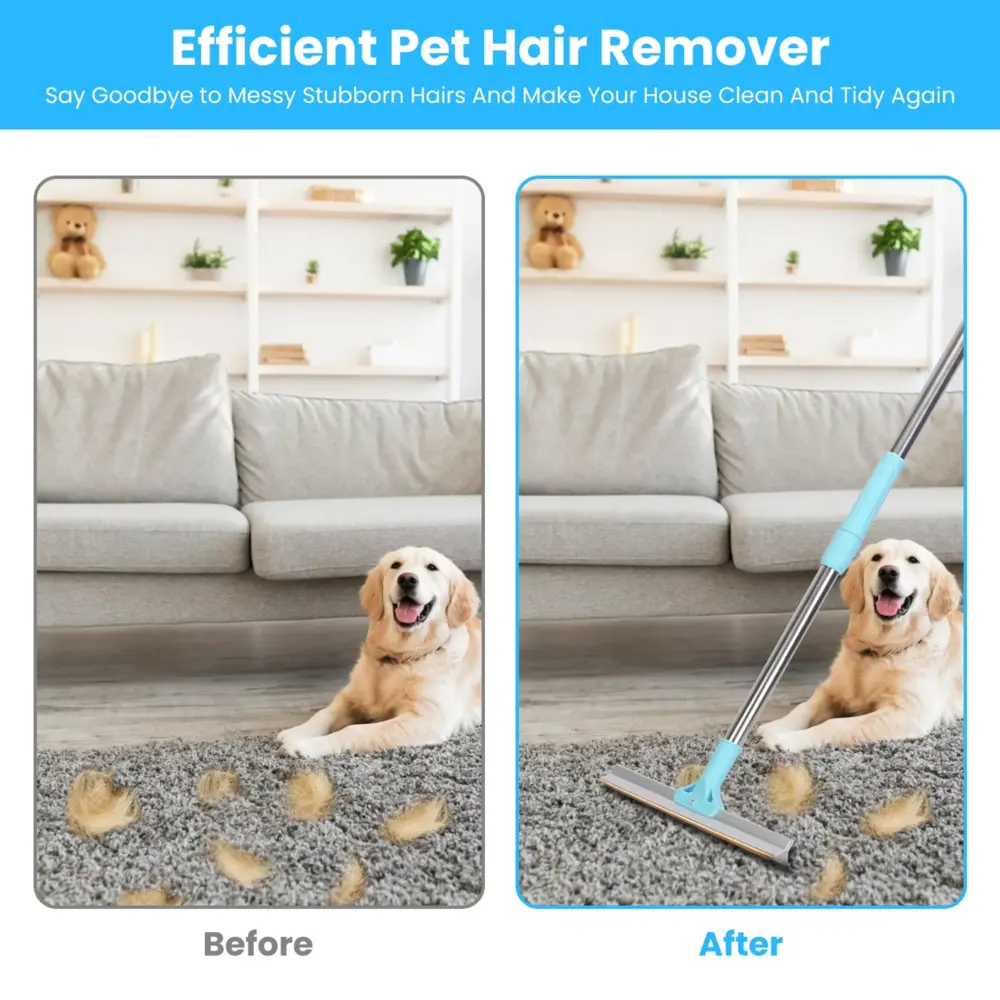
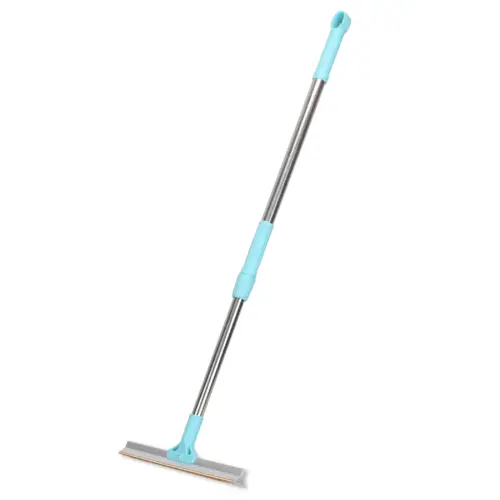
Telescopic Pet Hair Removal Rake for Carpets, Rugs & Car Seats, View product
$46.95
Why it fits: Drags hair a vacuum leaves woven in the carpet up to the surface, on a telescopic handle so you can rake a whole room standing up.



Doors, frames and blinds
Most door damage starts at a closed door: a dog trying to follow you out, or a cat shut out of a room. The fix depends on the reason.
Dogs at the door
- Damage only when you’re out. The ASPCA lists chewing door frames and window sills and digging at doorways among the signs of separation anxiety. Talk to your veterinarian and a qualified behavior professional, and don’t punish it: these are distress responses, not spite.
- Boredom. A walk and a food puzzle before you leave give your dog something to do besides the door.
- Teething puppies. The ASPCA’s guide to destructive chewing says the intense chewing phase usually ends by six months. Until then, offer chew toys, put tempting things away and use a crate or gated room your puppy is comfortable in when you can’t watch.
- Deterrents and guards. Test a bitter spray on a hidden spot of paint first. A clear guard on the lower door can take the scratching, but ask your landlord before you mount one, and use fixings that come off cleanly.
Cats at the door and the frame
- Closed doors invite scratching. A cat shut out of a room often claws the carpet at the threshold. Leave the door open, or put a flat scratcher on that exact spot.
- Frame scratchers need height. A cat clawing a door frame wants a vertical post, and iCatCare advises one as tall as your cat at full stretch and sturdy enough not to wobble. Place it beside the frame they like, or near where they sleep.
- Trim the claw tips. The ASPCA’s cat grooming tips suggest a trim every ten days to two weeks. Blunt tips do less damage, but they don’t replace a scratcher.
- Deterrent tape, carefully. Double-sided tape can make a frame less tempting, but adhesive can lift rental paint, so test a hidden spot first. Never punish scratching; it is normal cat behavior.
For placement, texture and a step-by-step plan, see how to get a cat to use a scratcher.
Blinds and curtains
- Raise blinds above your pet’s reach when you go out, or leave one window as an open lookout. Bent slats are easy to spot at inspection.
- If you swap the blinds for curtains with your landlord’s OK, store the originals and put them back before you leave.
The litter box corner
The floor around the litter box is where litter, splashes and the odd miss land, so set it up on purpose from the first day.
- Put the box on a hard floor if you can. They clean off tile far more easily than out of carpet. For choosing the spot, see where to put a litter box in a small apartment.
- Lay a mat at the exit. It catches litter before paws carry it into the carpet, and a waterproof base keeps spills off the floor underneath.
- Wipe the floor and wall beside the box weekly. Splashes there dry where you rarely look, and they show up at move-out.
Two picks from our catalog for the cat side of a rental, one for the doorway and one for the box:
-
Cat Scratcher Guy
Wooden Cat Scratcher with Reversible Insert, View product
$32.95
Why it fits: A flat scratcher to lay where your cat claws the carpet at a closed door, with felt pads underneath that help protect the floor.
-
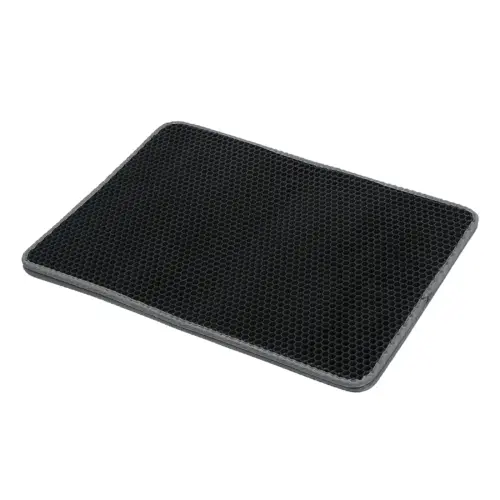
Double-Layer Honeycomb Cat Litter Trapping Mat, View product
$53.95
Why it fits: Catches litter at the box exit before it is tracked into the carpet, and its waterproof base keeps spills off the floor beneath it.

Safety note
A cat who suddenly starts going outside the box needs a veterinary check before you blame the setup. A cat who strains in the box and passes little or no urine needs a veterinarian right away: a blocked bladder is an emergency, and it is more common in male cats.
Keep odor from building up
Smell soaks into soft things first: pet beds, throws, curtains and the carpet pad. Odor that reaches the pad is hard to clear in a final week, so stop it building up from the start.
- Wash pet beds and blankets every week, as the CDC suggests in its guidance on cleaning pet supplies, and sooner if they smell.
- Scoop the litter box at least once a day. In a small unit, waste left sitting is noticeable fast.
- Air the rooms. Open windows when the weather allows and run the bathroom fan after bath time and litter changes.
- Check the HVAC filter. Pet hair clogs it faster. Ask your landlord how often it should be changed and who changes it.
- Take bagged dog waste out of the unit daily. A kitchen bin holding it smells fast in a small space.
If a smell has already set in, how to get rid of dog smell in the house tracks it to the source, and our checklist for keeping a house clean with cats covers the daily, weekly and monthly litter routine.
Move-out deep clean, room by room
Start two weeks out. On the big cleaning day, take your pet to a friend or sitter, or keep them in one closed room, so fresh hair doesn’t land behind you.
Two weeks before
- Ask what the inspection covers, and book carpet cleaning early if the lease requires it
- Give your pet a thorough brush-out, outdoors if you can
- Wash pet beds, throws and any curtains that are yours
Living room and bedrooms
- Vacuum, rake with a carpet hair rake, then vacuum again
- Look for old urine spots with a UV flashlight in a dark room
- Treat spots with an enzymatic cleaner and let it work as the label directs before any carpet shampooing
- Wipe baseboards, door bottoms and nose prints on glass
- Rehang the original blinds and check every screen
Kitchen, bathroom and entry
- Move the bowls and their mat, then mop and dry the floor beneath
- Take out the litter box, sweep the corners and vents where litter collects, and scrub the floor and wall
- Sweep grit from the entry and wipe scuffs on the door
- Clear the balcony or patio of waste, rinse it if building rules allow, and remove any potty patch
The final walk-through
- Open the windows and run fans to air every room
- Replace the HVAC filter if that is your job under the lease
- Photograph and video every room from the same angles as at move-in
- Take every pet item with you, scratcher and litter mat included
Ask your landlord before you repair anything
Fixing pet damage yourself can save a deduction or make it bigger. Touch-up paint in a slightly different sheen, wood filler that doesn’t match or a hand-cut carpet patch can turn a small charge into a larger one. Before you pick up a brush, ask:
- Would you rather fix this with your own contractor, or should I?
- If I touch up paint, which color and sheen do you use?
- Do you count light scratches on a door as normal wear, or as damage?
- Do you need a receipt for professional carpet cleaning?
- Can I be there for the move-out inspection?
- If you deduct anything, can I have it itemized?
Keep the answers in writing. If you carry renters insurance, ask your insurer what it covers for pets rather than assuming it pays for damage to the unit.
What to skip
- Scented sprays and plug-ins to cover odor. They mask the smell while the source stays in the carpet or the bed.
- Ammonia cleaners on accidents. The ASPCA’s litter box advice warns that urine contains ammonia, so an ammonia cleaner can draw a cat back to the same spot. Use an enzymatic cleaner instead.
- Scolding scratching or chewing. It doesn’t remove the reason your pet does it, and it makes an anxious pet more anxious.
- A rug over a stain at move-out. The inspection will find it. Treat it, then tell your landlord what you did.
For more cleaning help, browse our home and cleaning guides or the clean-up tools we stock.
Related guides
-
Checklist
How to Keep a House Clean With a Dog: A Daily to Seasonal Checklist
A cleaning schedule for a home shared with a dog, sorted by how often each job needs doing: the door routine for wet paws and coats, daily bowls and sweeps, weekly brushing, beds and rugs, monthly gear and car jobs, seasonal mud and shedding, and the shortcuts to skip.
-
Guide
How to Keep a House Clean With Cats: A Daily, Weekly and Monthly Checklist
A cleaning schedule built for cat homes: what to do daily, weekly and monthly about the litter box, bowls, bedding, rugs and loose hair, plus shedding peaks, litter box odor, holiday guests and a printable checklist.
-
Checklist
Vacation Rental With a Dog: Yard, House Rules and Checkout Cleanup
A checklist for a rental house or cabin with your dog: what to ask about the fence, how to walk the yard and dog-proof the rooms on arrival, house rules that protect the furniture, daily paw and hair habits, and the checkout cleanup that heads off extra fees.