Car Travel Checklist
Vacation Rental With a Dog: Yard, House Rules and Checkout Cleanup
Short answer
Get the host’s pet rules and fence details in writing, then walk the yard and gates with your dog leashed and close off the pool, stairs and off-limits rooms. Pack your dog’s own bed, a washable throw and paw-cleaning gear. Before checkout, pick up the yard, rake hair from rugs and tell the host about any damage.
A rented house brings three things a hotel room doesn’t: a yard you haven’t seen, rooms set up for people, and a host who inspects after you leave. This checklist covers those. For what to pack for the drive, use our road trip with a dog checklist. For the policy questions to settle before you book, such as fees and size or number limits, our guide to staying in a hotel with a dog has the list; put the same questions to your host, in writing.
The yard: ask about the fence, then walk it on leash
A dog in a new place is curious and a little wound up, and if the yard has a weak spot, your dog may find it before you do. Walk it together, on leash, before anyone opens the back door and lets them run.
Ask about the fence before you arrive
“Fenced yard” can mean a tall privacy fence around the whole lot or a split-rail fence along the road. Message the host and ask:
- Is it fenced on every side, and how tall is the fence at its lowest point?
- Do the gates latch on their own? Any gaps, loose boards or sections that are just hedge?
- Is it an invisible fence? That only stops a dog trained to that system and wearing its receiver collar, so for your dog, treat the yard as unfenced.
- Will anyone come by during your stay? Pool service, lawn care and maintenance visits open gates, and not everyone closes them.
The fence walk on arrival
- Leash on for the first lap, and for the whole first day if your dog digs, climbs or bolts
- Walk the entire fence line, looking for gaps or soft soil under it, loose boards and broken wire
- Look for anything that makes a step up: a woodpile, a bench, a trash can or a grill pushed against the fence
- Open and close every gate, and check each one latches by itself and can’t be nudged open
- Check deck edges, docks, retaining walls and railings with gaps a small dog could slip through
- Scan the ground for mushrooms, bait stations, broken glass, fallen fruit and waste left by earlier guests’ dogs
- Find the pool, hot tub, pond or lake access, and how each one is closed off
Why the leash matters on day one. A dog who slips out of a yard at home knows the street. Somewhere new, they don’t know the way back, and a scent, a deer or a dog next door can pull them a long way. Check that the tag carries your cell number and that the microchip registration is current before you leave home.
Why you supervise even a good fence. A fence you haven’t seen your dog in is a fence you haven’t tested. Stay outside with your dog for the first day or two, then decide whether short stretches on their own in the yard are reasonable.
Safety note
Pools, hot tubs and lakes. Never leave your dog alone near a pool, and keep the hot tub cover latched. Walk your dog to the pool steps on leash on the first day, so they have seen the way out. At a lake house, keep your dog out of water that looks discolored or has foam, scum or a paint-like film on top: the CDC warns that animals who swallow toxins from a harmful algal bloom can become sick and die within hours to days. If your dog goes into water that might be affected, follow the CDC’s advice for preventing pet illness from harmful algae: wash them off with clean water straight away, so they can’t lick it from their fur, and call a veterinarian if they show signs such as vomiting, drooling, stumbling or low energy. If you think your dog swallowed some of the water, call your vet without waiting for signs.
Inside the house: hazards, stairs and rooms to close off
A rental is set up for people, and plenty of the people who stayed before you didn’t have a dog. Before your dog explores off leash, spend ten minutes looking at the house from nose height.
- Photos of every room and the yard on arrival, so marks that were already there aren’t counted against your dog
- Floors and under furniture: dropped pills, food, wrappers, hair ties and small toys from earlier guests
- Under sinks and in low cupboards: cleaning products and dishwasher pods behind doors that don’t latch
- Garage, shed, closets and behind appliances: mouse and rat bait, ant or snail bait, antifreeze and fertilizer
- Bathrooms: medicines and toiletries left on low shelves, and the toilet lid
- Kitchen trash: if the bin has no lid, move it behind a closed door or up high
- Stairs, lofts and balconies: open railings and steep steps, especially for puppies, seniors and small dogs
- Windows: a screen won’t hold a dog who leans or jumps against it
- Fireplace or wood stove: the screen in place or the doors closed
- Rooms the host has ruled out, or that hold anything fragile: doors shut for the whole stay
Mouse and rat poison, snail and slug bait and antifreeze are serious poisons for dogs, and garages, sheds and utility closets are where they are usually kept. If anything looks like bait, don’t move it yourself; close the door and ask the host. If your dog swallows something you’re unsure about, call your veterinarian or the ASPCA Animal Poison Control Center at (888) 426-4435, which answers around the clock; a consultation fee may apply. Have the packaging in hand when you call.
Tip
Look up the nearest 24-hour emergency veterinary clinic on the first evening and save its number and address in your phone. Finding one at midnight in an unfamiliar town is much harder.
House rules that protect the furniture
The host’s rules decide what your dog may do; your job is to make those rules easy to follow. If the listing says no dogs on furniture, that includes furniture you have covered.
- Your dog’s own bed, set up in the room where the family spends the evening
- A washable throw or an old sheet over anything your dog is allowed on
- Bedroom doors closed if dogs aren’t allowed on the beds
- The crate, if your dog is crate-trained, for the times nobody can watch
- A chew or two from home for the first evening, when everything is new
- One rule for the whole group: check where the dog is before anyone opens an outside door
- Dog food in a closed container on a counter or in a cupboard
- The water bowl on a hard floor, never on a rug
A bed from home gives your dog a yes. A familiar bed in the right room is an obvious, approved place to lie down, which makes the sofa less tempting. Put it where you’ll be sitting, not in a back bedroom; a dog parked away from the family tends to come looking for you.
The door rule covers what the fence can’t. Kids heading to the beach, a friend carrying in groceries, a food delivery: a rental full of people has doors opening all day, often onto a street your dog doesn’t know. A quick “where’s the dog?” before the door opens costs nothing.
Plan for an accident. Even a reliably house-trained dog can slip up in a strange house. A new place is one of the triggers VCA’s veterinarians name for marking, and so are spots where other dogs have urinated, which a pet-friendly rental may have plenty of. Take your dog out often on the first day, after waking, meals and play, and watch for sniffing at corners and furniture legs. Blot any accident right away and treat it with an enzyme-based pet stain cleaner from home; we don’t sell one.
Going out without your dog? Whether they can stay alone in the house depends on the host’s rules and on your dog; the hotel guide covers how to tell, and how to practice short absences first.
Daily habits: paws at the door, hair and the yard
Most of the checkout cleanup is decided during the stay. A few minutes a day keeps the last morning short.
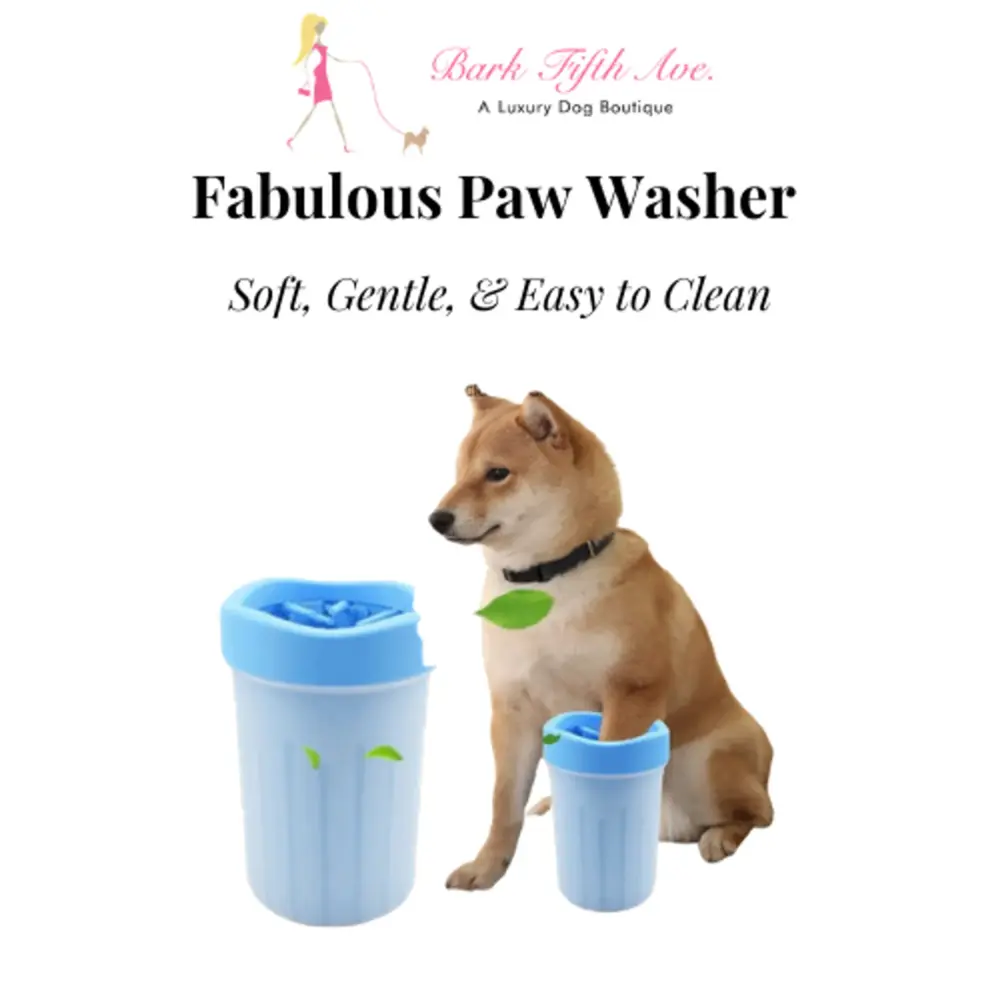
- One door for the dog, with a towel, a paw cleaner cup and a container of wipes beside it
- Paws cleaned and dried every time your dog comes in from sand, mud or a wet lawn
- A brush-out outside each morning, before the loose hair lands on the rugs
- The yard picked up every day, not just on the last morning, and bags on every walk
- Sofa covers shaken out outside, or swapped, when they collect hair
- A tick check after walks in woods or tall grass
- Trash, bagged waste and dog food handled the way the house rules ask, especially where there’s wildlife
One door, one station. Sand from a beach house and mud from a lake trail travel through a whole house in a day if your dog comes in through three doors. Pick the one closest to the yard and clean paws there every time, working between the pads and drying between the toes; our guide to cleaning dog paws after a walk covers each level of mess.
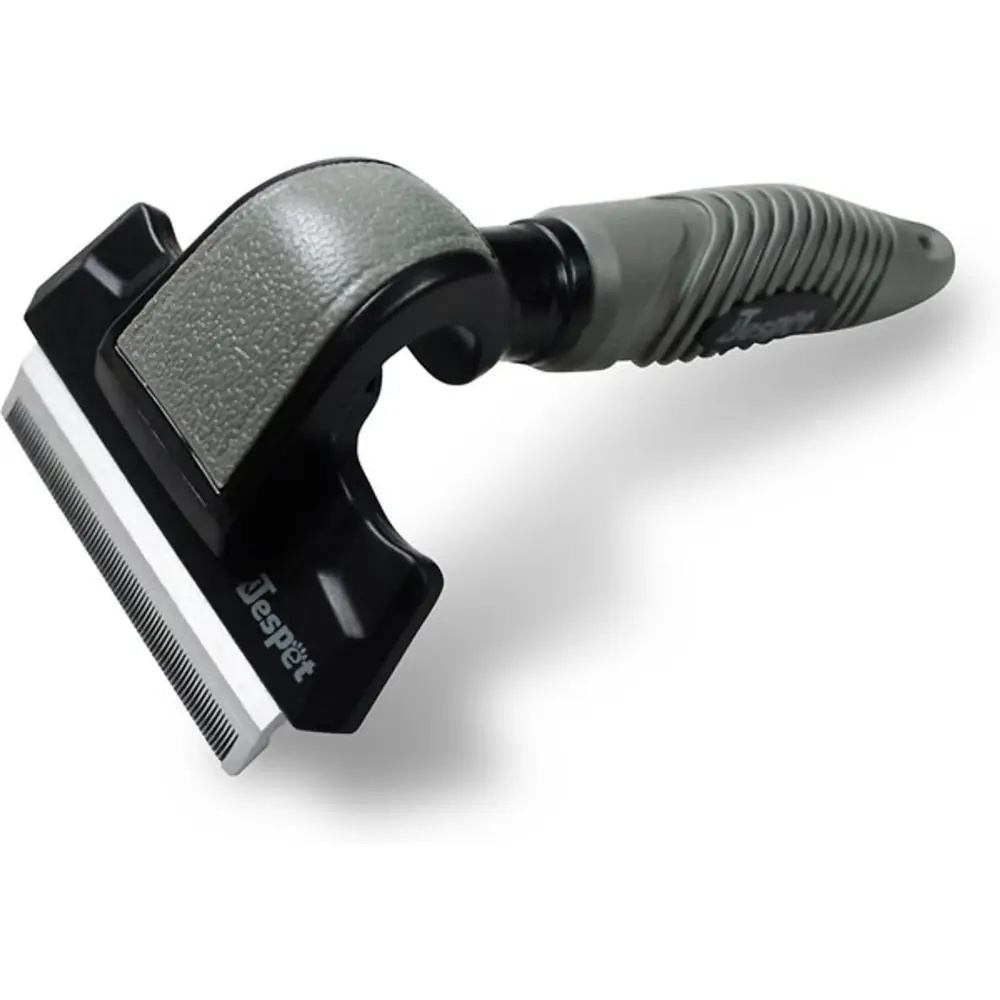
Brush outside, not on the host’s rug. Every hair you brush out on the porch is one you don’t rake out of the carpet later. On a double-coated dog, a few minutes with the JESPET De-Shedding Tool lifts loose undercoat before it falls out indoors.
-
Bark Fifth Avenue
Fabulous Paws Dog Paw Cleaner Cup, Choose size & color
$31.95
Why it fits: Keep it at the one door your dog uses: a twist in the cup lifts sand and mud from between the pads before your dog crosses the floors, and the water stays in the cup. Three sizes.
-
Mr. Peanut’s
Naturals Pet Wipes
$26.95
Why it fits: For light dirt on paws, legs and belly at the door: 150 large 6 x 10 in wipes, thicker than the usual pet wipe, so one gets through a paw without tearing.
Currently out of stock
-
Yucky Puppy
Waterproof Poop Bag Holder, Choose size
Price range: $23.95 through $24.95
Why it fits: Clips to the leash and zips a full bag away in a waterproof pouch, for walks in a neighborhood where you have not found the bins yet. XL size, set of two.
-
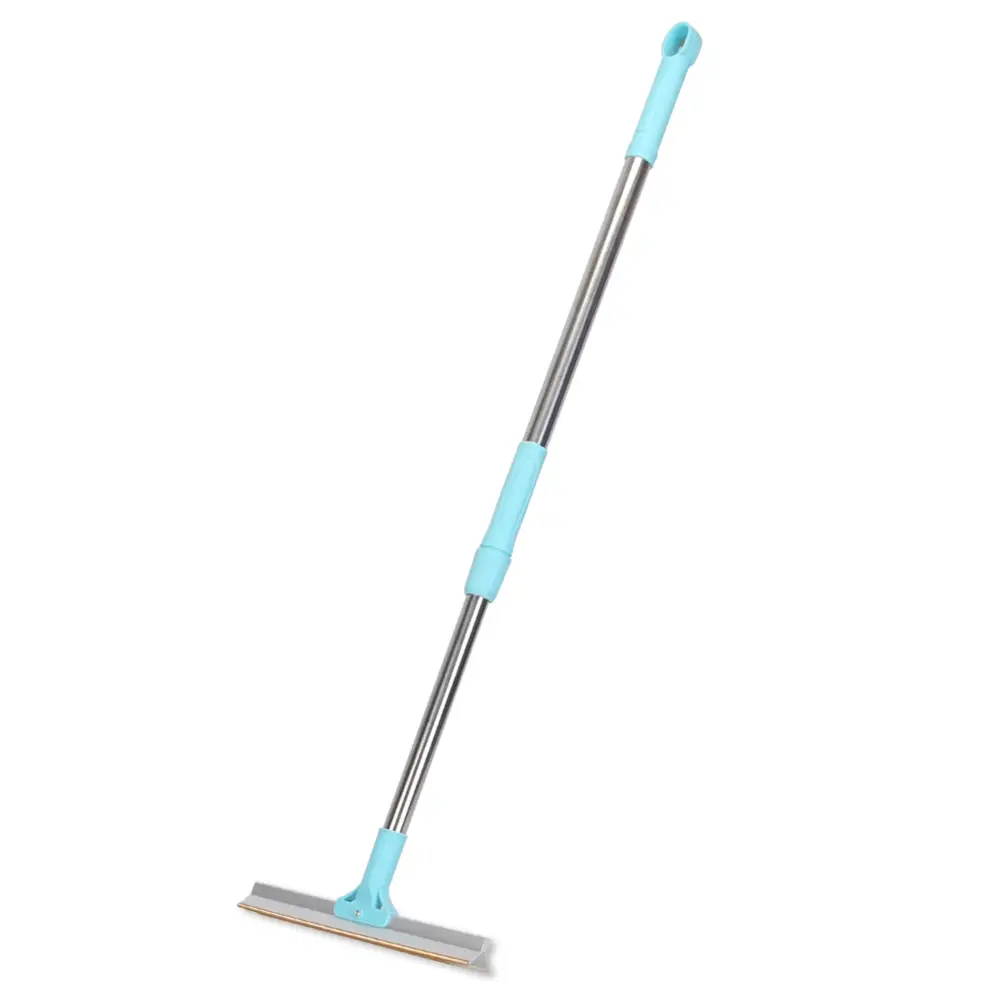
Telescopic Pet Hair Removal Rake for Carpets, Rugs & Car Seats, View product
$46.95
Why it fits: Rubber teeth pull embedded hair out of the rugs, carpet and carpeted stairs in the rental before checkout, and the telescopic handle lets you rake a whole room standing up.



The checkout cleanup that heads off extra fees
Read the house rules on the first day, not the last: they say what the host expects at checkout. The usual turnover clean is planned for an ordinary stay, so hair worked into the rugs, paw prints on every floor, a stained cushion or a yard that still needs picking up is extra work the host may bill you for.
The last evening
- Wash your own throws and sheets, if the house has a washer, so they go home clean and dry
- Collect toys, chews and bowls, and look under the beds and sofas for strays
- Walk the yard in rows and pick up everything, including near the fence and under the deck
The last morning
- Rake the hair out of rugs, carpet and carpeted stairs, then vacuum
- Sweep or vacuum hard floors, especially corners, under furniture and around the dog bed
- Wipe paw prints from floors and nose prints from glass doors and low windows
- Run a lint roller or a damp rubber glove over any sofa or chair your dog used
- Check for chewed corners, scratched doors and stains, and photograph anything you find
- Take out the trash and bagged waste the way the house rules ask
- Message the host about any damage or accident before you leave, with a photo
Raking first matters because vacuums skim the surface while hair stays woven into the pile. Use short strokes in one direction, and on a wool or delicate rug, test a corner first; our guide to getting dog hair out of carpet has the technique.
Report damage yourself. A small stain you mention with a photo and an offer to cover cleaning is an easier conversation than one the cleaner reports after you’ve gone. Rented a car for the trip, too? Our guide to renting a car with a dog has the same last-hour routine for the back seat.
What to leave off the list
- A trunk full of cleaning supplies. Ask the host what the house has: a vacuum, a broom, a washer. Then bring only the dog-specific tools: a carpet rake, a lint roller, wipes, bags and an enzyme cleaner.
- Whatever’s under the sink for a stain. A product you don’t know can bleach or set a stain on fabric you don’t know either. Blot, test your own cleaner on a hidden spot, and tell the host.
- Scented sprays to hide dog smell. They mask it rather than remove it. Open the windows, wash your covers and empty the trash instead.
- An unlisted dog. Bringing a dog the host hasn’t approved, or more dogs than you booked for, puts the whole stay at risk.
Staying in a friend’s or relative’s home instead, with hosts and maybe resident pets? Our guide to staying with family with a dog covers the houseguest version, and the rest of our clean-up gear is in clean-up supplies.
Related guides
-
Checklist
Staying With Family or Friends With a Dog: A Houseguest Checklist
A houseguest checklist for a few days at your parents’ or friends’ home with your dog: the questions to ask first, what to pack, meeting a resident dog or cat, a hazard check, a quiet room and routine, and the cleanup before you leave.
-
Checklist
How to Keep a House Clean With a Dog: A Daily to Seasonal Checklist
A cleaning schedule for a home shared with a dog, sorted by how often each job needs doing: the door routine for wet paws and coats, daily bowls and sweeps, weekly brushing, beds and rugs, monthly gear and car jobs, seasonal mud and shedding, and the shortcuts to skip.
-
Checklist
What to Tell Your Dog Walker: A Handover Checklist
Everything a new dog walker needs on one page: where the gear lives and how it goes on, how your dog walks, leash and route rules, medications and treats, emergency contacts, the door routine, weather rules and a first walk together.