Car Travel Checklist
Staying With Family or Friends With a Dog: A Houseguest Checklist
Short answer
Ask your hosts about allergies, their pets, young children and house rules before you commit, then pack your dog’s bed or crate, usual food, bowls and a cleanup kit. On arrival, meet any resident dog outdoors on leash, set up one quiet room as your dog’s base, and clean paws at the same door every time.
A few days in someone else’s home asks more of a dog than a dinner visit: new rooms, someone else’s rules and perhaps a resident dog or cat. This checklist is for the guest. If you’re hosting with your own dog, our Thanksgiving dog safety plan covers the host’s side.
The houseguest checklist at a glance
- Ask about allergies, pets, children and house rules before you commit
- Pack your dog’s bed or crate, usual food, bowls, medications and a cleanup kit
- Brush your dog out before you go, and bathe them if anyone there has allergies
- Meet any resident dog outdoors, on leash, before going inside
- Keep your dog leashed or behind a gate whenever a resident cat is around
- Get medications, bags and small toys moved out of reach
- Give your dog one quiet room with their bed, water and a chew
- Clean paws at one door, every time your dog comes in
- Before you leave, pick up the yard, deal with the hair and mention any damage
What to ask your hosts first
Ask early and make it easy to say no; a month ahead still leaves time to book a sitter or boarding.
- Does anyone in the house, or visiting while you’re there, have a dog allergy or a fear of dogs?
- What pets live there or will be visiting, and how have they reacted to visiting dogs?
- Will babies, toddlers or young children be there, and on which days?
- Which rooms are off-limits, and is the dog allowed on sofas or beds?
- Where should your dog sleep and eat, and which door should they use?
- Is the yard fenced all the way around, and are the gates kept latched?
- Can your dog stay in the house if you go out without them, and is a crate all right?
Allergies shape the whole visit. The AKC notes that all dogs produce allergens, found in dander, saliva and urine, so no breed is truly hypoallergenic. Its tips for making a dog-filled home comfortable for guests with allergies apply when your dog is the guest, too: keep them out of the allergic person’s bedroom, cover any furniture they’re allowed on, and consider a bath beforehand, which some studies have found reduces airborne dander, depending on the dog. If the allergy is severe, a sitter at home is the kinder plan.
Children change the supervision. Toddlers at eye level, dropped food and grabbing hands are a lot for a dog who doesn’t live with kids. Keep an adult watching whenever your dog and young children are together, and when nobody can, your dog goes to their room.
An unfenced yard means a leash. If the fence has gaps or the gates don’t latch, every potty break happens on leash. Even with a good fence, go out with your dog for the first day or two; somewhere new, they don’t know the way home.
What to pack from home
For your dog
- Their own bed, or the crate they already sleep in
- Their usual food for the whole stay plus two extra days, in a closed container
- Food and water bowls, and a mat to go under them
- Any medications, with doses and times written down
- A collar and ID tag with your cell number, plus up-to-date microchip registration
- Their harness, leash and a spare leash
- A chew or a lick mat for quiet time, plus one or two favorite toys
- Your veterinarian’s number and a copy of vaccination records
For your hosts’ house
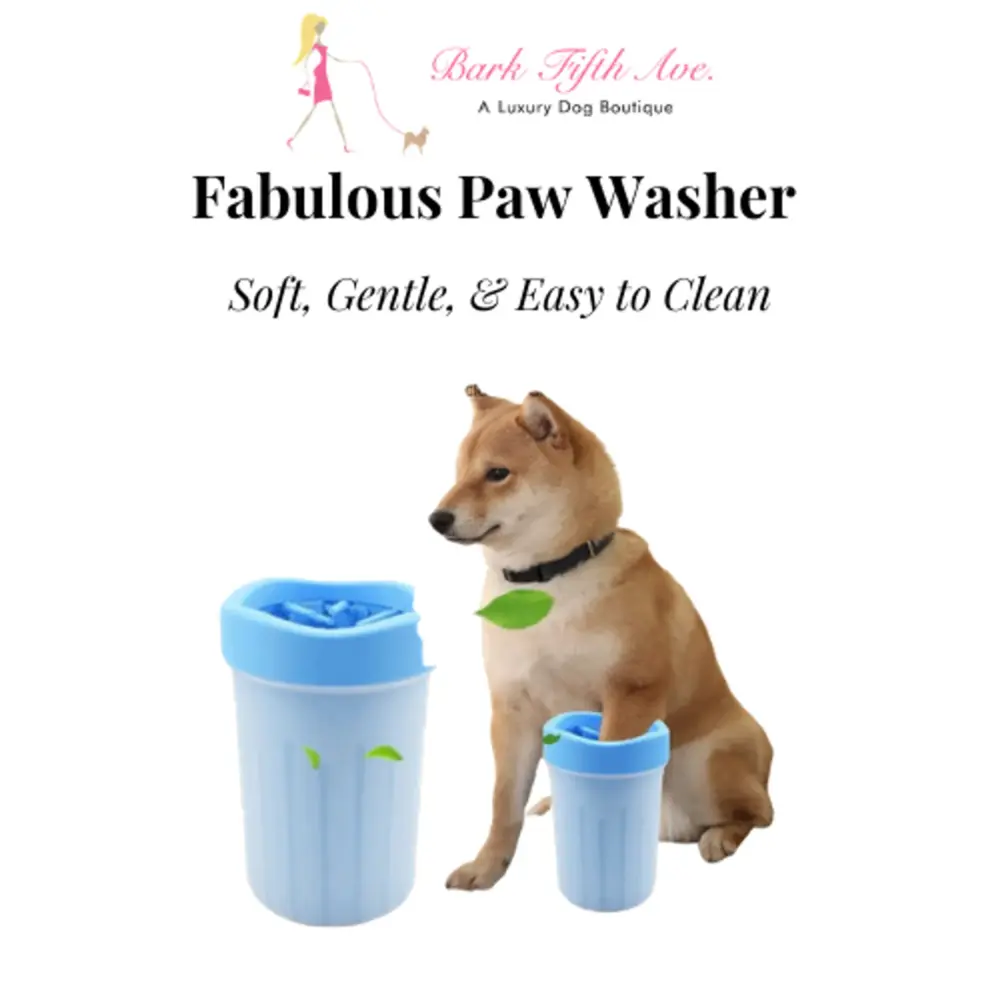
- Two old towels, a paw cleaner cup and a container of pet wipes
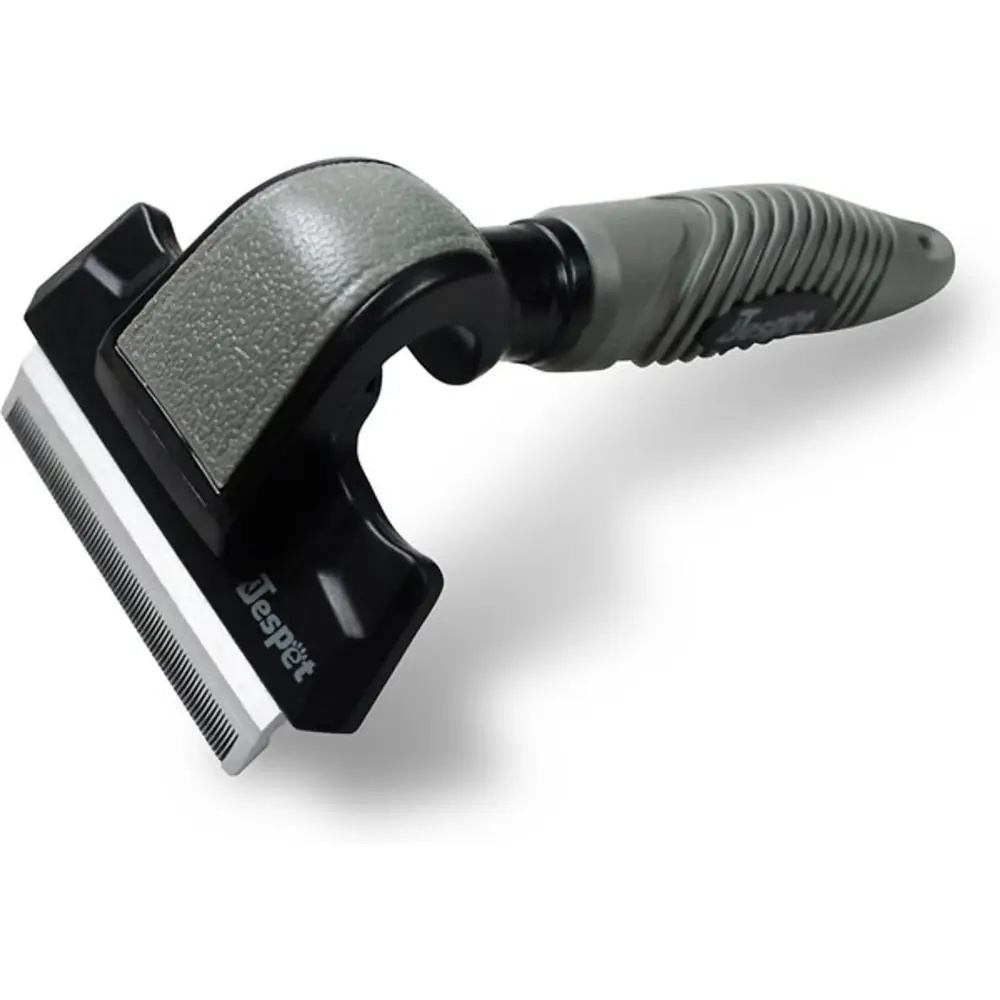
- A brush or de-shedding tool
- A washable throw or old sheet for any furniture your dog is allowed on
- Poop bags, more than you think you’ll need
- An enzyme cleaner for accidents (we don’t sell one) and a lint roller
- A baby gate, if you’ll need to keep pets apart and your hosts don’t have one
Familiar things do the settling. A bed from home is somewhere your dog already knows how to lie down, and an approved alternative to your hosts’ sofa; the usual food avoids a sudden switch that can upset a dog’s stomach. Try any new gear at home first, not on the first night away. If you’re filling gaps in the kit, these four suit a stay in someone else’s home; the picks are limited to what Nilosi sells.
-
JESPET
De-Shedding Tool for Dogs & Cats, Choose size
Price range: $27.95 through $29.95
Why it fits: Lifts loose undercoat outdoors before it reaches the sofa and rugs where you are staying; suited to double coats, in Small and Large.
-
SodaPup
Jigsaw Enrichment Lick Mat for Dogs & Cats, Choose color
$25.95
Why it fits: Gives your dog a quiet job in the guest room while the house is loud; press in wet food or a soft treat and let them settle. Dishwasher safe.
-
Bark Fifth Avenue
Fabulous Paws Dog Paw Cleaner Cup, Choose size & color
$31.95
Why it fits: Keeps mud and road salt at the door your hosts picked for the dog: soft silicone bristles and a little water, then a towel.
-
Mr. Peanut’s
Naturals Pet Wipes
$26.95
Why it fits: Cleans light dirt off paws and coat before your dog settles in the house; 150 large 6 x 10 in wipes, thicker than standard pet wipes.
Currently out of stock




Leave at home
- High-value chews, if there’s a resident dog. Anything your dog might guard can start a squabble in shared rooms, so give it only behind a closed door, or leave it at home.
- The retractable leash. On streets you don’t know, a fixed 4- to 6-foot leash keeps your dog closer near traffic and the neighbors’ dogs.
Before you arrive
- A day or two ahead: a thorough brush-out outdoors, until the brush comes away nearly clean
- A bath at the same time, if your dog is used to them and someone in the house has allergies
- Nails trimmed, for their wood floors and for any relative your dog greets with a jump
- On the day: a long walk before the drive, and a potty break a block or two from the house
- A text to your hosts 15 minutes out, so they can shut the cat away and leash their dog
Brushing outside sends loose hair into the yard instead of their carpet, and a dog who has walked and sniffed arrives calmer. For the drive itself, from a back-seat tether to rest stops, see our road trip with a dog checklist.
Meeting the resident dog or cat
A resident dog: meet outside first
- Ask your hosts to put away their dog’s toys, chews and food bowls before you arrive.
- Meet on the sidewalk or at a nearby park, not in their house or yard, with one adult per dog and loose leashes.
- Walk the dogs side by side, with space between them, for several minutes. If both look relaxed, let them sniff briefly, then walk on.
- Walk into the house together, and keep watching once you’re inside.
- Feed them in separate rooms, and use a gate or a closed door whenever nobody is watching.
Outside comes first because a dog who is friendly on walks may still guard their own house, toys or people; the AKC’s guide to introducing two dogs also puts the first meeting on neutral ground. Relaxed faces, play bows and wiggly hind ends are good signs. Yawning, a turned-away head, a tense jaw, a low tail, shaking or raised hackles mean it’s too much for one of them, so calmly separate them and walk on.
Safety note
Don’t leave them to work it out. If either dog has a history of fighting or guarding, or the first meeting goes badly, keep them apart for the whole visit with gates and by taking turns in the shared rooms, or think again about bringing your dog.
A resident cat: keep them apart
A few days is too short to make friends, and a single chase can unsettle the cat for the rest of the week. Peaceful distance is the goal:
- Ask your hosts to give the cat a dog-free room with its litter box, food and water before you arrive
- Leash your dog in any shared room the cat may pass through, for the whole stay
- Skip the face-to-face meeting, and never let your dog corner the cat or follow it under furniture
- Keep the doors to the cat’s room and litter box closed, since many dogs raid both
Your hosts can plan the cat’s side, from the retreat room to what to tell visitors, with our guide to keeping a cat calm with house guests. Birds, rabbits and other small pets belong behind a closed door your dog never goes through, since even a calm dog may see them as something to chase.
A quick hazard check of their house
Your hosts may not have looked at their house from dog height in years, so walk through it together on the first evening.
- Pill organizers and medicine bottles on nightstands, counters and low tables
- Handbags, backpacks and suitcases on the floor, which can hold medications, sugar-free gum and snacks
- Children’s toys, socks and hair ties small enough to swallow
- Candy and nuts on coffee tables, food gifts under the tree and a kitchen bin with no lid
- Stairs, loose rugs and slippery floors where older relatives walk
- The front door, with one household rule: know where the dog is before anyone opens it
Medications come first. In the ASPCA Animal Poison Control Center’s top 10 toxins of 2025, over-the-counter medications and supplements topped the list, food came second (led by grapes, raisins, xylitol gum, onions and garlic) and prescription medications third, and the ASPCA notes that these items turn up in backpacks and purses. Ask your hosts to keep medications in a closed cabinet and visitors’ bags in a closed room. If your dog swallows something, call your veterinarian or the center’s 24-hour line at (888) 426-4435 right away; a consultation fee may apply.
Older relatives and a dog underfoot. A CDC analysis of emergency visits from 2001 to 2006 found that falls involving dogs most often came from tripping over the dog or being pushed or pulled by one, and that pet-related fall injuries were most common among people 75 and older. Keep your dog on leash or in their room when grandparents are on the stairs or up at night, and ask for a sit at greetings instead of a jump.
A quiet room and a routine that travels
- One room, usually your guest room, with your dog’s bed or crate, water and a familiar chew
- A house rule, children included: a dog on their bed is left alone
- Meals at the usual times, in that room, away from any resident pet
- Walks, potty breaks and bedtime close to your schedule at home
- You do the walking, feeding and cleanup, and hand over only what your hosts offer to do
A base room takes the pressure off. Holiday visits run long: presents on the floor, a loud dinner, cousins who want to play. A dog who can retreat to a familiar bed behind a closed door gets to rest instead of coping. During the busiest stretch, such as the holiday meal, serve your dog’s dinner or a loaded lick mat there, and pick the mat up once it’s licked clean, since it isn’t a chew toy.
Going out without your dog. Only if your hosts agree and your dog already stays calm alone at home: start with a short errand, use the crate if your dog is crate-trained, keep them apart from resident pets and leave your cell number. Our guide to staying in a hotel with a dog shows how to practice short absences somewhere new.
Keeping their house clean
Your hosts see the floors every day, so clean up as you go.
- Paws cleaned and dried at the door your hosts chose, every time your dog comes in
- The yard picked up daily, in the corner your hosts would like your dog to use
- A quick brush-out outdoors each morning, before the hair reaches their rugs
- Your dog off furniture and beds unless invited, with your throw underneath when they are
- Bowls picked up after each meal, so neither dog has a bowl to guard
One door, every time. Winter visits bring in mud, slush and road salt; drying between the toes keeps it on the mat. Our guide to cleaning dog paws after a walk has a method for each kind of mess.
Expect marking near the resident dog’s spots. VCA Animal Hospitals notes that dogs are particularly likely to mark when they enter a new environment and where other dogs have urinated, and a house with a resident dog is both. On the first day, take your dog out after waking, meals and play, and stay close enough to interrupt a sniff at a doorframe or a furniture leg. If an accident happens, blot it, treat it with your enzyme cleaner after a spot test, and tell your hosts the same day.
Before you leave
Ask your hosts how they’d like things left; some would rather wash the guest sheets themselves. Then take care of the dog’s share:
- The whole yard picked up, along the fence line too
- Bowls, toys and chews collected, including from under beds and sofas
- Your throws and any bedding your dog used washed, if your hosts are happy for you to use the washer
- Hair raked out of the guest-room rug or carpet, then vacuumed
- Any scratch, chewed corner or stain pointed out, with an offer to pay for the repair or cleaning
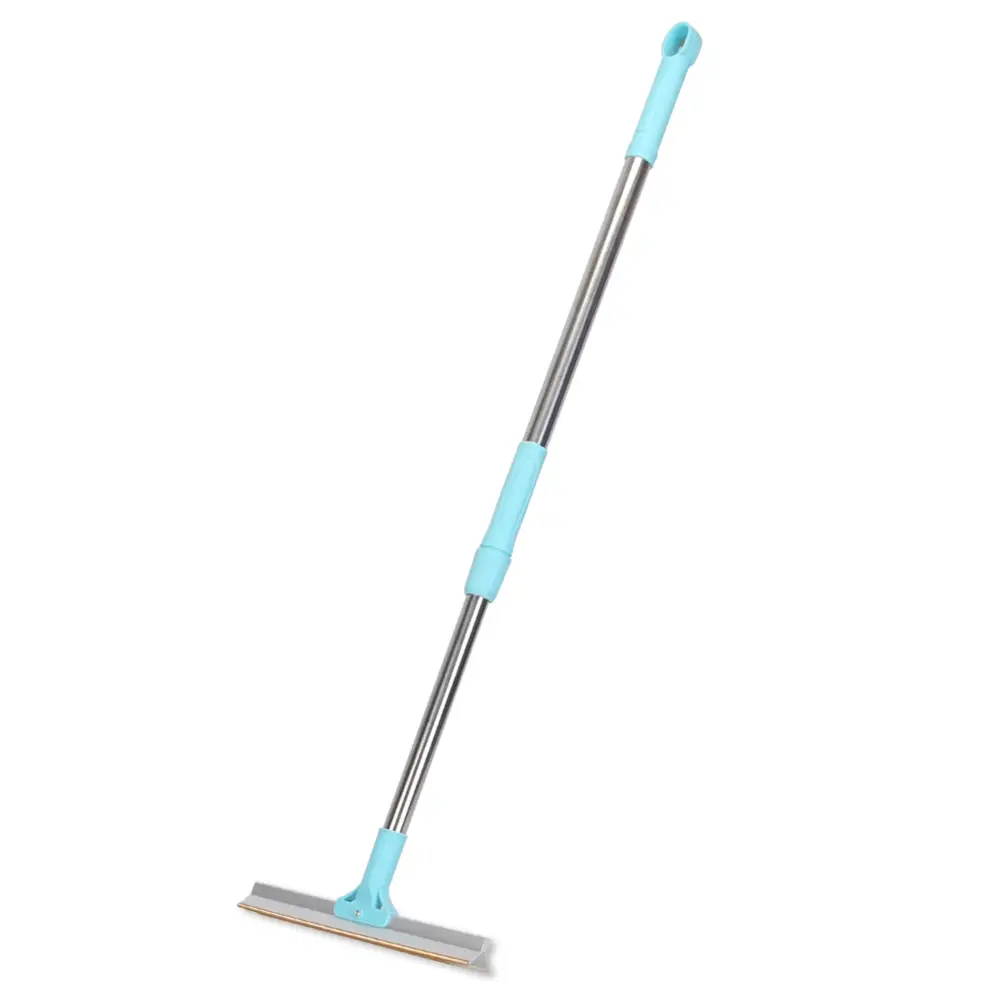
A vacuum skims the top of the carpet. A rake such as our Telescopic Pet Hair Removal Rake grips the fibers and pulls embedded hair to the surface first, and its telescopic handle lets you do the guest room standing up. For a room-by-room routine, see the checkout cleanup in our guide to a vacation rental with a dog.
Hosts who get their house back the way they left it are the ones who invite the dog back next year.
Related guides
-
Checklist
Vacation Rental With a Dog: Yard, House Rules and Checkout Cleanup
A checklist for a rental house or cabin with your dog: what to ask about the fence, how to walk the yard and dog-proof the rooms on arrival, house rules that protect the furniture, daily paw and hair habits, and the checkout cleanup that heads off extra fees.
-
Checklist
How to Keep a House Clean With a Dog: A Daily to Seasonal Checklist
A cleaning schedule for a home shared with a dog, sorted by how often each job needs doing: the door routine for wet paws and coats, daily bowls and sweeps, weekly brushing, beds and rugs, monthly gear and car jobs, seasonal mud and shedding, and the shortcuts to skip.
-
How-to
How to Bathe a Dog That Hates Baths: Setup, Steps and Drying
For the dog who scrabbles, shakes or bolts at bath time: brush out tangles first, make the tub steady underfoot, keep a lick mat in reach, wash the face last, skip the dryer battle and build tolerance between baths, plus what to do when a bath still goes wrong.