Cat Care How-to
How to Keep a Cat Calm With House Guests: A Retreat Room Plan
Short answer
Set up a quiet retreat room a week or so before guests arrive, with a litter box, water, a hiding place and a scratcher, and keep meals and play on schedule. Ask guests to let your cat come to them, stay out of that room, close outside doors behind them and keep medications out of reach.
The AAFP and ISFM guidelines on feline environmental needs list the cues a cat reads as a threat: strange smells, loud or unfamiliar noises, unfamiliar objects and unknown animals. Guests, their luggage and perhaps their dog can bring all four at once. The guidelines also explain that cats tend to avoid and evade a perceived threat rather than confront it, and that having the option to withdraw gives a cat some control over its surroundings. A calm visit comes down to protecting that option, then letting your cat decide when to come back out.
Choose a retreat room and stock it
Pick a room with a door that closes, away from the front door and the kitchen, where nobody needs to go during the visit. The ASPCA’s holiday safety tips suggest an interior room; your own bedroom or a home office often works. Skip the guest room, which soon fills with luggage and new smells. VCA’s holiday advice for cat owners asks for a quiet space away from company with fresh water and a litter box. Stock it with:
- A litter box on the far side of the room from food and water. Add one rather than moving the box your cat already uses.
- Fresh water, plus food at the usual mealtimes.
- A hiding place, such as a covered bed, a cardboard box on its side or a blanket over a chair. The AAFP guidelines note that a cat feels safer when it can’t see a potential threat.
- Somewhere high, like a cleared shelf, a dresser top or a cat tree, since the safe places cats pick are often raised.
- A scratcher, so a tense cat can stretch and mark something it is allowed to.
- The carrier, door open, if your cat already naps in it.
- Something to do when you look in, such as a lick mat with a little wet food or a wand toy for a short game. Pick both up when you leave.
- A synthetic feline pheromone diffuser, if you like, plugged in when you set up the room. VCA names one among its mild calming remedies for the holidays.
- A sign for the door, such as “Cat resting, please keep closed.”
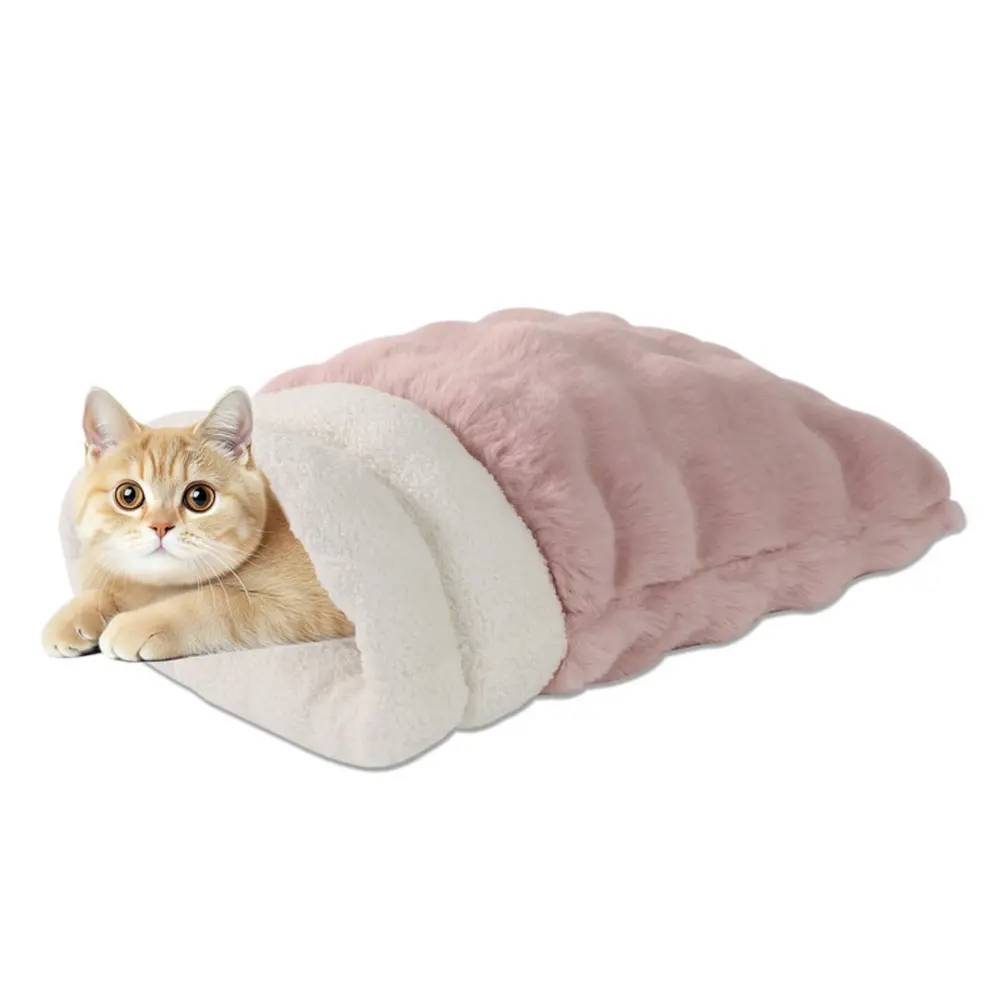
Use your cat’s own bed, blanket and scratcher wherever you can, because they already smell right. If something is missing, these four cover the retreat room and the warm-up game. Our picks are limited to what Nilosi sells; the rest of the range is in our cat essentials. Order early enough to set new things out a week ahead (delivery times are on our shipping page).
-
GOOPAWS
4-in-1 Self-Warming Cat Cave Bed, Choose color
$40.95
Why it fits: A covered hideout for the retreat room, used in cave mode so your cat can rest out of sight; it also works as a sack, a bed or a flat mat.
-
Cat Scratcher Guy
Wooden Cat Scratcher with Reversible Insert, View product
$32.95
Why it fits: A flat scratcher for the retreat room floor, with catnip included; set it out a week ahead so your cat has scratched and marked it first.
-
SodaPup
Jigsaw Enrichment Lick Mat for Dogs & Cats, Choose color
$25.95
Why it fits: A calm licking job while you sit with your cat: press smooth wet food into the jigsaw grooves, and pick the mat up when you leave.
-
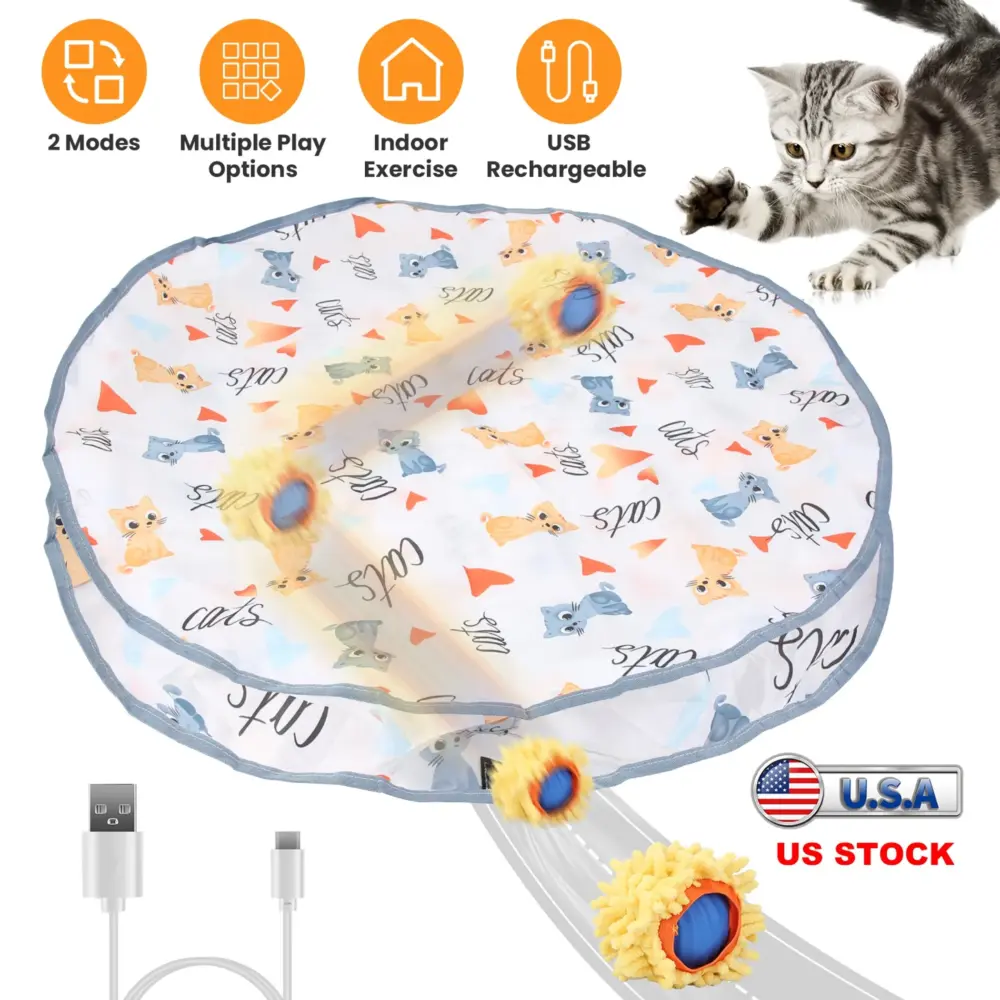
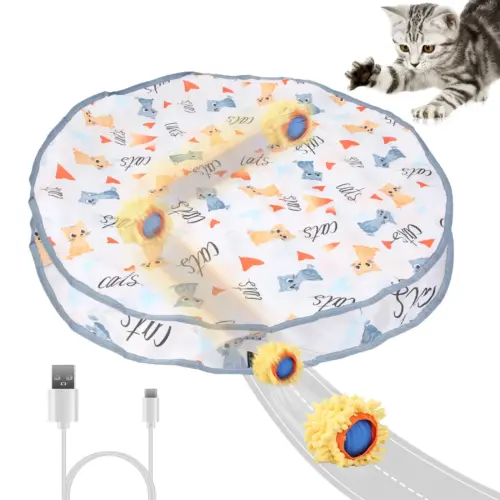
Motion-Activated Rolling Cat Toy Ball, View product
$42.95
Why it fits: A chase game for the warm-up before guests arrive, darting like prey on hard floors and short rugs; put it away before the doorbell.



A week ahead: make the room part of home
A room your cat first meets on the morning of the party is one more strange thing. Give it a week, or as long as you have:
- Set the room up and leave the door open, so your cat finds it on its own rounds.
- Serve one meal a day in there, and drop a few treats in the hiding place and on the high spot.
- Spend quiet time in the room, reading or working, so it feels like territory, not a place your cat gets shut away.
- Add the second litter box early, with the usual litter, so your cat has used it before it needs to.
- Practice the closed door. Shut your cat in for short spells after a meal or with a few treats scattered around, and open up before it complains.
- Check the room at cat height: windows latched or screened, cords tidied, plants removed and gaps behind furniture blocked.
On the day: play, a meal and the usual routine
The same AAFP guidelines note that predictability, familiarity and routine help a cat cope, so from your cat’s side the day should look as ordinary as you can make it.
- Play an hour or two before guests arrive: 10 to 15 minutes of stalking and chasing with a wand toy or a rolling ball, ending in a catch. See how long to play with a cat for pacing.
- Serve a meal straight after, close to the usual time and in the retreat room. Many cats groom and nap once they have eaten.
- Close the door before the first doorbell, with a few treats tucked in the hiding place and on the high spot, so the noise of arrivals comes with something good.
- Look in every hour or two. Slip in, shut the door, top up the water and sit a few minutes with a treat or a loaded lick mat, leaving your cat in its hiding place.
- Open the door once arrivals are over, if the house is calm, and let your cat choose whether to come out.
- Keep the next meal and bedtime play on time, even if the guests’ dinner runs late.
Retreat door: open or closed?
| Situation | Retreat door | Why |
|---|---|---|
| Arrivals | Closed, cat inside | The front door keeps opening |
| Big party | Closed, cat inside | Noise, crowds and open doors |
| Quiet evening | Open, guests stay out | Your cat can explore and retreat |
| Visiting dog | Closed whenever the dog is loose | Your cat keeps a dog-free zone |
| You go out | Closed, cat inside | Guests may forget the door rule |
What to tell your guests
A short message before the visit saves you from refereeing all evening. The AAFP guidelines are clear on the core rule: don’t force interaction, and let the cat start, choose and end the contact. In practice:
- Let the cat come to you. Sit or crouch, skip the staring and offer a finger to sniff. If the cat rubs against it, stroke its cheeks, chin or head for a few seconds, then pause to see if it wants more. Leave the belly, legs and base of the tail alone.
- Don’t pick the cat up, chase it or follow it under a bed. International Cat Care notes that cats don’t enjoy being picked up or held for long.
- Leave the retreat room alone, even for a quick hello.
- Close outside doors behind you, and check where the cat is before opening one. Our guide to stopping a cat from running out the door has a door routine the whole household can follow.
- No table food for the cat. VCA warns that a sudden rich meal is likely to upset a cat’s stomach.
- Keep medications zipped away or in a closed cabinet, not in a handbag on the floor. The ASPCA asks overnight guests to keep them away from pets.
- Children stay with an adult around the cat, and toss a toy or a treat rather than reaching out. Our guide to cats and kids covers gentle hands.
Tip
If your cat hisses or swats, the guest should simply step back and leave it a clear path to the retreat room. It is asking for space. Don’t scold it or carry it over to make friends.
Overnight guests, suitcases and visiting dogs
The guest room
If guests will sleep where your cat usually naps, eats or uses the box, move those things a week or so ahead, and leave the old litter box in place until your cat is using the new one. During the stay, keep the guest room door closed while the guests are out, and ask before letting your cat in, since some people are allergic.
Suitcases and bags
An open suitcase is a new box full of new smells, and many cats climb straight in. Check before anyone zips one shut, and keep luggage on a bed or in a closet rather than on the floor.
Nights
Keep the usual bedtime routine of a short game, a small meal and lights out. If your cat calls at the guest room door before dawn, don’t open it to keep the peace; our guide to stopping a cat waking you up at night covers bedtime play and breakfast timing.
Visiting dogs
For a short stay there is little to gain from introducing your cat to a guest’s dog, and a lot to lose if the dog gives chase. Keep them apart:
- The retreat room stays dog-free for the whole visit, with the door closed whenever the dog is loose.
- The dog stays on a leash or behind a gate whenever your cat is in the shared rooms, and never visits the retreat door.
- Cat food and litter boxes go where the dog can’t reach them, since many dogs will happily eat from both.
- Your cat’s high spots stay clear, so it can always get above the action.
A dog who is moving in for good needs a slow introduction instead. Have a dog of your own as well? Our Christmas dog safety checklist covers the dog’s side of the holidays.
Holiday hazards while the house is busy
A full house means more food on low tables and more wrapping on the floor. The tree has its own guide, keeping a cat out of the Christmas tree; with guests around, also watch for these:
- Lilies in a host gift. The FDA warns that the whole lily plant is toxic to cats, pollen and vase water included. Ask guests to skip lilies, and take any that arrive out of the house. VCA adds that poinsettia, mistletoe and holly can upset a cat’s stomach.
- Ribbon, string and tinsel. VCA warns that swallowed strands can tangle in the intestines and cause a dangerous blockage. Clear wrapping as gifts are opened, and bin the string from the roast.
- Plates and glasses at cat height. Fatty meat, bones, chocolate, unattended drinks and dishes made with onion or garlic are all risky. The ASPCA’s list of people foods to avoid feeding pets notes that cats are more susceptible to onion and garlic than dogs.
- Candles. A tail can tip one over. Never leave one burning in an empty room, or switch to battery candles.
Safety note
If your cat may have swallowed ribbon or string, chewed a lily or eaten something toxic, call your veterinarian or an emergency clinic right away, even if it seems fine. If a strand is hanging from its mouth or bottom, don’t pull it. The ASPCA Animal Poison Control Center is available 24 hours a day at (888) 426-4435; a consultation fee may apply.
After the visit: let your cat come out on its terms
When the last guest leaves, resist the urge to fetch your cat for a cuddle.
- Open the retreat room door and leave it open. Your cat may stroll out in minutes or wait until morning.
- Keep the room set up for a day or two, second litter box included, so the retreat is still there if it wants it.
- Strip the guest bed and put the extra chairs and bags away. Expect sniffing and cheek rubbing as your cat makes the house smell like its own again.
- Go straight back to normal meals and play. An evening game helps burn off the tension of a long day.
- Move the extra litter box out gradually, or keep it if your cat has taken to it.
Troubleshooting during the visit
Your cat wants to join the party
Some cats enjoy company. If yours strolls out relaxed and curious once arrivals are over, let it mingle, but keep the retreat door open, remind guests about the outside doors and plates on low tables, and let your cat leave whenever it likes.
Your cat hides for the whole visit
That is fine as long as it eats, drinks and uses the box. Take meals to the room, sit quietly in there now and then, don’t reach under the bed, and check that guests aren’t wandering in.
Your cat pees on a guest’s bag or bed
Clean the spot with an enzyme cleaner, keep that room closed and call your veterinarian. Peeing outside the box can come from stress or from a medical problem, and the second needs ruling out.
Mistakes that make it harder
- Shutting your cat in a room for the first time on the morning of the party.
- Carrying your cat out to meet people, or passing it around to be held.
- Deep-cleaning the retreat room or adding a scented air freshener. The AAFP guidelines advise against products that disrupt a cat’s familiar scent.
Stress signs that need your veterinarian
Some hiding during a visit is normal. International Cat Care’s guide to signs of stress in cats separates acute stress, such as a tense, crouched posture, flattened ears, wide pupils and hissing or swiping when approached, from stress that is lasting longer: hiding, jumping at the slightest noise, not eating, grooming or using the litter box as normal, soiling indoors, spraying and over-grooming. Call your veterinarian if:
- Your cat hasn’t eaten for a day, even if it is still hiding.
- It vomits or has diarrhea more than once.
- It pees or poops outside the box, or keeps visiting the box and passing little.
- It is still hiding or eating less than usual a few days after the guests have gone.
- You notice thin or bald patches from over-grooming.
Stress can play a part in urinary problems, too: the Cornell Feline Health Center names environmental changes among the factors in feline idiopathic cystitis. If every visit leaves your cat this upset, ask your veterinarian about longer-term options well before the next holiday.
Safety note
If your cat strains in the litter box but little or no urine comes out, call a veterinarian now, especially for a male cat: Cornell describes a blocked urethra as a true medical emergency.
Related guides
-
How-to
Working From Home With a Cat: Fewer Paws on the Keyboard
A home-office plan for cat owners: a warm bed beside the desk instead of on it, cables and coffee out of reach, play before calls, midday puzzle and lick-mat jobs, a kind fix for keyboard walkers and a gentle switch back to office days.
-
How-to
How to Stop Your Cat From Waking You Up at Night
Cats wake you before dawn because it is hunting time, the gap since dinner is long and waking you has paid off before. Here is a three-step plan: a bedtime hunt and meal, breakfast that doesn’t depend on you, and a firm no-response rule, plus a night setup, troubleshooting and signs to see your vet.
-
Guide
Should You Get a Second Cat? How to Tell if Yours Would Welcome One
A second cat can be good company or a daily source of stress. Learn what lonely behavior often means, what makes a cat likelier to accept a newcomer, which pairings tend to work, what one more cat takes in space, money and time, and what to try first.