How to Keep a Cat Out of the Christmas Tree: Setup, Deterrents and Better Distractions
To keep a cat out of the Christmas tree, make the tree hard to topple and dull to play with, then give your cat somewhere better to climb, scratch and play. Anchor it in a corner away from furniture, leave the lowest branches bare, skip the tinsel and cover the stand’s water.
Short answer: anchor the tree, skip the tinsel and give your cat a better place to climb and play
- A week ahead: set up your cat’s own climbing, scratching and napping spots.
- Setup day: a stable tree in a corner, away from furniture, with the top tied to the wall.
- First few days: leave it bare while your cat explores with you watching.
- Decorating: lights near the trunk, breakables up high, the lowest third empty, the water covered.
- Every day: foil or a knobby mat at the base, short play sessions, and a closed door or pen when you’re out.
Why cats love Christmas trees
To a cat, a tall new climbing frame, hunting ground and hideout has appeared overnight:
- Height. Cats like a high lookout, and the tree is the tallest new thing in the room.
- Movement. Ornaments swing and lights glint when touched, much like small prey.
- Texture and scent. A real tree brings bark to scratch, needles to chew and outdoor smells.
- Shelter. The soft tree skirt under the branches makes a ready-made den.
Kittens are the keenest climbers, and a bored cat is keener than a tired one.
How to keep a cat out of the Christmas tree: choosing and placing it
Pick a stable tree and a safe spot
A shorter, fuller tree on a wide, heavy stand is harder to rock than a tall, slim one. Many cats get into a tree by jumping from a sofa back, a bookshelf or the stairs, so set it in a corner a few feet from furniture, where the only way in is from the floor. Keep it away from the fireplace, space heaters and lit candles; battery candles are an easy swap.
Anchor the top
- Screw a small hook into the wall or ceiling behind the tree, level with its top third.
- Tie fishing line or thin wire around the trunk, not a branch, and pull it taut to the hook, with no loose end left dangling.
- Check the stand screws every few days, because a real tree shifts as it dries.
Then leave the tree bare for two or three days while your cat sniffs around it with you watching, and offer a toy elsewhere if it starts to climb. It’s easier to step in before the ornaments go on.
Decorating a cat-proof Christmas tree: what to hang and what to skip
What to hang:
- Lights wound tightly around the trunk and inner branches, not draped on the tips where they swing.
- Unbreakable felt, wood, fabric or plastic ornaments on the middle branches, and nothing on the lowest third.
- Glass and heirloom ornaments near the top, or packed away for a year.
- Metal hooks squeezed closed around the branch. Pick up any that fall, because a swallowed hook needs a veterinarian.
What to skip:
- Tinsel, icicle strands and ribbon. Cats love how they flutter, and a swallowed strand is an emergency (more below).
- Edible decorations, such as popcorn strings, candy canes, chocolate ornaments and salt dough ornaments.
- Bead garlands, small ornaments, and ribbon or bows on gifts under the tree. Add the bows on the day.
Run the light cord along the wall under a cord cover, unplug the lights when you go out or to bed, and check the strands for chew marks.
Covering the tree-stand water
With a real tree, the stand is a bowl of water at cat height. The ASPCA’s holiday safety tips advise keeping tree water covered or out of reach, because it can breed bacteria that cause nausea, diarrhea or an upset stomach. To keep your cat out of the Christmas tree water:
- Cut a circle of stiff cardboard or plastic to fit over the reservoir, with a slit to the center and a hole for the trunk.
- Slide it around the trunk, tape the slit closed and cut a small flap you can lift to top up.
- Lay a tree skirt or tree collar on top so your cat can’t paw at the edges.
- Water through the flap with a watering can spout, using plain water with no additives.
- Keep fresh water bowls elsewhere, so your cat has a better drink.
Gentle deterrents that don’t punish
Make the base unappealing while your cat’s own spots stay pleasant. Try one or two:
- Aluminum foil laid around the base. Many cats dislike how it feels and sounds underfoot.
- Double-sided tape on sheets of cardboard around the stand, sticky side up.
- A plastic carpet runner turned nubby side up.
- A barrier, such as a pet exercise pen around the tree, or a closed door when nobody is home. This is the fallback for a cat that keeps climbing anyway.
Skip spray bottles and shouting: your cat may link the scare with you and grow wary of you, and many cats just learn to climb once you’ve left the room. Motion-activated air sprays avoid that link, but the sudden hiss can frighten a nervous cat. Leave out citrus sprays and essential oils, too (see the FAQ). Instead, reward your cat with a treat or a quick game when it walks away from the tree.
Redirect the energy: scratching, play and a cozy spot
Deterrents tell your cat no; it also needs a yes. Our indoor cat enrichment ideas cover more ways to meet the same instincts.
Somewhere to climb and scratch
A cat tree, a cleared bookshelf or a sturdy chair under a window gives your cat height without the ornaments. For claws, put a scratcher on your cat’s route to the tree room. The Cat Scratcher Guy Wooden Cat Scratcher is a floor-level option, about 19.5 × 5.5 × 2 inches, with a reversible cardboard insert in a handmade wooden frame, felt pads underneath and catnip to sprinkle on the insert. Cats that scratch upward will also want a tall, steady post; see how to get a cat to use a scratcher.
Something to chase
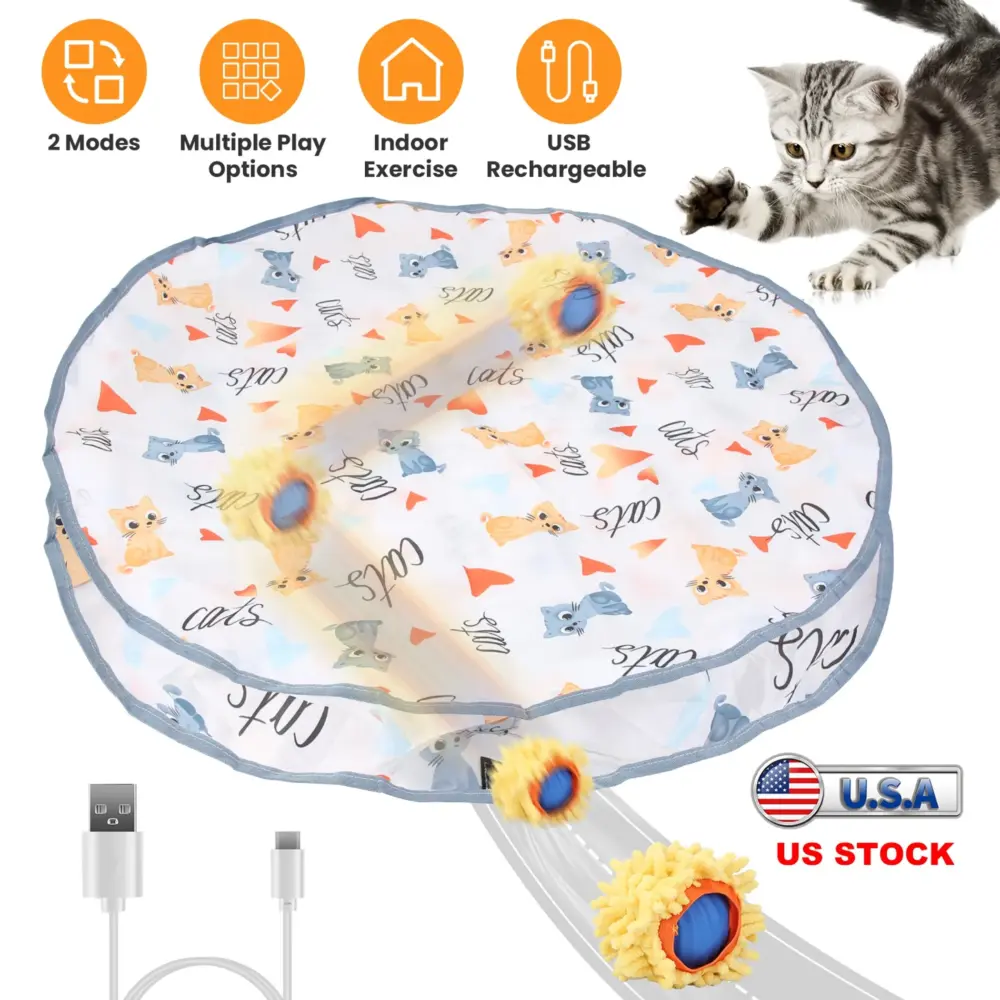
Two or three short play sessions a day, especially in the evening, leave less energy for the tree. Use a wand toy moved like prey, or the Motion-Activated Rolling Cat Toy Ball on hard floors and short-pile rugs: it wakes when your cat touches it, then darts and changes direction, with two play modes and about an hour of play per USB charge. Play in a room away from the tree, stay nearby and put the ball away afterward. Exactly how long to play with your cat depends on its age and energy.
Somewhere cozy to nap
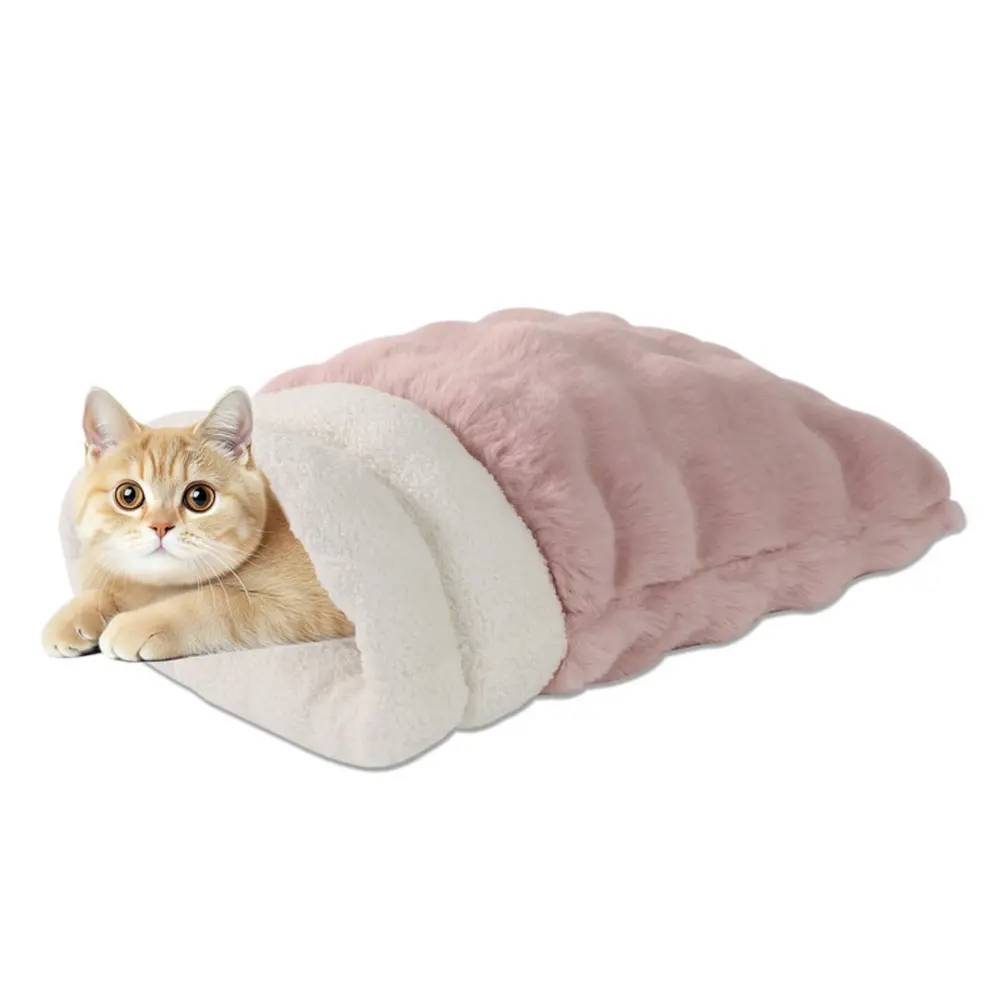
If your cat naps under the branches, offer a warmer, quieter den. The GOOPAWS 4-in-1 Self-Warming Cat Cave Bed works as a cave, a sack, a bed or a flat mat, with faux rabbit fur over cotton fill and a design that holds in your cat’s own body heat. Put it somewhere draft-free, away from holiday traffic; see how to keep an indoor cat warm in winter.
Shopping anyway? A gift that suits one of these instincts doubles as a distraction; see what to get your cat for Christmas and check delivery times.
-
Cat Scratcher Guy
Wooden Cat Scratcher with Reversible Insert
$32.95
-
GOOPAWS
4-in-1 Self-Warming Cat Cave Bed
$40.95
-
Motion-Activated Rolling Cat Toy Ball
$42.95


Other holiday hazards, and when to call your veterinarian
VCA’s holiday safety tips for cat owners, written by veterinarians, cover these risks in more detail:
- Tinsel, ribbon and string. Swallowed strands can bunch up the intestines, an emergency. If one hangs from your cat’s mouth or bottom, don’t pull it; call your veterinarian.
- Needles. Swallowed pine needles can cause nausea and even a blockage, so sweep them up daily.
- Cords and broken ornaments. A chewed wire can burn the mouth or give a shock, and shards can cut mouths and paws.
- Plants. Lilies are highly toxic to cats, bouquets included, and poinsettia, mistletoe and holly can also make cats sick.
Call your veterinarian right away if your cat may have swallowed tinsel, a hook or a piece of ornament, even before signs appear, or if it vomits, drools, stops eating or seems unusually quiet. For a possible poisoning, such as a nibbled lily, you can also call the ASPCA Animal Poison Control Center at (888) 426-4435 (a consultation fee may apply). For more seasonal planning, browse our seasons and gifts guides.
Cat and Christmas tree FAQ
Is a real or artificial Christmas tree better for cats?
An artificial tree is simpler, with no tree water or fallen needles. Cats still climb it and chew plastic needles, though, and it is often lighter than a real tree in a full stand. Keep a cat out of an artificial Christmas tree the same way: corner spot, tied-off top, bare lower branches, foil at the base.
Is Christmas tree water bad for cats?
It can be. Besides bacteria, tree water can hold fertilizer, tree-food additives and pine oils from the trunk. Cover it, use plain water, and call your veterinarian if your cat drinks some and then vomits, has diarrhea or seems unwell.
Is tinsel dangerous for cats?
Yes. Its flutter invites play, and swallowed tinsel can cause severe vomiting, dehydration and a blocked digestive tract that may need surgery. Leave it off entirely, even up high, and call your veterinarian right away if your cat may have eaten some, even if it seems fine.
What smell keeps cats away from a Christmas tree?
Citrus and vinegar sprays are often suggested, but scent is a poor choice: many essential oils, citrus and pine oils included, are toxic to cats, which absorb them through the skin and lick them off their fur. Use the texture deterrents above instead.
Should I wait to put the tree up if I have a kitten?
You don’t have to, but expect a determined climber and chewer. A small tabletop tree in a room you can close, or a pen around a full-size tree, suits a first holiday season. Our new kitten checklist covers kitten-proofing the rest of the house.
Related guides
-
Guide
What to Get Your Cat for Christmas: Gifts for Hunters, Scratchers, Nappers and Snackers
Choose a Christmas gift by instinct: a chase toy for the hunter, a floor scratcher for the rug clawer, a warm cave bed for the napper and a lick mat for the fast eater. Plus safe unwrapping, gifts for cat owners and what to skip in a home with cats.
-
How-to
Working From Home With a Cat: Fewer Paws on the Keyboard
A home-office plan for cat owners: a warm bed beside the desk instead of on it, cables and coffee out of reach, play before calls, midday puzzle and lick-mat jobs, a kind fix for keyboard walkers and a gentle switch back to office days.
-
How-to
How to Stop Your Cat From Waking You Up at Night
Cats wake you before dawn because it is hunting time, the gap since dinner is long and waking you has paid off before. Here is a three-step plan: a bedtime hunt and meal, breakfast that doesn’t depend on you, and a firm no-response rule, plus a night setup, troubleshooting and signs to see your vet.