New Kitten Checklist: What to Buy and Set Up Before Day One (Adult Cats Too)

Most of a new kitten checklist is one room, set up the day before: food and water, a litter box, a scratcher, a bed, somewhere to hide and a few safe toys. Add a carrier for the ride home and a vet visit booked for the first week, and the rest of the house can wait until you have kitten-proofed it. Adopting an adult cat? The same list works as a new cat checklist; the FAQ covers the differences.
Your new kitten checklist, ready to print
Here is what to buy before bringing a cat home. We don’t sell food, litter, litter boxes or bowls, but they come first. Ordering online? Allow for delivery times so everything arrives before pickup day.
- Food and water: the kitten food it already eats, plus separate food and water bowls.
- Litter: a low-sided box, the litter your kitten knows, a scoop and a mat for the exit.
- Scratching: a scratcher now, and a tall, sturdy post later.
- Rest and hiding: a bed or blanket, and a cardboard box to hide in.
- Play: a wand toy and a few toys too big to swallow.
- Travel: a carrier lined with a towel.
- ID: a breakaway collar with a tag; ask your veterinarian about a microchip.
- Grooming: a soft brush and cat nail clippers, to start gentle handling early.
- Cleaning: enzyme cleaner, paper towels and a lidded trash can.
- Vet: a first visit booked, and the shelter’s or breeder’s records in one folder.
First-time cat owner? Skip bulk buys until you know which litter, toys and sleeping spots your kitten likes.
Before day one: set up a safe room
A whole house is a lot for a small kitten: too many hiding places, and too far to the litter box. Start in one quiet room with a door, such as a spare bedroom or office; in winter, pick one without drafts (see how to keep an indoor cat warm in winter). Block gaps behind furniture and under the bed, so your kitten hides somewhere you can reach.
- The litter box in one corner, with the mat at its exit.
- Food and water on the far side, away from the box.
- The bed, a hiding box and the scratcher together along a wall.
- A sturdy chair or low shelf to climb, and a seat for you.
The litter station: box, litter and a mat at the exit
Box and litter. Kittens need sides low enough to step over, and an open box is easier to find than a covered one; size up as your kitten grows. Start with the litter the shelter or breeder used, unscented if you’re choosing, and mix in any new litter gradually.
Placement and routine. Set your kitten in the box after meals and naps, scoop at least once a day, and clean accidents with an enzyme cleaner, never scolding. When your kitten has the run of the house, keep this box and add a second in the main living area.
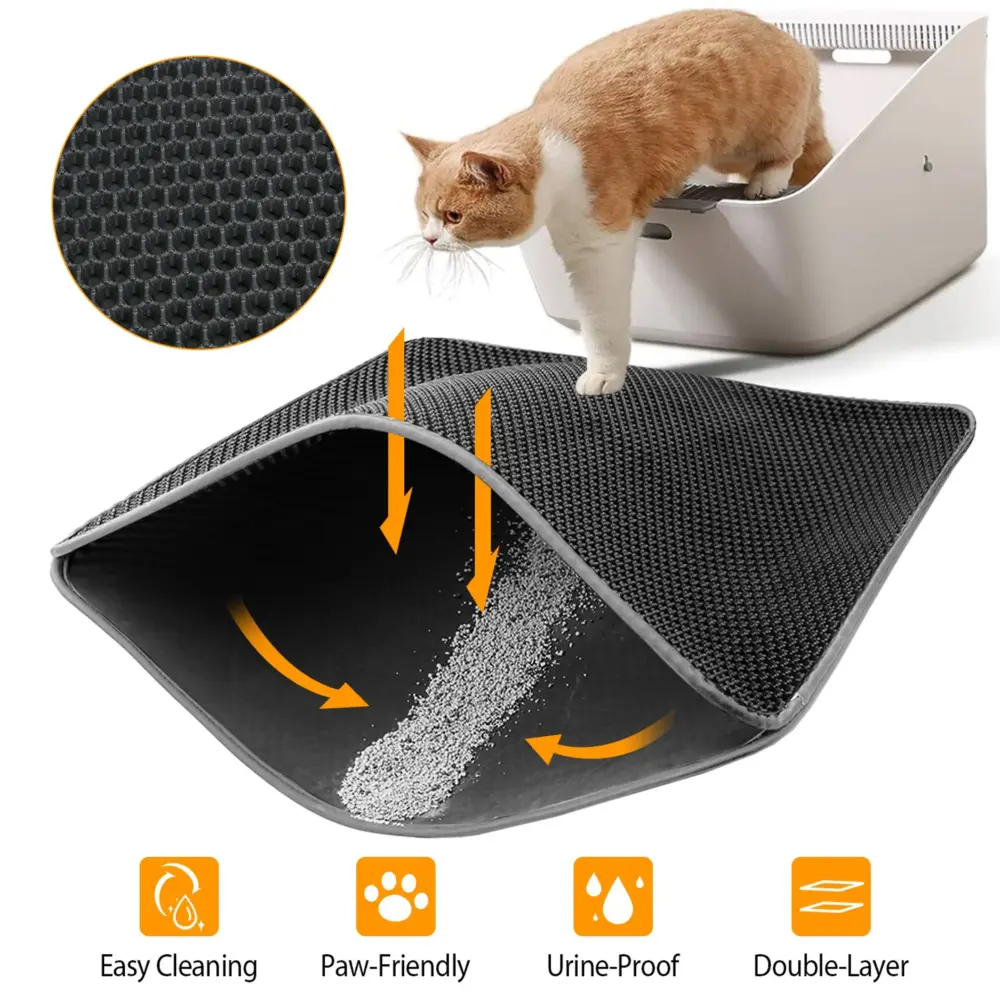
The exit mat. The Double-Layer Honeycomb Cat Litter Trapping Mat sits at the box exit: its honeycomb top layer cleans paws, the litter falls into a lower layer above a waterproof base, and you open it like an envelope to pour the litter back. For the full routine, see how to stop cat litter tracking.
If your kitten keeps missing the box or strains in it, call your veterinarian.
Scratching, resting and hiding spots
Scratching. Cats scratch to keep their claws in shape, stretch and leave their scent. Many cats scratch when they wake, so a scratcher beside the bed from day one means the first thing your kitten scratches isn’t the carpet.
The Cat Scratcher Guy Wooden Cat Scratcher is a floor-level option, about 19.5 × 5.5 × 2 inches, with a handmade wooden frame, a reversible cardboard insert and catnip included. Young kittens often ignore catnip, so drag a wand toy across the insert too. For placement tips, see how to get a cat to use a scratcher.
Resting and hiding. Put the bed somewhere warm and quiet, away from the litter box; many kittens like raised sides or a roof, as our guide to choosing a cat bed your cat will actually use explains.
Play for the first weeks
Kittens play in short bursts, so several sessions of a few minutes beat one long one.
- Use a wand toy, so claws land on the toy, not your hands. Kittens taught to chase fingers may keep biting them as adults.
- Move it like prey: hide it, make it dart away, let it freeze.
- End with a catch, then a meal or a treat.
- Put string and wand toys away after every session.
For extra chase while you’re home, the Motion-Activated Rolling Cat Toy Ball wakes when your kitten touches it, then darts and changes direction like prey. It has two play modes and about an hour of play per charge, and works best on hard floors and short-pile rugs. Stay nearby while it runs, and see our indoor cat enrichment ideas for more.
Browse more indoor cat essentials for the litter box, scratching and play.
-
Cat Scratcher Guy
Wooden Cat Scratcher with Reversible Insert
$32.95
-
Double-Layer Honeycomb Cat Litter Trapping Mat
$53.95
-
Motion-Activated Rolling Cat Toy Ball
$42.95



Kitten-proofing: cords, string, plants and small gaps
Use this kitten-proofing checklist in the safe room first, then in each room your kitten reaches later. Check the floor for anything to chew or swallow, then look up, because kittens climb.
- Cords: unplug chargers, run cords behind furniture or through covers, and tie blind cords out of reach.
- String: thread, yarn, dental floss, hair ties, rubber bands and ribbon go in drawers. If string hangs from your kitten’s mouth or bottom, don’t pull it; call your veterinarian.
- Toilets and trash: lids down on both.
- Appliances and gaps: keep washer and dryer doors shut and check inside before each load, look under recliners before sitting, and block gaps behind the fridge and stove.
- Windows and doors: screens should fit firmly, and kittens slip out of open doors fast, so keep yours indoors.
- Plants: lilies are especially dangerous to cats, down to the pollen and the vase water, so keep them out of bouquets too. Check every other plant against the ASPCA’s list of plants toxic to cats.
- Medicines and cleaners: in closed cabinets.
- Holiday extras: tinsel, ribbon, ornament hooks and light strands are easy to chew and swallow.
If you think your kitten has eaten something toxic, call your veterinarian or the ASPCA Animal Poison Control Center right away.
Bringing your kitten home, then the first vet visit
The ride home
- Line the carrier with a towel, or with bedding from the shelter or breeder.
- Close your kitten in before you leave the building, and carry it level, supported underneath.
- Belt the carrier onto the back seat, or set it on the floor behind a front seat, out of direct sun.
- Keep it closed all the way, even if your kitten cries, and drive straight home. Never leave a cat in a parked car.
- At home, open the carrier in the safe room and let your kitten walk out in its own time.
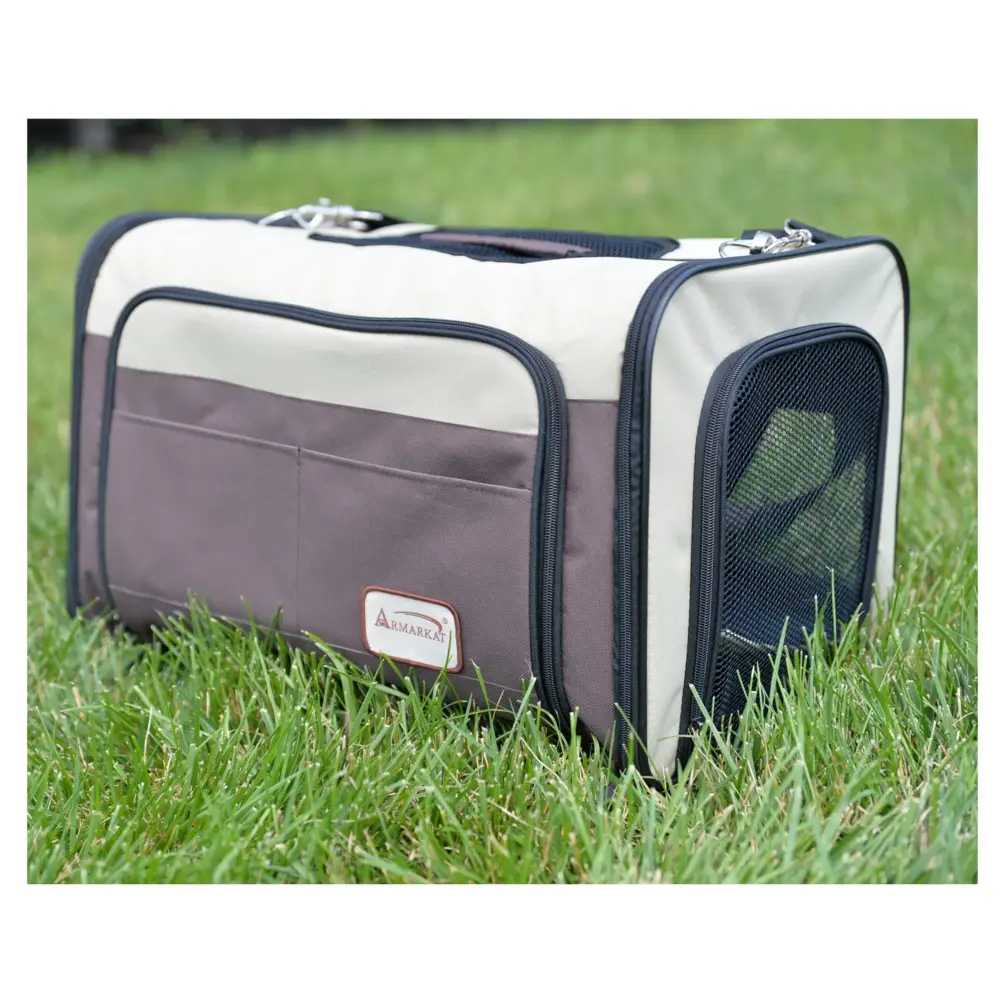
A carrier keeps your kitten contained; it is not crash protection. The Armarkat Airline-Approved Soft-Sided Pet Carrier has three zip openings, including one on top for lowering a kitten in, and a canopy that expands for extra room while you’re parked. Afterward, leave it open at home as part of the furniture; see how to get a cat used to a carrier.
-
Armarkat
Soft-Sided Pet Carrier
$65.95

The first vet visit
Book it before your kitten arrives, for the first few days at home. Bring the shelter’s or breeder’s records, and ask the clinic whether to bring a fresh stool sample. Vaccines, parasite control, food, microchipping and spay or neuter timing are questions for your veterinarian. If you already have a cat, keep the two apart until the vet has seen your kitten.
Don’t wait for the appointment if your kitten stops eating, vomits, has diarrhea, sneezes with runny eyes or seems unusually sleepy; call your veterinarian right away. Trouble breathing is an emergency.
Your kitten’s first week
Feed, play and scoop at the same times each day, and widen your kitten’s world as its confidence grows.
- Days 1 and 2: sit quietly in the safe room and let your kitten come to you; a play session and a small meal at bedtime help it settle. Hiding is normal, but if your kitten won’t eat, call your veterinarian the same day.
- Days 3 to 5: short play sessions, plus a few seconds of gentle paw and ear handling, then a treat. Family members visit one at a time, children sitting on the floor.
- Days 6 and 7: once your kitten eats, uses the box and plays confidently, open one more room while you supervise, and keep the safe room as a base.
During holiday gatherings, keep your kitten in the safe room with the door shut. If you have other pets, swap their bedding so they learn each other’s scent before they meet. Browse all our cat care guides.
New kitten FAQ
What do I need for a new kitten?
Kitten food and bowls, a low-sided litter box with litter and a scoop, a scratcher, a bed, a hiding box, safe toys and a carrier. Book the first vet visit before pickup.
How long should a new kitten stay in one room?
Often a few days to a week, and longer for shy kittens. Once your kitten eats, uses the box and plays confidently, it is ready for more space; let confidence, not the calendar, decide.
When should I take my new kitten to the vet?
Within the first few days to a week at home, and sooner if your kitten seems unwell, so book before pickup. Your veterinarian sets the vaccine and parasite-control schedule.
Is a new cat checklist different for an adult cat?
Not much. The supplies are the same, with an adult-size litter box from the start. Adult cats often hide longer, so the safe-room stage can take a couple of weeks. Ask the shelter about the cat’s litter, food and habits, and still put away cords, string and toxic plants.
Related guides
-
Guide
Should You Get a Second Cat? How to Tell if Yours Would Welcome One
A second cat can be good company or a daily source of stress. Learn what lonely behavior often means, what makes a cat likelier to accept a newcomer, which pairings tend to work, what one more cat takes in space, money and time, and what to try first.
-
Checklist
Multi-Cat Household Setup: How Many Litter Boxes, Bowls and Beds
Two cats need three litter boxes, and the same one-per-cat-plus-one rule covers feeding stations, water bowls, scratchers and resting spots. See where each one goes, how to tell bonded cats from rivals, the quiet signs a home is too crowded, and a walk-through checklist.
-
How-to
How to Introduce a New Cat to Your Cat: A Step-by-Step Plan
A staged plan for adding a cat to a home that already has one, from a transition room and scent swaps to sightings and short supervised meetings, with how long each stage takes, the body language to watch and what to do if it goes wrong.