How to Stop Cat Litter Tracking: The Box, the Litter, the Exit and the Paws
To stop cat litter tracking, start where the litter starts: put the box on a hard floor, give it high sides or a different entry, and use a litter that drops off paws easily. Then catch the rest with a trapping mat right at the exit and sweep once a day. Nothing gets tracking to zero, but in that order most of the mess stays in one spot by the box.
Short answer: fix the box setup first, then catch what’s left at the exit
Litter escapes two ways: thrown over the rim while your cat digs, and carried out on paws and fur. A mat only deals with the second, so work down this list and stop when the mess is small enough to live with:
- Move the box onto a hard floor, away from rugs.
- Raise the sides or change the entry.
- Check the box size and litter depth, then the litter itself.
- Lay a trapping mat where your cat steps out.
- Tidy long fur between the toes.
- Sweep daily and empty the mat weekly.
Change one thing at a time and give each change a few days, so you can see what helped.
Why litter leaves the box
Cat litter tracking everywhere, from the hallway to the bed covers, usually comes down to two or three of these:
- Digging and covering. This is normal cat behavior, and some cats dig hard enough to throw litter over a low rim.
- Fine, light or dusty litter. Small granules and dust cling to paw pads and drop off a room away.
- Damp litter. Clumping litter that touches a wet spot sticks to pads and toe fur.
- Long toe fur on long-haired cats sweeps up granules like a small brush.
- A small, low or dirty box. A cat that cannot turn around stands on the rim, and one that is avoiding wet patches perches or digs more.
- Carpet next to the box hides granules in the pile, where a broom can’t reach them.
Box setup: sides, entry, size and what’s underneath
This is how to keep litter in the litter box in the first place. We sell no litter boxes or litter, so the advice is brand-neutral.
What’s underneath: a hard floor, not a rug
Put the box on tile, sealed vinyl or another smooth floor you can sweep in seconds, and move rugs and bath mats away. A corner puts walls on two sides to stop sideways scatter while your cat keeps a clear view and way out at the front. Keep it away from food bowls and beds; our guide on where to put a cat bed, away from the litter box covers the sleeping side.
Higher sides, or a different entry
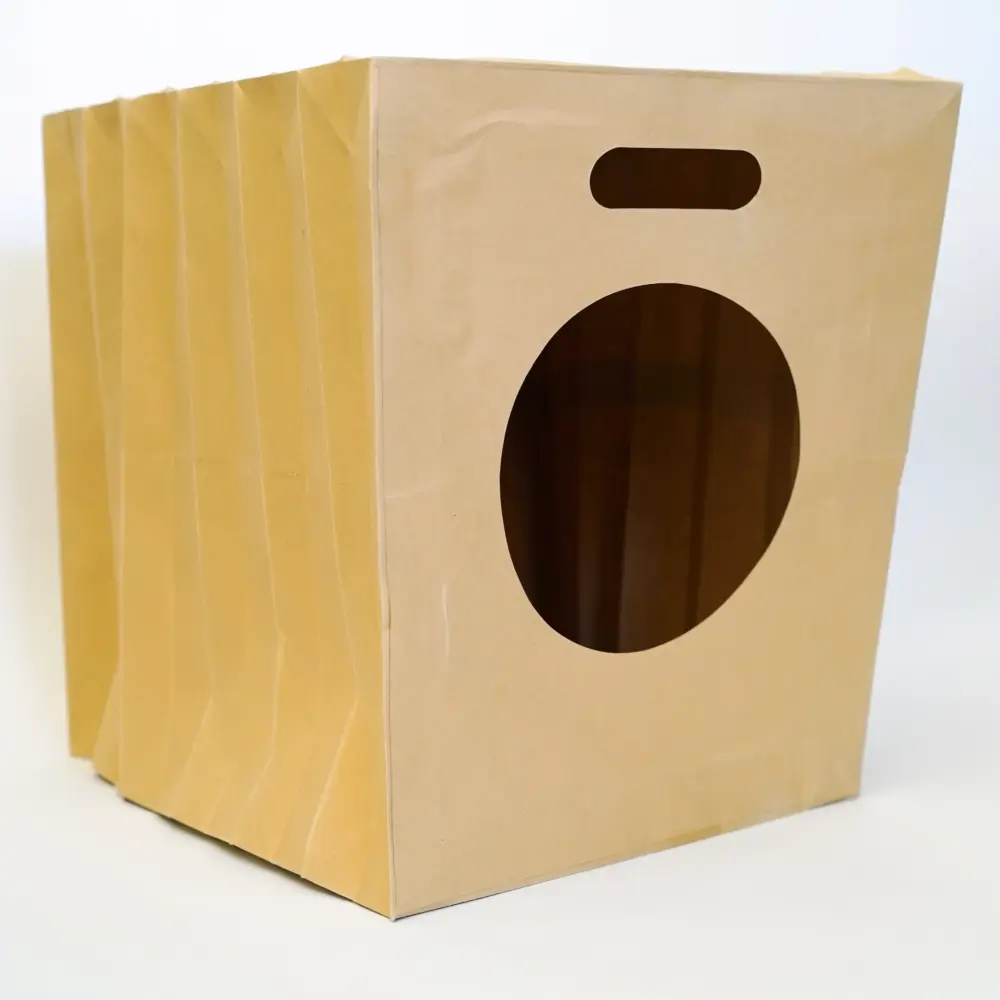
High walls on three sides with a lower entry on the fourth catch most kicked litter. A large plastic storage tote with an entry cut into one end works too: sand or tape the cut edge smooth, and keep the entry low enough to step over easily, lower still for kittens and for older or stiff cats.
A hooded box keeps scatter inside, but many cats dislike lids, and a hood does nothing for paw tracking. Set any new box up beside the old one and remove the old one only once your cat uses the new one reliably. Setting up for a new arrival? Our new kitten checklist covers the whole litter station.
Size and litter depth
International Cat Care’s guidance on choosing a litter tray puts the ideal length at about one and a half times your cat’s length, nose to base of tail, and the box should be wide enough to turn around in without stepping on the rim. For depth, the ASPCA’s litter box advice is one to two inches, which most cats prefer; deeper litter is easier to fling over the edge.
Litter choice: grain size and dust
Litter type changes how much rides out on paws, but change it carefully: a cat that dislikes a new litter may go somewhere else, a far bigger problem than stray granules.
- Grain size and weight. Larger, heavier granules and pellets drop off paws sooner than fine, light grains.
- Dust. A low-dust litter leaves less film on paws and on the floor.
- What your cat accepts. Many cats prefer fine, soft, unscented litter, which is exactly the kind that tracks most. If your cat uses it happily, keep it and rely on the box setup and the mat.
To switch, mix a little of the new litter into the old and raise the share over a week or two, or fill a second box with the new litter beside the usual one and let your cat choose. If your cat hesitates or goes elsewhere, go back. Scoop at least once a day, since fewer wet clumps means less litter stuck to paws.
Straining, frequent trips with little result or going outside the box are reasons to call your veterinarian. A cat straining with little or nothing coming out, especially a male, needs a veterinarian or emergency clinic right away.
How to stop cat litter tracking at the exit
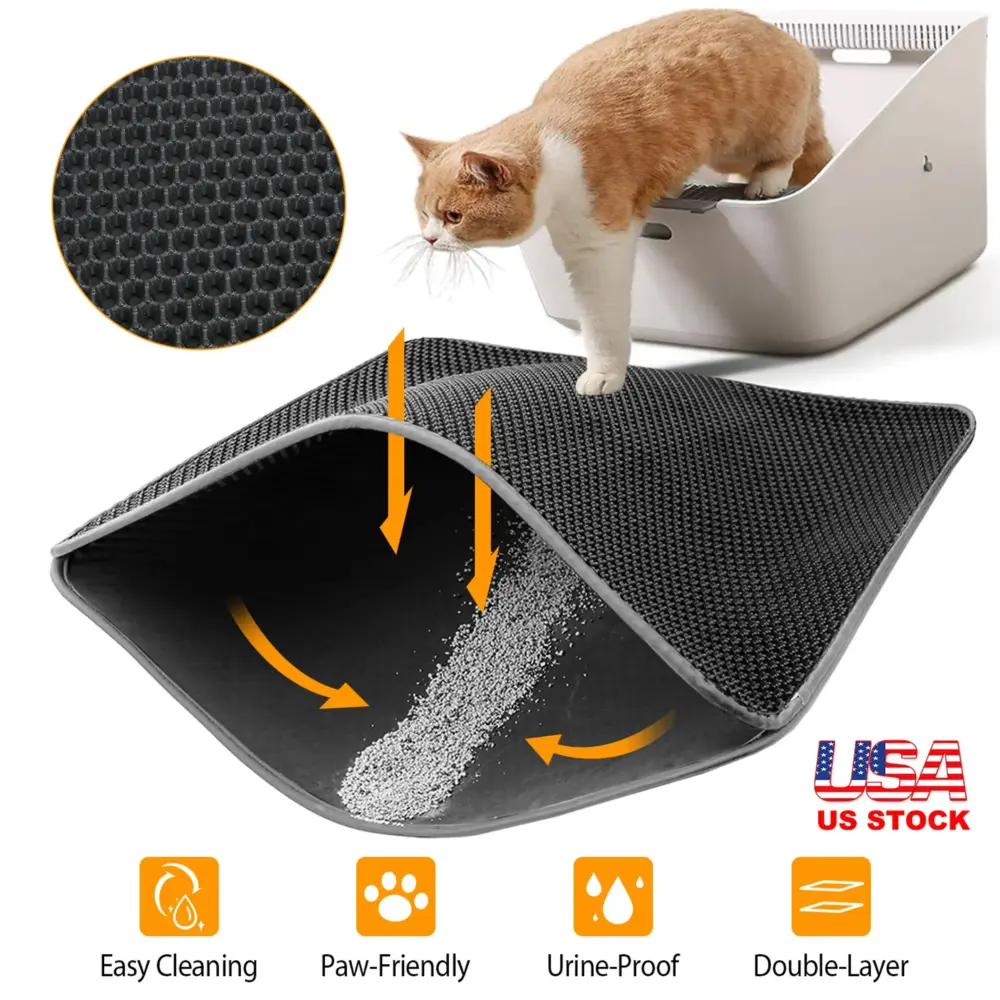
With the box set up well, most of the litter still leaving is on paws. A honeycomb trapping mat works on contact: litter drops through the open cells as your cat walks across, so placement matters most:
- Find the real exit: the low side of an open box, the door of a hooded box, or the spot where your cat lands after jumping off a top-entry lid.
- Push the mat right up against the box, with no strip of bare floor between them.
- Your cat should take a step or two on the mat before reaching floor or rug.
- If your cat leaps clear of it, move the mat to where the paws actually land.
- Keep it flat, so litter cannot slide under a curled edge.
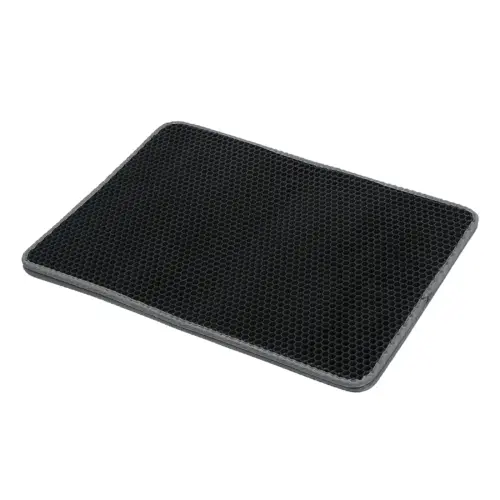
Our Double-Layer Honeycomb Cat Litter Trapping Mat has a honeycomb top layer that cleans paws on the way out, a lower layer that holds what falls through, and a waterproof, urine-proof base that protects the floor or carpet underneath. Made of EVA, it opens like an envelope so you can pour the collected litter back into the box; shake or rinse it weekly. The listing gives no dimensions, so measure the space at your box’s exit and ask us to confirm the fit before you order.
A mat cuts tracking most when it sits right at the exit, but it does not stop it completely; the daily sweep handles what rides past in toe fur. The mat sits with our other indoor cat essentials and clean-up supplies.
Paws and fur: long-haired cats and litter between the toes
How to get cat litter off paws depends on why it sticks. Short-haired cats usually lose loose granules within a few steps. Long-haired cats often have tufts of fur between the toes that hold litter, especially damp clumping litter, and carry it through the house.
- When your cat is relaxed, spread the toes gently and look for granules or clumps in the fur.
- Pick them out with your fingers or a fine comb. A slightly damp cloth softens dried clumps; dry the paw afterward.
- Ask a groomer or your veterinary clinic to tidy long toe fur. At home, use small blunt-tipped scissors only on fur that sticks out past the pads, keep the blades away from the skin, and stop if your cat struggles.
Comb the whole coat regularly, feet included, so toe fur does not mat around trapped litter. If your cat pulls its feet away, keep paw handling short: touch a paw, let go and reward, and work up to spreading the toes over several days. If a paw looks red, swollen or sore, or your cat suddenly licks or favors one foot, ask your veterinarian.
A two-minute daily routine, and emptying the mat
Keep a small broom and dustpan, or a handheld vacuum, by the box. Each day, scoop and top up the litter, sweep around the box and along your cat’s path out of the room, and empty the mat early if the lower layer is filling up. For the rest of the house, see our checklist for keeping a house clean with cats and more home and cleaning guides.
How to empty a honeycomb mat
- Lift the mat level by both ends, so the litter stays in the lower layer.
- Open it like an envelope over the box and pour the loose litter back in. Bin any clumps, damp bits or hair.
- Once a week, shake both layers over a trash can or rinse them, and let the mat dry completely; clumping litter turns to paste in damp cells.
- Lay it flat again, base down and tight against the box exit.
Litter tracking FAQ
Why does my cat kick litter out of the box?
Digging and covering is normal. A cat kicking litter out of the box usually has a box that is too small, sides that are too low or litter that is too deep. If your cat suddenly changes how it uses the box, ask your veterinarian.
Do litter mats actually work?
They help with litter carried out on paws, as long as the mat sits tight against the exit and your cat takes a step or two on it before reaching the floor. A mat does nothing for litter kicked over the rim, so pair it with higher sides, and empty it before the lower layer fills.
Does a top-entry box stop tracking?
It helps, because your cat climbs out over a grooved or perforated lid that knocks granules off the paws, but some litter still rides out in toe fur. It needs a jump in and out, so skip it for kittens, older or large cats and cats with stiff or sore joints.
How do I get cat litter out of carpet?
Pick up loose piles with a dustpan, then vacuum with the hose from several directions. Do not add water to clumping litter, which turns to paste in the fibers. If it is already damp, let it dry, break it up with a stiff brush and vacuum again.
Related guides
-
Checklist
How to Protect an Apartment From Pet Damage: A Renter’s Checklist
A renter’s checklist for living with a dog or cat: photos and lease questions at move-in, prevention for carpet, doors, floors and odor while you live there, and a room-by-room deep clean before you hand back the keys.
-
Guide
How to Keep a House Clean With Cats: A Daily, Weekly and Monthly Checklist
A cleaning schedule built for cat homes: what to do daily, weekly and monthly about the litter box, bowls, bedding, rugs and loose hair, plus shedding peaks, litter box odor, holiday guests and a printable checklist.
-
Comparison
Disposable vs Reusable Litter Boxes: When Each Makes Sense
Disposable trays solve problems a permanent box cannot, and cost more over a year. This comparison covers both honestly, including the cases where a disposable tray is the obvious answer and where it is an expensive habit.