Cat Care Comparison
Disposable vs Reusable Litter Boxes: When Each Makes Sense
Short answer
A permanent box is cheaper over a year and the sensible default. Disposable trays are worth it for travel, guests, a temporary extra box, a cat sitter, or anyone who cannot easily lift and scrub a full box. Many households are best served by owning both.
Two different trade-offs
This is not a question of which is better. A permanent plastic box costs very little and lasts years; a disposable tray costs more per week and removes the worst job associated with it. Which matters more depends entirely on the situation.
It is also not an either-or. The common sensible answer is a permanent box as the main one and a pack of disposables in the cupboard for the weeks that need them.
Where disposable trays genuinely win
- Travel. A hotel room, a holiday rental or a long drive, where carrying a plastic box is impractical.
- A temporary second box. After a move, during building work, or while a cat recovers from surgery and should not use stairs.
- Guests and cat sitters. Nobody wants to hand a visitor a scrubbing brush.
- Illness or reduced mobility in the owner. Lifting and rinsing a full box is genuinely difficult for some people.
- Introducing a new cat. An extra box in the settling-in room, removed once it is no longer needed.
- Multi-cat emergencies. An instant extra box when a litter box problem appears.
Where a permanent box wins
- Cost. Over a year the difference is substantial.
- Depth and size. Permanent boxes come larger, and most cats prefer a bigger box than they are given.
- Stability. Heavier and harder to tip or push around.
- Diggers. A cat who excavates vigorously tests the walls of a card tray.
- Waste. One box for years against a steady stream of trays.
- Familiarity. Cats like things that stay the same.
Side by side
| Disposable tray | Permanent box | |
|---|---|---|
| Cost per year | Higher | Very low |
| Cleaning | Scoop, then bin the tray | Scoop daily, scrub monthly |
| Travel | Excellent | Awkward |
| Size options | Limited | Wide |
| Odour over time | Reset with each tray | Builds in scratched plastic |
| Waste produced | Ongoing | Minimal |
Cost over a year
Do the arithmetic for your own household rather than assuming. A disposable tray typically lasts around a week with one cat, so a year is roughly fifty trays. A permanent box costs a fraction of that once and lasts several years before the plastic becomes scratched enough to hold odour.
The honest framing is that disposables buy convenience rather than save money, and convenience is a legitimate thing to buy for specific situations.
Hygiene and odour
Plastic scratches, and scratched plastic holds odour that no amount of washing removes. That is the main argument for replacing a permanent box every year or two, and it is also the quiet advantage of disposables: every new tray starts clean.
In practice the bigger variable is scooping frequency. A permanent box scooped twice daily is cleaner than a disposable tray left for a week, whichever material it is made of. A realistic daily cat care routine covers the habit.
Tip
Never use strong disinfectant on a litter box. Many cats will refuse a box that smells of it, and some household disinfectants are unsafe around cats. Unscented soap and hot water is enough.
Waste and the environment
A biodegradable card tray breaks down in a way a plastic box does not, which is a genuine point in its favour over a tray that is simply thrown away. Against that, a permanent box used for five years generates almost no waste at all.
Litter choice usually matters more than the box either way, since it is the thing being replaced every week. Used cat litter should not go in garden compost or green waste collections.
-
KatPak
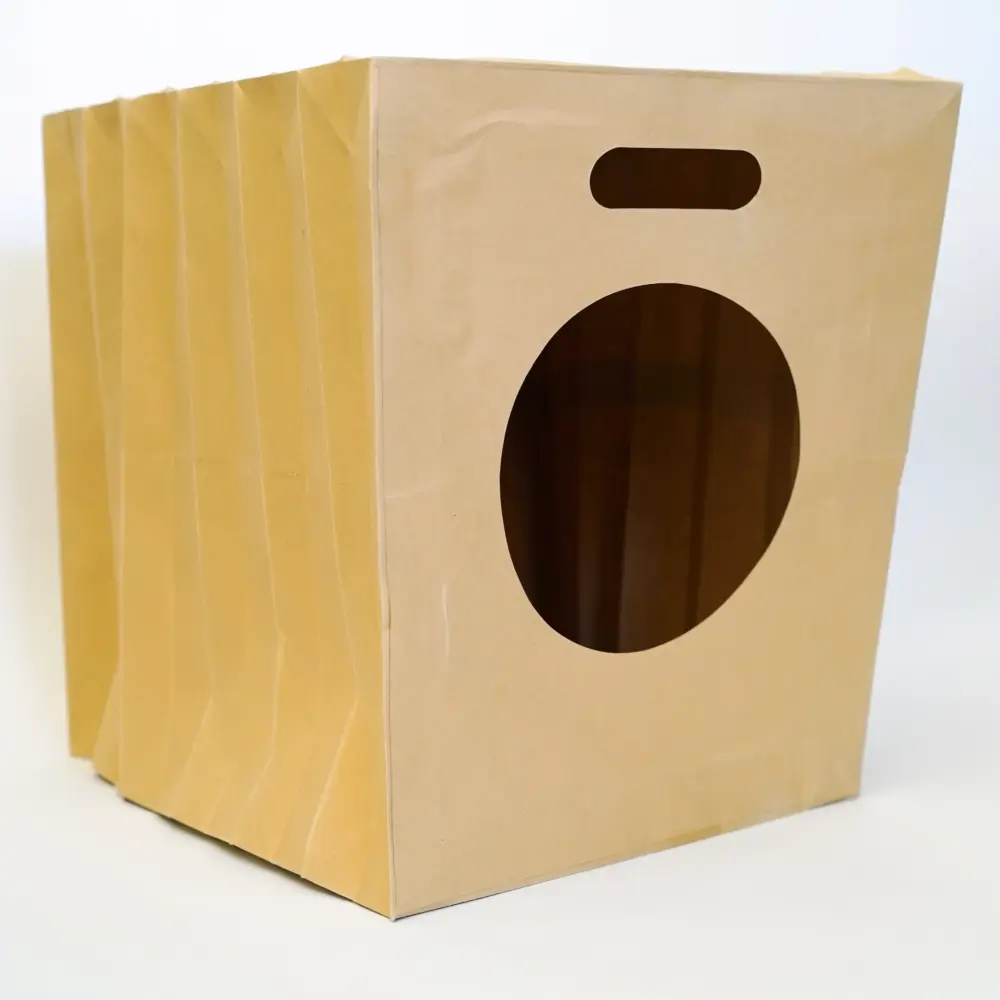
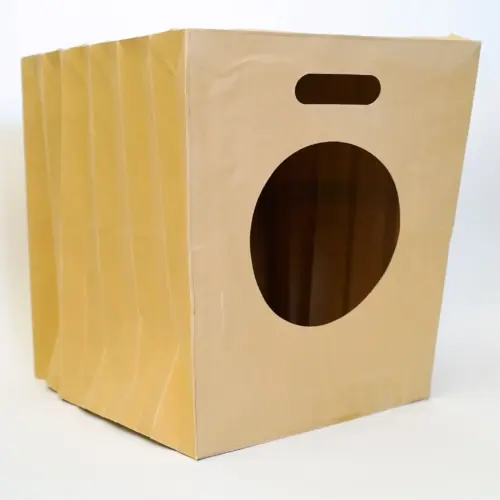
Disposable Cat Litter Box, View product
$42.95
Why it fits: Four biodegradable trays, each lasting about a week, for travel, guests or a temporary extra box.
-
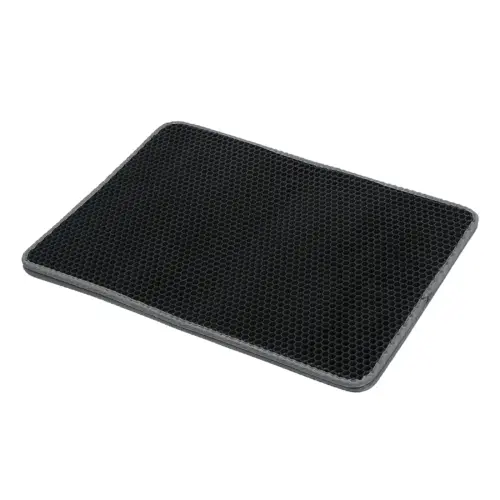
Double-Layer Honeycomb Cat Litter Trapping Mat, View product
$53.95
Why it fits: A trapping mat under either type, which deals with the tracking that follows a cat out of the box.
-
GOOPAWS
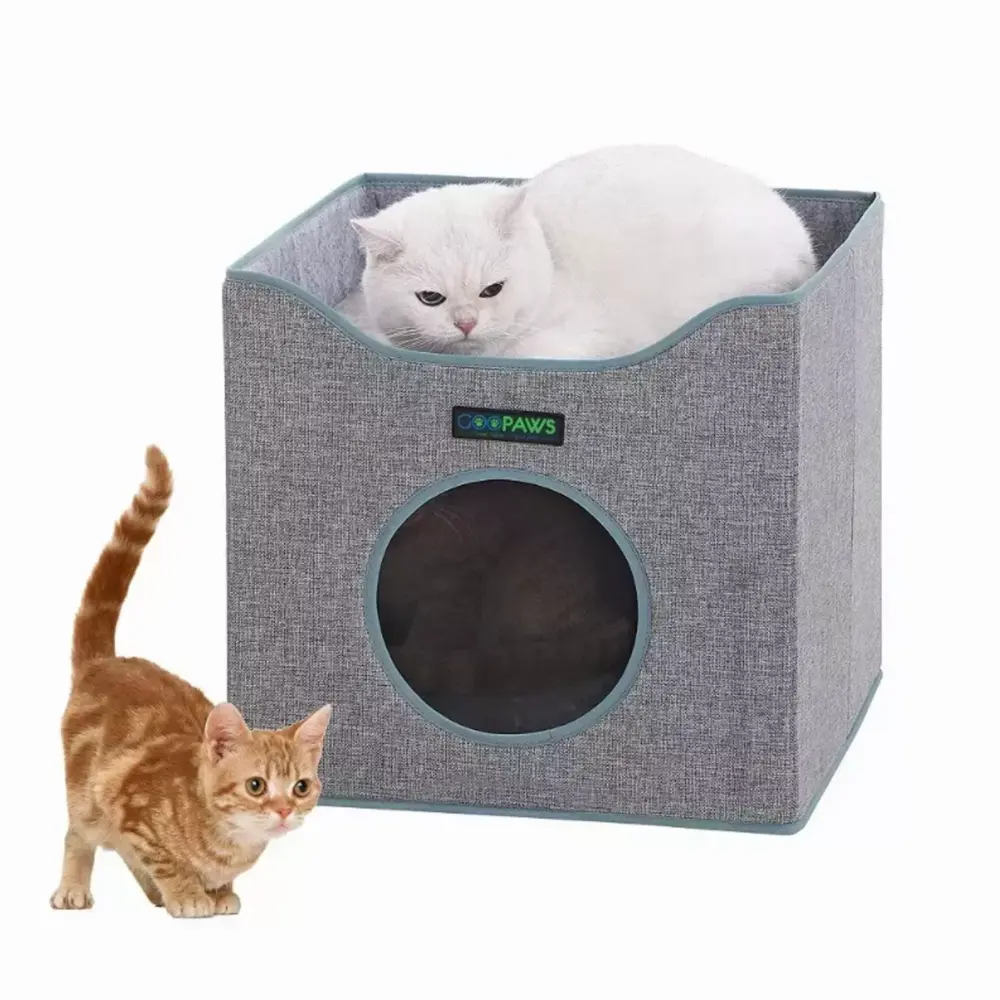
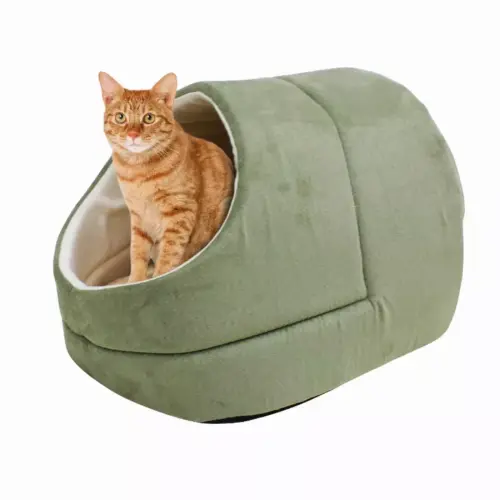
Covered Cat Cave Bed, Choose color
$45.95
Why it fits: A covered bed for the quiet corner, which should be nowhere near the litter box.
-
JESPET
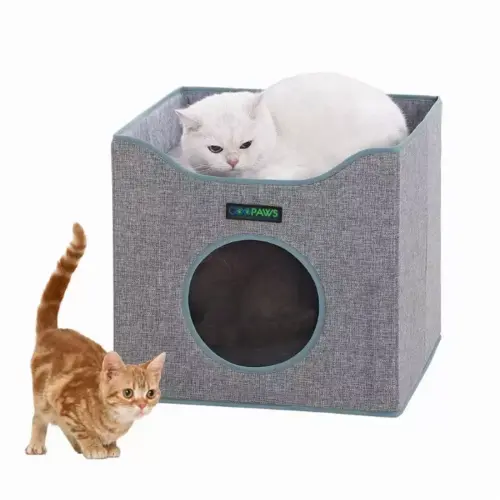
Foldable Cat Cube House with Reversible Cushions, Choose color
$52.95
Why it fits: A cube with a den and a perch, for the resting area at the other end of the home.
-
Armarkat
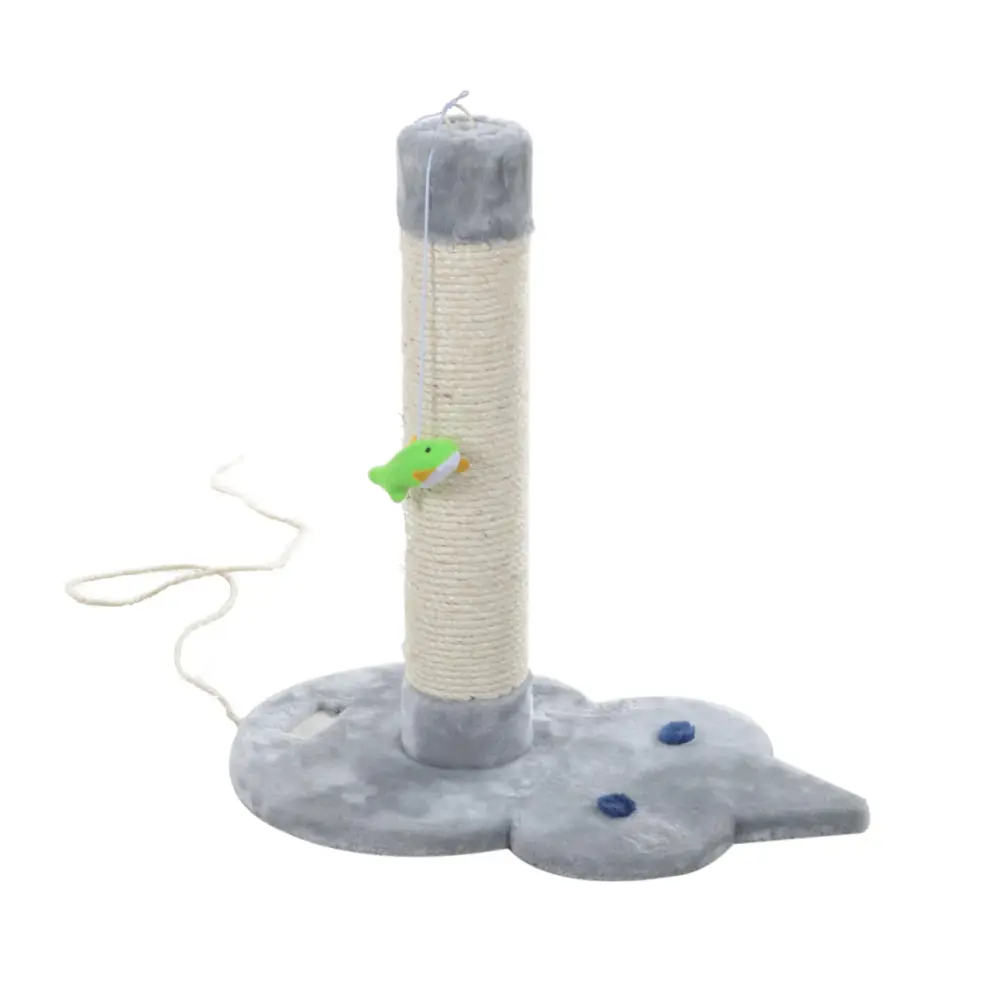
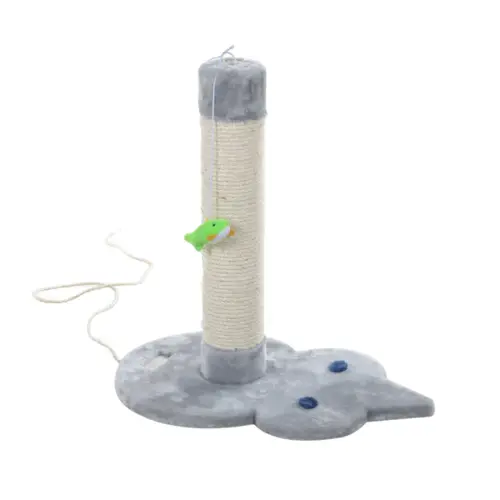
Mouse-Shape Cat Scratcher Post with Rope Toys, View product
$69.95
Why it fits: A sisal post for the resting area; scratching and toileting belong in different places.
-
Armarkat
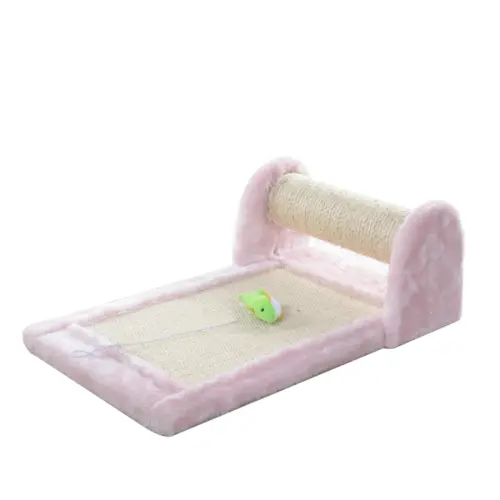
Rolling Cat Scratcher, View product
$59.95
Why it fits: A compact scratcher that fits a small room without crowding the litter area.
What cats care about, which is neither
From the cat’s point of view the material of the box is close to irrelevant. What they notice is size, depth of litter, how clean it is, where it sits and whether anything can corner them while they are in it. Getting those right matters far more than the disposable question, and getting them wrong is behind most litter box problems.
- Size. A box should be at least one and a half times the length of the cat, nose to tail base. Most sold boxes are too small.
- Depth of litter. Around three inches, so a cat can dig properly rather than scraping the bottom.
- Uncovered, usually. Hoods trap odour and give one exit; some cats accept them, many do not.
- Low entry for older cats. A high-sided box is a barrier for a cat with stiff joints.
- Quiet location with two ways out. No cat wants to be cornered mid-job.
- Unscented litter. Scented products are marketed at people and disliked by many cats.
If a cat has started going outside the box, work through that list before changing anything else, and see a vet first in case there is a medical cause. House soiling is medical until proven otherwise.
Litter type matters more than the tray
Most cats, given a free choice, prefer a fine-grained, unscented clumping litter, which is close to the sandy substrate they would choose outdoors. That holds across both types of box, and switching litter is a far more common fix for a reluctant cat than switching the box.
Change litter gradually. Mix a small proportion of the new litter into the old and increase it over a week or two, rather than presenting a completely new surface overnight. Cats who dislike a new texture often simply go elsewhere rather than protesting.
How many boxes, and where
More important than the material: one box per cat plus one, in separate locations. Two boxes side by side count as one to a cat, because a housemate in the doorway blocks both.
Keep boxes away from food, away from noisy appliances, and somewhere with two ways out so a cat cannot be cornered. Where to put a litter box in a small apartment covers the constraints when space is tight.
Travelling with a litter box
This is the use case where disposables are clearly ahead, and it is worth planning rather than improvising. A cat in an unfamiliar place needs a box they recognise, which means the litter matters more than the tray.
- Take the litter your cat already uses, not whatever is at the destination.
- Set the box up before letting the cat out of the carrier.
- Put it in a quiet corner of the room they will be confined to at first.
- Keep the cat in one room until they have used it at least once.
- Scoop as usual; an unfamiliar box that is also dirty will be rejected.
- For a car journey, offer the box at stops rather than expecting use while moving.
Travelling with a cat in the car and travelling with a cat in an RV cover the wider logistics.
Keeping either one clean
- Scoop twice a day, whichever type you use
- Top up litter to keep the depth consistent
- Wash a permanent box monthly with unscented soap and hot water
- Never use strong disinfectant; many are disliked or unsafe
- Replace a scratched plastic box, which holds odour permanently
- Keep a scoop and a lidded bin beside the box so the job takes seconds
- Wash your hands afterwards, and avoid the job entirely if you are pregnant
The pregnancy point is worth knowing rather than worrying about: the risk relates to toxoplasma, and the usual advice is that someone else should change the litter, or that gloves are worn and hands washed. Ask your doctor rather than the internet.
Common questions
How long does a disposable tray actually last?
Around a week with one cat, scooped daily, which is what most are rated for. Two cats sharing one will get noticeably less.
Will my cat accept a change of box?
Usually, if you introduce it properly. Put the new one beside the old one for a few days rather than swapping, and keep the same litter so only one thing changes at a time.
How often should I replace a permanent box?
When the surface is visibly scratched, or when it smells after washing. For most households that is every year or two. When to replace dog and cat gear covers the rest.
Are disposable trays sturdy enough for a big digger?
For most cats, yes. A cat who digs enthusiastically enough to flatten a tray wall is better served by a deep permanent box with high sides.
Can I use one in a car on a long journey?
Yes, and that is one of the better uses. Offer it at stops rather than expecting a cat to use it while moving. Travelling with a cat in the car covers the rest.
For tracking, see stopping cat litter tracking. For the rest of the setup, how to set up a cat corner and types of cat scratchers.
Related guides
-
How-to
How to Set Up a Cat Corner in a Small Home
A cat does not need a whole room, but they do need four things in one place: somewhere to hide, somewhere high, somewhere to scratch and somewhere warm. This guide builds that corner in a small home.
-
Buying guide
Types of Cat Scratchers: Posts, Pads, Angles and Furniture
Cats scratch in a particular direction, on a particular texture, in a particular place. Watching yours for a week tells you which scratcher to buy. This guide covers the types, the materials and why stability decides everything.
-
Guide
What Cats Actually Enjoy: Hunting, Height, Warmth and Routine
Cat enrichment is usually sold as toys. What cats actually want is the hunt in full, somewhere high, somewhere warm and a routine they can predict. This guide explains all four and how to fit them into a flat.