Home & Cleaning Checklist
When to Replace Dog and Cat Gear: A Monthly Wear Check
Short answer
Replace pet gear when it stops working safely or stops fitting, not on a schedule. Retire a collar, harness or leash once webbing frays, stitching lifts or a buckle or clip won’t hold; a toy once it tears or sheds pieces; a bowl or lick mat once it cracks; and a scratcher insert once both sides are worn smooth.
The monthly gear check at a glance
Wear creeps in slowly, and because you see the same collar every day, you stop noticing it. A five-minute check on the same day each month catches most of it, as long as you handle each piece instead of glancing at it. Check walking gear more often if your dog chews it, swims in it or walks through road salt and mud.
| Gear | Replace it when | Often it just needs |
|---|---|---|
| Collar | Frayed, stretched holes, weak buckle | A wash and a fit check |
| ID tag | Worn text, open or thin ring | Updated contact details |
| Harness | Stitching lifts, a buckle slips | A wash and re-adjusting |
| Leash | Chewed webbing, slow clip gate | Grit rinsed out of the clip |
| Toys | Torn, loose squeaker, worn small | A wash and a rest in rotation |
| Bowls | Chips, cracks, rough scratches | A hot, soapy scrub |
| Lick mats | Bitten-off edges or splits | A scrub of the grooves |
| Scratcher | Both sides worn smooth | Flipping the insert |
| Beds | Flat filling, tears, lasting odor | A proper wash |
| Carrier | Zipper or mesh fails | A wipe-down and airing |
Tip
Check gear clean, dry and in good light. Bend webbing back on itself to open up cuts that hide when it lies flat, fasten every buckle and clip and give it a firm tug, and run a fingertip along bowl rims and toy seams instead of trusting a glance.
Collars and ID tags
A collar has two jobs: staying on your dog and keeping the ID readable. Most collar failures start at the points that move or carry weight, so look there first.
- Edges and folds: fuzzy, frayed or thinning webbing, especially where the collar loops through the buckle and around the D-ring.
- Holes and adjusters: holes stretched into slots on a pin-buckle collar, or a slide adjuster that creeps looser during walks.
- Buckle: a side-release buckle that closes without a firm click, shows a crack, or pops open when you pull on the fastened collar.
- D-ring: bent, worn thin where the leash clip rides, or pitted with rust.
- Fit: the AKC’s guide to choosing the right dog collar says two fingers should slide under it; if you can’t fit two, it’s too tight, and if more slide in, it’s too loose.
- ID tag: engraving still legible, phone number current, and the split ring closed and solid. The AKC’s article on why ID tags matter points out that collars can fall off and tags can break, so replace a worn tag before it goes missing.
- Microchip record: if you’ve moved or changed your number since the last check, update the registry too.
- Cat collars: if your cat wears one, International Cat Care’s advice on lost cats is to choose a collar with a snap-open safety mechanism. Check that it still releases under a firm pull, and replace it if it doesn’t.
Tip
Chewed a Lupine Pet collar or harness? Read Lupine Pet’s FAQ before you buy a new one. It says the maker’s “Even if Chewed” guarantee is a one-time replacement of the original purchase, which you can claim at any point in the product’s life; the replacement itself is free, but you pay the shipping. Claims need two clear photos of the damage, and custom items such as ID tags aren’t covered.
Harnesses, leashes, tethers and bag holders
Walking gear takes its load at a few points: where the leash ring is sewn on, the buckles, the handle loop and the clip. A strap can look fine along its length and still be failing at one of them.
- Stress-point stitching: around each leash ring, the buckle tabs and the leash handle. Lifted, broken or pulled threads at any of these mean the piece is done.
- Webbing: cuts, chew marks or a thin, fuzzy patch anywhere along a leash. A leash chewed partway through is a replacement, even if it still holds today.
- Buckles: each one clicks, locks and holds when you pull on it, with no cracks in the plastic.
- Leash clip: the spring gate snaps shut on its own, the swivel still turns, and the metal has no pitted rust.
- Padding and rubbing: padding that has flattened, or straps that leave rubbed fur or red skin. Recheck the fit, and ask your veterinarian about any sore or broken skin.
- Reflective trim: still bright when a flashlight hits it at night; trim that stays dull no longer helps drivers see you.
- Retractable leash: a frayed cord or tape, or a lock that slips under a pull.
- Car tether: the same checks as a leash, plus a carabiner gate that closes and a buckle tab that still latches. Clip it to a harness, never a collar. A tether only limits roaming in the car; it isn’t crash protection.
- Bag holder: the zipper runs smoothly, the clip or snap loop holds, and the lining isn’t peeling. The Yucky Puppy Waterproof Poop Bag Holder is listed as machine washable, so wash a smelly one before you decide it’s finished.
Safety note
Don’t patch load-bearing gear. Tape over a cracked buckle, glue or home stitching on a leash handle, or a knot tied in chewed webbing can give way at the moment your dog lunges toward a road. Replace the piece instead.
If walking gear fails the check, these are the replacements in our walking and training range. The picks are limited to Nilosi’s own catalog, and each has its own size range, so measure your pet before you order.
-
Lupine Pet
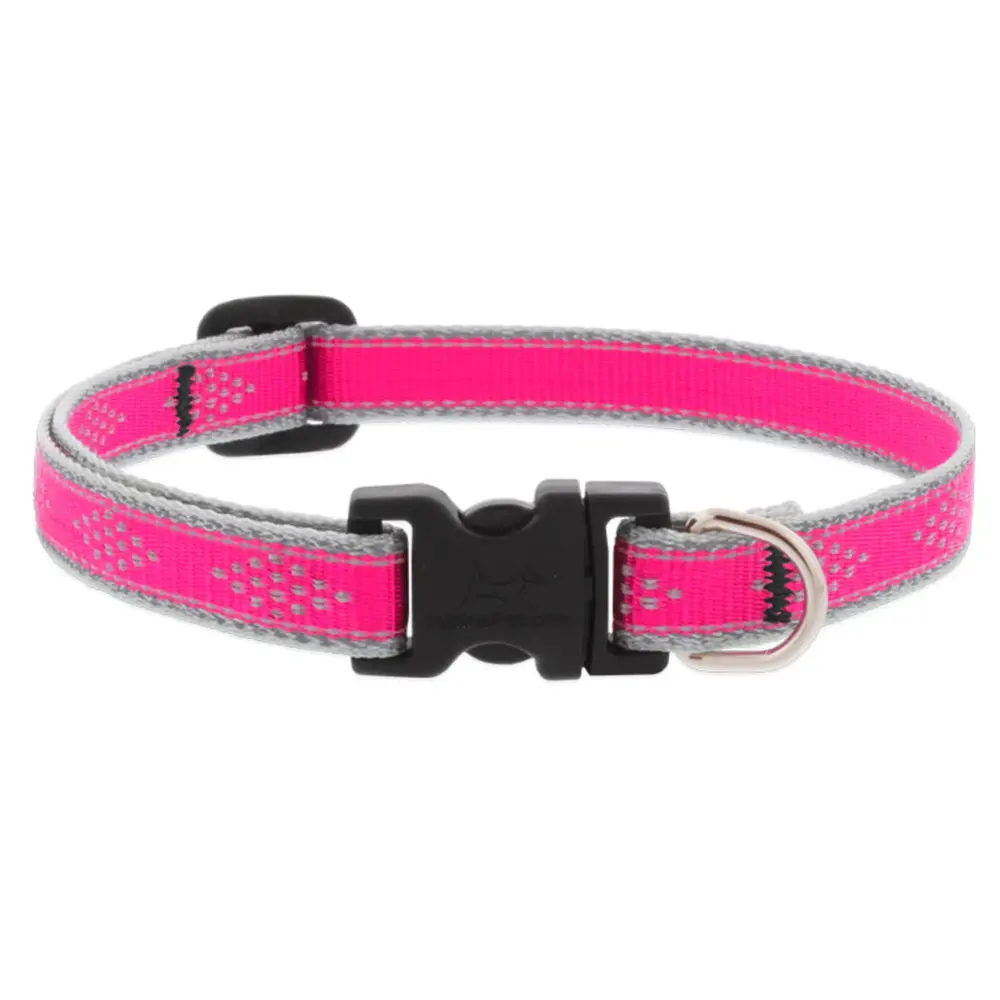
Reflective Dog Collar, Choose size & design
Price range: $22.95 through $28.95
Why it fits: Replaces a frayed or outgrown flat collar; reflective threads are woven in, and neck ranges run from 6 to 9 in up to 25 to 31 in.
-
Mr. Peanut’s
PetTrek Padded Harness and Leash Set, Choose size & color
Price range: $24.95 through $26.95
Why it fits: Replaces a worn harness and leash together; padded oxford nylon with reflective stitching on both pieces, sized XS to L by chest girth.
-
Lupine Pet
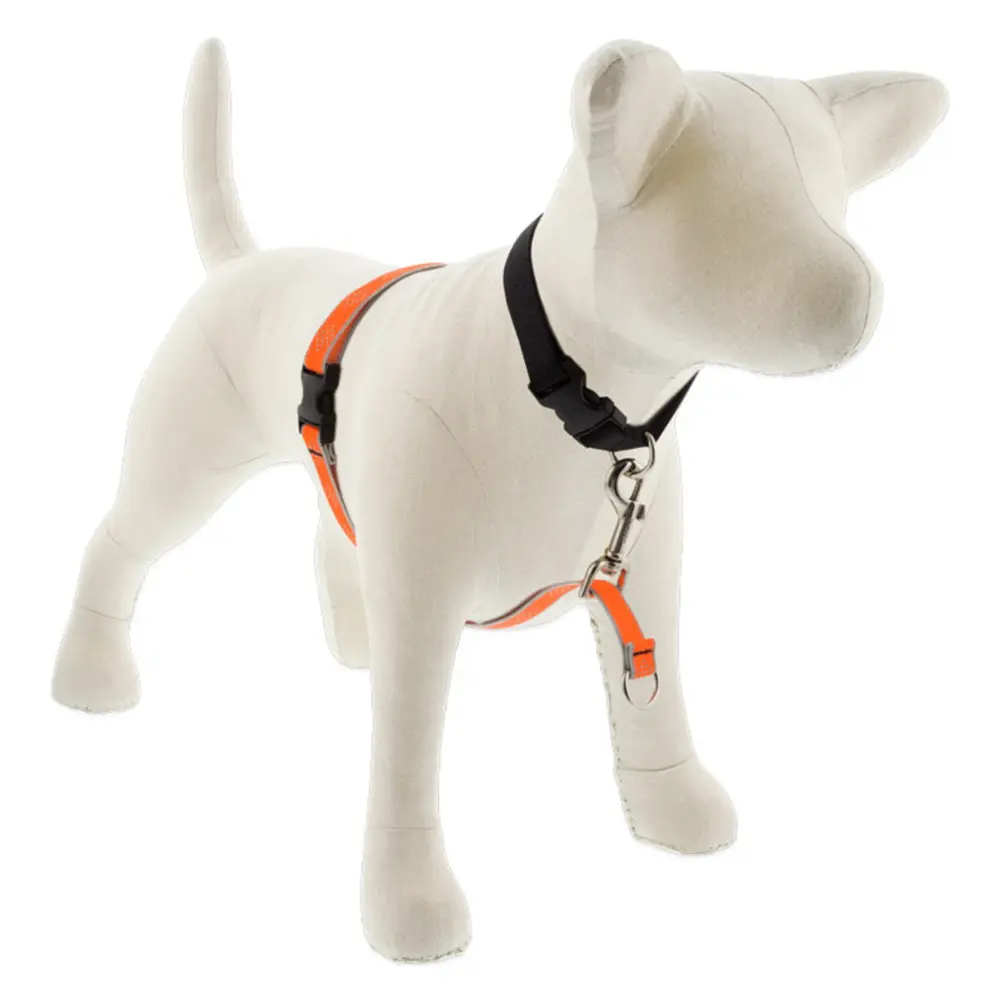
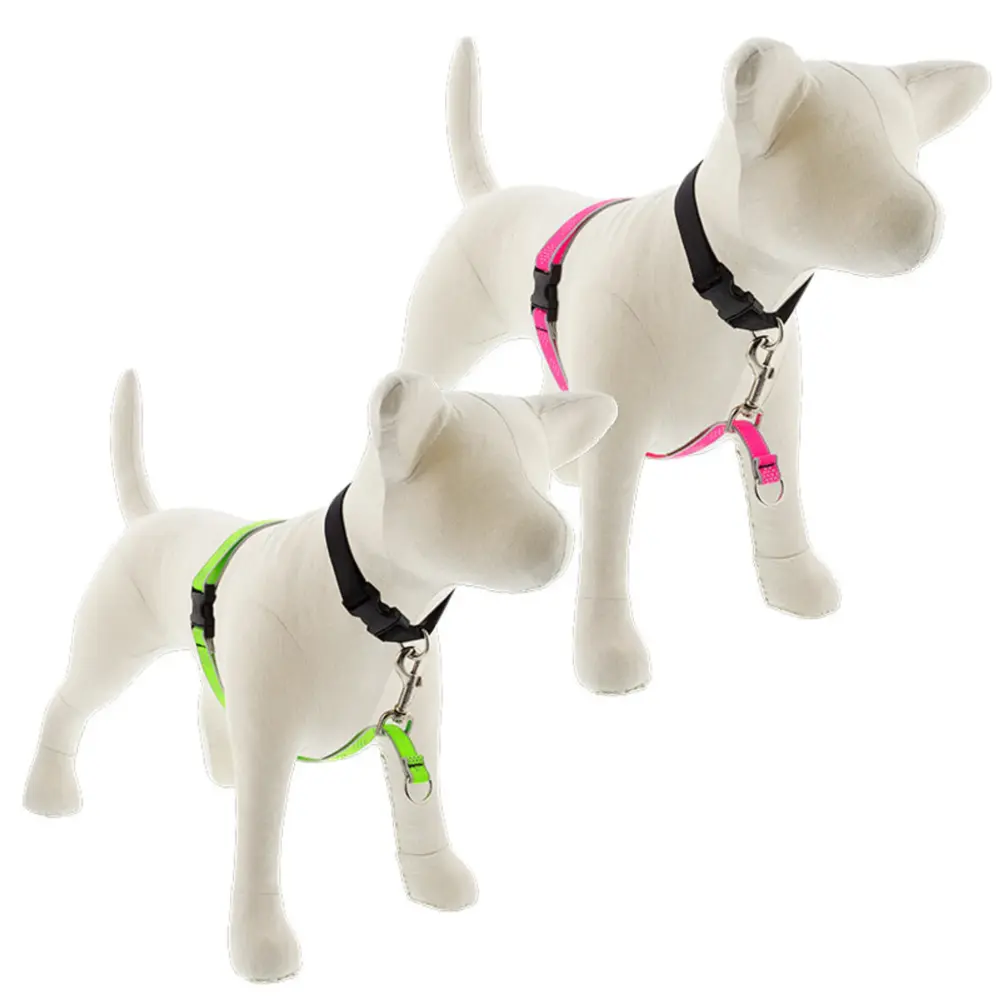
Reflective No-Pull Dog Harness, Choose size & design
Price range: $41.95 through $45.95
Why it fits: Replaces a worn training harness on a medium or large dog; front clip, 16 to 38 in girth, worn with the collar and leash you already use.
-
Lupine Pet
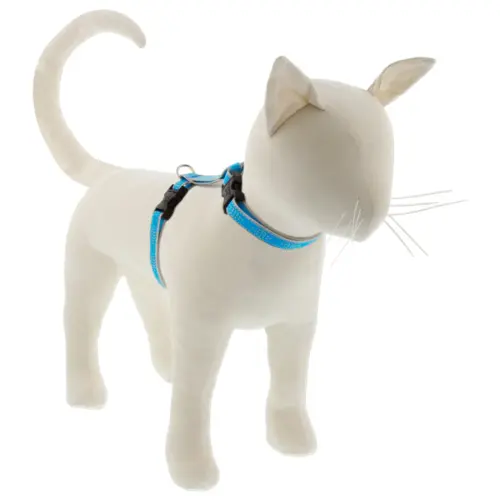
Reflective H-Style Cat Harness, Choose size & design
$28.95
Why it fits: Replaces a cat harness that has frayed or stopped fitting; H-style with quick-release buckles, in 9 to 14 in and 12 to 20 in girth ranges.



Toys that are ready to retire
Toys usually wear out first, and when they fail, the pieces end up in a mouth. Our guide to toys for dogs who destroy toys has a seam-by-seam check for after each session. Once a month, add the checks that are easy to miss:
- Size against your pet today: a toy bought for a puppy, or one chewed down over months, may now fit right inside the mouth. A toy your pet has outgrown is a swallowing and choking risk, the Humane World for Animals guide to safe dog toys warns, so size up as your pet grows.
- Rope, fabric and rubber: rope unraveling into long strands, fabric or fire hose with loose threads, and rubber with cracks or chunks missing. The same guide says to remove strings and ribbons that could be chewed off, and to discard toys once they start to break into pieces or tear.
- Cat wand toys: string that is fraying or feathers coming loose. VCA’s guide to cat play and toys warns that cats can get tangled in a wand toy or swallow the string, so never leave your cat alone with one; put it away after each game.
- Covers and batteries: a split plush cover on a ball or electronic toy, such as the pouch on our Motion-Activated Rolling Cat Toy Ball. Take a torn cover off, and retire the toy if the shell underneath is cracked, since it holds a rechargeable battery.
Safety note
If you think your pet has swallowed part of a toy, a length of string or rope strands, call your veterinarian promptly rather than waiting to see what happens.
Bowls, slow feeders and lick mats
Feeding gear gets washed often, which makes it easy to check: do it while the bowl is in your hand at the sink. The AKC’s guide to choosing the right dog bowl advises inspecting any bowl regularly for chips or damage and replacing it once it is damaged.
- Ceramic and glass: any chip or crack, including fine cracks in the glaze. A chip leaves a sharp edge, so retire the bowl rather than turning the chip to the back.
- Plastic: deep scratches, chew marks or a rough rim. The same AKC guide notes that dogs scratch plastic bowls easily, so expect to replace them more often; swap one once the inside no longer feels smooth.
- Stainless steel: dents are usually cosmetic. Replace it if rust spots don’t wash off or the non-slip base is peeling away.
- Slow feeders: ridges chewed down until they no longer slow the meal, or cracks around the base.
- Lick mats and silicone pads: bitten-off edges, splits in the grooves or missing pieces. A mat that is being chewed is being used as a toy, so pick it up as soon as the food is gone, and call your veterinarian if a missing piece may have been swallowed.
- A film or smell that returns: if a plastic or silicone bowl feels slimy or smells again soon after a hot, soapy scrub, replace it.
Scratchers, beds, brushes and carriers
- Scratcher surface: a cardboard side is done when claws slide instead of catching, or chunks break away at every scratch. Flip a reversible insert first and replace it once both sides are worn; our guide on how to get a cat to use a scratcher covers flipping, replacing and keeping a fresh surface appealing.
- Scratcher frame: replace the whole scratcher once the frame wobbles, tips or slides under a pull; it needs to stay put while your cat scratches.
- Beds and cat caves: filling flattened so your pet is really lying on the floor, a tear with filling exposed, a smell that returns after a proper wash, or a non-slip base that has worn through. Our checklist on when to replace a dog bed explains how to test each sign, cat beds included.
- Brushes: bent, flattened or missing pins or a split pad on a slicker, and a nicked edge or wobbling head on a de-shedding tool. Run the pins or edge lightly over the back of your hand: anything that scratches you will scratch your pet.
- Nail grinder: retire it if the safety guard is cracked.
- Carrier zippers and mesh: close every zipper fully and check that the teeth don’t split open behind the slider. Look for torn mesh or pulled seams where the mesh meets the frame, since a cat can work a small gap wider.
- Carrier straps and base: tug the strap clips and shoulder-strap stitching, check that any inside safety strap still clips on, and press the base to be sure it holds your pet’s weight without sagging.
If a toy, lick mat, slow feeder or scratcher insert fails its check, these are the replacements we stock. As with the walking gear, the picks are limited to Nilosi’s catalog.
-
Fire Hose Crocodile Dog Toy, View product
$30.95
Why it fits: Replaces plush toys a shredder keeps opening; stuffing-free fire hose, about 26 in, with squeakers that work if punctured. Supervise play.
-
SodaPup
Jigsaw Enrichment Lick Mat for Dogs & Cats, Choose color
$25.95
Why it fits: Replaces a lick mat with chewed edges or split grooves; a jigsaw texture for soft food, dishwasher safe and made in the USA by SodaPup.
-
SodaPup
Honeycomb Slow Feeder Dog Bowl, View product
$30.95
Why it fits: Replaces a slow feeder with chewed or cracked ridges; a honeycomb pattern in a deep bowl, dishwasher safe and made in the USA by SodaPup.
-
Cat Scratcher Guy
Wooden Cat Scratcher with Reversible Insert, View product
$32.95
Why it fits: A wooden frame you keep when the cardboard wears out; flip the reversible insert, then replace it. Replacement inserts are sold separately.




Fit checks when your pet changes
Gear in perfect condition can still be the wrong size. Our guide on how to measure a dog for a harness explains when to re-measure, from weekly checks for growing puppies to haircuts, coat changes and weight changes in adults. Also check:
- Puppies and kittens: the AKC’s collar guide notes that a puppy grows rapidly in its first year and may need several collars to keep up. Order the next size once the straps are let out to their last setting, and check a growing kitten’s harness before every outing, since cats back out of loose gear easily.
- Older pets: an older dog losing muscle over the shoulders, or a senior cat getting thinner, may find a harness slipping or rubbing. Re-measure, and ask your veterinarian about any weight change you can’t explain.
- Wearing a dog coat: a harness adjusted over bare fur may be too tight over a coat, or too loose once the coat comes off. The DCNY Ranch Dog Coat has a harness opening in Small and Medium and a built-in leash clip in XXS and XS. On any coat, check that hook-and-loop closures still grip and aren’t clogged with fluff.
- Escape attempts: a dog who has backed out of a harness, or a harness that slides around to one side on walks, needs a fit check before the next walk, whatever its condition.
What only needs a wash, not a replacement
Plenty of gear that looks finished is just dirty. Clean these before you replace them:
- Grubby or smelly webbing: wash it according to its label. Our guide on how to wash a dog harness covers collars and leashes too. Replace the gear only if the smell survives a proper wash.
- Slobbery or muddy toys: most can be cleaned by material; see how to clean dog toys. A toy that is damaged as well as dirty goes in the trash.
- Faded colors: cosmetic, unless the fading is on reflective trim that no longer lights up.
- A messy-looking scratcher: shreds and claw marks are part of the appeal to your cat. Vacuum around it and keep it until claws stop catching.
- A hair-packed brush: clear and wash it before judging the pins.
Two habits to skip: replacing gear on a fixed date whether or not it is worn, and keeping a failing piece as a “backup.” Gear that fails this check goes in the trash, not the drawer, so nobody grabs it in a hurry.
Related guides
-
Buying guide
Made in USA Dog Products: Collars, Harnesses, Coats, Bowls and Wipes
Six dog items we stock carry a Made in USA claim from their maker or listing: two Lupine Pet walking pieces, a DCNY coat for small dogs, a SodaPup slow feeder and lick mat, and Mr. Peanut’s wipes. Learn what the label should mean, what it leaves out and how to check a claim yourself.
-
Checklist
What to Tell Your Dog Walker: A Handover Checklist
Everything a new dog walker needs on one page: where the gear lives and how it goes on, how your dog walks, leash and route rules, medications and treats, emergency contacts, the door routine, weather rules and a first walk together.
-
Guide
How to Measure a Dog for a Harness, Collar or Coat
Three soft-tape measurements (chest girth, neck and back length) are all you need to choose a harness, collar or coat size. This guide also covers the two-finger fit check and what to do when your dog is between sizes.