Walking & Training Checklist
What to Tell Your Dog Walker: A Handover Checklist
Short answer
Tell a new dog walker how your dog walks (pulling, triggers, greetings and your cues), the leash and route rules, medications, allergies and allowed treats, and who to call in an emergency, starting with your vet. Leave the harness, leash, bags, treats and a one-page sheet by the door, then take the first walk together.

The walker can see the harness on the hook. What they can’t see is what you know: that skateboards set off lunging, that only the treats in the blue jar are allowed, that the side gate doesn’t latch unless you lift it. This page turns that into a handover sheet for someone else holding the leash; for what to carry on your own walks, see our dog walking essentials checklist.
The handover checklist at a glance
The AKC’s guide to finding and choosing a dog walker advises writing it all down and leaving it for the walker: your contact details, veterinary information, medication and feeding instructions, the alarm code and where supplies are kept. The full handover:
- Where the harness, leash, collar and bags live, and how each one goes on
- How your dog walks: pace, pulling, triggers, greetings and your cues
- The leash rule, the usual routes and the streets to avoid
- Medications, allergies and the only treats your dog may have
- Your numbers, a backup contact, your vet and the nearest emergency hospital
- Keys, alarm, doors, other pets and paws on the way in
- Weather rules for heat, cold, ice and storms
- One walk together before the first solo walk
One page, two copies. Tape one inside a cupboard by the leash hook and send one to the walker’s phone. Put the emergency block at the top, date the sheet, and update it when a medication, harness or route changes.
What the sheet can leave out
- The whole medical history. Current medications, allergies, conditions to watch and your vet’s number are enough; full records stay with your clinic.
- Vague labels. “Friendly” tells the walker very little. Be specific: happy with small dogs, nervous of men in hats, fine with children who ask first.
- Gear your dog hasn’t worn yet. Break in a new harness on your own walks; the walker’s first day isn’t the time to test the fit.
- Rules nobody keeps. If your dog naps on the sofa when you’re home, don’t ask the walker to keep them off it; mixed rules confuse a dog.
Gear: where it lives and how it goes on
- The hook or basket where the harness, leash, collar and bags live
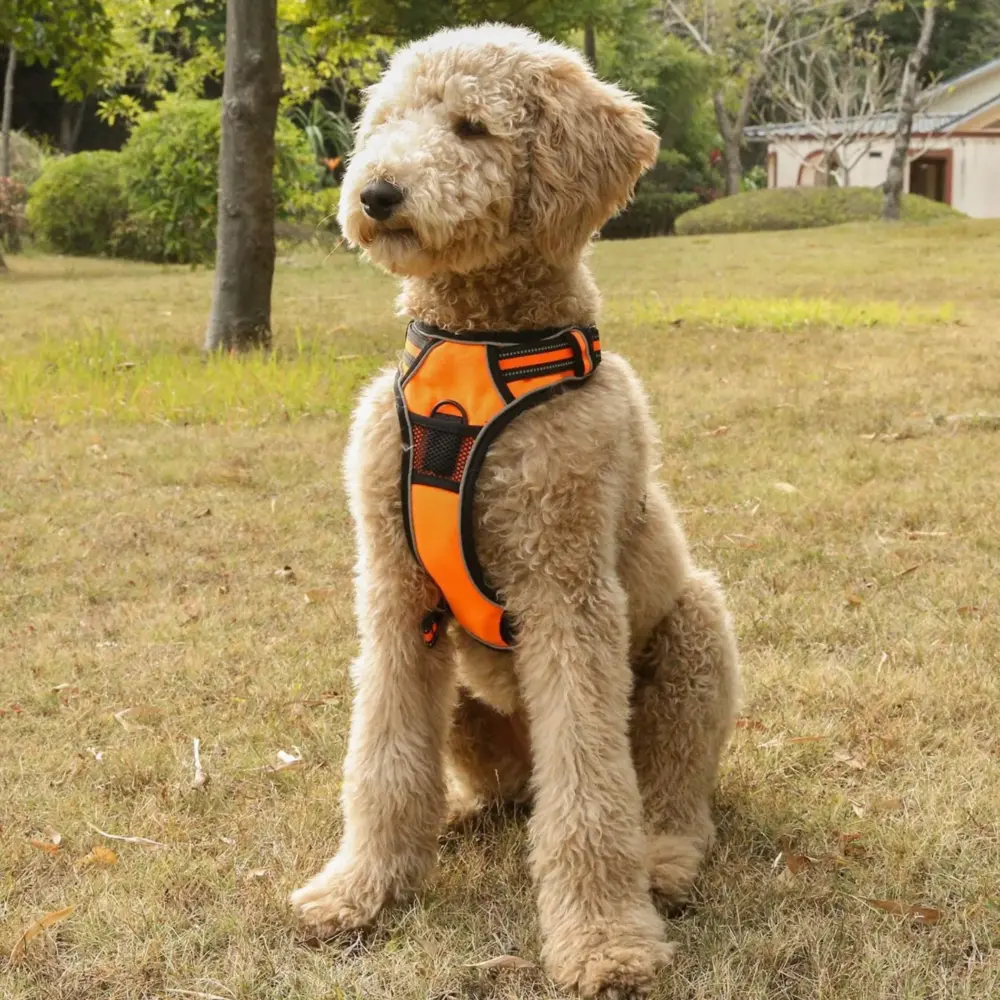
- How the harness goes on: over the head or stepped into, and which buckle opens
- The fit check: two fingers under each strap, nothing rubbing behind the front legs
- Which ring the leash clips to; a chest ring is for steering a dog who pulls
- The collar with the ID tag stays on, even when the leash goes on the harness
- Bags on the leash, plus a pouch for full ones
- A spare leash, and where the coat and water bottle live
Your gear, not theirs. A harness is adjusted to one dog, so the walker should use yours. If your dog has ever backed out of a harness or collar, say so, show how snug it sits, and explain what to do in a fright: let the leash go slack and move with your dog rather than pulling back. Our guide to stopping harness slip-outs covers the fit and a backup clip to the collar.
If a piece is missing or worn out before the walker starts, these four come from our walking and training gear; the picks are limited to what Nilosi sells.
-
Mr. Peanut’s
PetTrek Padded Harness and Leash Set, Choose size & color
Price range: $24.95 through $26.95
Why it fits: One harness and matching leash that hang together on the hook, with quick-release buckles and reflective trim on both pieces for dusk walks.
-
Lupine Pet
Reflective No-Pull Dog Harness, Choose size & design
Price range: $41.95 through $45.95
Why it fits: Gives the walker the same front-clip steering you use on a dog who pulls; it works with your collar and leash, for medium and large dogs.
-
Lupine Pet
Reflective Dog Collar, Choose size & design
Price range: $22.95 through $28.95
Why it fits: Keeps the ID tag on for every walk, even when the leash goes on a harness; a strong D-ring and woven reflective threads for early and late walks.
-
Yucky Puppy
Waterproof Poop Bag Holder, Choose size
Price range: $23.95 through $24.95
Why it fits: Lets the walker zip a full bag away until the next bin; waterproof, clips to the leash, and a set of two leaves a spare by the door.




Walking habits: pulling, triggers and sniff time
This is the part only you can write. The AKC warns that a walker who doesn’t know your cues and rules can undo your training without meaning to, for example by letting a dog who pulls set the pace, or greeting a jumping dog with enthusiasm. Cover:
- Pace: brisk walker, dawdler, or a dog who sits down when tired
- Pulling: what you do when the leash goes tight, such as stopping until it slackens
- Your words for sit, wait, leave it, drop it and let’s go, and the reward
- Greetings: whether your dog may meet other dogs, strangers and children
- Triggers: dogs, bikes, skateboards, trucks, and how you handle them
- Scavenging: whether your dog grabs food, bones or trash off the ground
- Potty habits and sniff time: the favorite spots, and how long you allow
- Solo walks only, or which other dogs yours may walk with
Triggers need a plan, not just a warning. “Doesn’t like other dogs” leaves the walker guessing. Say what you do: cross the street, turn around or ask for a sit behind a parked car. Name the house with the fence-running dog. If your dog copes with one calm companion but not a group, ask whether the walker takes dogs out together or one at a time; the AKC suggests asking every walker you interview.
Safety note
Be honest about bites and guarding. If your dog has ever bitten, snapped or guarded food, toys or things found on the ground, the walker needs to know before the first walk, along with what set it off. Otherwise they may reach for the chicken bone in your dog’s mouth.
Recall, off-leash rules and usual routes
- The leash stays on unless you’ve agreed otherwise in writing; local leash rules come first
- Dog parks and off-leash areas: yes, no, or only certain ones
- Your recall word and reward, with an honest note on how reliable it is
- The usual route and its length, plus a short version for bad weather
- Streets to avoid: busy roads, construction, loose dogs, a yard that sets your dog off
- What to do if your dog gets loose
Recall is a backup, not a plan. A dog who comes straight back to you may ignore someone they met last week, so the leash is the real safety line.
If your dog slips the leash, the walker calls you right away and doesn’t chase: chasing can turn it into a game or send a frightened dog farther away. Calling cheerfully, crouching or stepping away and offering treats works better. If your dog isn’t back within minutes, our guide to what to do if your dog is lost covers the first hour.
Health: medications, allergies and allowed treats
- Each medication: name, what it’s for, dose, time and how your dog takes it
- Where medications are kept, and that nothing changes without your say-so
- Food allergies and sensitivities, in plain words
- The treats your dog may have, how many per walk and which jar they come from
- No people food, and nothing from strangers along the route
- Conditions to watch for, and what your veterinarian told you to do
- Exercise limits: age, joints, recent surgery or a flat-faced breed in heat
Midday doses. If a dose is part of the job, show the walker how your dog takes it and who to call if it’s missed or spat out; whether to give another is for you or your vet to decide, not the walker.
What a normal walk looks like. Note how far your dog usually goes and how they seem at the end, so the walker can spot a change. Ask for a same-day report of anything new, such as limping, coughing, vomiting, diarrhea or low energy, and a call to your vet and you at once if your dog collapses or struggles to breathe.
Emergency contacts and your veterinarian
- Your cell number, and a second way to reach you during walk hours
- A backup contact nearby with a key, who can decide if you can’t be reached
- Your veterinary clinic: name, address, phone and hours
- The nearest 24-hour emergency hospital and its address
- ASPCA Poison Control: (888) 426-4435
- Your dog’s microchip number and its registry
- A recent photo of your dog on the walker’s phone
- A signed note on who may authorize treatment, and how it’s paid for
Tell your clinic, too. A walker who rushes in with your injured dog may not be able to approve treatment, so ask your clinic how it handles that and sign what it needs. The AKC lists a veterinarian release form in a pet sitter’s agreement, and the idea works for a walker too. If your dog swallows something worrying, the walker calls your vet or ASPCA Poison Control, which answers 24 hours a day, 365 days a year; a consultation fee may apply.
Call now, or text later. Call: a loose dog, an injury, a fight or bite, something swallowed, heat trouble, a lockout. Text: a walk cut short by rain, a missed potty break, a new dog on the route.
Check the tag. It needs a number that gets answered during walk hours; if you can’t pick up at work, add a backup number on a second line. Our guide to choosing a dog collar covers what else belongs on the tag. Save the walker’s number too, so if a neighbor calls you about your dog, you can reach the walker in seconds.
Home routine: keys, doors and paws on the way in
- How the walker gets in: key, lockbox or code, and which door
- The alarm: the code, or remote disarming if your system has an app, and what to do if it goes off
- Other pets: who stays shut in, and which cat waits by the door
- Where your dog goes afterward: loose, a crate or behind a gate
- Water refilled, and any meal or chew to give
- Paws cleaned at the door; harness and leash back on the hook
- Full bags in the outdoor bin
- Updates: text, photo, app or a note, with walk length, potty breaks and anything unusual
The door is where pets get out. The leash goes on before the outside door opens and comes off only after it shuts. If a cat lives with you, say where it waits and whether to shut it in a room first.
Paws on the way in. A towel, a paw cleaner cup and wipes by the door let the walker clean up while the leash is still clipped. Show them the order once: cup for mud or salt, a wipe for a dusty walk, towel last. These are the two parts of that station we stock.
-
Bark Fifth Avenue
Fabulous Paws Dog Paw Cleaner Cup, Choose size & color
$31.95
Why it fits: Rinses mud and salt off each paw at the door before your dog reaches the floor; water, a twist and a towel, simple to show a walker.
-
Mr. Peanut’s
Naturals Pet Wipes
$26.95
Why it fits: Gives the walker a quick wipe for paws and coat after a dusty walk, kept at the door with the towel; 150 large, thick wipes per container.
Currently out of stock


Weather rules: when to shorten or skip a walk
A midday walker is out in the hottest part of a summer day, and in weather you might skip. Agree in advance what happens on the bad days.
| Conditions | What the walker does | Tell you if |
|---|---|---|
| Hot day | Short, shady loop; water at every stop | Heavy panting or wobbling (call now) |
| Hot pavement | Grass and shade only | Your dog lifts or licks a paw |
| Below 32°F | Coat if worn; shorter loop | Shivering or lifting paws |
| Snow and salt | Paws rinsed and dried at the door | Limping or sore pads |
| Icy sidewalks | Potty break on safe footing | The walk was cut short |
| Thunderstorms | Quick potty break, leash held firmly | Your dog panics or tries to bolt |
Heat. The ASPCA’s hot weather safety tips warn that hot asphalt can burn paw pads, and that flat-faced breeds, older and overweight dogs, and dogs with heart or lung disease need extra care to stay cool; tell the walker if yours is one. In a heat spell, the midday visit can shrink to a potty break on shaded grass; our guide to how hot is too hot to walk a dog has the pavement test and the warning signs.
If your dog pants frantically, drools heavily, weakens or stumbles, the walker stops in the shade, wets your dog with cool, not cold, water, offers a drink and calls your vet and you straight away. A Flipo Fold-A-Bowl bottle has a wrist strap, which leaves a hand free for the leash.
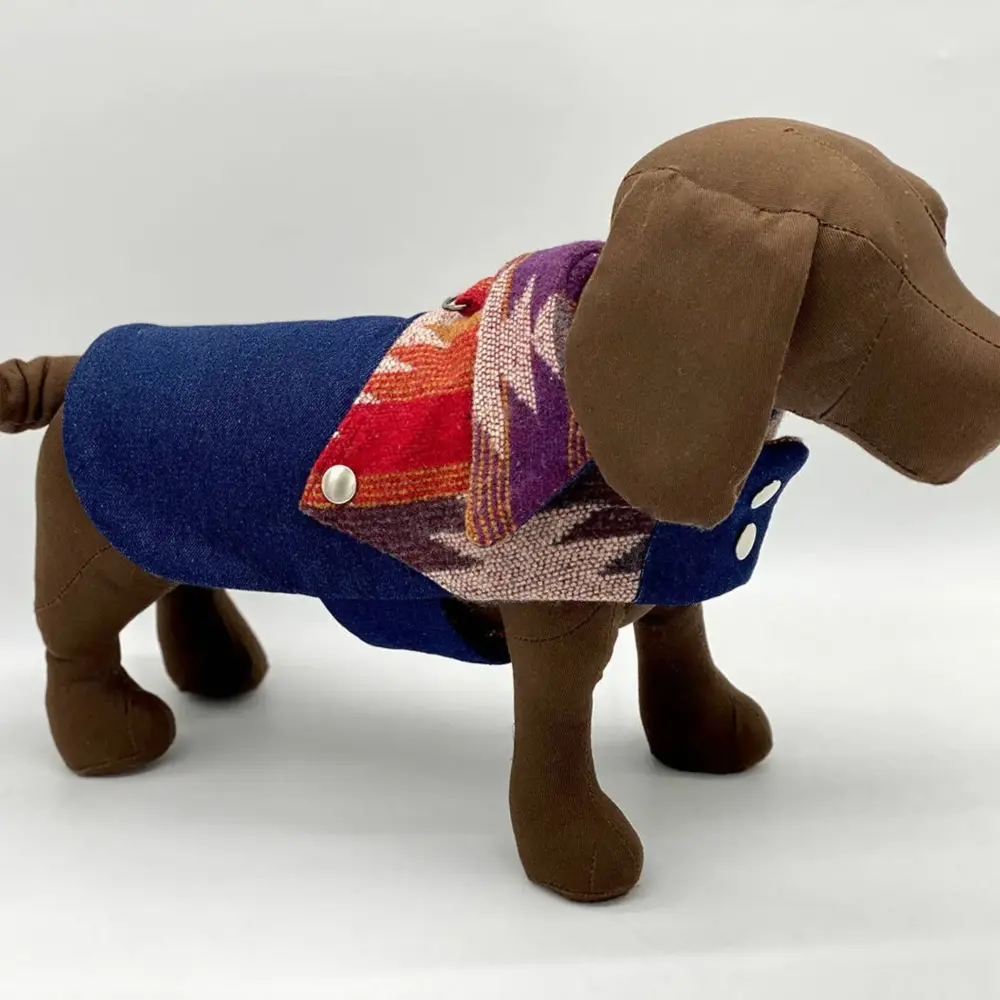
Cold. Freezing is the point to shorten walks, especially for small, thin-coated, young or older dogs; see how cold is too cold to walk a dog for the signs to head home. If your dog wears a coat, show the walker how it fastens and where the leash attaches: the DCNY Ranch Dog Coat, for example, closes with hook-and-loop straps, with a built-in leash clip on XXS and XS and a harness opening on Small and Medium.
A first walk together before the walker goes solo
The sheet tells the walker what to do; a walk together shows them. The AKC suggests a meet-and-greet to see how your dog reacts to the walker, and even a test walk together.
- Meet at home. Let your dog approach the walker in their own time, and let the walker offer a treat from the jar.
- Go through the sheet at the door: hook, harness, bags, treat jar, medications and the emergency block.
- Have the walker put the harness on while you watch, then do the two-finger check together.
- Walk the usual route. Hold the leash for the first stretch, then hand it over and watch how your dog responds.
- Practice the return: door shut before the leash comes off, paws cleaned, water refilled, then crate or gate, alarm and lock.
- Book the first solo walk for a day you can answer the phone, and notice how relaxed your dog is when you get home.
- After a week, ask the walker what the sheet missed, and add it.
If a backup walker covers sick days or vacations, give them the same sheet and the same first walk.
Related guides
-
Guide
Dog Walking Essentials: What to Bring on Every Walk, Including After Dark
What to bring on every dog walk, from an ID collar and harness to water and a way to carry full poop bags, plus reflective gear and a light for darker evenings after the clocks change in November.
-
Checklist
Winter Hiking With a Dog: Checklist for Cold, Ice and Short Days
A winter trail-day checklist: plan a shorter, sheltered route around daylight, keep your dog leashed and off frozen water, pack water that won't freeze and a coat for dogs who feel the cold, check paws for ice balls and salt, and know when to turn back.
-
How-to
Potty Training a Puppy in Winter: Cold Mornings, Snow and Dark Nights
Cold mornings, snow and early dark can stall a puppy’s housetraining. Here’s how to keep it on track: a cleared spot by the door, a trip routine that works in the cold, a winter schedule, salty paws, accidents, and what to do when your puppy refuses to go out.