
Walking & Training Checklist
What to Do If Your Dog or Cat Is Lost: The First Hour and First Day
Short answer
Search your home first, then walk nearby calling calmly, and ask people to call you rather than chase. Within a few hours, report your pet lost to the microchip registry, shelters, animal control, vets and neighbors, then put up posters and post in local lost-pet groups. Visit shelters in person daily until your pet is home.
Lost pet checklist at a glance
Here’s what to do if your pet is lost, in the order it matters. Split the jobs if anyone can help: one person searches, one makes the calls and one stays home in case your pet comes back or a finder knocks.
In the first hour
- Search the house, garage and car: closets, cabinets, under beds, behind appliances
- Leave someone at home, by the door your pet knows, with a phone
- Walk the immediate area calling calmly and shaking a treat bag
- Tell everyone you pass to look out, call you and not chase
- Ask neighbors to check their sheds, garages, decks and parked cars
- Have a recent, clear photo ready on your phone
Within the first few hours
- Report your pet lost to the microchip registry and confirm your number
- File a lost report, with a photo, at every nearby shelter and animal control agency
- Call local vet clinics, the nearest emergency clinic and the police non-emergency line
- Post in local lost-and-found pet groups and neighborhood apps
- Put up large posters around the spot your pet was last seen
Every day until your pet is home
- Visit shelters in person and walk the kennels yourself
- Search again at dawn and late in the evening, when it’s quiet
- Check found-pet posts and shelter websites, and repost your own
- Replace damaged posters and widen the area
- Log every sighting with the time and place
The first hour: where lost dogs and hiding cats usually go
Many lost pets are closer than you fear, cats especially. How a dog or cat behaves once it’s out decides where you look first.
Dogs: friendly dogs find people, frightened dogs hide or run
Humane World for Animals’ guide to finding a lost dog notes that a friendly, confident dog is more likely to turn up where people or other dogs gather, while a shy, frightened or injured dog, or one lost somewhere unfamiliar, is more likely to be hiding or on the run. Check your dog’s favorite people and places first: the neighbor with biscuits, the park, your usual route. The AKC’s advice for when a dog goes missing is to begin within a two-mile radius of where your dog was last seen, then widen the search if you need to.
Don’t chase. Humane World warns that chasing a skittish dog can drive it out of the area, and a playful dog may think you’ve started a game of chase, which can end in traffic. Call cheerfully, then crouch or turn and take a few steps away; many dogs will follow a person who isn’t coming at them.
Cats: usually close, usually hidden
Humane World’s guide to finding a lost cat says most missing cats are found less than a third of a mile from where they got out, and indoor cats who get outside are typically found less than three houses away. A cat that has never been outdoors often wedges itself into the first dark, sheltered spot it finds and stays put.
First, rule out the house. The ASPCA’s advice on finding a lost pet starts with beds, closets and dark, small places behind furniture, and iCatCare notes that cats can get shut in a cupboard by accident. Check the cabinets, the dryer and under the recliner, then check again an hour later.
Using sound and scent to lure your pet home
Your voice and the smells of home are your best lures, but use them gently: shouting can push a scared animal deeper into hiding.
- Call, then wait. Use your pet’s name in your everyday voice, then stand still and listen for a minute before moving on. A hiding cat may answer with a faint meow, or not at all.
- Use sounds your pet already knows. The AKC suggests bringing favorite treats or toys, shaking food containers and opening cans of wet food.
- Go out when it’s quiet. iCatCare suggests calling and shaking treats especially at night, when you and your cat have a better chance of hearing each other.
- Leave familiar smells. Put your pet’s bedding outside near where it got out; iCatCare also suggests a favorite strong-smelling food such as canned tuna.
- Set up a feeding station if your pet is seen but won’t come. Humane World suggests food and water in a sheltered spot, a motion-activated camera to see who eats it and, once you know when your pet visits, a humane trap, which most animal control agencies and many rescue groups will lend.
Who to contact when your pet is lost
A lost pet may be picked up by someone else, who will call whoever is easiest to reach. Make sure all of them already know.
- The microchip registry. Report your pet lost and confirm your current phone number is on file. Not sure which registry holds the chip? Find its number in your vet or adoption records and enter it in the American Animal Hospital Association’s Universal Pet Microchip Lookup (petmicrochiplookup.org), which lists the participating registries holding information for that chip.
- Every nearby shelter and animal control agency, municipal and private, plus rescue groups. Include the next county if your pet got out near the line.
- Vet clinics and the nearest emergency clinic, where a finder may bring an injured or stray animal to be scanned.
- Your local police, on the non-emergency line. The AKC lists the police alongside shelters as calls to make.
- Neighbors, mail carriers, delivery drivers and dog walkers. Hand them a flyer and ask them to check garages and sheds, and to call rather than chase.
Why shelter visits need to be in person
A shelter may log your gray tabby as brown or your doodle as a poodle mix, and new arrivals may not be online yet. The ASPCA advises checking in with shelters daily, in person, with photos to leave with staff. Humane World notes that some shelters hold lost cats for as little as 72 hours before placing them for adoption, yet it can take weeks for a lost cat to land at a shelter, so keep going back. Ask to see animals not yet on the public floor, such as new intakes or animals in the clinic.
Posters and posts: what to include
A good poster can be read from a passing car: a big headline, one large photo and a phone number. Include:
- A headline in large letters: LOST DOG or MISSING CAT
- One clear, recent photo showing your pet’s face, body and markings
- Breed or mix, sex, color, size, age and any distinguishing features, in a few words
- Where and when your pet was last seen
- Two phone numbers: yours and a friend’s or family member’s
- A line for finders, such as Shy: please don’t chase, just call
Post where people already stop: around the spot your pet was last seen, at vet offices, pet stores, groomers, dog parks, grocery stores, gas stations and laundromats, and, as the ASPCA suggests, around schools and at kids’ eye level. Online, use local lost-and-found pet groups on Facebook and Nextdoor; Humane World also lists sites such as Petco Love Lost, which matches photos using facial recognition. Read the found-pet posts every day too: someone may already have your pet.
Safety note
Lost-pet posts attract scammers. Humane World suggests leaving one identifying feature off your posters, such as a white patch or a nick in one ear, and asking anyone who says they have your pet to describe it and send a photo. Be wary of anyone who asks for money before returning your pet, and take someone with you to meet a finder in a public place.
Indoor cats who get out: how to search at night
An indoor-only cat outside for the first time is usually frightened and silent. Humane World says it can take a few days before a scared cat relaxes enough to leave its hiding spot, and that many hide by day and venture out only late at night when the neighborhood is quiet. iCatCare adds that a frightened cat may not answer your calls at all. The usual sign of a hiding cat is no sign at all, so a slow, close search beats a fast, wide one.
A night search, step by step
- Wait until the street is quiet in the late evening, and leave dogs and extra helpers at home.
- Take a flashlight: its beam picks up the shine of a cat’s eyes under decks and in shrubs.
- Start at the door your cat used and work outward, checking every hiding spot within a few houses: under decks, porches and parked cars, in window wells and dense shrubs, inside sheds and garages.
- Every few yards, call softly, shake the treats and wait in silence for a minute or two.
- Ask before searching a neighbor’s yard, and ask them to open their garage and shed.
- Before bed, leave bedding and a small dish of smelly food by your door, and check it, or the camera, in the morning.
If you spot your cat, don’t lunge. Sit down nearby, talk quietly and let it come to you, or set a humane trap where it has been seen. Once it’s home, the habits that keep it inside are in our guide on how to stop a cat from running out the door.
When you find them: getting a scared pet home safely
A dog that won’t come
Don’t walk straight at a frightened dog. Sit or crouch side-on, look away and toss a few treats near your feet so your dog closes the distance itself. Slip the leash on once it’s eating calmly beside you, and hold the leash rather than grabbing the collar. Then praise and reward, never scold, so that coming back to you stays worth it next time.
A cat that is hiding or frozen
Bring the carrier to the cat, not the cat to the carrier. Wrap the cat in a thick towel, lower it in through a top opening and close the carrier before you stand up.
Safety note
A frightened or injured pet may bite or scratch, even someone it knows. Move slowly and keep your face away. If your pet is hurt, call your veterinarian or the nearest emergency clinic on the way and follow their advice.
For a cat or small dog, keep a carrier with a top opening ready by the door. The Armarkat soft-sided carrier we stock is made for cats and small dogs: its three zip openings include one on top, so you can lower a frightened cat in and zip it shut fast, and mesh panels let air in on the ride home.
The first day back
- Call your veterinarian, especially if your pet was gone overnight, seems hurt or unwell, or may have eaten something it shouldn’t have
- Offer water, and ask your vet before giving a big meal to a pet who was gone for days
- Keep a cat in one quiet room and a dog on leash outdoors for a few days, since a rattled pet may bolt again
- Tell everyone you contacted that your pet is home, and take down your posters
- Work out exactly how your pet got out, and fix that first
Prevention: keeping your pet from getting lost
- ID at home, not just on walks. A flat collar with a current tag should stay on indoors, because an open door or a gap in the fence doesn’t wait for walk time. For what to engrave, see how to choose a dog collar. The exceptions are crate time and wrestling with other dogs, the two situations the AKC’s article on collar dangers flags for a collar catching; take it off for those.
- A snap-open collar for cats. iCatCare advises that any cat collar have a snap-open safety mechanism, so it releases if it catches on something. Not sure your indoor cat needs one? See should a cat wear a collar or a harness.
- A registered microchip, kept current. Update the registry whenever you move or change phones. It backs up the tag rather than replacing it: anyone can read a tag, but a chip needs a scanner.
- A harness that fits snugly. Measure your dog’s chest before you buy, check that two fingers slide under each strap, and recheck the fit after the first few walks. If your dog still wriggles free, our guide to stopping harness slip-outs covers a second attachment point and what to do in the moment.
- Door habits. Clip the leash on before the door opens, gate the entry and teach a wait at the threshold; our plan to stop a dog darting out the door walks through it.
- Extra care on busy days. Halloween, fireworks, parties, contractors and moving day all keep doors open; shut pets in a quiet room until things settle.
- A current photo. Keep clear shots of your pet’s face, body and markings on your phone, and retake them as your pet ages.
Two pieces from our walking and training gear fit this list; our picks are limited to what Nilosi carries:
-
Lupine Pet
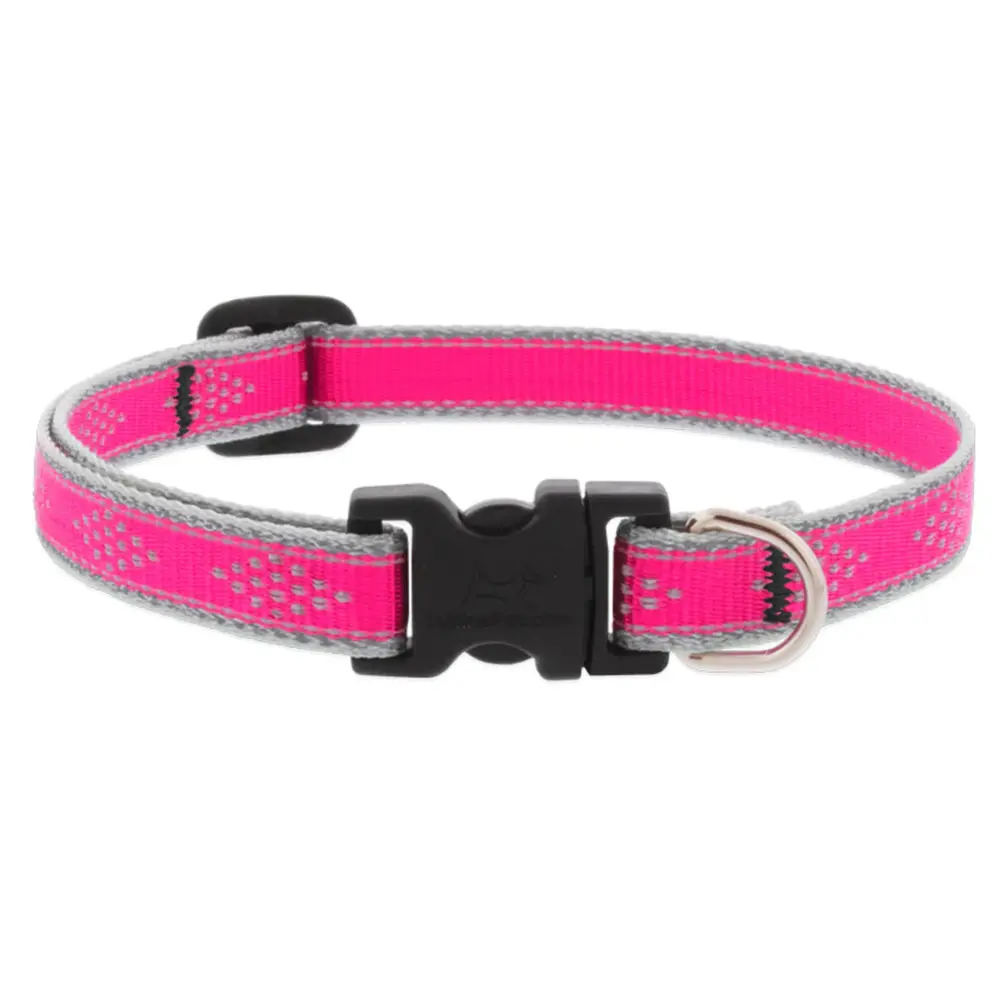
Reflective Dog Collar, Choose size & design
Price range: $22.95 through $28.95
Why it fits: Keeps ID on your dog at home, not just on walks: a flat everyday collar with a strong D-ring for tags and woven reflective threads. Neck sizes run from 6 to 31 in, so measure first.
-
Mr. Peanut’s
PetTrek Padded Harness and Leash Set, Choose size & color
Price range: $24.95 through $26.95
Why it fits: Adjustable straps let you snug this padded harness to the two-finger fit, and the matching leash clips straight on. Sizes XS to L: measure the chest and check the size chart first.


What to skip while you search
- Waiting a day to see whether your pet wanders home. Search while it is most likely still close.
- Big search parties. A line of strangers sweeping the yards drives a scared pet farther off; two or three quiet people do better.
- Giving up after a week. Keep posters fresh and keep visiting shelters; as the ASPCA puts it, many lost animals have found their way back home.
Related guides
-
Checklist
Pet Emergency Kit Checklist: What Your Dog or Cat Needs to Evacuate
Everything your dog or cat needs to evacuate with you: records and ID, two weeks of food, water and medicine, a carrier or harness per pet, sanitation and first aid, plus where pets can stay and when to refresh the kit.
-
Checklist
What to Tell Your Dog Walker: A Handover Checklist
Everything a new dog walker needs on one page: where the gear lives and how it goes on, how your dog walks, leash and route rules, medications and treats, emergency contacts, the door routine, weather rules and a first walk together.
-
Checklist
First Walks With a Rescue Dog: ID, Fit and a Calm Route
A newly adopted adult dog can bolt at the first fright. Sort the ID tag, microchip and a collar-plus-harness setup before you step out, then build up from potty trips to short, quiet loops while you learn your dog's stress signals.

