Walking & Training How-to
How to Stop a Dog Darting Out the Door: Manage Now, Train a Wait
Short answer
Stop the escapes today with management: clip a leash on before anyone opens an outside door, gate off the entry and keep a collar with a current ID tag on your dog at home. Then, over a few weeks, teach a threshold wait, so an opening door means hold still and only your release word means go.
Why dogs bolt through doors
A door dasher isn’t being defiant. The front door opens onto the best parts of a dog’s day, and every escape that worked made the next attempt more likely. Watch what happens just before the dash:
- The door predicts fun. Walks, car rides and the yard all start there, so jingling keys or a hand on the handle sends your dog toward the gap.
- Something worth reaching. A visitor, the delivery driver, a passing dog, a squirrel.
- The doorbell. A knock sets off a barking rush to the entry, and the open door is its payoff.
- Spare energy. A young or under-exercised dog may treat any open door as a chance to run; more walks and play on ordinary days can help.
- Hormones. An intact male may be strongly driven to roam. Ask your veterinarian whether neutering makes sense for your dog.
- Fear. A dog startled by fireworks, thunder or a crowd may run through any gap. That dog needs a quiet room behind a closed door more than a training plan; see how to keep a dog calm during fireworks for the loudest nights.
The stakes are high: the AKC’s guide to door darting warns that a dog loose outside can get lost, be hit by a car or get into conflicts with other pets or people. So the plan starts with management, which protects your dog tonight, then adds training, which takes weeks.
Management first: control the gap today
Management means your dog can’t get out, whatever they have learned so far. The AKC suggests a leash when you answer the door and a gate or exercise pen to block the way, and notes that for some households, ongoing management is the long-term answer.
- Leash on before the handle turns. Hang the harness and a fixed-length leash by the door and put them on before you head out; a retractable leash can spool out several feet before it locks. For an unexpected knock, a gate or closed inner door is faster.
- A gate or pen in front of the door. A gate across the hallway or a pen around the entry makes a buffer. If your dog can jump it or push it over, close an interior door instead. We don’t sell gates or pens.
- Two doors, one at a time. Close a porch, mudroom or garage door behind you before the outside one opens.
- ID that stays on at home. A tag with your phone number lets whoever catches your dog call you, and a microchip registered to your current details backs it up. Take the collar off in the crate and for rough play, where it can catch; how to choose a dog collar covers fit and what goes on the tag.
- One household rule. Nobody opens an outside door until the dog is leashed, gated or behind another closed door. Tell children, roommates, sitters and guests: the door is only as safe as the last person through it.
Safety note
Clip the leash to a harness if your dog launches through doorways. On a collar, a dog who hits the end of the leash at a run takes the jolt on the throat; a well-fitted harness spreads it across the chest. Keep the collar on too, for the ID.
Two pieces from our walking and training gear fit this setup; our picks are limited to what Nilosi carries:
-
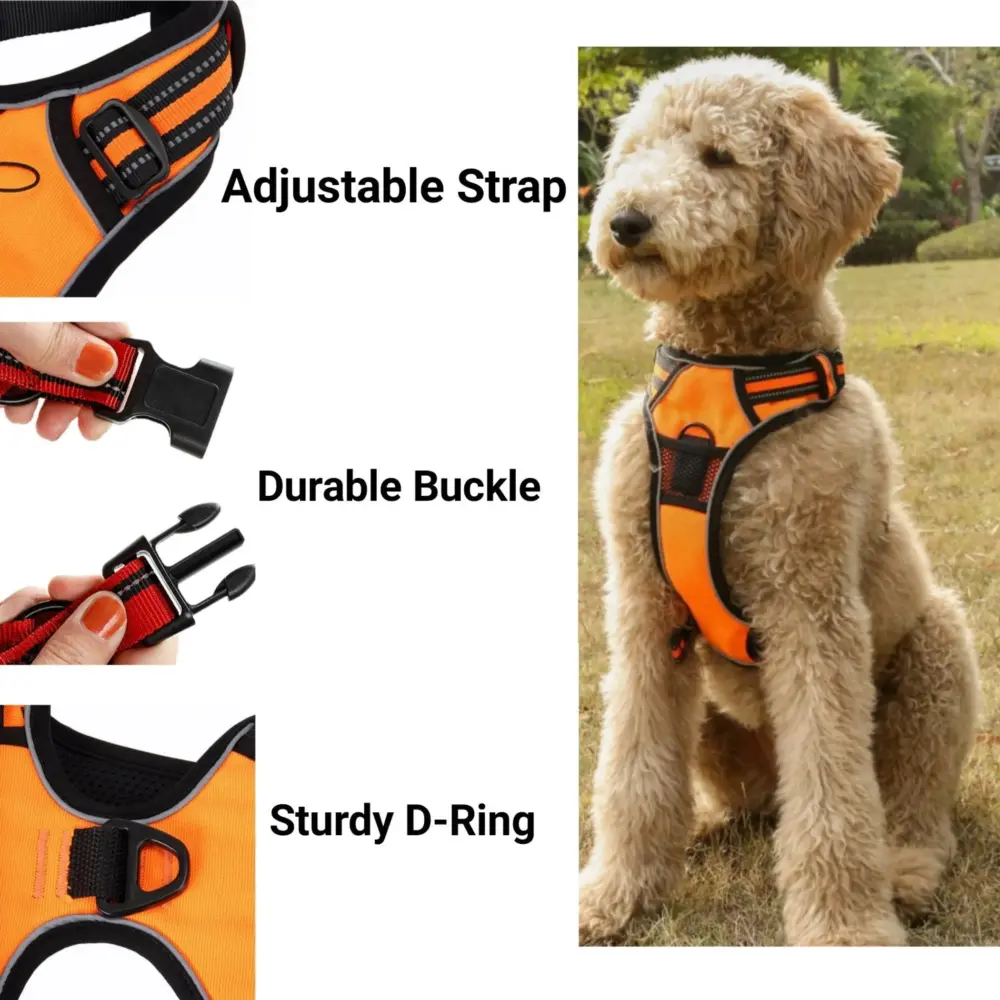
Mr. Peanut’s
PetTrek Padded Harness and Leash Set, Choose size & color
Price range: $24.95 through $26.95
Why it fits: A harness and matching leash to hang by the door; the padded harness spreads a sudden lunge across the chest, not the neck. Sizes XS to L.
-
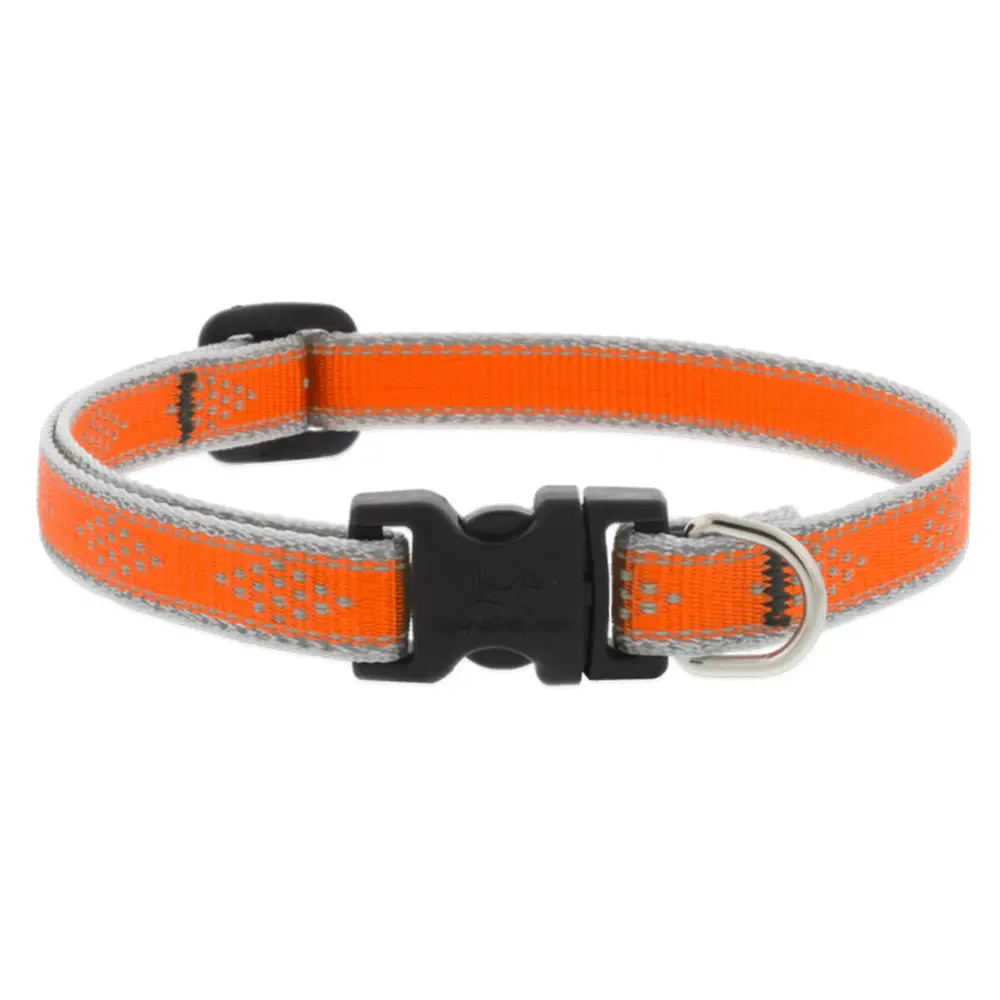
Lupine Pet
Reflective Dog Collar, Choose size & design
Price range: $22.95 through $28.95
Why it fits: An everyday ID collar to leave on at home; a strong D-ring holds the tags, and reflective threads help a loose dog stand out at dusk.


How to teach a threshold wait, step by step
These steps follow the AKC’s door-darting method: a sit as you reach for the door, held while it opens, then a release word that lets your dog follow you out. Keep sessions to a few minutes and end on a success.
What you need
- A harness and leash on for every rep at an outside door, so a slip stops at the end of the leash, not in the street.
- Small, soft treats your dog loves, counted toward the day’s food.
- A release word such as “okay” or “free,” used only to mean “you can go now.”
- A low-stakes door to start on, such as a bedroom door.
- Get ready as usual. At an inside door, with your dog on leash, pick up your keys. Reward your dog for staying with you instead of rushing to the door.
- Ask for a sit as you reach for the handle. If your dog holds it while you touch the handle, reward. If they pop up, take your hand away and ask again.
- Open a crack, then close it. Open the door an inch. If your dog stays seated, close it and reward. If they move toward the gap, close it gently and try again; no scolding needed.
- Widen the gap over several sessions. Build up a few inches at a time until the door swings fully open while your dog holds the sit.
- Step through and come back. Walk over the threshold, step straight back in and reward your dog where they sit. On later reps, pause on the far side for a few seconds before you return.
- Release, then go together. Open the door, step out, say your release word and let your dog follow. Reward them beside you, so the good part happens next to you.
- Move to the front door. Restart from step 2, leash on, and expect to drop back a stage. The AKC’s doorway advice is to take a few steps back at every new door.
- Ask every time. From now on, ask for the wait whenever anyone takes your dog out, not just in practice. Every dash that pays off undoes some training.
Tip
Sit, down or stand all work. The AKC describes a wait as “hold on a moment” rather than a fixed pose: what matters is that all four paws stay on your side of the threshold until the release word.
Every door, every person
A dog who waits at the front door for you may still shoot out the back door. Practice at each outside door, and have everyone in the house run a few sessions with the same cue and release word. Then add distractions one at a time: a helper on the step, a toy on the porch, a passing dog.
The doorbell: a go-to-your-bed routine
Visitors are harder: your dog hears the bell before you reach the handle, and the person on the step is exactly what they want. The AKC suggests giving the bell a new meaning: going to a bed, crate or back room, where your dog is rewarded while you answer.
- Pick the station. A bed or mat several strides from the entry, out of the walkway and ideally out of sight of the door. A dog frightened of visitors does better in a closed room.
- Teach the cue. Toss a treat onto the bed and say “bed” as your dog steps on. Reward lying down there, then staying a few seconds longer each time.
- Send from farther away. Ask from across the room, then from the hallway, then from beside the front door, rewarding on the bed every time.
- Add the bell. Have a helper knock or ring while you stand near the bed. Say “bed” right after the sound and reward there. Over many repeats, the bell starts to send your dog to the bed.
- Add the door. After the cue, walk toward the door and come back to reward. Build up to opening it while your dog stays put, with the gate or leash still in place.
- Rehearse a real arrival. A friend rings, steps in and shuts the door while you reward your dog on the bed. Release your dog to say hello once the door is closed.
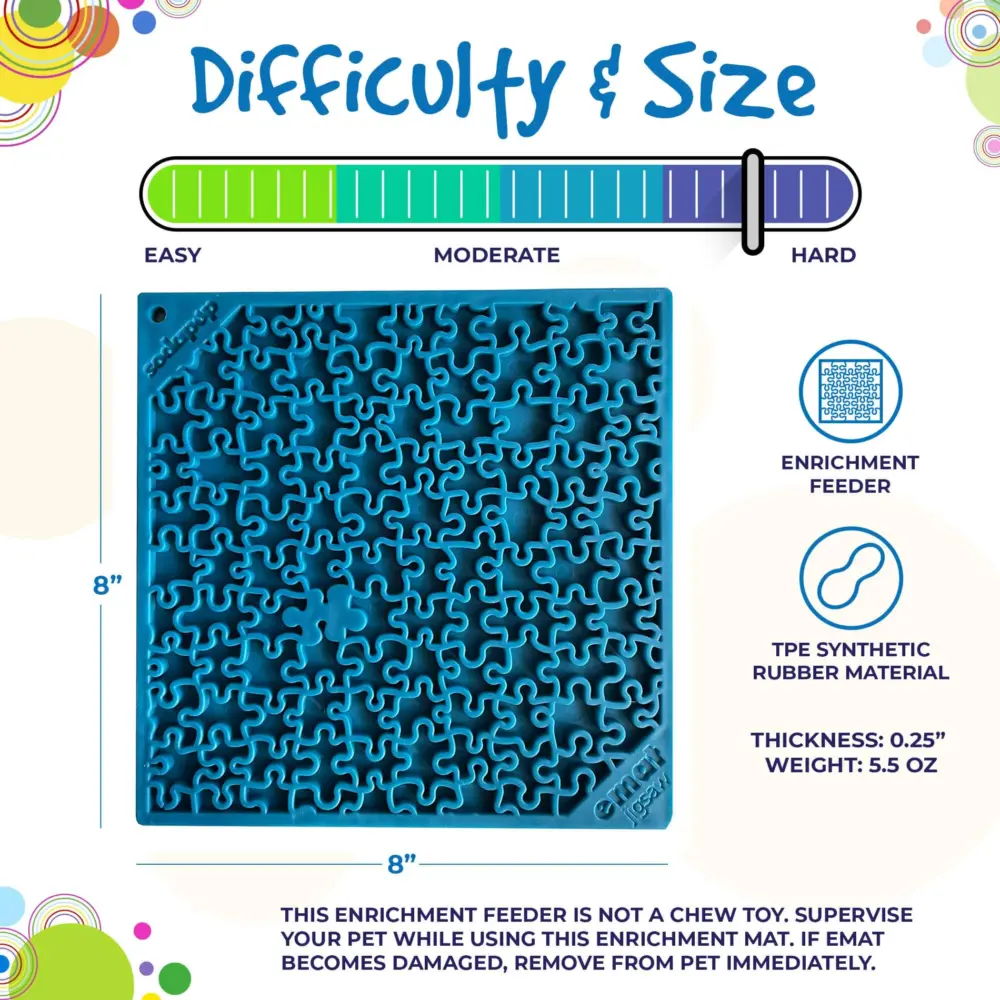
For real arrivals, keep a lick mat spread with wet food or xylitol-free peanut butter in the freezer and set it on the bed as you head for the door, so your dog has a job on the station while you deal with the visitor. Lift it once it’s licked clean so it doesn’t become a chew. For a larger dog, any bed or mat they like will do if it doesn’t slide when they land on it.
-
SodaPup
Jigsaw Enrichment Lick Mat for Dogs & Cats, Choose color
$25.95
Why it fits: A doorbell reward to spread and freeze ahead of time, then set on the bed as you open the door; dishwasher safe, for dogs of all sizes.
-
Armarkat
Ultra-Plush Cuddler Bed for Cats & Small Dogs, Choose size
Price range: $55.95 through $72.95
Why it fits: A station bed for a small dog; the skid-free base helps it stay where you put it, and the raised rim gives a place to rest their head.


Deliveries, guests and kids at the door
Deliveries. Most packages are simply left at the door, so wait until the driver has gone, then bring yours in with your dog leashed, gated or in another room. If you must sign, use the bed routine or close your dog in a room first. A delivery note asking drivers not to ring means fewer bells in a day.
Guests. Ask visitors to text when they arrive so you can leash or gate your dog first, and let your dog say hello only once the door is shut. Guests leaving and doors left ajar for the next arrival are when dogs slip out, so for a party, a quiet room with a closed door is simpler; our Halloween safety tips for dogs cover the busiest door night of the year. Contractors and movers prop doors open for hours, so see home renovation with pets before work starts.
Kids. Children run in and out, hold the door for friends and forget to look down. Rather than making a child responsible for the dog, set things up so a forgotten door doesn’t matter: a gate or closed inner door while kids are playing in and out, and screen doors that latch.
Share the house with a cat too? Cats need a different plan, set out in how to stop a cat from running out the door.
Mistakes and troubleshooting
Habits that keep the dashing going:
- Releasing a dog who is creeping forward. That rewards the creep; ask again and wait for stillness.
- Skipping the release word “just this once.” A rushed morning still counts as practice.
- Making the entry the party spot. Big greetings and games at the door make it the most exciting place in the house. Say hello a few steps inside.
- Dropping management too soon. Skipping the leash because the wait works on quiet days invites a dash on a busy one.
- Scolding or yanking the leash after a dash. It adds stress at the door without teaching what to do instead. Reset calmly and make the next rep easier.
If the wait isn’t holding:
- Your dog surges as you touch the handle. The handle has become the start signal. Touch it, jingle the keys or put on your shoes, then sit back down, until your dog stops reacting.
- It works for you but not for others. Each person needs their own practice sessions.
- It falls apart with a visitor at the door. Go back to the bed routine with a helper, and keep the leash on for real arrivals for now.
- Your dog squeezes past when you come home. Leave them behind a gate or in another room while you’re out, so you can step in and close the door before the greeting.
If your dog gets out: stay calm and don’t chase
The AKC’s advice for a dog who gets loose is not to chase: many dogs see it as a game, or feel pressured, and run farther. Call once in a cheerful voice, crouch or turn your back, and offer what your dog loves, such as treats, a toy or the words that usually mean a car ride. Once your dog is close, clip the leash on calmly rather than grabbing the collar, and praise them even if your heart is pounding: a dog scolded for coming back has less reason to come back next time.
If your dog is out of sight within a minute or two, switch to a search: what to do if your dog or cat is lost has the first-hour plan and who to call. Once your dog is home, work out exactly how they got out and fix that first.
When to call a trainer or veterinarian
Most door dashing improves with management and practice. Bring in help if:
- your dog still bolts at most openings after several weeks of consistent work;
- your dog barks, lunges or growls at visitors, or you worry about a bite at the door. Work with a certified trainer, and keep your dog in another room for visits until then;
- the bolting looks like fear: trembling, hiding, or running from noises rather than toward something;
- your dog tries hardest to get out when left alone. The ASPCA lists escape attempts while alone as a possible sign of separation anxiety and advises a veterinary visit first to rule out medical causes;
- the behavior is new, especially in an older dog. Any sudden change is worth a veterinary check.
Choose a trainer who teaches with rewards, not punishment. Until the new habit holds, the leash, the gate and the ID collar keep doing the work.
Related guides
-
How-to
How to Keep a Dog Calm and Safe During Fireworks
A fireworks plan for the Fourth of July and New Year’s Eve: ID and harness checks, an early walk and dinner, a quiet den, a licking job, how to comfort a scared dog, practice for next year, cats, and when to call your veterinarian.
-
Checklist
What to Pack for Dog Boarding: A Checklist for the Kennel or Sitter
What to send with your dog to a boarding kennel or a sitter’s home, in the order it matters: vaccine records and the facility’s rules, meals portioned and labeled, medications with written doses, ID that reaches someone nearby, comfort items, and what to check at pick-up.
-
Checklist
Adopting a Senior Dog Checklist: What to Ask, Buy and Set Up
Adopting an older dog from a shelter or rescue? Ask the right questions before pickup, buy less than you would for a puppy, set up a quiet corner with easy footing, and arrive at the first vet visit with the records that matter.