Seasons & Gifts How-to
How to Keep a Dog Calm and Safe During Fireworks
Short answer
Walk and feed your dog while it’s still light, then keep them in an interior room with the curtains closed, background sound on and a lick mat or chew, with you nearby. Keep their ID tag on and outside doors shut, as scared dogs may bolt. If fireworks panic your dog, see your veterinarian before the next holiday.
Prepare a few days ahead
A frightened dog’s first instinct is often to run. Sort out ID, fit and fences a few days ahead, while your dog is calm and there’s still time to fix what you find.
- An ID tag with your current phone number, on a collar your dog keeps on indoors. A dog can slip out of the house as easily as off a walk.
- Microchip details checked. Make sure the registry has your current number.
- A harness that fits snugly, tested on a calm walk first: two fingers under each strap and no room to back out. Our guide to measuring a dog for a harness shows where to measure.
- A leash by the door for every trip outside that night.
- A walk along the fence. Look for gaps, loose boards, spots your dog could dig under and gates that don’t latch.
- A den, set up early, so it’s familiar before the noise starts (more below).
- Someone at home. If you’re going out, ask a person your dog knows well to stay with them.
Plan for more than one night: around the Fourth of July and New Year’s Eve, fireworks can start days early and carry on after.
Safety note
Don’t leave your dog outside during fireworks, even in a fenced yard, and don’t bring them to a display. The AKC’s advice on keeping a dog calm during fireworks is clear on both and recommends a leash even in a fenced area. A panicking dog can find a way over, under or through a fence you trust.
Two pieces from our walking gear cover the ID and the fit; like every pick on this page, they’re limited to what Nilosi carries. Order early enough to try the fit on a few calm walks before the night (see our shipping times).
-
Lupine Pet
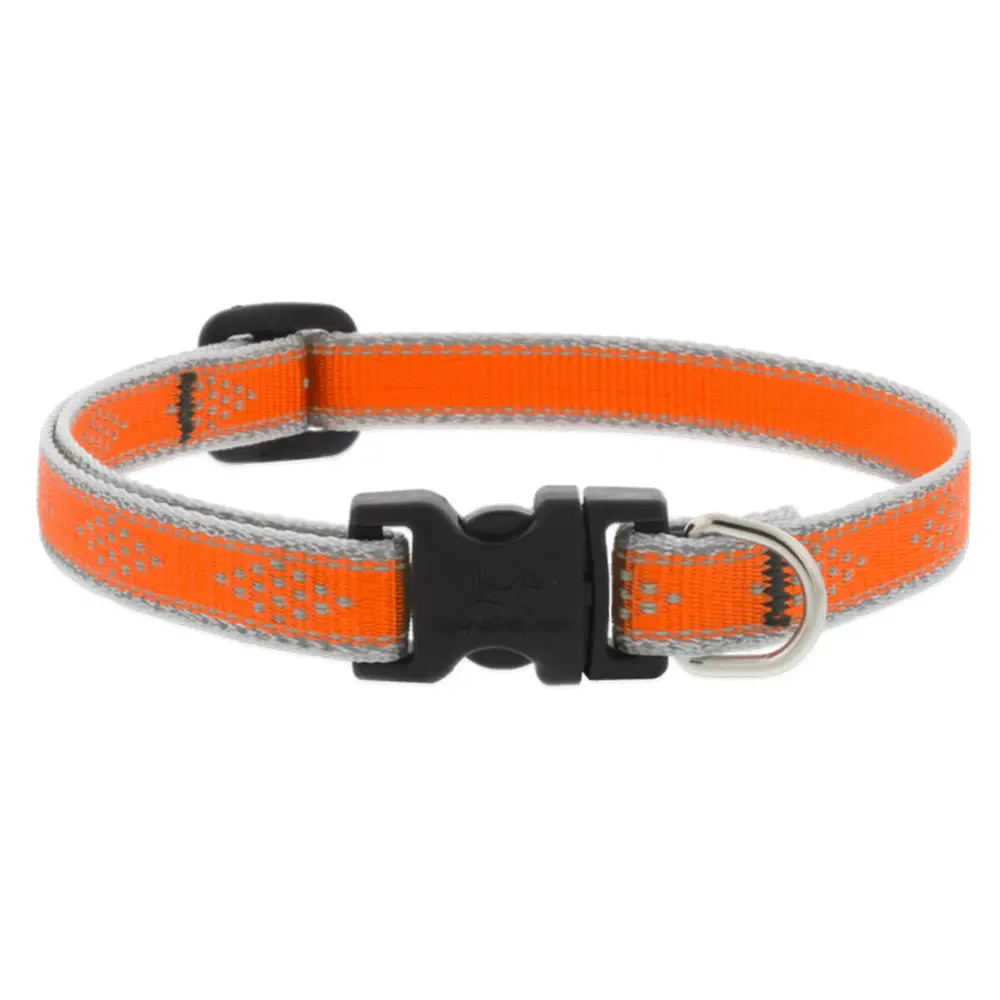
Reflective Dog Collar, Choose size & design
Price range: $22.95 through $28.95
Why it fits: An ID collar to leave on indoors all evening; a strong D-ring holds the tags, and woven reflective threads show up in headlights. Tiny to XXL.
-
Mr. Peanut’s
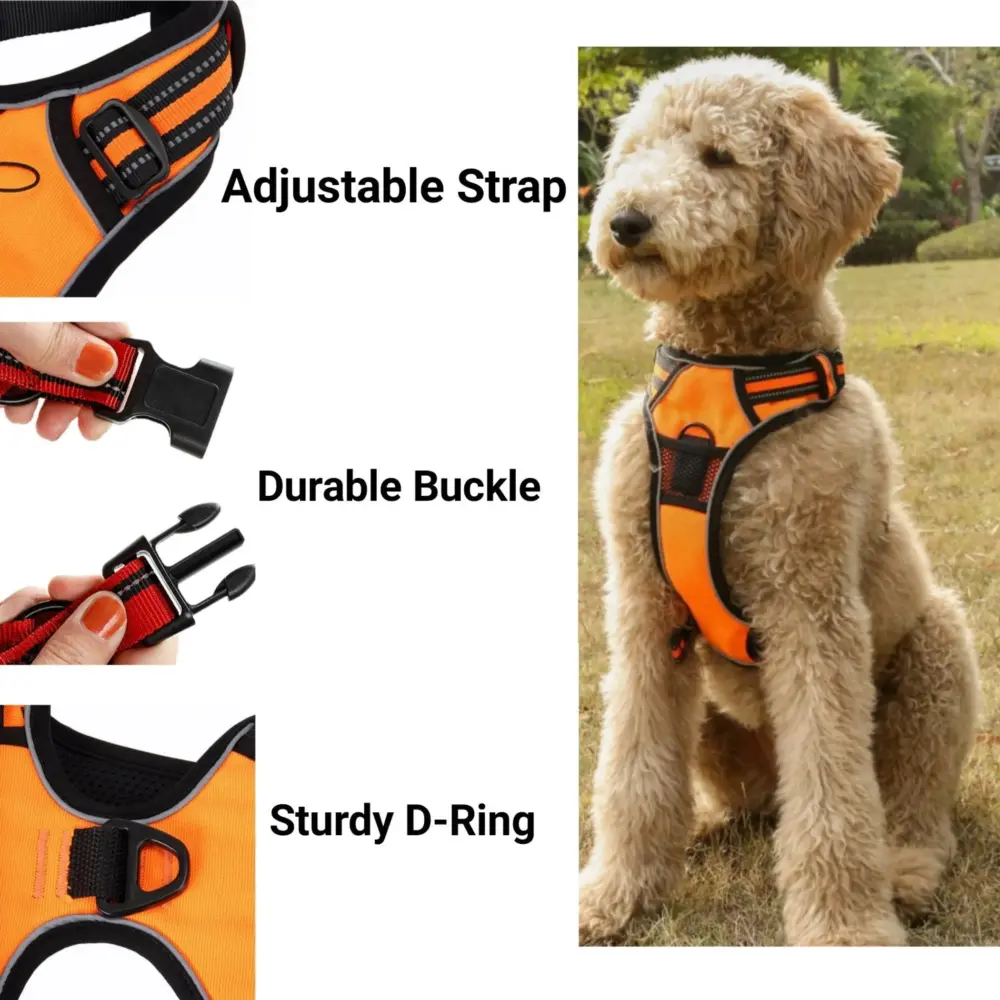
PetTrek Padded Harness and Leash Set, Choose size & color
Price range: $24.95 through $26.95
Why it fits: A padded harness and leash set for bathroom breaks during the noise, with adjustable straps for a snug fit. XS to Large only.


Fireworks day, step by step
- Walk long and early. Get the main walk, a game of fetch or a long sniff done in daylight. The AKC suggests heading out before the sun sets, your best chance of finishing before the first bangs.
- Serve dinner early. Feed an hour or two before dusk. VCA notes that fear shuts down appetite, so a dog who isn’t fed until the noise starts may not eat at all.
- Take the last bathroom break before the bangs start, on the harness and leash, then come straight back in. On New Year’s Eve, fit in a quick extra one late in the evening, before midnight.
- Close up the house. Shut windows, outside doors and pet doors, draw the curtains and bring any outdoor pets inside.
- Start the background sound early. Turn on the fan, music or TV in the den before the fireworks begin, so the first bang lands on familiar noise rather than silence.
- Hand over the job when the bangs start: a loaded lick mat or a favorite chew. Sit nearby, read or watch TV, and keep your own mood easy.
- Guard the door. Keep your dog behind a closed inside door, or on a leash, whenever an outside door opens for guests, deliveries or kids running in and out.
- Clear the yard in the morning. Pick up spent fireworks before your dog goes out; the ASPCA warns they contain chemicals and heavy metals. If your dog eats any, call your veterinarian or the ASPCA Animal Poison Control Center.
Hosting? A closed door between your dog and the party beats watching the front door all night. The quiet-room routine in our Halloween safety tips for dogs works for any party, and our guide to stopping a dog darting out the door covers gates and door habits.
Set up a quiet den
Notice where your dog goes on a stormy or noisy night: the bathroom, under a desk, a closet, the gap behind the couch. That’s where they feel safest, so build the den there if you can. Otherwise, choose an interior room away from windows, as VCA’s guide to noise fears in dogs recommends; the ASPCA suggests a room with no windows at all. A bathroom, laundry room, walk-in closet or basement often works.
- Hide the flashes. Close the curtains or blinds, which VCA suggests to cut down on what your dog sees, and leave a lamp on so bursts of light don’t stand out in a dark room.
- Muffle the bangs. White noise or a noisy bathroom exhaust fan, as VCA suggests, or soft music, which the ASPCA says can help. A steady, comfortable volume is enough.
- Make it comfortable. Their usual bed or a blanket that smells of home, a bowl of water and a favorite toy.
- Use a crate only if it’s already a happy place. The AKC says to use one if that’s where your dog feels safe. Leave the door open, and don’t introduce a new crate on fireworks night.
- Allow a hiding spot. If your dog wants to squeeze under something, let them; a blanket over a table or an open crate makes a cover.
For a small dog, a bed with a raised rim, like the cuddler below, gives them something to press against inside the den. Our guide to whether calming dog beds work is frank about the limits, though: a bed can anchor the den, but it doesn’t make the noise any less frightening.
Something to do while the noise lasts
Licking and chewing are slow, absorbing jobs, and a long one can carry a dog through the loudest stretch. Load a lick mat the day before with a thin layer of wet food, plain yogurt or xylitol-free peanut butter pressed into the grooves, then freeze it so it lasts longer. Our guide to what to put on a lick mat has more spreads and the foods to leave off.
Stay with your dog while they work on it, since a lick mat is for licking, not chewing, and have a familiar chew ready for when it’s licked clean.
-
SodaPup
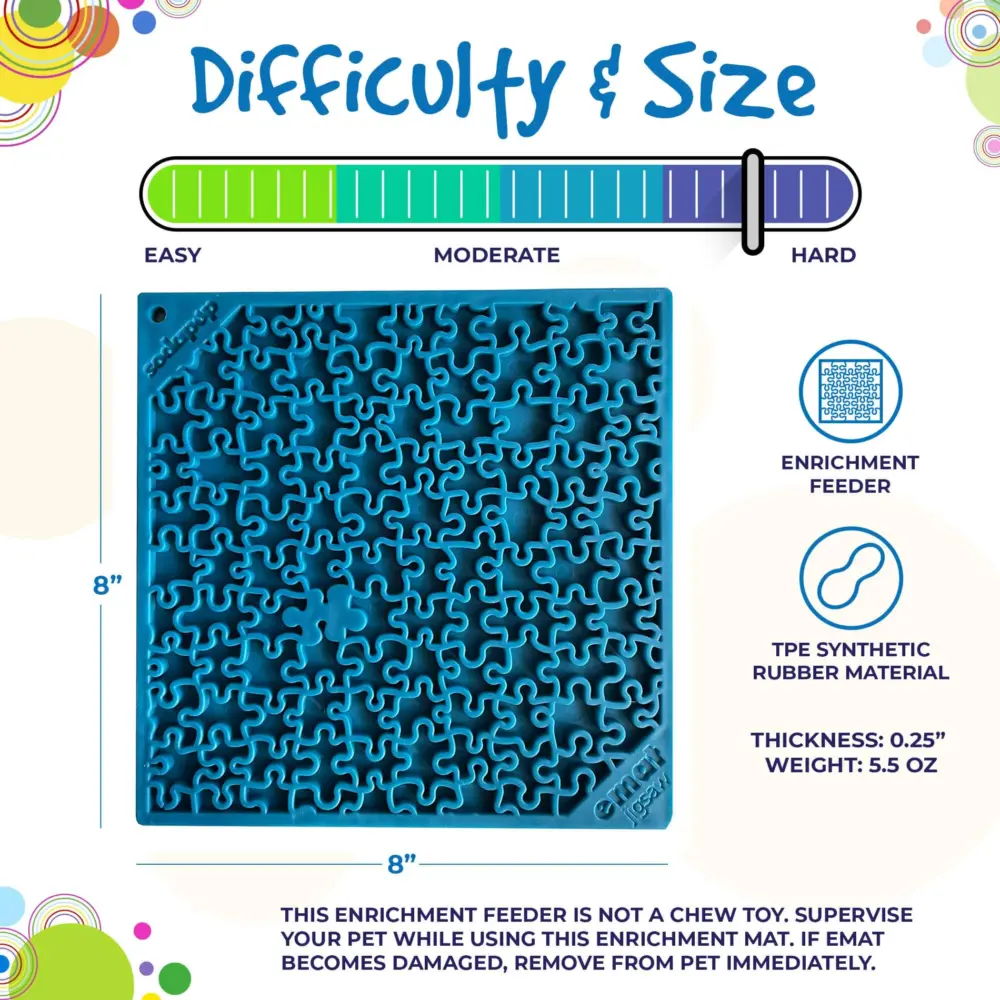
Jigsaw Enrichment Lick Mat for Dogs & Cats, Choose color
$25.95
Why it fits: A long licking job for the loudest stretch; fill and freeze the jigsaw grooves the day before, and stay close. Dogs of any size and cats.
-
Armarkat
Ultra-Plush Cuddler Bed for Cats & Small Dogs, Choose size
Price range: $55.95 through $72.95
Why it fits: A den bed with a raised rim to lean on, for cats and small dogs only, with a skid-free, water-resistant base. Small is 22 x 22 x 8 in.


Comforting a scared dog, and what to avoid
Go ahead and comfort a frightened dog. The AKC says you can and should comfort a dog who is afraid, and VCA says it’s fine to pet them gently or let them sit close to you. Keep it calm: your normal voice, slow, steady strokes if your dog leans in, and no anxious fussing, which VCA’s guide to fears, phobias and anxiety advises against.
If your dog can still focus, a few easy tricks or a gentle game can pass the time. If they’d rather hide, let them.
What to avoid
- Scolding or punishing. VCA warns that punishment causes fear and is likely to make the reaction to noise stronger.
- Dragging your dog out of a hiding spot, or holding a dog who is struggling to get away.
- Taking them to the porch or a window to show them it’s nothing.
- Leaving them somewhere unfamiliar, such as a parked car or a friend’s house.
- Trying something new on the night. A new crate, wrap or calming product is one more strange thing, so introduce it on quiet days first.
- Giving medicine meant for people. Never give your dog a sleep aid, sedative, supplement or any other medication without your veterinarian’s advice.
VCA notes that body wraps, such as snug anxiety vests, may promote calm. If you want to try one, fit it on calm days first so it feels ordinary before the noise. We don’t sell them.
Troubleshooting on the night
- Your dog won’t eat or lick. That tells you how frightened they are. Put the food away for now, turn the background sound up a little, move farther from windows if you can and stay close.
- They won’t stay in the den. Let them choose. If your dog wants to be under your desk or pressed against your legs, bring the bed and water to them.
- They need to go out mid-show. Harness and leash on, the nearest patch of grass, straight back in. Wait for a lull if your dog can.
- They pant, pace or tremble for hours, or scratch and chew at doors and windows. Stay with them, keep them out of rooms with outside doors or low windows, and plan a veterinary visit before the next fireworks night.
- They got out. Don’t chase, which can push a scared dog farther away. Our guide to what to do if your dog or cat is lost covers the first hour, who to call and how to get a frightened dog home.
- They’re jumpy the morning after. Keep walks short and close to home, and watch for debris on sidewalks.
Getting used to the sound, gradually
The night plan manages fear without changing it. To make next year easier, start well ahead with desensitization (very gradual exposure to the sound) and counterconditioning (pairing it with something your dog loves). VCA’s introduction to the method says it can take hours, weeks or months, depending on how strong the fear is. For moderate or strong noise fear, VCA advises working under the direction of a qualified animal behaviorist or a skilled positive-reinforcement trainer, so the sound stays at the right level.
- Pick a quiet stretch weeks or months before the next holiday, with no fireworks or storms expected.
- Find a fireworks recording and play it so softly that your dog notices but stays relaxed. The AKC lists panting, pacing, leaving the area and trying to hide as signs it’s too loud.
- Pair the sound with good things. While it plays, feed small, tasty treats or play a favorite game. When it stops, the treats stop.
- Keep sessions short and regular. VCA recommends practicing at least twice a week, daily if you can. End while your dog is still relaxed.
- Turn it up slowly. Raise the volume a notch only after a couple of easy sessions, then try other rooms and times of day. Change one thing at a time.
- Back off at the first sign of stress. Panting, trembling, barking, getting excited or trying to leave means end the session and make the next one easier.
If your dog reacts even to a quiet recording, or progress stalls, stop and ask your veterinarian for help or a referral.
Thunderstorms need more than a recording
The same steps help with thunder, but a recording covers only the sound, not the wind, rain and flashes of a real storm. Keep the den ready through storm season and close the blinds when storms are forecast. VCA notes that medication can be used for triggers you can’t avoid, like thunder, and that each frightening exposure can make future reactions stronger, a good reason to involve your veterinarian early.
Cats and fireworks
Cats tend to hide when frightened rather than come to you, and an indoor cat who slips out on a loud night can be hard to find. The ASPCA advises keeping cats indoors during the height of the fireworks, so bring outdoor cats in before dusk and lock any cat flap.
- A quiet room with the litter box, water, food and a bed, so your cat doesn’t have to cross the house.
- Hiding places high and low: a covered bed, a box on its side, a cleared shelf or the top of a cat tree.
- Curtains closed and steady background sound, as for a dog.
- No coaxing out. Check in quietly and let your cat come out in their own time.
- ID on: a breakaway collar with a tag, and current microchip details.
Our GOOPAWS 4-in-1 Self-Warming Cat Cave Bed can be set up as a cave, giving your cat a covered spot to tuck into, and the Armarkat cuddler above suits cats as well.
When to talk to your veterinarian
Talk to your veterinarian if your dog:
- panics, with the extreme agitation, escape attempts or destructive behavior that VCA describes as a phobic response;
- hurts themselves or breaks through doors, windows or a crate;
- is still unsettled the following day;
- has started to fear more sounds or more situations;
- is a senior with a new fear of noise. VCA advises that dogs 8 years and older who develop a fear of noises be examined for a medical cause.
Your veterinarian can rule out pain and other medical causes, discuss whether anti-anxiety medication could help and refer you to a board-certified veterinary behaviorist if needed. If medication is part of the plan, ask how far ahead to give it and whether to try it on a quiet day first, so you know how your dog responds. Book the visit weeks before New Year’s Eve or the Fourth of July, not the afternoon of.
Tip
Keep notes this year: when the bangs started, where your dog went, what they did and how long they took to settle. A short phone video helps too, and gives your veterinarian far more to go on than a description from memory.
Related guides
-
How-to
How to Stop a Dog Darting Out the Door: Manage Now, Train a Wait
A dog who bolts through the door can get lost or hit by a car. Manage the door from tonight with a leash, a gate and ID, then teach a threshold wait and a go-to-your-bed doorbell routine, plan for guests and deliveries, and know what to do if your dog slips out.
-
Checklist
What to Pack for Dog Boarding: A Checklist for the Kennel or Sitter
What to send with your dog to a boarding kennel or a sitter’s home, in the order it matters: vaccine records and the facility’s rules, meals portioned and labeled, medications with written doses, ID that reaches someone nearby, comfort items, and what to check at pick-up.
-
Checklist
Adopting a Senior Dog Checklist: What to Ask, Buy and Set Up
Adopting an older dog from a shelter or rescue? Ask the right questions before pickup, buy less than you would for a puppy, set up a quiet corner with easy footing, and arrive at the first vet visit with the records that matter.