How Cold Is Too Cold to Walk a Dog? Signs to Head Home and a Winter Walk Plan

How cold is too cold to walk a dog? There is no single number for every dog, but freezing is the line to change your plans: the American Kennel Club says dogs are at risk of frostbite once the temperature drops below 32°F. Below that, keep walks short and close to home, especially with a small or short-haired dog, a puppy or a senior, and turn back as soon as your dog shivers, lifts a paw or slows down.
Short answer: watch your dog, not just the thermometer
Wind, wet fur, ice and your dog’s size and coat all change how cold a walk really is. A quick guide:
- Above freezing and dry: most healthy dogs can take their usual walk; small or thin-coated dogs may want a coat in wind or drizzle.
- Around or below 32°F: shorter walks, a coat for dogs who feel the cold, and a paw check for salt and ice.
- Bitter cold, strong wind, freezing rain or icy sidewalks: quick bathroom trips, then play indoors.
- At any temperature: head home at the first sign of discomfort (signs below).
What makes cold harder for some dogs: size, coat, age and wind
Walking a dog in cold weather is harder on some dogs than others. What tips the balance:
- Size. Small and toy dogs have less body to hold heat, and short-legged dogs carry their bellies close to cold pavement and snow.
- Coat. Short or thin coats, lean breeds such as Greyhounds and Whippets, and fresh clips give little insulation. Thick double coats cope far better, though paws, ears and tail stay exposed.
- Age and health. Puppies and seniors have a harder time holding their body temperature, and stiff joints make icy footing riskier. If your dog has a health condition, ask your veterinarian how long winter walks should be.
- Wind and wet. Wind strips warmth from the fur and a damp coat insulates poorly, so check the wind chill and dry your dog before you head out.
- Pace. A trotting dog makes its own heat; standing still is when the chill sets in.
How cold is too cold to walk a dog? Below freezing, and the signs it’s time to head home
In the American Kennel Club’s guide to whether dogs can get frostbite, AKC Chief Veterinarian Dr. Jerry Klein says dogs are at risk once the temperature falls below 32°F, with small dogs, short-haired dogs, puppies and seniors at the biggest risk. Paws, ears and tail are the most common trouble spots, and because frostbite can start in as little as 30 minutes, the AKC advises keeping winter walks short when possible.
The ASPCA’s cold weather safety tips add a simple test: if it’s too cold for you, it’s probably too cold for your pet. Neither sets a limit by size or breed, so below freezing, let your dog’s behavior set the length of the walk. Turn for home when you see:
- Shivering or trembling.
- Lifting paws, or holding one off the ground.
- Slowing down, stopping or refusing to go on.
- Pulling toward home, or pressing against your legs for shelter.
- A hunched back, a tucked tail or whining.
Once home, towel your dog dry somewhere warm. If shivering doesn’t settle, or your dog seems weak, unusually sleepy or unsteady, call your veterinarian, as these can be signs of hypothermia. Skin on the ears, tail or paws that looks pale, gray or bluish, or hurts to touch, can mean frostbite: don’t rub it or warm it with a hair dryer or heating pad, and call your veterinarian right away.
A winter walk plan: shorter, split and in the sunniest hours
Most winter dog walking tips come down to one idea: the same exercise and sniffing, in smaller doses.
- Check the forecast for wind chill, freezing rain and ice, not just the temperature.
- Move the main walk to midday. Late morning to mid-afternoon is usually the warmest, brightest part of a winter day. Keep early and late outings to quick bathroom trips.
- Split one long walk into two or three short ones. For a small or short-coated dog on a freezing day, a 10- to 15-minute outing is a sensible start. Lengthen it only if your dog stays relaxed and warm.
- Stay close to home. Circle the block so you are never far from warmth if your dog starts to shiver.
- Make up the rest indoors. A find-it game or a short trick session burns energy without the cold; see our indoor games for dogs on cold, dark or rainy days.
Do dogs need coats in winter? Who benefits most
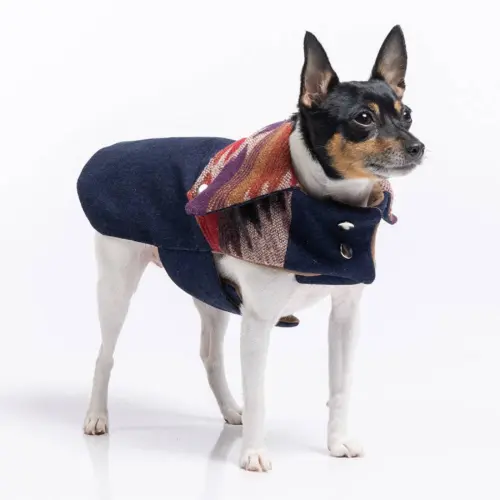
Not all of them. A thick-coated, cold-hardy dog may simply get too warm in one. A coat helps small, short-coated, lean and short-legged dogs, freshly clipped dogs, puppies and seniors. The AKC says a coat, sweater or boots can help reduce frostbite risk, but a coat is no reason to stay out longer or to leave a dog outside alone. Fit matters more than style:
- It covers the back from the neck to the base of the tail, plus the chest and belly.
- The legs move freely, and nothing rubs under the front legs.
- It stays put without twisting, with room for two fingers under the straps.
Measure first with our guide on how to measure a dog for a harness, collar or coat, and introduce the coat at home with treats. A damp coat chills rather than warms, so let it dry fully between walks. For the hours after the last walk, see how to keep a dog warm at night indoors.
The DCNY Ranch Dog Coat comes in small-dog sizes XXS, XS, Small and Medium, with wide hook-and-loop closures at the chest and belly for quick dressing at the door. XXS and XS have a built-in leash clip; Small and Medium have a harness opening. Of its three styles, Sherpa Lined Denim has a sherpa lining. Machine wash it on a gentle cycle and lay it flat to dry. See more dog clothes.
-
Doggie Couture NY
DCNY Ranch Dog Coat
$72.95
Dark winter evenings: being seen after the clocks change
Once the clocks go back on the first Sunday in November, the after-work walk happens in the dark for the rest of winter. In 2026, Halloween is the night before; our Halloween safety tips for dogs cover that evening, and our seasonal guides the holidays after it. Winter adds three problems to the usual after-dark routine:
- Ice you can’t see. Black ice and frozen ruts are hard to spot after dark. A headlamp or flashlight shows them and helps drivers see you, too.
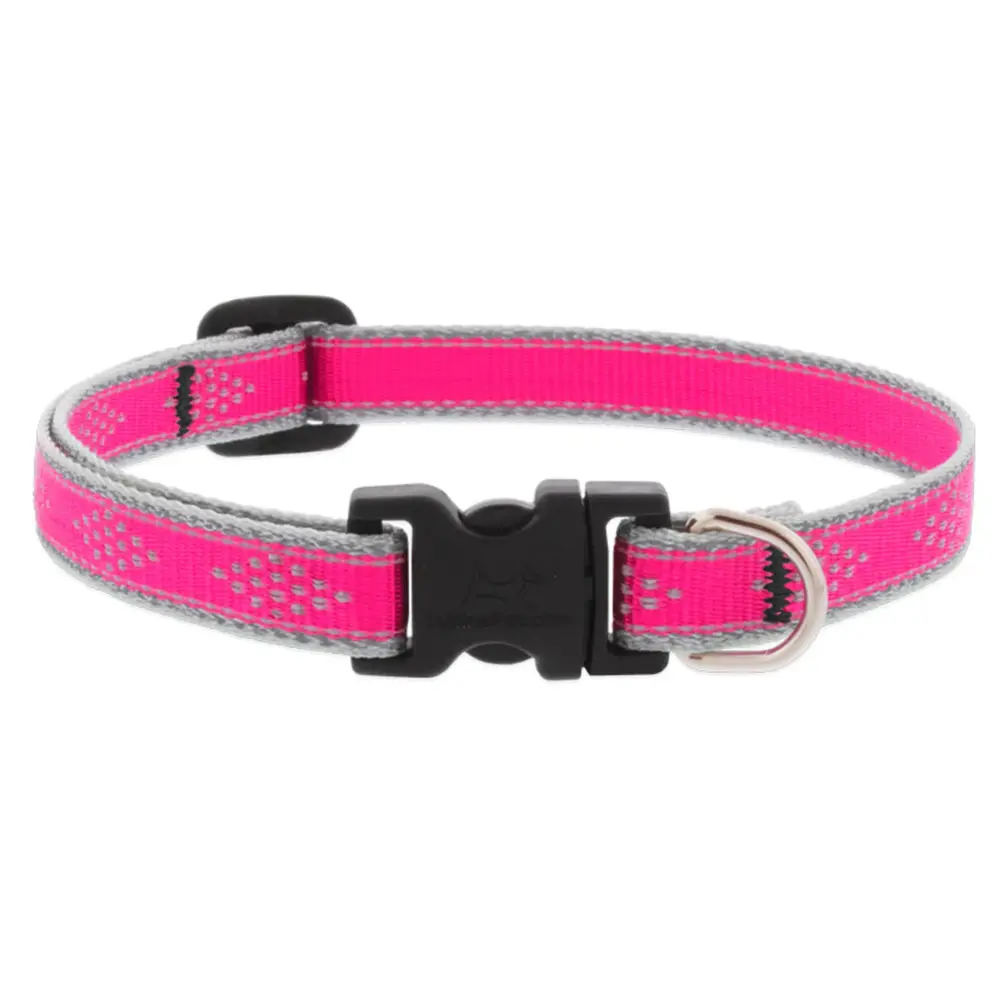
- Gear hidden under the coat. Reflective material only works on the outside, so check that the collar, ID tags and any reflective harness trim still show once the coat is on.
- Narrower streets. Snowbanks squeeze sidewalks and shoulders. With no sidewalk, keep to the edge facing oncoming cars, with your dog on the side farthest from traffic.
The Lupine Pet Reflective Dog Collar has reflective threads woven into the pattern rather than printed on top, a strong D-ring for the leash and ID tags, and adjustable sizes from tiny dogs through XXL. Our dog walking essentials checklist covers the rest of the after-dark kit.
Ice, road salt and paws
On the walk
- Pick snowy grass or cleared paths over heavily salted sidewalks.
- If your dog lifts a paw, check between the toes for packed ice balls. The ASPCA suggests trimming long fur there to cut down on clinging ice and salt.
- Keep your dog leashed on snow and ice, and stay off frozen ponds and lakes, which can give way without warning.
- Avoid slush and puddles in driveways and parking lots, where ice-melt and antifreeze collect. The ASPCA warns that antifreeze is lethal for dogs and cats; if your dog may have licked some, call your veterinarian or an animal poison control center now.
Back at the door
The ASPCA recommends washing and drying your dog’s feet and belly after each winter walk to remove ice, salt and chemicals, which can irritate pads and get licked off later. A lukewarm rinse, then a thorough dry between the toes, does the job; our guide to cleaning dog paws after a walk has the full routine.
The Bark Fifth Avenue Fabulous Paws Dog Paw Cleaner Cup speeds up the rinse: add a little water, slip in one paw, twist, then pat dry. Its soft silicone bristles help lift ice-melt salt, sand and mud from between the pads. It comes in Small, Medium and Large, in Blue or Green. If pads look cracked or sore, or your dog starts limping, ask your veterinarian.
-
Bark Fifth Avenue
Fabulous Paws Dog Paw Cleaner Cup
$31.95
-
Lupine Pet
Reflective Dog Collar
Price range: $22.95 through $28.95


Cold-weather walking FAQ
Is it OK to walk my dog in 20-degree weather?
Many healthy dogs, especially thick-coated ones, manage a short, brisk walk at 20°F, but that is well below the AKC’s 32°F frostbite line, so keep it brief and near home. Add a coat for a dog who feels the cold. If it is also windy or icy, swap the walk for a bathroom trip and indoor play.
How cold is too cold for a small dog?
Small dogs feel the cold first, and the AKC names them among the dogs at the biggest risk below 32°F. Walking a small dog in winter works best as short outings in a well-fitted coat, even above freezing on windy or damp days. Turn back at the first shiver.
Do dogs need boots in winter?
Not all do, but the ASPCA notes that booties can keep sand and salt from lodging between the toes, which helps on salted sidewalks and for feet that ball up with ice. Choose a snug fit and introduce them indoors with treats, a few minutes at a time. Without boots, rinse and dry paws after every winter walk.
How long should a winter walk be?
There is no set time. On freezing days, two or three short walks usually beat one long one, in line with the AKC’s advice to keep winter walks short. Keep deep-snow outings shorter still, and come home sooner if your dog seems uncomfortable.
Related guides
-
Checklist
Fall Safety Tips for Dogs: Acorns, Mushrooms, Antifreeze and More
A fall checklist for dog owners: acorns and fallen nuts, wild mushrooms after rain, antifreeze in the garage, mouse and rat bait, leaf piles, burrs and muddy paws, chilly mornings for small dogs, and who to call if your dog eats something.
-
Checklist
Winter Hiking With a Dog: Checklist for Cold, Ice and Short Days
A winter trail-day checklist: plan a shorter, sheltered route around daylight, keep your dog leashed and off frozen water, pack water that won't freeze and a coat for dogs who feel the cold, check paws for ice balls and salt, and know when to turn back.
-
Checklist
What to Tell Your Dog Walker: A Handover Checklist
Everything a new dog walker needs on one page: where the gear lives and how it goes on, how your dog walks, leash and route rules, medications and treats, emergency contacts, the door routine, weather rules and a first walk together.