
Seasons & Gifts Checklist
Fall Safety Tips for Dogs: Acorns, Mushrooms, Antifreeze and More
Short answer
Most fall dangers for dogs are things they might swallow: acorns and fallen nuts, wild mushrooms after rain, sweet-tasting antifreeze and the rodent bait that goes down as mice move indoors. Keep the leash short where these turn up and lock chemicals away. If your dog eats something, call your veterinarian or a pet poison control line right away.
Fall safety checklist at a glance
Most of these take a few minutes once, then become habit. The sections below explain why each one matters. For Halloween night itself, see Halloween safety tips for dogs, and if you hike on land where hunting is allowed, add our hunting season hiking checklist.
On walks
- A short leash under oak, walnut and pecan trees while nuts are falling
- A practiced “leave it” and “drop it” for acorns, mushrooms and anything else on the ground
- Every wild mushroom treated as off-limits, on trails and on lawns
- Reflective gear and a light once evening walks run into dusk; our dog walking essentials checklist covers the rest
- A warm layer for small or thin-coated dogs on cold mornings
In the yard
- A sweep under nut trees before your dog goes out
- A walk around the lawn and flower beds for new mushrooms after rain
- Leaf piles checked for sticks, tools and fallen nuts before anyone jumps in
- No dog near a leaf fire or the ash afterward
- A tick and burr check after yard work, leaf play and hikes
In the house and garage
- Antifreeze and de-icer in sealed containers on a high shelf
- A look at the garage floor and driveway for drips under the car
- Mouse and rat bait only where your dog can’t go, with the package kept
- Lawn and garden products closed and stored up high
- Your veterinarian, the nearest emergency clinic and a pet poison control line saved in your phone
Acorns and other fallen nuts
Plenty of dogs treat a lawn full of acorns as a bowl of crunchy toys. The AKC’s guide to acorns and other tree nuts explains that acorns contain tannins that are harmful to dogs and can cause severe stomach upset, kidney failure and sometimes death. They are also a choking hazard and can block the intestines. The same guide warns against black walnuts and pecans, and notes that nuts lying on damp ground can grow a mold that is toxic to dogs and can cause seizures.
- Keep the leash short under nut trees. The AKC suggests walking on a leash during acorn season and avoiding ground thick with fallen nuts. A sidewalk on the other side of the street often does it.
- Rake or sweep under yard trees. During a heavy drop, a quick pass before your dog goes out is easier than watching every mouthful.
- Play fetch away from oaks. A ball that lands among acorns invites a dog to pick up both.
- Practice the trade. Teach “drop it” by swapping a treat for whatever is in your dog’s mouth, so giving up an acorn pays better than crunching it.
If you think your dog ate acorns, call your veterinarian right away. The AKC says not to try to make your dog vomit; let the veterinarian decide what’s needed.
Wild mushrooms: treat them all as unsafe
Mushrooms can appear overnight in lawns, mulch beds and along trail edges, especially after a run of wet weather. The ASPCA’s autumn safety tips call fall mushroom season and note that while most mushrooms have little or no toxicity, the few that are highly toxic can cause life-threatening problems in pets. Because no one can sort them reliably at a glance, the AKC’s guide to dogs and mushrooms says veterinarians recommend treating every wild mushroom as potentially toxic and eating one as a veterinary emergency.
Don’t count on your dog’s nose, either. The AKC points out that dogs can’t identify toxic mushrooms by scent, and some toxic species have a fishy smell that can attract dogs.
- Check the yard after rain. Walk the lawn and beds before your dog goes out, pull up any mushrooms with a glove or a bag over your hand, and put them in the trash rather than the compost. New ones often come up after the next rain, so repeat it while the wet weather lasts.
- Steer around them on walks. The ASPCA’s advice is to keep pets away from areas where mushrooms are growing; on a trail, that means a short leash and a steady pace past them.
- Save a sample if your dog eats one. The AKC suggests wrapping it in a damp paper towel, putting it in a paper bag and bringing it to the veterinarian.
Antifreeze and the garage
Fall is when coolant gets topped up and cabins, boats and RVs get winterized, so antifreeze comes off the shelf. Traditional antifreeze is made with ethylene glycol, which tastes sweet to dogs. According to the AKC’s page on antifreeze poisoning in dogs, a small amount can be fatal, and the antidote has to be given within 8 to 12 hours of drinking it. The same page lists windshield de-icers among the products that contain ethylene glycol.
- Store it sealed and high. Keep antifreeze and de-icer in sealed, leak-proof containers on a shelf or in a cabinet your dog can’t reach.
- Clean spills at once, and bin the rags where your dog can’t get to them. Keep your dog out of the garage while you work on the car.
- Look for leaks. The AKC suggests checking your garage and driveway regularly for liquid that has leaked from the car.
- Consider propylene glycol coolant. The ASPCA describes it as much less toxic than other engine coolants, but not entirely free of risk, so store it just as carefully.
- Close the bathroom door and lower the toilet lid if you’ve used antifreeze to winterize the plumbing in a cabin or RV, as the AKC advises.
Safety note
If you even suspect your dog licked antifreeze, go to a veterinarian or emergency clinic immediately. Don’t wait to see whether your dog seems unwell: by the time signs show, the AKC says the outlook is very poor.
Rodent bait, lawn products and snakes
As nights cool, mice and rats look for a way indoors, and the ASPCA notes that rodenticide use rises in fall. These baits are highly toxic to pets and can be fatal if eaten. If you must use them, the ASPCA’s advice is to do so with extreme caution and to put them in places your pets can’t get to.
- Ask before anyone baits. If a pest control company is coming, tell them you have a dog, ask what they plan to use and get a list of where every station goes.
- Keep the label. Pet Poison Helpline explains that the active ingredient can’t be identified from a bait’s color or shape; the label lists the ingredient, its percentage and the EPA registration number. Keep the box, or a photo of it.
- Treat new places as unknown. A relative’s garage, a rental cabin or a friend’s shed may have bait you can’t see, so keep your dog with you until you’ve asked.
- Give bait boxes a wide berth. On walks, keep the leash short past the bait stations that line the walls of apartment buildings, stores and restaurants.
Many lawns also get a last feeding or weed treatment in fall. Read the label for when pets can go back on the grass, and keep your dog off until then. Snakes are a regional risk: the ASPCA notes that bites become more likely as snakes prepare for hibernation, and suggests learning which venomous snakes live near you and where they’re found, so you can keep your dog out of those spots. If your dog is bitten, go straight to a veterinarian or emergency clinic.
Leaf piles, burrs and muddy paws
A fresh leaf pile is one of fall’s best games for many dogs. The trouble is what falls, or gets left, with the leaves.
- Look before the jump. Build piles in the open and check them for sticks, rocks, fallen nuts and mushrooms, and for a rake left lying tines-up.
- Skip the old, soggy piles. Nuts buried in a pile that stays wet are the kind the AKC warns can grow toxic mold, so bag old leaves or move them where your dog can’t dig.
- Stay out of curbside piles. Piles raked into the street for pickup can hide a dog from drivers, and you can’t see what a neighbor’s pile holds.
- Keep well back from leaf fires, and keep your dog away from the ash until it’s fully out.
- Keep up tick checks. The CDC notes that blacklegged tick bites are most likely in spring, summer and fall, and that adults may be out whenever winter temperatures are above freezing. Ask your veterinarian which tick prevention suits your dog.
- Sweep wet leaves off steps and decks, where they turn slick for an older dog.
Fall weeds also go to seed. Pull loose burrs at the door, and for the ones that knot into feathered legs, ears and tails, follow our guide to getting burrs out of dog fur, which also covers when a foxtail needs a veterinarian. Rain and wet leaves mean muddy feet too; our guide to cleaning dog paws after a walk has a door routine, including drying between the pads and toes.
-
Sakabase
Curved Slicker Brush, View product
$39.95
Why it fits: Brushes out tangles after leaf piles and brushy trails; the curved head and fine, firm pins work through mats in medium and long coats.
-
Bark Fifth Avenue
Fabulous Paws Dog Paw Cleaner Cup, Choose size & color
$31.95
Why it fits: Cleans muddy paws at the door after wet fall walks; with a little water and a twist, soft silicone bristles work between the pads.


Colder mornings and darker evenings
Fall mornings can start close to freezing and warm up by lunch, so the first walk of the day is the one to dress for. Small and toy dogs, short or thin coats, puppies and seniors feel the chill sooner, while many healthy dogs with thick double coats are comfortable without a layer. Our guide to how cold is too cold to walk a dog lists the signs that it’s time to head home, such as shivering, lifting a paw or slowing down.
For a small dog who feels the cold, the DCNY Ranch Dog Coat comes in sizes XXS to Medium, including a sherpa-lined denim style, with hook-and-loop closures at the chest and belly. It can go in the washer on a gentle cycle after a muddy walk; take it off once you’re back indoors.
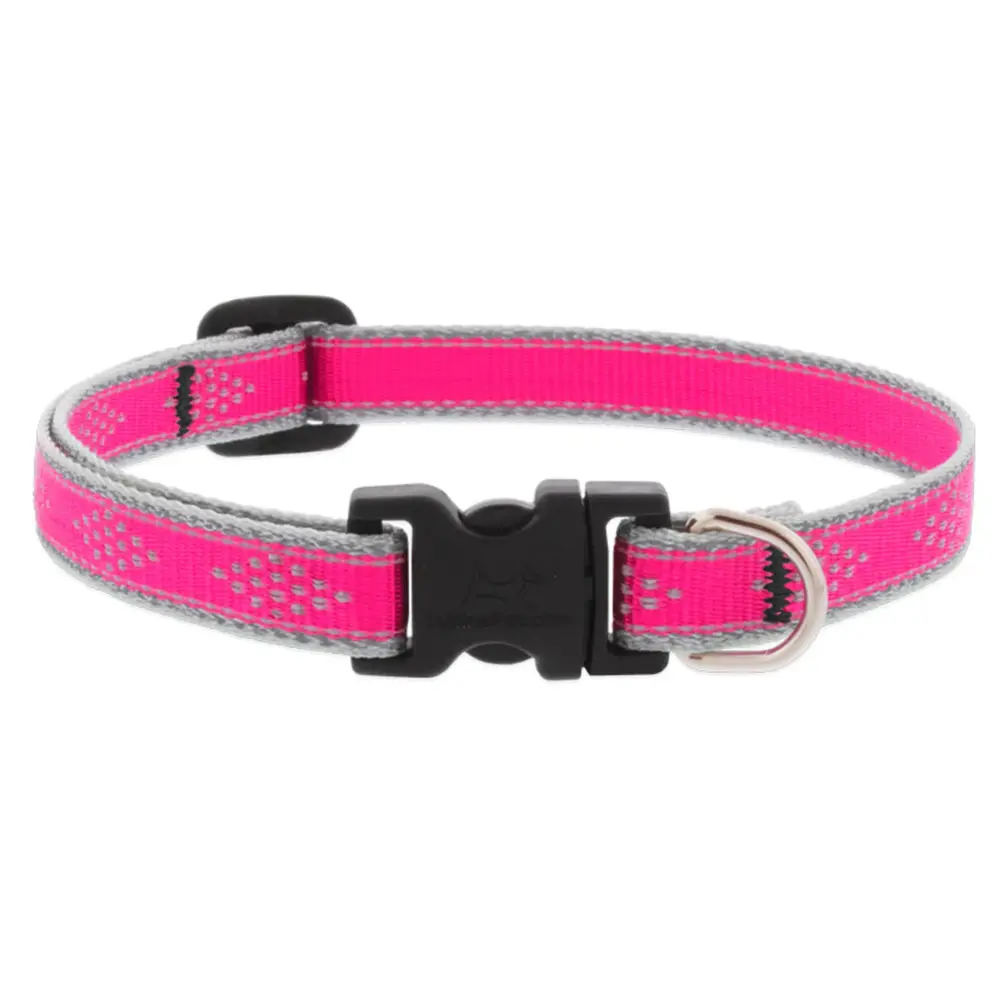
Evenings change too. Once the clocks go back in early November, the after-work walk often runs into dusk or full dark. A reflective collar helps drivers pick out your dog in their headlights: the Lupine Pet Reflective Dog Collar has reflective threads woven into its pattern and a D-ring for the leash and ID tags. Carry a light as well, since reflective threads only shine when light hits them.
If your dog eats something: who to call
Make the call before you search online or wait to see what happens. Your veterinarian knows your dog’s history, and a pet poison control line answers around the clock.
- Move your dog away and pick up whatever is left, so nothing more gets eaten.
- Call your veterinarian, or after hours the nearest emergency clinic. You can also call a pet poison control line (numbers below), which charges a fee.
- Have the details ready: your dog’s weight, what was eaten, roughly how much and when.
- Keep the evidence: the package or a photo of its label, or the bagged mushroom sample.
- Don’t make your dog vomit unless a veterinarian tells you to.
- If you’re told to come in, go, even if your dog seems fine.
The ASPCA Animal Poison Control Center is at (888) 426-4435, 24 hours a day, every day of the year, and a consultation fee may apply. Pet Poison Helpline is at (855) 764-7661, also 24/7, and charges an incident fee. Save both, with your veterinarian’s number, in your phone today.
Safety note
Signs vary with what was eaten. The AKC lists vomiting, diarrhea, drooling, weakness, stumbling and seizures among the signs of mushroom poisoning, and lethargy, vomiting, wobbliness and extra thirst as early signs after antifreeze. Call if you see any of them, but don’t wait for them: a dog who seems fine after eating something still needs that call.
What you can skip
- Identifying the mushroom before you call. Bag a sample and let the veterinarian or poison control work out what it is.
- Home remedies to make your dog vomit. The AKC warns against it after acorns, and the same goes for anything else: wait for a veterinarian’s instructions.
- Assuming a safer product is a safe one. Propylene glycol coolant is less toxic, not nontoxic, and a bait station on the garage floor is still within a dog’s reach.
- Raking every last leaf. Clear the nuts and mushrooms near the door and under the trees; the rest of the lawn can wait.
Related guides
-
Guide
How Cold Is Too Cold to Walk a Dog? Signs to Head Home and a Winter Walk Plan
The AKC says dogs are at risk of frostbite below 32°F, and small and short-haired dogs, puppies and seniors feel it first. Learn the signs it’s time to head home, a shorter winter walk plan, who needs a coat, how to handle ice and road salt, and how to stay visible after the clocks change.
-
Checklist
Winter Hiking With a Dog: Checklist for Cold, Ice and Short Days
A winter trail-day checklist: plan a shorter, sheltered route around daylight, keep your dog leashed and off frozen water, pack water that won't freeze and a coat for dogs who feel the cold, check paws for ice balls and salt, and know when to turn back.
-
Checklist
What to Tell Your Dog Walker: A Handover Checklist
Everything a new dog walker needs on one page: where the gear lives and how it goes on, how your dog walks, leash and route rules, medications and treats, emergency contacts, the door routine, weather rules and a first walk together.

