Outdoors & Adventure Checklist
Hiking With Your Dog in Hunting Season: A Trail Checklist
Short answer
Before you go, find out whether hunting is allowed where you’ll hike and when the seasons run; the land manager and your state wildlife agency can tell you. Then wear blaze orange, put an orange vest and a short leash on your dog, stay on marked trails and skip dawn, dusk and opening weekends.
Hunting season hiking checklist at a glance
Hunting season changes what you and your dog wear, where your dog can roam and which hours you hike, and these lists cover only those changes. Go over them before you leave home and once more when you park; water, waste and a dog who tires early are in our everyday hiking with a dog checklist.
Before you go
- Who manages the land, and whether hunting is allowed there
- Season dates for the days you plan to hike, from your state wildlife agency
- A map that shows no-hunting areas and boundaries, if the land manager publishes one
- The land manager’s phone number, saved in your phone
- The trail’s dog rules, including the leash limit
What you wear
- A blaze orange hat, plus a vest or jacket that shows from every side
- Orange on your pack if it covers your back
- No white hats, gloves or scarves
What your dog wears
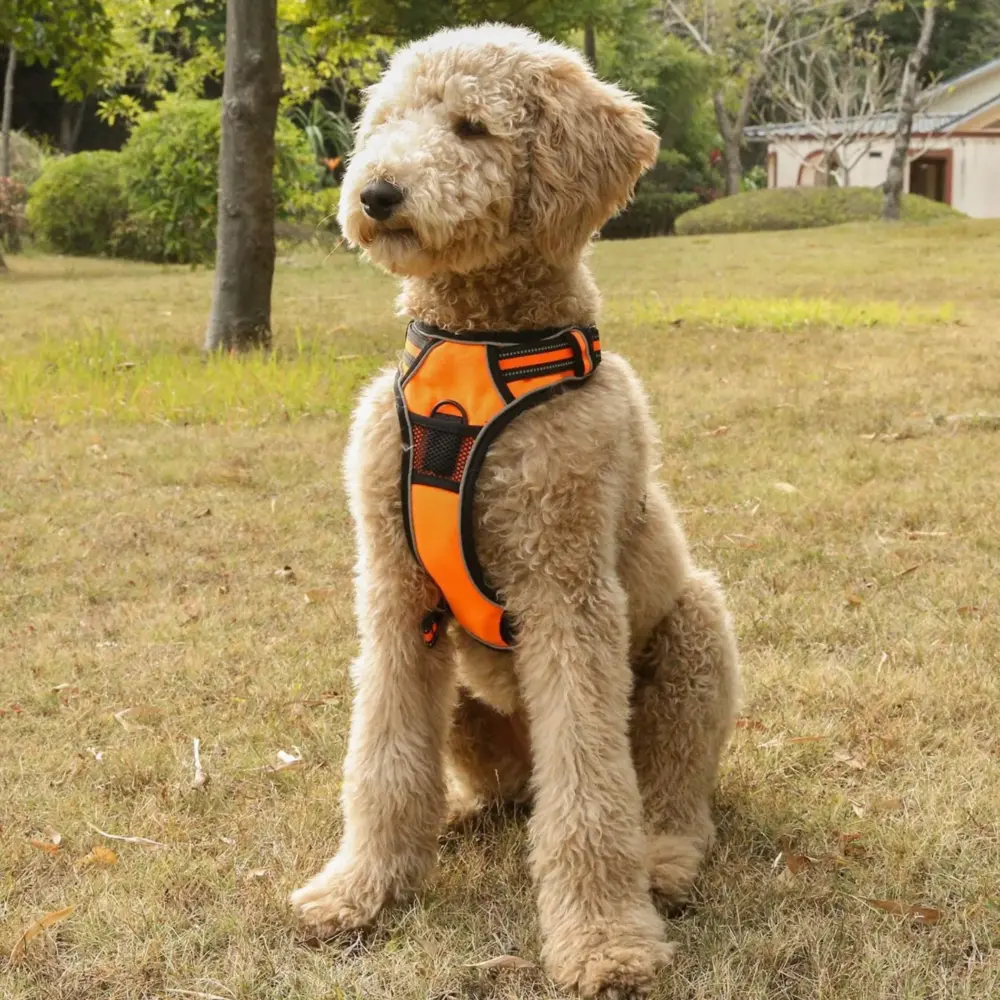
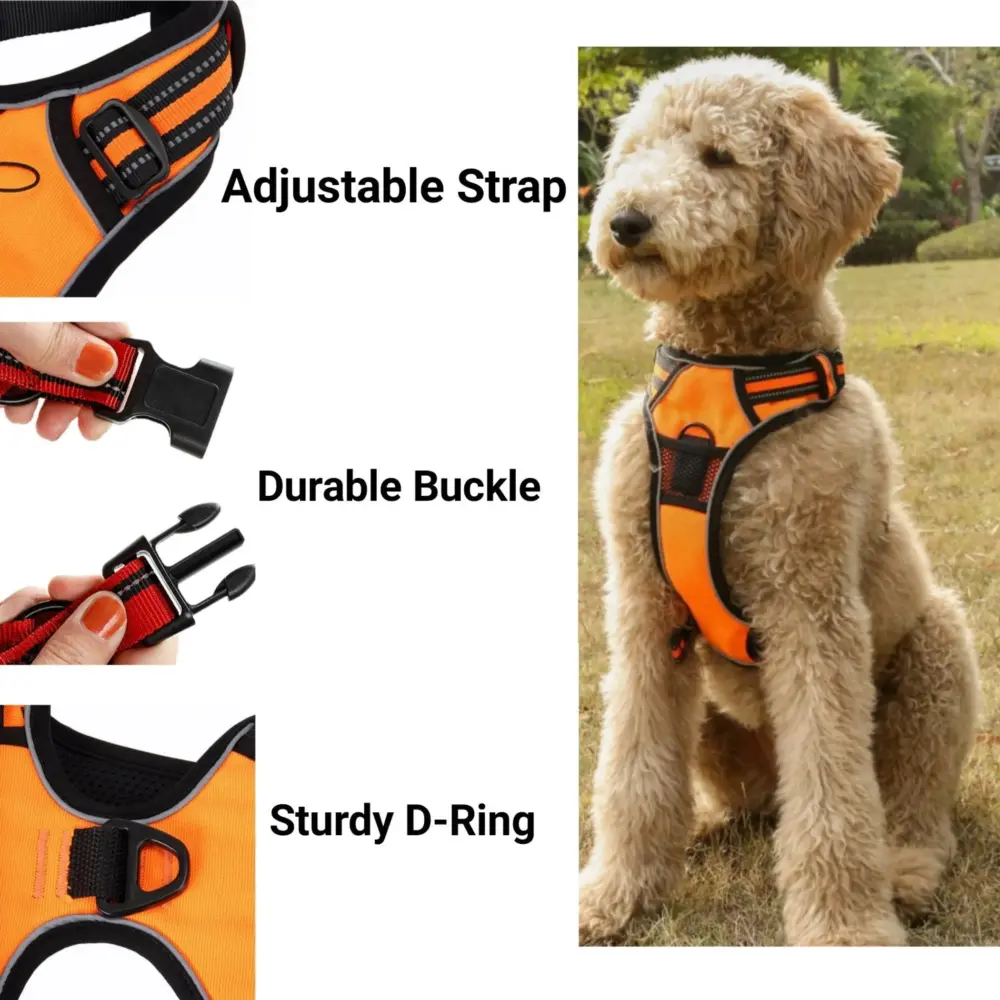
- An orange dog vest that covers the back and sides
- A collar with ID tags that carry the phone number you have with you
- A harness that fits snugly, in a bright color if you have one
- Reflective trim or a small clip-on light if you could be out near dusk
On the trail
- A leash no longer than 6 feet, not a retractable, clipped on the whole time
- Marked trails only, with no shortcuts
- Conversation, or a bell on the collar, so hunters hear you before they see movement
- A turnaround time that gets you back to the car well before sunset
After the hike
- A hands-on check for burrs, ticks and scrapes
- A wipe-down before your dog gets in the car
Is hunting allowed where you hike, and when?
Start with who manages the land, because that decides whether hunting happens there at all. A trail doesn’t turn the land around it into a no-hunting zone unless the land manager says so.
- National parks and preserves. The National Park Service says hunting is authorized in 76 of its units, and its overview of hunting and trapping explains that national preserves allow it and national parks generally don’t. Some national lakeshores, seashores and recreation areas allow it too.
- National forests. Much of the land is open to hunting under state seasons and licenses. Federal rules bar firing a gun within 150 yards of a campsite or developed recreation site, but the trails between them run through hunted land.
- State land. Wildlife management areas often allow hunting, and state park rules vary from park to park.
- Private land. Some trails cross property where the owner allows hunting, so read the signs at every boundary.
Boundaries matter even where hunting is banned. It isn’t allowed inside Shenandoah National Park, for example, but the park notes that several trails and gravel roads connect to a wildlife management area and private land where it is, and it advises wearing blaze orange in the surrounding area during the season.
Checking season dates
Your state wildlife agency sets seasons by species and often by weapon, so archery, firearm and bird seasons can each open on a different date, and in many places they run from early fall into winter. Some states hold spring seasons too, such as for turkey. Look up the dates for the weeks you plan to hike, then check the land manager’s website or call about local closures and safety zones.
Check the dog rules while you’re there, because leash limits and the trails dogs may use differ from park to park; see where dogs can go in national parks for how that works in the national park system.
Bright colors for you and your dog
A brown dog nosing through fallen leaves is hard to pick out, and so is a hiker in a tan jacket at the edge of a clearing. Blaze orange is the color hunters wear so they can see one another, which makes it the one to borrow.
Park guidance agrees. Sleeping Bear Dunes National Lakeshore asks non-hunters to wear blaze orange or other brightly colored clothing during hunting seasons, and New River Gorge National Park and Preserve advises visitors to wear blaze orange and include an orange vest for pets.
For you
Make an orange hat and an orange vest or jacket your outer layer, so some shows from every direction, and add orange to your pack if it hides your back. Leave white hats, gloves and scarves at home during deer season: a flash of white low in the brush can look like a deer’s tail.
For your dog
A vest puts color across the back and sides, where it shows above leaves and low brush; a collar is a narrow band that fur and the leash can hide. The AKC gives hunters the same advice for their own dogs in its tips for hunting with your dog: an easily seen orange safety vest. We don’t sell dog vests, but outdoor and hunting stores do. Try one on at home first so you know it stays put and doesn’t rub.
An orange harness and collar add color around the vest, which helps most if your dog’s everyday gear is black or brown. Reflective trim is a different tool: it shines back when a headlamp or headlight hits it, which helps near dawn and dusk, but it does little to make a dog stand out in daylight.
-
Mr. Peanut’s
PetTrek Padded Harness and Leash Set, Choose size & color
Price range: $24.95 through $26.95
Why it fits: Harness and matching leash in one set, offered in Orange; reflective stitching on both pieces helps in low light, in sizes XS to Large.
-
Lupine Pet
Reflective Dog Collar, Choose size & design
Price range: $22.95 through $28.95
Why it fits: A band of orange at the neck for the ID tags; the Orange diamond design has reflective threads woven into the pattern and a strong D-ring.


Safety note
Color makes you and your dog easier to see. It doesn’t make either of you safe on its own, and no vest, collar or harness can promise that, so pair it with the leash, the trail and the timing below.
A leash that keeps your dog on the trail
Keep the leash on for the whole hike, even where the rules allow dogs off leash. A dog who follows a deer’s scent into the woods is moving through the cover hunters are watching, out of your sight and too far away for you to call out in time.
Choose a leash no longer than 6 feet, which is also the national park rule; a retractable lead lets a dog drift into the undergrowth before you can reel it in. Check the harness fit before the season too. A dog startled by a gunshot may twist and back away, and a harness that’s loose at the chest is easier to slip out of.
Two hands on the leash help when a deer crosses the trail. A pouch that clips to the leash, such as the Yucky Puppy Waterproof Poop Bag Holder, carries a full bag so you aren’t juggling it. If your dog pulls hard toward every scent, the Lupine Pet Reflective No-Pull Dog Harness comes in an Orange diamond design for medium and large dogs, and its front attachment makes pulling less effective while you work on loose-leash walking.
When and where to hike in hunting season
- Go in the middle of the day. Dawn and dusk are busy hours for many hunters, and the light is at its worst for everyone. Set a turnaround time that has you back at the car well before sunset.
- Skip opening and holiday weekends. Big Thicket National Preserve advises visitors to stay out of its hunting areas on holiday weekends and the opening weekends of each season, and to make noise so hunters know you’re there.
- Choose land where hunting isn’t allowed. National parks generally don’t allow it, nor do many city and county parks, and some places that do allow it set aside no-hunting areas with their own trails. New River Gorge suggests considering those areas in season.
- Stay on marked trails. Shortcuts and off-trail wandering take you and your dog into the cover where hunters are, which is why New River Gorge and Sleeping Bear Dunes both point visitors to established, designated trails.
- Be heard as well as seen. Talk with your hiking partner or clip a bell to your dog’s collar.
If your dog is frightened by fireworks or thunder, a hunting area on a busy weekend may be too much. A park where hunting isn’t allowed is the kinder choice until the season ends.
Wildlife, carcasses and other trail finds
Fall woods give a dog more to find than usual, and hunters who field-dress game can leave gut piles and bones behind. Shorten the leash whenever your dog’s nose goes up and the pace quickens.
- Carcasses and gut piles. Don’t let your dog eat or roll in them. VCA notes that most cases of botulism in dogs, a rare condition, come from eating dead animals or contaminated raw meat. If your dog does roll in something, our guide to why dogs roll in smelly things covers the clean-up.
- Wildlife. Keep your dog from chasing or approaching animals, including one that seems hurt or is lying still near the trail.
- Traps. The Park Service authorizes trapping in 31 of its units, and trapping seasons on other public land often fall in the same months as hunting. A leash and a marked trail keep your dog out of the places a trap could be. Before the season, look up what your state wildlife agency advises if a dog is caught.
If your dog eats something it found, call your veterinarian or an emergency clinic. Our fall safety tips for dogs cover the season’s other hazards, from acorns to wild mushrooms, and who to call.
If you hear shots, or meet a hunter on the trail
Distant shots are part of hiking in hunting season. If they sound close:
- Stop, shorten the leash and bring your dog to your side. Hold the handle firmly rather than wrapping the leash around your hand or wrist; a startled dog may try to bolt.
- Call out in a loud, clear voice, such as “Hikers on the trail,” so hunters know you are there.
- Stay on the trail and in the open. Don’t duck into the brush to hide.
- Keep talking as you move on, and head back the way you came if the shots were ahead of you.
If your dog does get away, call from the trail rather than chasing into the brush, and if you do search off-trail, keep your orange on and keep calling out. Tell the land manager, then work through our lost-dog steps, starting with the first hour.
Meeting a hunter
Say hello, step to the side with your dog close, and let them pass. Asking which way they’re headed can help you pick your route. If their dogs are working off leash, keep yours at your side and let the hunter call their dogs back. Once a hunter has seen you, keep your voice down, as Big Thicket asks, so you don’t disturb the hunt.
The after-hike once-over
Before the ride home, run your hands over your dog from nose to tail.
- Burrs and seed heads. Fall brush leaves them in ears, armpits, feathered coats and between the toes. Our guide to getting burrs out of dog fur shows how, and when a foxtail needs a veterinarian.
- Ticks. The CDC notes that the risk of blacklegged tick bites is greatest in spring, summer and fall, and that adults may be out whenever winter temperatures are above freezing, so check around the ears, under the collar and harness, and between the toes even late in the season. The hiking with a dog checklist has the full tick check.
- Scrapes and rubs. Look for cuts from brush and sore spots under the harness or vest.
- Anything eaten. If you think your dog ate part of a carcass, call your veterinarian even if your dog seems fine.
Call your veterinarian too about a deep cut, a limp or a tick you can’t remove.
-
Sakabase
Curved Slicker Brush, View product
$39.95
Why it fits: A post-hike brush-out once burrs are picked free; the curved head and fine, firm pins work through leftover tangles in medium and long coats.
-
Mr. Peanut’s
Naturals Pet Wipes
$26.95
Why it fits: Large, thick wipes for a trailhead clean-up; at 6 x 10 in, one wipe handles muddy paws, legs and coat before your dog gets back in the car.
Currently out of stock


What to skip until the season ends
- Off-leash time, long lines and retractable leashes. Save the freedom for a fenced area.
- Brown, tan or camouflage dog coats. If your dog needs a coat for the cold, pick a bright one and keep the orange vest on top.
- Counting on a bell, a light or reflective trim alone. They help you be heard, or seen in a beam, but they don’t replace orange in daylight.
- Off-trail shortcuts and hikes that end at dusk. Both put you where and when visibility is worst.
Related guides
-
Checklist
What to Tell Your Dog Walker: A Handover Checklist
Everything a new dog walker needs on one page: where the gear lives and how it goes on, how your dog walks, leash and route rules, medications and treats, emergency contacts, the door routine, weather rules and a first walk together.
-
Checklist
Dog Camping Essentials: A Packing Checklist for Tent and Car Camping
What to pack for your dog for a night or two at a campground, and why: pet rules to check before you book, ID that stays on after dark, dog food stored like your own, a pad off the cold ground, a tent-door clean-up routine, safe tie-outs and what to leave at home.
-
Guide
Dog Walking Essentials: What to Bring on Every Walk, Including After Dark
What to bring on every dog walk, from an ID collar and harness to water and a way to carry full poop bags, plus reflective gear and a light for darker evenings after the clocks change in November.