Outdoors & Adventure Guide
National Parks With a Dog: Where Dogs Can Go, Rules and What to Bring
Short answer
In most national parks, leashed dogs may use roads, campgrounds and picnic areas but not most trails, buildings or shuttles; Acadia, Shenandoah and a few others open most trails. Check your park’s pets page, keep the leash 6 feet or shorter and never leave your dog in a parked car. Pack ID, water, a bowl and poop bags.
Where dogs can and can’t go in national parks
Each park writes its own pet rules on top of a federal baseline, but most follow the same pattern: dogs are welcome in the developed parts of a park and kept out of the wild parts.
Usually allowed
- Along park roads, and in parking areas, pullouts and picnic areas
- In developed campgrounds, with exceptions such as some walk-in and group sites
- On paved paths, sidewalks and bike paths in some parks, plus any trails the park names as open to pets
- In pet-friendly rooms at the few park lodges that offer them
Usually not allowed
- Most hiking trails, the backcountry and wilderness, and fragile ground such as meadows and tundra
- Visitor centers and other park buildings, where only service animals may go
- Park shuttle buses
- Swimming beaches, boardwalks and thermal areas
- Most lodging inside the park
Two rules trip people up. First, carrying your dog changes nothing: Yellowstone’s pets page says its limits apply to pets carried in arms, strollers or carriers, and Yosemite makes no exception for carried pets either. A small dog in a backpack carrier still can’t go up a closed trail. Second, the service-animal exception covers only dogs trained to perform tasks for a person with a disability. Yosemite points out that emotional support and therapy animals are not service animals, so they follow the pet rules.
How much the rules vary from park to park
The details can change your whole plan. These examples come from each park’s pets page as of October 2026; rules change, so check the page for your park before you go.
| Park | Leashed dogs allowed | Worth knowing |
|---|---|---|
| Yellowstone | Within 100 feet of roads, parking areas and campgrounds | No trails, boardwalks or thermal areas, even if carried |
| Yosemite | Paved roads and paths, including the Lower Yosemite Fall trail | No other trails, meadows, beaches or shuttles |
| Zion | The Pa’rus Trail, roads, campgrounds and picnic areas | No other trails or shuttles |
| Great Smoky Mountains | Two trails, plus campgrounds, picnic areas and roadsides | The two: Gatlinburg and Oconaluftee River |
| Arches and Rocky Mountain | Roads, parking areas, campgrounds and picnic areas | No trails; Arches also bans overlooks |
| Grand Canyon, South Rim | Trails above the rim and developed areas | Nothing below the rim; kennel on site |
| Shenandoah | Most of its 500+ miles of trails | Under 20 miles closed, including Old Rag |
| Acadia | 100 miles of trails, 45 miles of carriage roads | Six trails closed, including the Precipice |
| Cuyahoga Valley | Over 100 miles of trails, including the Towpath | No pets on the scenic railroad |
| Petrified Forest | Paved roads, trails and designated wilderness | Fenced Bark Park by the Painted Desert Visitor Center |
The split matters. In parks like Yellowstone, Zion and Arches, your dog’s visit is the scenic drive, the campground and a short paved path, and a long hike means someone stays behind. In Acadia, Shenandoah, Cuyahoga Valley and Petrified Forest, a trail day together is realistic; our hiking with a dog checklist covers water, waste and a tired dog once you’re on the trail.
The B.A.R.K. Ranger rules, explained
The National Park Service sums up its pet rules in four letters, and many parks run a B.A.R.K. Ranger program built around them. Each park designs its own: some use a pledge and a badge, some lead ranger walks, and some simply ask you to follow the four rules. At Petrified Forest, for example, you sign up at any entrance booth or visitor center, and ranger tags for your dog are sold at the visitor centers.
- B: Bag your pet’s waste. Every time, including when your dog steps off the path, and carry the bag to a trash can.
- A: Always use a leash. Everywhere in the park, at all times, and no longer than 6 feet. The campground counts, and so does the parking lot.
- R: Respect wildlife. Don’t let your dog chase, bark at or approach animals, from ground squirrels to elk. Yellowstone gives three reasons for its limits: to protect pets from predators such as bears and coyotes, to keep them out of hot springs, and to stop diseases passing between pets and park wildlife.
- K: Know where you can go. Read the park’s pets page before you arrive (most park websites list it under Plan Your Visit), then follow the signs at trailheads. Some rules are seasonal: Acadia closes Sand Beach to pets from mid-June to early September, and Echo Lake from mid-May to mid-September.
The program is optional; the rules aren’t, and Zion warns that breaking them can bring a citation and a fine.
Leash, ID and waste: what the rules mean on the ground
A leash of 6 feet or less
Federal rules for national park sites require a pet to be on a leash no longer than 6 feet or otherwise physically confined, for example in a crate or your car. Measure the leash you plan to bring, including one that comes in a harness set, rather than guessing. Retractable leashes are where people slip up: Zion says those that extend past 6 feet aren’t allowed, and even a locked one is easy to let run when a squirrel crosses the path. A fixed-length leash clipped to a well-fitted harness gives you control on a busy paved path without pressure on your dog’s neck.
Tying your dog to a picnic table or a tree and walking away breaks a separate federal rule against leaving a pet unattended and tied to an object, unless the park has designated an area for it. Shared paths need manners too, and our guide to dog walking etiquette covers passing people, bikes and other dogs. Harnesses and a reflective collar are in our walking and training gear.
ID that works in a park
Cell service in many parks is patchy, so the tag matters more than usual. Keep a flat collar with ID on all day, showing your cell number and a second contact who isn’t on the trip, and check that the microchip registration is current. If your dog gets loose, tell a ranger or the campground host right away.
Waste: bag it, then bin it
The National Park Service’s advice on hiking with pets notes that pet waste can introduce harmful bacteria into fresh water and pass diseases to wildlife, so the job isn’t done until the bag is in a trash can. Acadia’s pets page spells out what not to do: don’t leave bags in the woods, hang them from trees or set them beside full garbage cans. Cans can be a long way apart at pullouts and on trails, so a zippered pouch on the leash keeps a full bag sealed until you reach one. In bear country, use the wildlife-resistant cans where the park provides them.
Planning a park day around your dog
Once you know where your dog can go, build the day around that rather than squeezing your dog into a hiking plan:
- Lead with what you can do together. Scenic drives with stops at pullouts, picnic lunches, campground loops and whatever paved paths and trails your park allows.
- Take turns. If someone wants a closed trail or a look inside the visitor center, one adult walks the dog while the others go, then you swap.
- Check how you’ll get around. Pets aren’t allowed on the park shuttle buses at Yosemite, Zion or Grand Canyon, so a stop you can only reach by shuttle is off the list.
- Book a kennel for the big hike. The Grand Canyon Kennel on the South Rim boards dogs and cats and requires proof of vaccinations. Yellowstone has no kennels but points to services in surrounding communities, and Zion lists boarding in nearby towns. Book ahead and bring your dog’s vaccination records.
- Plan where your dog sleeps. Most developed campgrounds in these parks take pets, with exceptions such as Yosemite’s walk-in Camp 4. Pet-friendly rooms inside parks are scarce: at Grand Canyon, Yavapai Lodge is the only in-park lodge with them, while Shenandoah does offer pet-friendly lodging.
Staying overnight in a tent? Our dog camping essentials list covers bedding, food storage and the campsite. For the drive there, our road trip with a dog checklist covers restraints, stops and the car kit.
Heat, wildlife and never leaving your dog in the car
Safety note
A parked car is no place to leave your dog, even with the windows cracked. Arches’ pets page warns that when the air is above 65°F, a pet in a vehicle may die, and summer days in many parks run far hotter than that. If no one can stay with your dog, your dog comes with you or goes to a kennel.
Leaving your dog at the campsite or in the RV
Parks word this rule differently. Great Smoky Mountains says never to leave pets unattended in vehicles or RVs, and Acadia asks you not to leave a pet unattended anywhere, campsites and cars included. Zion allows a restrained pet to stay alone in a developed campground only when conditions are safe for the animal and it isn’t making unreasonable noise. Read your park’s exact wording, and when in doubt, don’t leave your dog.
Hot ground and hard sun
Desert and canyon parks heat up fast, and your dog walks right on the sun-baked pavement and rock. Arches notes that asphalt reaches 167°F when the air is 102°F, and that a 125°F surface will burn skin in 60 seconds. Walk early and late, rest in shade and carry more water than you think you’ll need. The ASPCA’s hot weather safety tips list signs of overheating such as heavy panting, drooling and weakness, and note that flat-faced breeds are more at risk. For the pavement hand test and walk timing, see how hot is too hot to walk a dog. If your dog shows signs of heatstroke, move them into shade, offer small amounts of water and call a veterinarian right away.
Wildlife on the path
The Park Service warns that a pet can startle or provoke wild animals and get hurt, so keep the leash short. Keep your dog close around campgrounds at dawn and dusk, when many animals are out. If an animal is near the path, give it room: shorten the leash, keep your dog at your side, and wait for it to move on or turn back. Bring your dog’s drinking water from home rather than letting them drink from streams, ponds or puddles.
What to pack for a park day
Start with the everyday kit from our dog walking essentials, and add the trail items from the hiking checklist if your park allows a trail day. A park day adds a few things of its own, because bins, shade, water and signal can all be far apart.
On your dog
- A flat collar with ID tags, and microchip details you’ve checked
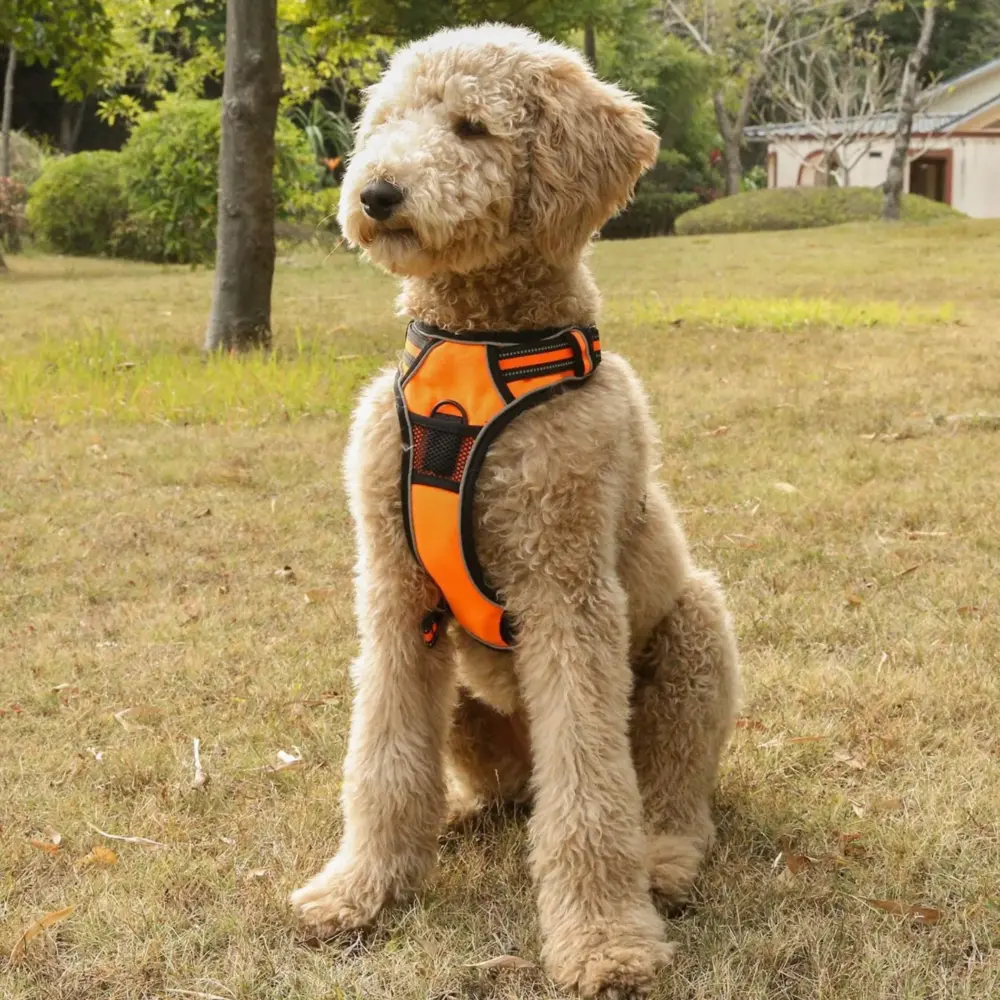
- A harness your dog has already worn on long walks
- A fixed-length leash, measured at 6 feet or less, plus a spare in the car
In your bag
- Water from home and a bowl, more than you expect to use
- More poop bags than you think you’ll need, and a zippered pouch for full ones
- Treats, to reward your dog for staying calm as people and wildlife pass
- Wipes or an old towel for paws before your dog gets back in the car
In the car or on your phone
- A screenshot of your park’s pets page, in case there’s no signal at the gate
- Your dog’s vaccination records, if you’ve booked a kennel or a campground that asks for them
- Your veterinarian’s number and the nearest emergency clinic to the park, written down
Our picks for a park day, limited to what Nilosi sells:
-
Lupine Pet
Reflective Dog Collar, Choose size & design
Price range: $22.95 through $28.95
Why it fits: A flat collar that keeps ID tags on your dog all day, with a strong D-ring and reflective threads woven in for dusk walks around the campground. Neck sizes run from 6 in to 31 in.
-
Mr. Peanut’s
PetTrek Padded Harness and Leash Set, Choose size & color
Price range: $24.95 through $26.95
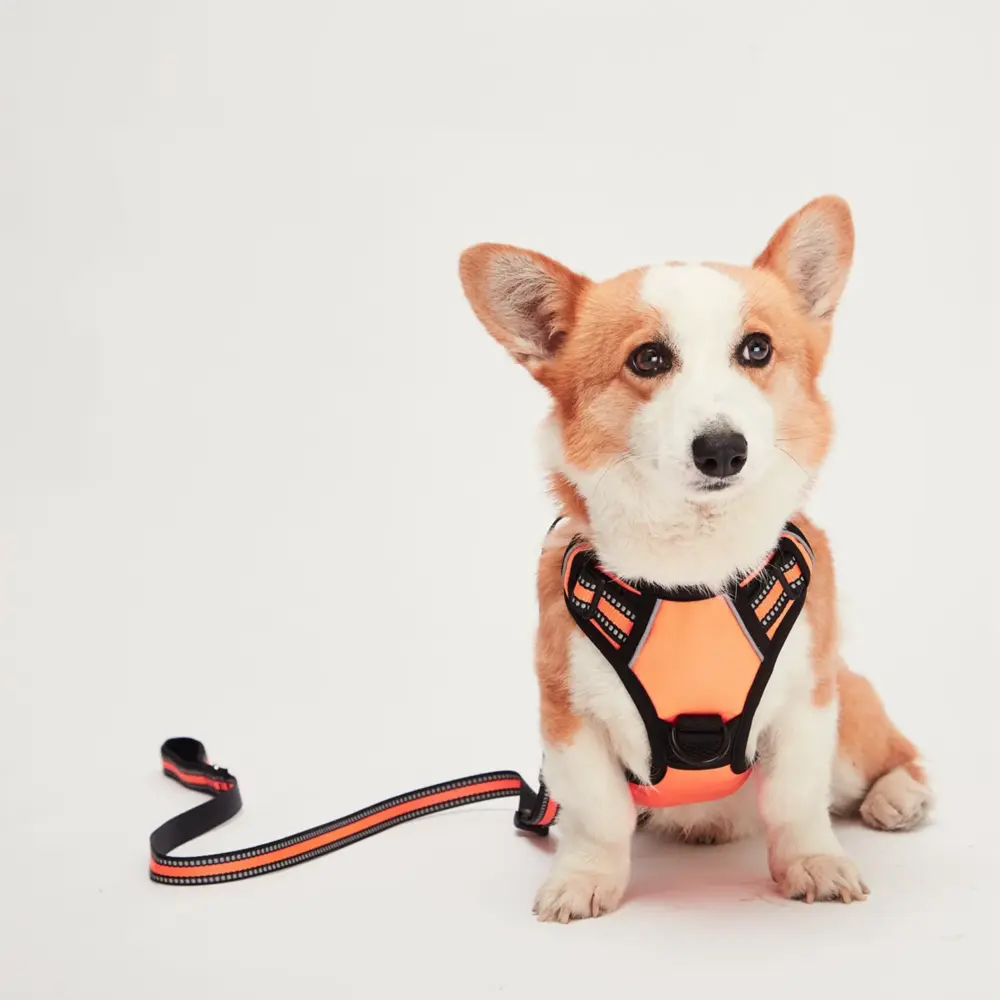
Why it fits: A padded harness that spreads pressure across the chest on paved paths and campground loops, with a matching leash and reflective trim for evenings. Sizes XS to Large: measure the chest first.
-
Yucky Puppy
Waterproof Poop Bag Holder, Choose size
Price range: $23.95 through $24.95
Why it fits: A zippered, waterproof pouch that clips to the leash, a bag or a belt, so a full bag rides sealed between pullouts until you find a trash can. Comes as a set of two.
-
Flipo
Fold-A-Bowl Dog Water Bottle with Fold-Out Bowl, Choose color
$28.95
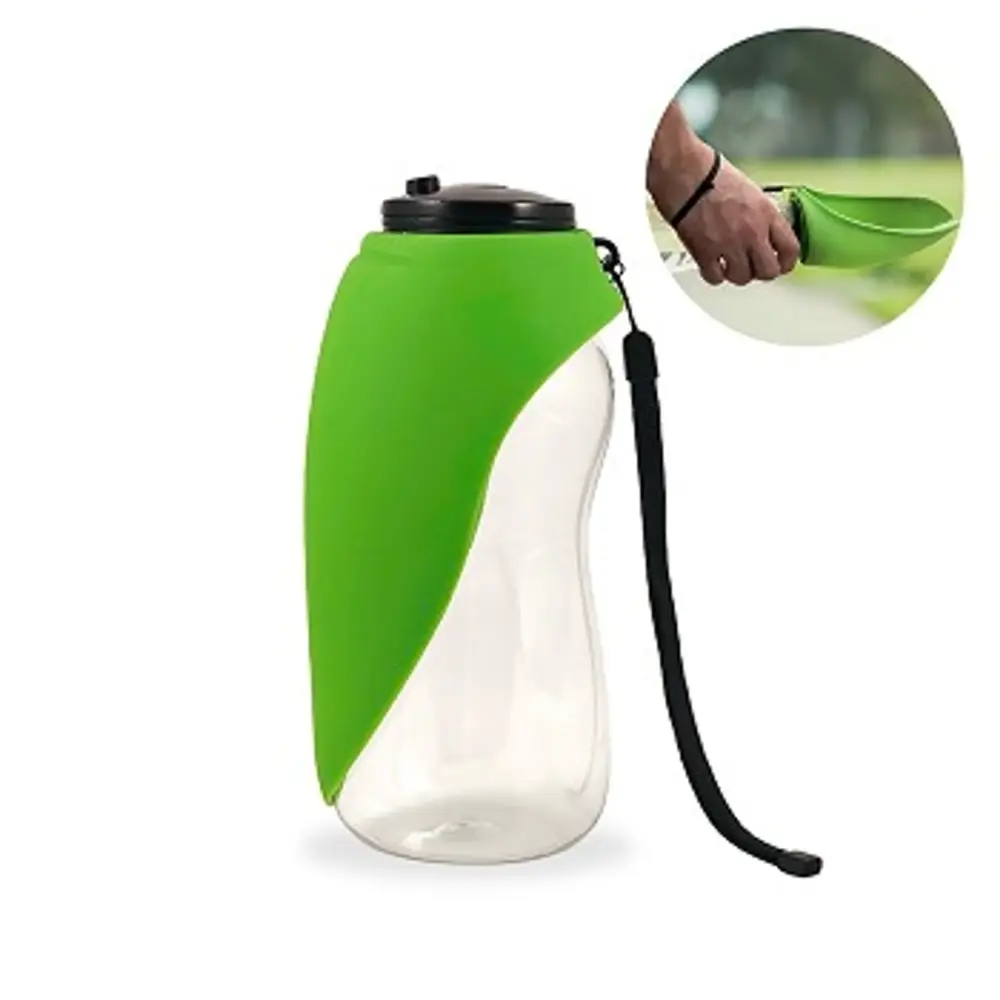
Why it fits: 26 oz of water with a cover that folds out into a bowl, for drinks at picnic areas and parking lots without a separate dish. The wrist strap leaves a hand free for the leash.




How national forests and state parks differ
Everything above applies to land run by the National Park Service, and that means more than the famous parks. Seashores, lakeshores, battlefields, historic sites and recreation areas start from the same federal pet rules, including the 6-foot leash, though each sets its own list of places dogs can go and a few have special rules of their own. The Park Service’s own pets pages even picture battlefields as a great place for a hike with your dog.
Neighboring public land often works differently:
- National forests are run by the U.S. Forest Service, and each forest sets its own rules, often more open to dogs than a national park. Rocky Mountain National Park, which keeps pets off all its trails, points dog owners to the neighboring Arapaho and Roosevelt National Forests, where some trails allow dogs off-leash under voice control.
- State parks and Bureau of Land Management land set their own rules too. Arches suggests nearby Dead Horse Point State Park and BLM areas for hiking with a dog. Leash rules, fees and trail access vary from state to state and park to park.
Dog rules can change at a boundary sign, so keep reading them. Where a leash is optional, voice control is only as good as your dog’s recall around deer and other dogs; near wildlife and drop-offs, keeping the leash on is the safer choice.
Related guides
-
Checklist
Dog Camping Essentials: A Packing Checklist for Tent and Car Camping
What to pack for your dog for a night or two at a campground, and why: pet rules to check before you book, ID that stays on after dark, dog food stored like your own, a pad off the cold ground, a tent-door clean-up routine, safe tie-outs and what to leave at home.
-
Guide
How Long Should You Walk a Senior Dog? Pace, Routes and Signs to Stop
Older dogs usually do best on shorter, slower walks spread through the day. Here's how to find your dog's comfortable length, pick easier routes and a harness, adjust for heat, ice and dark evenings, and spot the signs that mean head home or call your veterinarian.
-
Checklist
What to Tell Your Dog Walker: A Handover Checklist
Everything a new dog walker needs on one page: where the gear lives and how it goes on, how your dog walks, leash and route rules, medications and treats, emergency contacts, the door routine, weather rules and a first walk together.