Grooming & Shedding Guide
Why Do Dogs Roll in Smelly Things? How to Stop It and Clean Up
Short answer
Nobody knows for sure. The AKC finds holes in the classic theories, such as masking their scent or marking territory, and suggests dogs may simply enjoy strong smells. Your best defense is a leash where smells collect and a solid “leave it”; after a roll, lift off the worst, wipe down and give a thorough bath with dog shampoo.
Why dogs roll in smelly things: the main theories
Dead fish on the shoreline, goose droppings on the park lawn, a flattened worm on the sidewalk after rain: if it smells foul to you, there’s a fair chance your dog wants to wear it. The American Kennel Club’s article on why dogs roll in smelly stuff walks through the main explanations and the problem with each.
- Camouflage for hunting. A wolf that smells of manure could, in theory, sneak up on prey. But wolves aren’t ambush hunters, prey tends to react to movement more than smell, and pet dogs scavenge far more than they stalk.
- Hiding from predators. Wolves have little to fear from other animals, and a dog on its back with its legs in the air is about as exposed as it gets. The AKC also cites a study in which wolves chose to roll in perfume and motor oil, even over sheep manure or pork, which is hard to square with hiding.
- Marking territory. Urine and feces do that job far more directly. A rolling dog uses its back and shoulders rather than its scent glands, and it picks up the other smell, which may mask its own.
- Plain enjoyment. The AKC also offers a simpler possibility: to a nose as keen as a dog’s, a novel, strong smell may just be fun, and rolling in it a kind of do-it-yourself enrichment.
None of this is settled, and some dogs roll far more than others. Whichever theory is right, the urge is normal, so work on the opportunity rather than the instinct.
How to tell a roll is coming
A roll happens fast, but many dogs give a brief warning, and that is your window. Watch for:
- The nose locks on. Your dog stops dead, or doubles back, and sniffs one spot hard, often with the nose pressed right into it.
- The head goes down. The chin or one cheek drops to the ground, and many dogs rub the side of the face or neck in first.
- A shoulder drops. This comes just before the full flip onto the back, and it is usually your last chance to step in.
- A change in mood. Some dogs go still and intent; others turn wiggly and excited. After a few walks, your own dog’s version becomes easy to read.
Act on the first sign, not the last. A cheerful “let’s go” and a few brisk steps in the other direction are far easier than hauling a dog off something once the shoulder is down.
How to stop a dog from rolling in poop
You can’t train away the interest, so prevention comes down to the habits the AKC recommends: a leash where strong smells are likely, a reliable “leave it” and a recall you can trust.
Leash up where smells collect
The AKC names farms, wooded trails and areas used by wildlife. Add your local hot spots: the lakeshore where fish wash up, the lawn the geese use, the field edge after manure goes down. There, keep your dog on a leash short enough to steer them past a smell before they settle into it, and gather in a long line as you near a known spot. At home, check the yard for droppings or a dead bird before you let your dog out. Picking up after your own dog, part of basic dog walking etiquette, leaves one less thing on the path for the next dog to roll in.
Teach “leave it” for smells, not just food
Most people teach “leave it” for dropped food, but the cue works on a smell too. The AKC’s guide to the leave-it command builds it in stages: a treat in your closed fist, then on your open palm, then on the floor under your foot with your dog on a leash, then walking past treats spaced along the floor, then the same work on the sidewalk or in the yard. Once the treat is on the floor, your dog never gets the item they left; the reward is a better treat from your hand.
Once it’s solid with food, use it the moment the nose locks on during a walk, reward the look away and let your dog sniff a harmless patch of grass instead. Heed the AKC’s warning, too: don’t give the cue when you know your dog won’t respond, or you’re teaching them to ignore it. Until then, rely on the leash and a change of direction.
Build a recall that beats a dead fish
Off leash, recall is your only brake. Build it up from short distances on leash to a long line outdoors, adding distractions slowly and paying every success with something your dog loves. A carcass is about as strong a distraction as a dog meets, so practice around milder smells first. And keep the recall happy: if coming when called ends in a scolding or straight in the tub, your dog has a reason to hesitate next time.
On the spot: wipe off the worst, cover the seat
When your dog comes up from a roll looking delighted and smelling terrible, the aim is to stop it getting worse, take the worst off and get home without ruining the car.
- Move your dog away calmly. Clip on the leash and walk off. Chasing a loose dog turns it into a game, and they may go back for a second roll.
- Check whether they ate any. Look for chewing or swallowing, especially with a carcass, and note what it was in case you need to call your veterinarian.
- Lift off solids with a bag. Slip a poop bag over your hand, pick off what you can and seal it. Lift rather than rub; rubbing presses the mess deeper into the coat.
- Wipe the worst patches. Use a fresh pet wipe for each patch, work with the lie of the coat and wipe away from the face, so nothing reaches the eyes or mouth.
- Clean your own hands. Wash or sanitize them before you touch your face, food or phone.
- Cover the seat for the ride. Lay a waterproof cover over the back seat, crack a window and keep your dog in their usual restraint.
A wipe-down won’t finish the job, but it keeps more of the smell off your hands, the leash and the car. Mr. Peanut’s Naturals Pet Wipes are large (6 × 10 in) and described as thicker and more durable than standard pet wipes, so a patch shouldn’t take a handful.
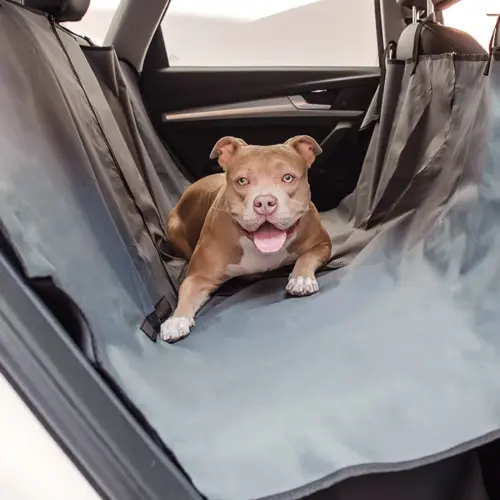
For the ride, a waterproof hammock over the rear bench, backrests and the backs of the front seats helps keep the mess off the upholstery, then machine washes cold on a delicate cycle. Our comparison of a dog hammock vs a seat cover explains which suits your car. A cover protects the seats only, not your dog, so keep using a proper restraint.
Tip
Keep a small roll kit in the car: pet wipes, spare poop bags, disposable gloves, an old towel, a bottle of water and a spare leash, since the one in your hand may need a wash too.
Back home: the bath, in brief
The AKC is frank about it: after a real roll, a thorough bath is likely unavoidable. Wipes and spot cleaning suit everyday dirt (our guide to cleaning a dog without a bath covers that routine), but they reach only the surface of the coat, and the mess from a roll is often worked down toward the skin. Go straight to the tub, before your dog finds the sofa.
- Take the gear off at the door. Collars, harnesses and leashes hold on to the smell, so set them aside rather than putting them back on a clean dog; see how to wash a dog harness, collar and leash.
- Rinse the paws if they stepped in it. Clean the feet at the door so the mess doesn’t walk through the house to the tub.
- Wear gloves and rinse first. Run lukewarm water over the soiled patches before any shampoo, so you aren’t lathering the mess around the coat.
- Focus on the neck and shoulders. Rolls usually land there and on the back, often with the side of the face too. Use a damp washcloth on the face and keep shampoo out of the eyes.
- Shampoo twice if needed. Use a dog shampoo, rinse until the water runs clear, then sniff. If the smell lingers, lather the worst areas again.
- Dry, then brush. Keep your dog indoors until dry. On medium and long coats, a brush-out finds bits the rinse missed behind the ears and along the collar line.
- Leave a soiled mat to a groomer. Scrubbing a wet tangle close to the skin only tightens it, and it may need to be clipped out.
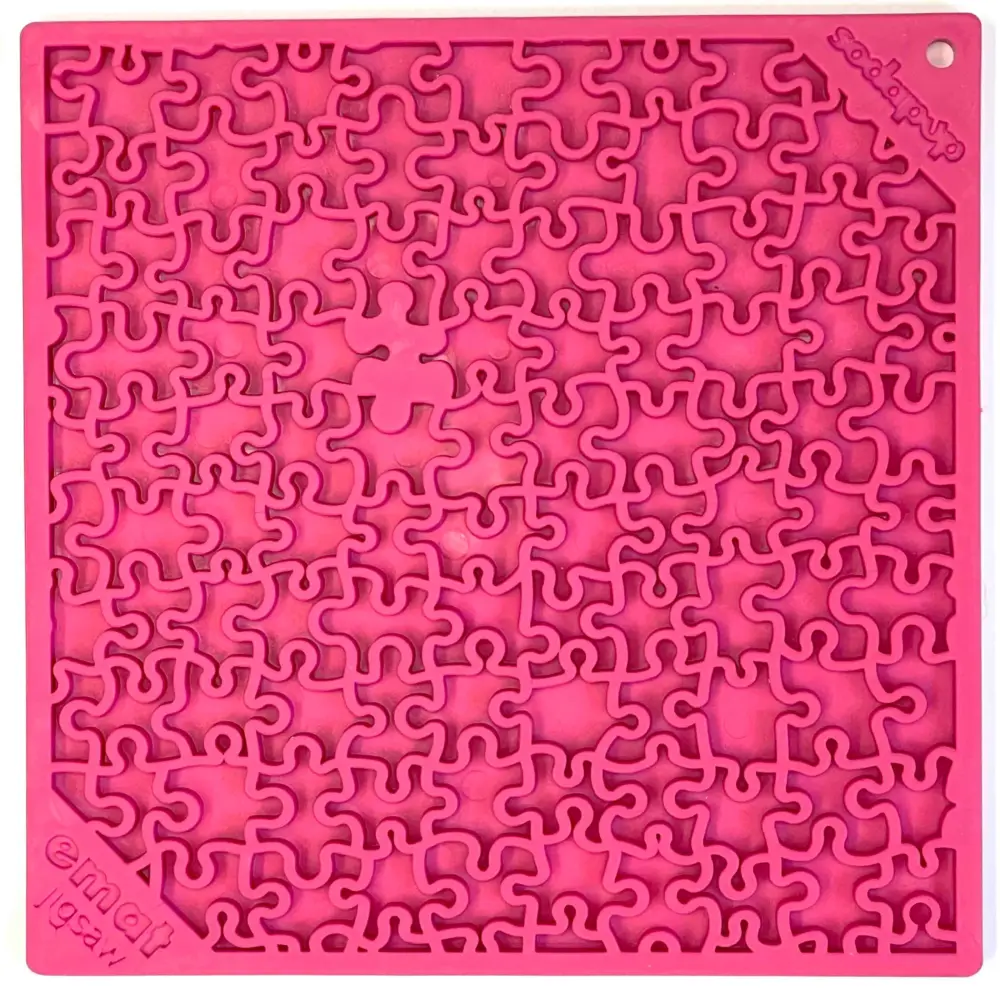
If your dog fights the tub, our step-by-step guide to bathing a dog that hates baths covers footing, water temperature, a lick mat for distraction and drying. If the car still smells a few days later, see how to get dog smell out of a car.
Nilosi doesn’t sell shampoo, gloves or towels, so these picks are limited to our own catalog and cover the jobs around the bath: the walk, the ride home, the door and the brush-out.
-
Mr. Peanut’s
Naturals Pet Wipes
$26.95
Why it fits: Takes the worst off before the ride home; use one large 6 x 10 in wipe per patch of neck, shoulder or back after lifting off any solids.
Currently out of stock
-
GF PET
Waterproof Dog Car Hammock Seat Cover, View product
$60.95
Why it fits: Shields the back seat from a smelly dog on the ride home and is machine washable; it is an upholstery cover, so keep using a restraint.
-
Bark Fifth Avenue
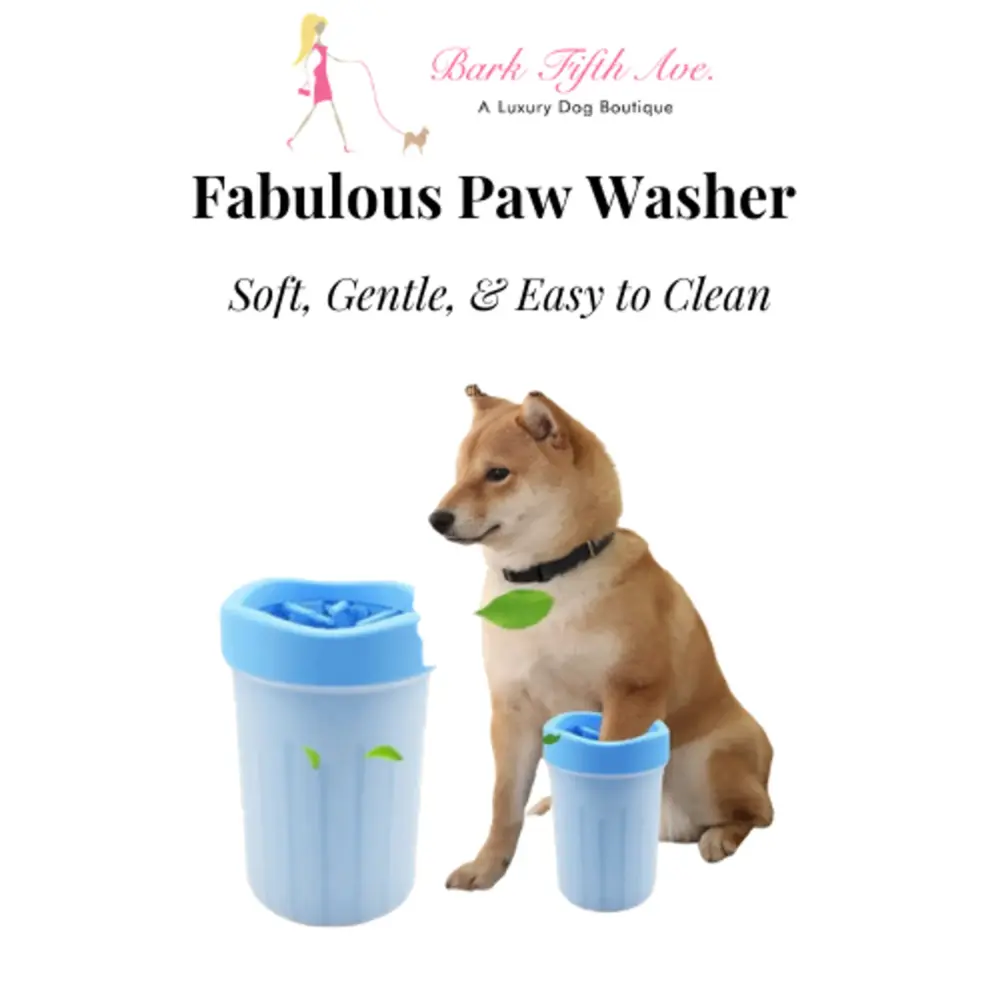
Fabulous Paws Dog Paw Cleaner Cup, Choose size & color
$31.95
Why it fits: Keeps muck from tracking through the house to the tub; add a little water, twist each paw in the soft silicone bristles, then pat dry.
-
Sakabase
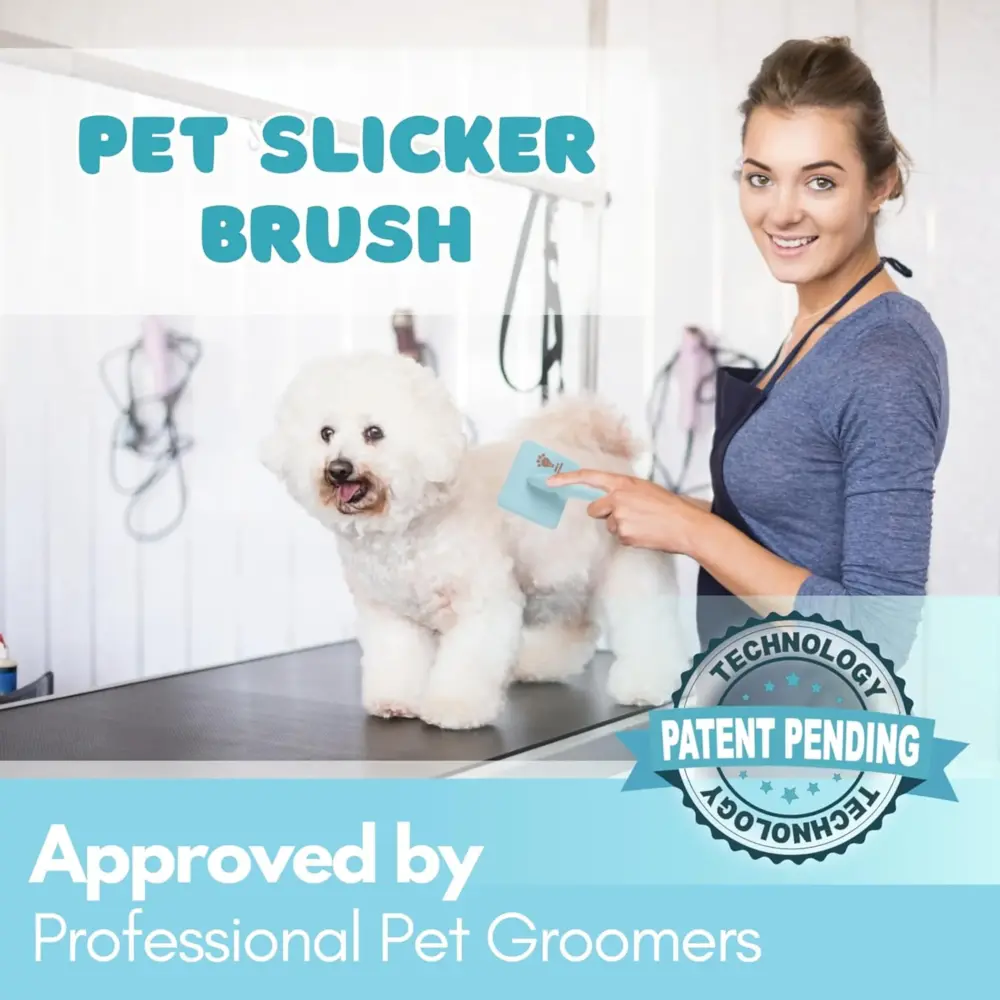
Curved Slicker Brush, View product
$39.95
Why it fits: Brushes out what the bath missed once the coat is dry, reaching the undercoat on medium and long coats where bits of muck hide.



For more between-walk cleanup, browse our clean-up range.
When a roll is a reason to call the vet
Rolling itself is usually harmless, the AKC notes, but feces and other foul material can carry bacteria, parasites or other contaminants. Call your veterinarian if:
- Your dog ate some of it. You rarely know what a dead animal died of or what an unknown dropping contains. Call for advice, sooner for a puppy, a senior or a dog with health problems, and mention any vomiting, diarrhea, low energy or poor appetite.
- It might be a chemical or poison. If the coat is oily, sticky or smells of chemicals, keep your dog from licking it and call your veterinarian or the ASPCA Animal Poison Control Center (24/7, (888) 426-4435) for advice on how to wash it off; a consultation fee applies.
- The skin reacts. Redness, a rash, sores, swelling, or constant licking and scratching at the spot after the bath.
- An eye looks sore. Squinting, redness, discharge or pawing at an eye after your dog rubbed their face in something.
- You find ticks or fleas. Check the coat after a roll in long grass, brush or near wildlife, and ask your veterinarian about safe removal and prevention.
If your dog rolls in, and sometimes eats, other animals’ droppings, ask at the next checkup whether their parasite prevention and fecal testing are a good match. And wash your own hands well after every cleanup.
Rolling in smelly things: quick answers
Should I punish my dog for rolling?
No. Scolding after the fact doesn’t tell your dog what you wanted instead, and it can make them slower to come back to you, which is the opposite of what you need next time. Interrupt early, reward the turn away and keep practicing “leave it” and recall.
Is it OK to let my dog finish the roll?
Sometimes. The AKC says that if the substance isn’t dangerous and the smell doesn’t bother you too much, letting your dog finish is unlikely to do harm beyond the grooming afterward. Steer clear of carcasses, anything your dog might eat and anything that looks or smells like a chemical.
Is rolling in grass the same thing?
Often it’s simpler: a back scratch, a way to dry off or plain play on a nice day, and on clean grass it’s no problem. Rolling that comes with frequent scratching, licking, chewing at the paws or red skin can point to itchy skin instead, which is worth a visit to your veterinarian.
Related guides
-
How-to
How to Clean Up a Dog After Swimming in a Lake, Pool or the Ocean
A fresh-water rinse after every swim, step by step, plus what the ocean, a lake and a pool each leave in the coat, how to dry ears, skin folds and a dense double coat, and the signs after a swim that need a veterinarian.
-
Checklist
Dog Grooming Checklist: The Essentials by Week, Month and Season
Every home grooming job sorted by how often it comes around: brushing by coat, a weekly nose-to-tail check, teeth, nails and paw fur, after-walk cleanups, baths and shedding season, plus what to skip and which jobs to hand to a groomer or veterinarian.
-
How-to
How to Bathe a Dog That Hates Baths: Setup, Steps and Drying
For the dog who scrabbles, shakes or bolts at bath time: brush out tangles first, make the tub steady underfoot, keep a lick mat in reach, wash the face last, skip the dryer battle and build tolerance between baths, plus what to do when a bath still goes wrong.