Grooming & Shedding How-to
How to Bathe a Dog That Hates Baths: Setup, Steps and Drying
Short answer
Make the bath short, steady and predictable: brush out tangles first, lay a rubber mat in the tub and pour lukewarm water from a cup or a low sprayer. Give your dog a lick mat, wash the face last with a washcloth, and between baths practice tub visits that end in treats, not water.
Why some dogs hate baths
A dog who bolts at bath time usually isn’t being stubborn. Something about the bath is unpleasant, or once was:
- Slippery footing. A wet tub gives paws nothing to grip, and scrabbling for balance is frightening in itself.
- Being lifted or shut in. Many dogs dislike being picked up, and a small room with the door closed leaves no way out.
- The sprayer. A hissing nozzle and water in the face or ears are hard to predict or escape.
- The wrong temperature. Hot water, a cold rinse or a chilly room all give a wet dog a reason to want out.
- Baths are rare, and often rushed. A bath that comes every month or two, often in a hurry after a roll in something foul, never becomes routine. The AKC’s article on a dog scared of baths points out that a dog can learn your bath-day cues, so the worry starts before the water is on.
- A bad memory. One slip, a face full of shampoo or a hard tug on a wet tangle is enough.
- Pain. Stiff hips make climbing into a tub hurt, and sore ears make the head touchy. If a dog who used to cope suddenly resists, have your veterinarian check them.
Brush out tangles before the bath
Water tightens tangles. A small knot that would have brushed out dry can come out of the bath as a tight mat, and working it loose on a wet, unhappy dog is exactly the struggle you’re trying to avoid. The AKC’s bath-time advice also starts with a thorough brush to clear loose hair, dirt and debris, so there’s less to rinse out.
- Short, smooth coats: a few minutes with a soft brush is plenty.
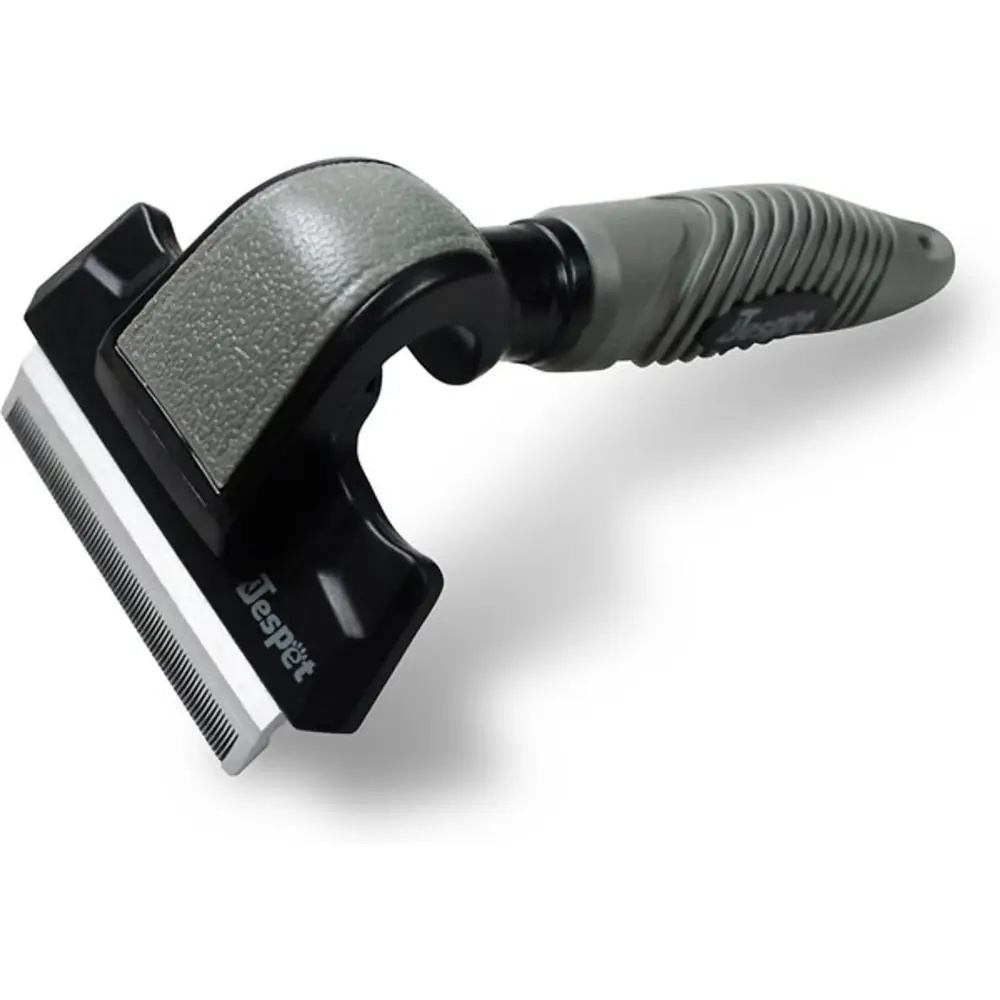
- Medium, long and curly coats: brush in sections down to the skin, checking behind the ears, under the collar, in the armpits and on the backs of the thighs. The Sakabase Curved Slicker Brush is made for medium to long hair; keep the pressure light.
- Double coats in shedding season: follow the slicker with a de-shedding tool on the dry coat, so less loose undercoat is left to soak and clump in the tub.
- Mats close to the skin: don’t bathe over them. Small ones can come out over a few short sessions with our guide to getting mats out of dog hair; tight ones are a groomer’s job.
Brush a few hours ahead or the day before, so your dog doesn’t face two handling sessions back to back. Alongside a rubber mat, the AKC suggests keeping nails short for a dog who scrambles in the tub, so trim them a few days before bath day. If the brush is a battle of its own, start with how to brush a dog that hates being brushed.
Set up the tub before your dog comes in
Hunting for the shampoo with one hand on a soapy, wriggling dog is how baths fall apart, so lay everything out first.
Choose the spot
A bathtub suits most dogs. A walk-in shower spares a big or older dog from being lifted, and a laundry sink works for a small dog if you keep a hand on them throughout. Bathe outdoors only on a warm day, since a wet dog chills quickly in cool air, and run the hose first: water that has sat in it in the sun can come out hot.
Make the floor steady
Lay a rubber bath mat in the tub, as the AKC recommends for dogs who scramble, or a folded towel if that’s all you have. Put a second towel outside the tub, where wet paws meet a slick floor.
Get the water right
Aim for lukewarm: comfortably warm on the inside of your wrist, never hot, in a warm room. Then choose how to deliver it:
- A few inches in the tub. The ASPCA’s dog grooming tips suggest three to four inches of lukewarm water, poured over your dog with a plastic pitcher or an unbreakable cup. It’s a quieter option for a dog who fears the sprayer.
- A handheld sprayer on low. Turn it on pointing away from your dog, check the temperature, then hold the nozzle close to the coat, where it splashes less and sounds quieter.
Put a lick mat within reach
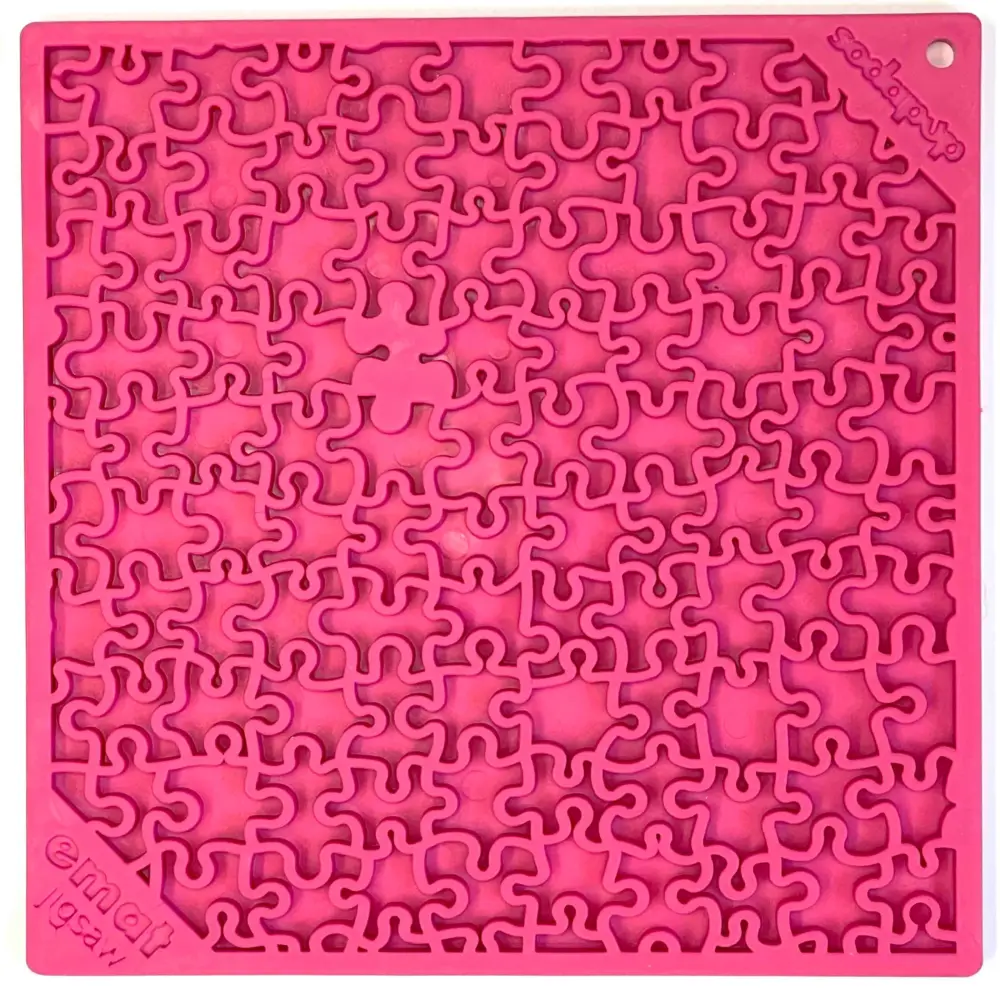
A lick mat gives your dog something steady to do with their head while you work on their body, and for many dogs licking is calming. Press a thin layer of xylitol-free peanut butter, plain yogurt or wet food into the grooves, and freeze it for a longer bath. Have a helper hold it at nose height, or rest it on the edge of the tub where your dog can reach it without twisting. Take it away if your dog starts chewing it. For more spreads, see what to put on a lick mat.
Your bath kit
- Dog shampoo, not yours. The AKC notes that shampoo made for people doesn’t have the right pH for a dog’s skin.
- A washcloth for the face.
- Three or more towels: one for the shake, one for the body, one for the floor.
- Small, soft treats in a cup outside the splash zone.
- Cotton balls, if your dog accepts them. The ASPCA suggests a large one in each ear to keep water out. Remember to remove them.
- A helper, if you can find one, and the bathroom door shut, so a soapy escape ends in the bathroom.
Nilosi doesn’t stock shampoo, towels, sprayers or dryers, so the picks here cover the two jobs where we do have a tool: the brush-out and the lick mat.
-
SodaPup
Jigsaw Enrichment Lick Mat for Dogs & Cats, Choose color
$25.95
Why it fits: Gives your dog a steady job while you wash; spread it thin, freeze it for a longer bath and have a helper hold it at nose height.
-
Sakabase
Curved Slicker Brush, View product
$39.95
Why it fits: Clears tangles and loose undercoat before the water goes on, since wet knots tighten; the curved head suits medium and long coats.


How to bathe a dog that hates baths, step by step
Keep the bath as short as the coat allows. A quick, calm bath does more for next time than a thorough one that ends in a wrestling match.
- Start with a tired dog. Bathe after a walk or a game, and give your dog a chance to pee first.
- Bring your dog in calmly. Lure them into the tub or shower with a treat. If you have to lift, support the chest and hindquarters together and set them down on the mat.
- Hand over the lick mat. Let your dog start licking before any water touches them, so the first thing that happens in the tub is good.
- Wet from the feet up. Start with the paws and legs, then the shoulders, back and sides, keeping the nozzle or cup close to the coat. Leave the head dry.
- Shampoo the body only. Lather from the neck to the tail with your fingertips, following the label, and keep shampoo well away from the eyes.
- Rinse, then rinse again. Work from the neck back until the water runs clear and the coat no longer feels slippery, including the armpits, belly and between the toes.
- Do the face last, with a washcloth. Wipe around the eyes, muzzle and ear flaps. The ASPCA warns against spraying or pouring water directly into the ears, eyes or nose.
- Pause if your dog panics. If they scrabble or try to climb out, turn the water off, steady them with a hand on the chest and offer the lick mat again. Carry on once they settle.
- Catch the shake. Drape a towel over your dog’s back before they step out, squeeze water from the legs and help them out onto the dry mat.
- End on a high note. A handful of treats or a favorite game the moment the bath is over makes it the last thing your dog remembers.
Safety note
A frightened dog can snap, even at an owner they trust. If your dog growls, lifts a lip, freezes or snaps, stop. Rinse out the shampoo only if you can do it safely, then end the bath. Never punish the warning, and get help from a trainer or your veterinarian before the next one.
Drying without the drama
Some dogs who put up with the water lose their nerve at the dryer, so keep drying quiet and quick.
- Towel first, and well. A brisk rub is fine on a short coat. On a long or curly coat, press and squeeze instead, since rubbing tangles it. A second dry towel gets far more water out than one soggy one.
- Expect the zoomies. Many dogs race around after a bath. Close the doors to rooms with beds and sofas, and let them run it off somewhere warm.
- The dryer is optional. If your dog fears it, towel well and let them finish drying in a warm room out of drafts.
- If you do use one, the AKC advises against the hottest setting and suggests holding it at least a foot away so you don’t burn the skin. Keep it moving and away from the face, and introduce the sound on another day, running across the room while your dog works on the lick mat.
- Check thick coats at the skin. A double coat can feel dry on top while the undercoat is still wet. Part the hair at the chest, armpits and base of the tail. In cold weather keep your dog indoors until fully dry; the AKC’s cold-weather advice is to make sure a dog is dry before a walk.
Building tolerance between baths
Bath day is a poor time to teach a dog to like baths. The progress happens on ordinary days, in short sessions where nothing scary happens. The AKC’s plan for a dog scared of baths has you lead your dog into the bathroom, sit on the floor and play, then leave, for a few weeks before you try the tub. Only then come a few seconds in the tub and, later, running water that doesn’t touch your dog. Build up in stages:
- Bathroom visits. Walk in, scatter a few treats or play for a minute, walk out.
- The empty tub. Lure your dog onto the rubber mat in a dry tub, give them the lick mat there, then let them hop out.
- Water running, dog dry. Turn on the tap while your dog licks, then turn it off.
- Wet paws. Pour a cup of lukewarm water over the feet, treat, and finish.
- A short rinse. Legs and back only, no shampoo, then a towel and treats.
Keep sessions to a few minutes, a few times a week, and move up a stage only when your dog walks in willingly and keeps eating. If they stop taking treats, go back one. Break the old cues too: bring the towels out on days with no bath.
Tip
There’s no set timeline: some dogs settle quickly, others need far longer at the early stages. If a bath can’t wait, keep it short with the setup above, then pick up the practice where you left off. With a young puppy, start these visits before any fear sets in; how to bathe a puppy covers a gentle first bath.
When the bath still goes wrong
Three habits make the next bath harder: bathing only when you’re rushed and frustrated, holding your dog down or scolding them for struggling, and letting them leap out onto wet tile. If those are covered and baths still go badly:
- Won’t get in the tub. Go back to dry tub visits with treats on the mat. A big or older dog may do better walking into a shower than being lifted.
- Tries to climb out halfway through. Shorten the bath and have a helper keep the lick mat at nose height, then put in more tolerance practice before the next full bath.
- Shivers. Warm the room and the water, and dry faster. Shivering can be fear as well as cold, so keep baths shorter while you practice. If your dog still shivers once dry and warm, or seems unwell, call your veterinarian.
- Fights the face. Leave it out of the tub and wipe it afterward with a pet wipe or a damp cloth.
When a wipe-down will do instead
A dog who hates baths doesn’t need extra ones. Many stay pleasant for weeks with regular brushing, a wipe-down of the paws, belly and face, and a damp cloth on muddy patches; our guide to cleaning a dog without a bath has the zone-by-zone routine. If your dog has a skin condition, ask your veterinarian how often to bathe.
Some messes can’t wait: a roll in something foul (see why dogs roll in smelly things to prevent the next one), mud soaked through to the skin, or anything oily or sticky, which is worth a call to your veterinarian before you wash it off.
Between baths, wipes handle most grime and a paw cleaner cup deals with muddy feet at the door. If your dog is wary of water, introduce the cup with treats, the same way you practiced the tub.
-
Mr. Peanut’s
Naturals Pet Wipes
$26.95
Why it fits: Cleans muddy paws and a grubby belly on days a full bath can wait; each large, thick 6 x 10 in wipe covers a patch without tearing.
Currently out of stock
-
Bark Fifth Avenue
Fabulous Paws Dog Paw Cleaner Cup, Choose size & color
$31.95
Why it fits: Rinses muddy paws at the door with a little water and a twist, so a wet walk need not end in the tub; the bristles are soft silicone.


More tools for the brush-out and the days between baths are in our grooming collection.
When to call a groomer, trainer or veterinarian
- A groomer for a big or heavy-coated dog you can’t lift into the tub or dry at home, for mats, or when a bath can’t wait for your practice to catch up. Ask how they handle a dog who fears water or the dryer; Fear Free, for one, offers a certification program for groomers.
- A reward-based trainer if your dog growls, snaps or has bitten during a bath, or the fear is spreading to the bathroom door or the sight of a towel. A trainer can watch a practice session and set the pace of the stages above.
- Your veterinarian if the fear is new, if your dog seems sore climbing in or standing in the tub, or if they tremble, panic or refuse treats near the bathroom. VCA advises seeing your veterinarian when fear is extreme or started recently; they can check for a medical cause and discuss options, including medication for baths that can’t be avoided. Never give a sedative or human medication on your own, and follow your veterinarian’s directions for any medicated bath.
Related guides
-
Checklist
Dog Grooming Checklist: The Essentials by Week, Month and Season
Every home grooming job sorted by how often it comes around: brushing by coat, a weekly nose-to-tail check, teeth, nails and paw fur, after-walk cleanups, baths and shedding season, plus what to skip and which jobs to hand to a groomer or veterinarian.
-
How-to
How to Groom a Senior Dog at Home: Brushing, Nails and Lump Checks
Many older dogs tire of standing, and shorter walks wear their nails down less. Here is how to set up a comfortable spot, brush gently by coat type, keep nails short, clean up between baths, check for lumps as you go and know when a groomer or veterinarian should take over.
-
Checklist
Staying With Family or Friends With a Dog: A Houseguest Checklist
A houseguest checklist for a few days at your parents’ or friends’ home with your dog: the questions to ask first, what to pack, meeting a resident dog or cat, a hazard check, a quiet room and routine, and the cleanup before you leave.