Puppies & Kittens How-to
How to Bathe a Puppy for the First Time, Step by Step
Short answer
Gentle baths can start at about 2 months old. The AKC’s puppy bathing guide suggests just lukewarm water and a washcloth until 3 or 4 months, then a mild, pH-balanced dog shampoo. Keep it calm and short: a few minutes in a warm room, with treats, a dry face and ears, and a towel ready the moment you finish.
When to give a puppy a first bath
A new puppy doesn’t need a bath on day one. If your puppy isn’t dirty, the first few sessions can be practice instead: a minute in a dry sink or tub with treats, then a cuddle in a towel. The AKC’s guide to bathing a puppy quotes a certified master groomer who encourages bathing puppies from as young as 2 months, so the routine is familiar long before your puppy is big enough to argue about it. The same guide notes that a puppy’s first groomer visit often involves no bath at all; its job is to show that grooming isn’t scary.
What goes in the water changes as your puppy grows:
| Age | What to use | Keep in mind |
|---|---|---|
| Under 2 months | A damp cloth on dirty spots | Ask your veterinarian first |
| 2 to 3 months | Lukewarm water and a washcloth | Body only, a few minutes |
| 3 to 4 months | Washcloth, or a little dog shampoo | A small amount, rinsed out well |
| From 4 months | A mild, pH-balanced dog shampoo | Rinse twice, then dry right away |
Accidents don’t wait for a schedule. VCA Animal Hospitals notes that young puppies who are still being house-trained will soil themselves and should be bathed right away. That doesn’t have to be a full bath: lukewarm water in the sink, only the messy legs or bottom, then a thorough towel dry.
Safety note
If your puppy is under about 2 months old, or has diarrhea, a cough, unusual tiredness or red, flaky or itchy skin, call your veterinarian before a full bath and spot-clean with a damp cloth in the meantime. Fleas are a vet question too: flea shampoos and spot-on treatments list a minimum age and bathing directions on the label, and many aren’t meant for very young puppies.
What you need before the water goes on
Lay everything out within arm’s reach of the sink or tub before you pick your puppy up. Once they’re wet, one of your hands stays on them for the whole bath.
- A warm room with the door shut. No open windows or fans, and nowhere to bolt to if your puppy slips out of your hands.
- The right spot. A clean kitchen or laundry sink suits a small puppy; a bathtub, with you kneeling beside it, suits a bigger one.
- Something to grip. A rubber bath mat or a folded towel in the bottom, so paws don’t slide.
- Shallow, lukewarm water. Warm, never hot, on the inside of your wrist, and well below your puppy’s chest. A plastic cup to pour with is quieter than a sprayer.
- Two washcloths. One for the body and one kept clean for the face.
- Dog shampoo, from 3 or 4 months. The AKC’s groomer chooses one that is made for dogs and pH-balanced.
- Two or three towels, plus one on the floor where you’ll lift your puppy out.
- Tiny, soft treats and a lick mat. Spread the mat thinly with food your puppy already eats; more ideas are in what to put on a lick mat.
- A brush that suits the coat, for a quick pass before the bath and another once your puppy is dry.
Our picks are limited to Nilosi’s catalog, which has no shampoo or towels, so you’ll need your own. These four cover the jobs around the water: something to lick, a brush for each kind of puppy coat and a wipe for the days in between.
-
SodaPup
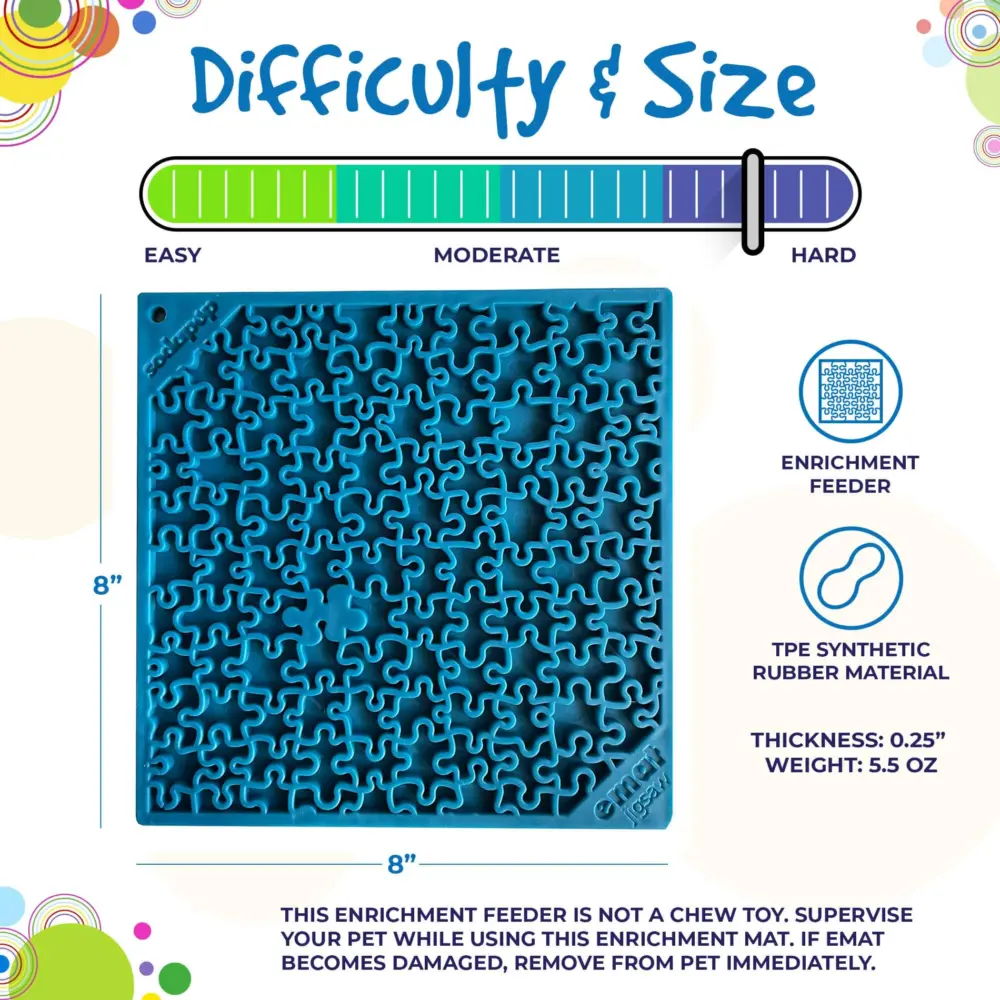
Jigsaw Enrichment Lick Mat for Dogs & Cats, Choose color
$25.95
Why it fits: Gives a wiggly puppy something to lick while you wash; spread it thinly with their usual food and hold it at nose height in the sink or tub.
-
Sakabase
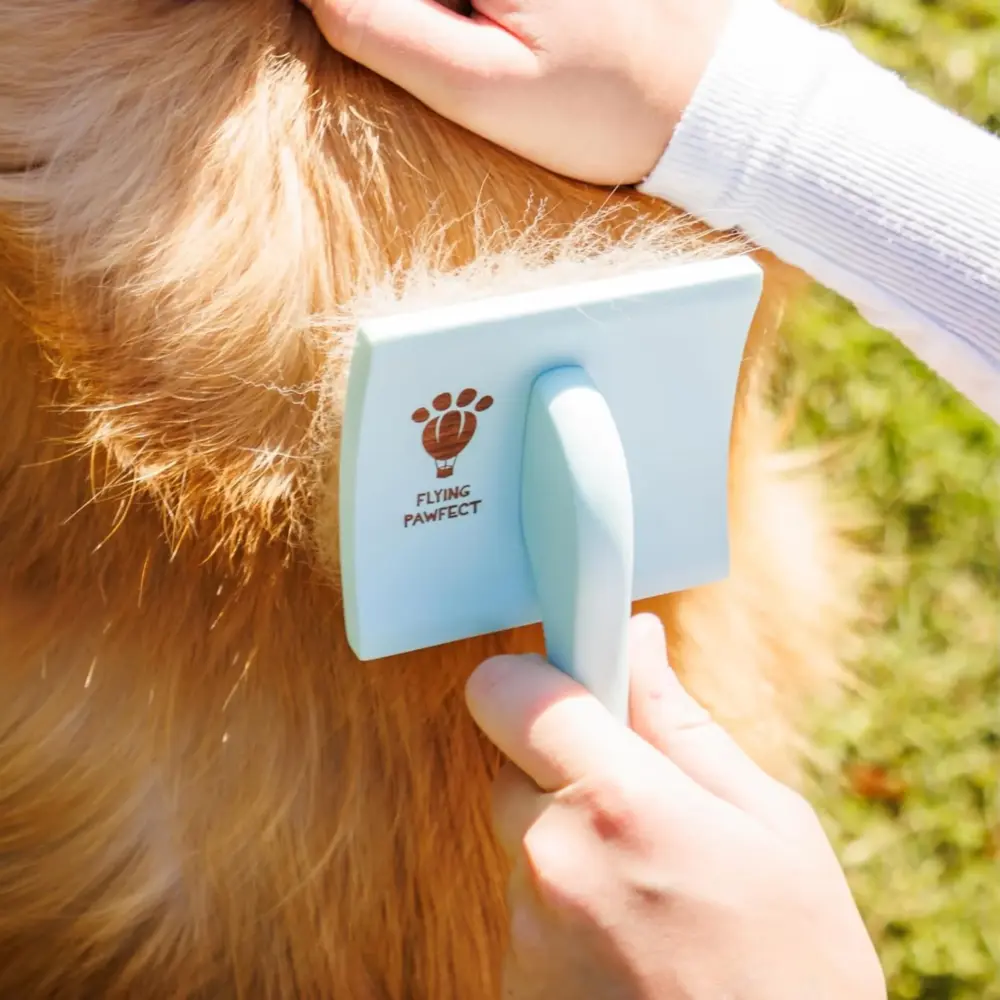
Curved Slicker Brush, View product
$39.95
Why it fits: Clears tangles from medium or long puppy coats before the bath; the fine, firm pins need only feather-light strokes on young skin.
-
3-in-1 Steam Grooming Brush for Cats & Dogs, View product
$36.95
Why it fits: A gentle brush for short puppy coats once they are dry; soft silicone pins remove loose hair, and it mists only when you press for it.
-
Mr. Peanut’s
Naturals Pet Wipes
$26.95
Why it fits: Handles muddy paws and small messes between baths; one large, thick wipe covers a paw or a patch of coat without soaking your puppy.
Currently out of stock




How to bathe a puppy, step by step
Aim for a calm, short bath rather than a perfect one. A puppy who climbs out warm and fed will walk back in next month.
- Brush first. Run a brush lightly through the dry coat. VCA warns that tangles can become impossible to remove after a bath.
- Pick a sleepy moment. After play and a potty break, when your puppy is ready to settle, and not straight after a big meal.
- Set your puppy down gently. Support the chest and hindquarters, lower them onto the mat and let them sniff for a few seconds, with a treat or the lick mat at nose height.
- Wet from the paws up. Pour lukewarm water over the feet, then the legs, back and sides, keeping the cup close to the coat. Leave the head dry.
- Wash the body. Until 3 or 4 months, stroke the damp washcloth along the lie of the coat. After that, work in a little dog shampoo with your fingertips; the AKC’s groomer says not to scrub.
- Rinse, then rinse again. After shampoo, pour until the water runs clear and the coat no longer feels slippery, armpits, belly and toes included. The AKC’s groomer says to keep rinsing after you think you’re done.
- Do the face last, with the clean, damp washcloth, as described in the next section.
- Wrap before you lift. Drape a towel over your puppy so the first shake lands in it, then lift them out with both hands onto the floor towel.
- Finish with a reward. A treat and a few minutes of cuddling in the towel make the end of the bath the part your puppy remembers.
Safety note
Keep a hand on your puppy from the moment they’re in the water until they’re on the floor. A wet puppy can slip, or leap from a sink or counter, in a second. If the doorbell rings, wrap your puppy in a towel and take them with you.
Keep water and soap off the face and ears
Water up the nose or soap in the eyes is the quickest way to turn a first bath into a bad memory. The AKC guide warns that even tearless shampoos can irritate a dog’s eyes, and the ASPCA’s dog grooming tips advise against spraying or pouring water directly into the ears, eyes or nose.
- Eyes and muzzle. Wring the face cloth until it’s barely damp. Wipe the fur around each eye, moving away from the eye rather than across it, then the muzzle, chin and lips.
- Ears. Wipe only the parts of the ear flap you can see. The AKC’s groomer points out that a dog’s ear canal is shaped like an L, so water that gets in can be trapped there, and she gently pinches the base of the ear closed while cleaning the face. Rinse the neck with the cup tilted away from the head.
- Facial folds. On a Pug, Shar-Pei or any puppy with wrinkles, wipe inside the folds with damp cotton, then pat them completely dry, as the ASPCA advises for wrinkled faces.
- Soap in an eye. Rinse it gently with clean, lukewarm water. Call your veterinarian if the eye stays red, watery or squinting afterward.
Drying off and a gentle brush
Drying matters as much as washing for a puppy. The AKC’s guide to hypothermia in dogs lists puppies and small dogs among those at higher risk of losing body heat quickly, and advises making sure a dog is dry before going out for a walk.
- Towel by pressing. Squeeze the water out of the coat rather than rubbing, which tangles fluffy and long hair. Switch to a dry towel as soon as the first one is soggy.
- Stay somewhere warm. Keep your puppy indoors, out of drafts, until they’re dry right down to the skin, and don’t take them out for a potty trip damp on a cool day.
- A dryer is optional. The AKC’s groomer uses a small handheld dryer on a low setting while brushing. If you try one, test the airflow on your hand first, keep it moving and away from the face, and let your puppy hear it from across the room on an earlier day.
- Brush once dry. A few light strokes along the lie of the coat lift out hair the bath loosened. With a slicker, keep the pins barely touching the skin. For the routine as the coat grows, see how often to brush a dog.
How often to bathe a puppy
Less often than many new owners expect. The groomer in the AKC guide suggests a monthly bath to keep oil and dirt from building up, the ASPCA recommends bathing dogs at least once every three months, and VCA says most dogs need a bath when the coat is dirty or starts to smell. Taken together, a full bath about once a month, or whenever your puppy is genuinely dirty, is a sensible starting point, with spot cleaning for accidents and muddy legs in between.
Between baths, a pet wipe or a damp washcloth handles most of what a puppy collects in a day; how to clean a dog without a bath has the zone-by-zone routine. If your veterinarian prescribes a medicated shampoo, follow their directions for how often to use it and how long to leave it on.
First-bath mistakes to avoid
- Borrowing your own shampoo. VCA says dogs should be bathed only with shampoo made for dogs, and that human shampoo, baby shampoo included, is far too harsh for their skin.
- Chasing a perfect clean. The first bath is mostly about the experience. Wash what’s dirty and get your puppy out while they’re still calm.
- Stacking every grooming job. A bath, a full brush-out and a nail trim back to back is a lot for a young puppy. Spread them over different days; how to trim puppy nails covers a first trim.
- Bathing away a problem. A puppy who smells again a day or two after a bath, keeps scratching, or has greasy, flaky or red skin needs a veterinarian’s look, not more baths or a stronger shampoo.
If your puppy panics or won’t settle
Some puppies cry, scrabble or try to climb out the first time. Stop pouring, wrap them in a towel, hold them against your chest and offer the lick mat; the AKC guide leans on treats, swaddling and cuddling to help puppies feel safe. Continue only once your puppy relaxes. If they keep fighting, rinse off any shampoo quickly, dry them and end with a treat. Holding a puppy down to finish the job teaches them that the sink means being trapped.
Then try again tomorrow, in smaller steps:
- Cries in the sink. Spend a few short sessions in the dry sink or tub with treats on the mat, then wet only the paws.
- Nips at your hands or the cup. The ASPCA notes that young puppies often get goofy and nippy at bath time and suggests a floating toy to focus on. Keep the cup low; the lick mat works too.
- Shivers. Warm the room and the water, and towel faster. If your puppy is still shivering once dry and warm, or seems weak, call your veterinarian.
- Hates the dryer. Skip it. A towel and a warm room do the job.
For everyday handling that makes bath day easier, see how to get a puppy used to grooming. If your puppy already dreads the tub, or the fear grows with each bath, how to bathe a dog that hates baths builds tolerance in stages; a reward-based trainer can help if your puppy growls or snaps. More brushes and wipes are in our grooming collection.
Related guides
-
How-to
How to Get a Puppy Used to Grooming: Touch, Brushing and the Groomer
Short, rewarded sessions that teach a puppy to accept grooming before any dislike sets in: touch for paws, ears, mouth and tail, a first brush matched to the coat, wipes between baths, groomer practice at home, and the signs your puppy needs a break.
-
How-to
How to Groom a Senior Dog at Home: Brushing, Nails and Lump Checks
Many older dogs tire of standing, and shorter walks wear their nails down less. Here is how to set up a comfortable spot, brush gently by coat type, keep nails short, clean up between baths, check for lumps as you go and know when a groomer or veterinarian should take over.
-
How-to
How to Keep a Cat Cool in Summer: Cool Spots, Water and Heat Signs
A hot-day plan for indoor cats: why panting is a red flag, heatstroke first aid, blinds and safe airflow, extra water, a cool floor or gel mat, brushing instead of shaving, play at the cool ends of the day, and leaving your cat home in the heat.