Grooming & Shedding How-to
How to Clean Up a Dog After Swimming in a Lake, Pool or the Ocean
Short answer
Yes. Rinse your dog with fresh water after every swim, longer than seems necessary, to get salt, sand, chlorine or lake water out of the coat, and right away if the water might hold toxic algae. Towel-dry to the skin, dry the ears, paws and skin folds, then brush out leftover sand once the coat is fully dry.
What to pack for the cleanup
At a lake or the beach, most of the cleanup happens at the water’s edge, before your dog gets back in the car. Beach showers and lakeside taps can be far away, shut off out of season or closed to dogs, so bring your own rinse water. At a backyard pool, the hose does the same job.
- A jug or two of tap water for rinsing, more for a big or long-coated dog
- Drinking water and a bowl, kept apart from the rinse water
- Two absorbent towels per dog: one to blot, one kept dry for the final rub-down
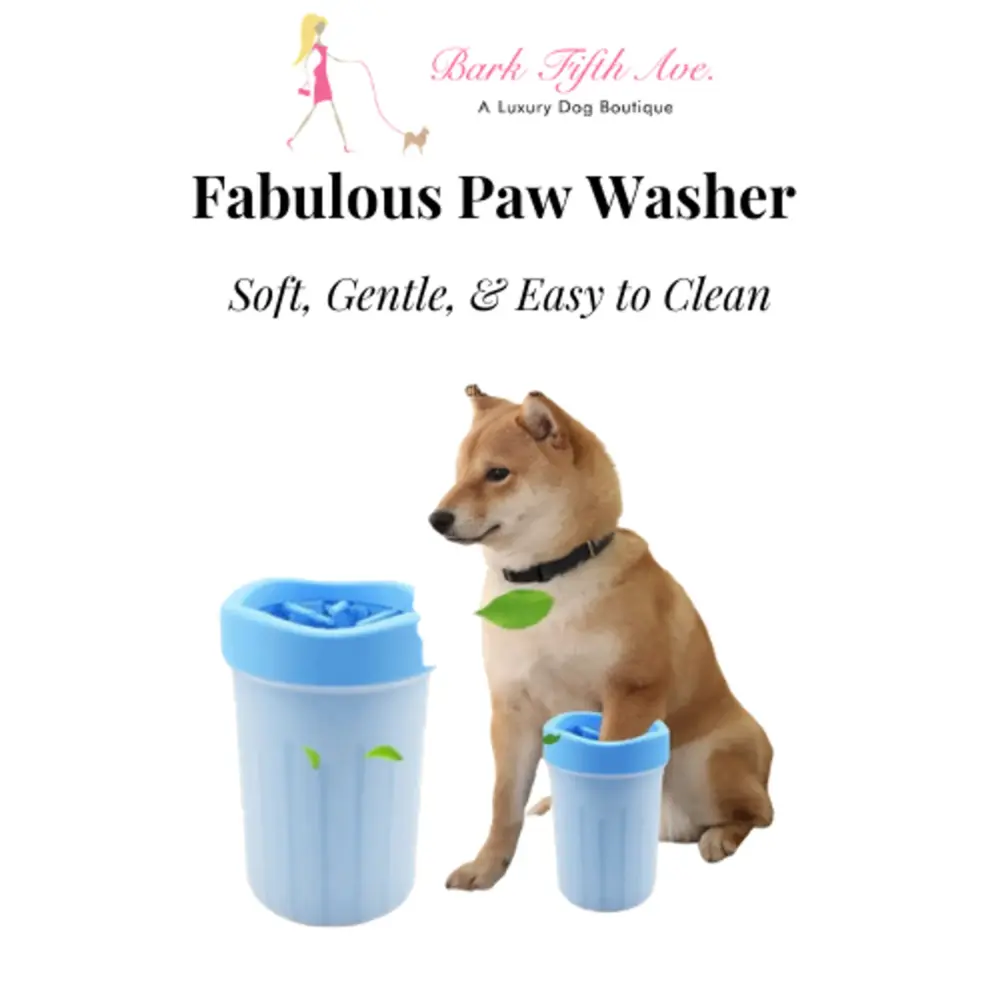
- A paw cleaner cup, plus large pet wipes for the face and ear flaps
- A bag for wet towels, toys and a soaked harness or collar
- At home: a brush that suits the coat, a dog shampoo and cotton balls for the ears
Drinking water is on the list because a thirsty dog drinks whatever it swims in, and the ASPCA’s hot-weather safety tips advise against letting dogs drink from the pool or swallow ocean or lake water. Heading to the coast? Our checklist for taking your dog to the beach covers the rest of the day, from dog rules to hot sand. The four picks below cover the drink, the paws, the face and the brush-out; they are limited to what Nilosi stocks, and there is more in our clean-up supplies.
-
Flipo
Fold-A-Bowl Dog Water Bottle with Fold-Out Bowl, Choose color
$28.95
Why it fits: Gives your dog fresh water between swims, so there is less reason to drink the lake or sea; the 26 oz bottle’s cover folds out into a bowl.
-
Bark Fifth Avenue
Fabulous Paws Dog Paw Cleaner Cup, Choose size & color
$31.95
Why it fits: Clears sand and lake grit from between the toes where a towel misses it; soft silicone bristles inside, and the water stays in the cup.
-
Mr. Peanut’s
Naturals Pet Wipes
$26.95
Why it fits: Cleans the face and outer ear flaps, where rinse water shouldn’t go; large, thick 6 x 10 in wipes sold for eyes, ears, paws and body.
Currently out of stock
-
Sakabase
Curved Slicker Brush, View product
$39.95
Why it fits: Brushes leftover sand out of a medium or long coat once it is fully dry; the curved head’s fine, firm pins reach down to the undercoat.




How to clean a dog after swimming, step by step
The routine is the same for every kind of water; what changes is what the water leaves behind.
| Water | What it leaves | The extra step |
|---|---|---|
| Ocean | Salt and sand deep in the coat | Brush out the sand once dry |
| Lake or river | Mud, seeds, possible algae | Check for burrs and ticks |
| Pool | Chlorine in the coat and skin | An extra-long, cool rinse |
At a lake or the beach, work through the first eight steps before your dog gets back in the car:
- Let your dog shake first. Step back or drape a towel over the back; one good shake throws off much of the water.
- Rinse from the neck back. Pour fresh water along the neck, back and sides, then the chest, belly, legs and tail, keeping it out of the eyes and ears.
- Work it down to the skin. Part a thick coat with your fingers as you pour, and lift collar and harness straps to rinse underneath, where sand and salt collect.
- Rinse longer than seems necessary. Stop when the water runs clear and the coat no longer feels gritty, sticky or slick.
- Clean the paws. A paw cleaner cup with fresh water lifts sand and grit from between the pads. Check for cuts from shells, rocks or glass.
- Blot, don’t rub. Press the first towel into the coat section by section, then finish with the dry one. Rubbing in circles tangles long hair.
- Dry the ears and folds. Wipe the underside of each ear flap and the opening you can see, then any skin folds, the armpits and the groin.
- Offer fresh water and a rest in the shade, and keep an eye on your dog for the rest of the day.
- Finish at home. Take off a damp harness, let the coat dry completely, then brush. Bathe with a dog shampoo if the coat still feels salty or gritty, or smells of the water.
Ocean swims: salt and sand
The ASPCA recommends rinsing your dog after swimming to get salt or chlorine out of the fur. After the ocean, do it at the beach if you can, rather than letting the salt dry into the coat on the drive home.
Sand is the slower job. Wet sand clings to a thick or long coat and packs between the toes, in the armpits and under the collar, where grit trapped under a strap can rub, so rinse those spots first. Whatever the rinse misses comes out more easily once the coat is completely dry: let your dog shake, then brush through in sections outdoors, with a slicker brush on a medium or long coat. On a short coat, a rub with a dry towel and a good shake usually clear the rest.
If sand gets in your dog’s eyes, flush them gently with clean water, and call your veterinarian if squinting, redness or pawing at the eye doesn’t settle soon after. Watch, too, after a day of fetch in the waves: the AKC notes that a dog who drinks a lot of seawater typically vomits within a few hours, and its guide to salt water poisoning lists the more serious signs.
Lake and river swims: mud and algae
Fresh water leaves no salt behind, but lakes, ponds and rivers send dogs home with mud, plant debris and whatever lives in the water. Rinse with clean tap water from your jug, not one last dip, which only puts the same water back in the coat.
Mud, weeds and burrs
Rinse packed mud out of the belly, legs and paws before it dries hard, then run your hands over the whole dog: seeds and burrs hide in the armpits, ear flaps and tail and between the toes. Our guide to getting burrs out of dog fur covers removing them, and when a grass seed needs a veterinarian instead. If the path ran through tall grass or brush, do a tick check while the coat is parted. And if your dog found a dead fish to roll in, a rinse won’t shift the smell; our guide on why dogs roll in smelly things explains the cleanup.
Algae blooms and still water
Safety note
Check for posted advisories, and keep your dog out of water that looks discolored or has foam, scum, mats or a paint-like film on top. If your dog does go in, the CDC’s guidance on preventing pet illness from harmful algae is to wash them off with clean water straight away and not let them lick their fur. Animals can become seriously ill within hours to days, so call your veterinarian right away if your dog vomits, drools or foams at the mouth, stumbles, trembles, has diarrhea or a seizure, or seems listless after contact with the water.
Still and slow-moving water carries another risk. According to Cornell’s Riney Canine Health Center, the most common way dogs get leptospirosis is water contaminated with urine, particularly stagnant or slow-moving water such as puddles, ponds and lakes. A rinse doesn’t undo that exposure. Cornell recommends vaccinating dogs against leptospirosis every year, so if your dog swims in fresh water, ask your veterinarian whether the vaccine is up to date.
Pool swims: chlorine and long fetch sessions
Pool water looks clean, but the chemicals that keep it that way stay in the coat. The AKC’s advice on pool-proofing your dog’s coat is to rinse with cool water after every swim, for longer than you think you need to, and to dry the inside of the ears. Chlorine can leave the skin dry and itchy and the coat dull, and the AKC notes it can slightly bleach a dark coat. Through swim season it suggests combing out tangles and giving a weekly bath with a gentle, moisturizing dog shampoo and conditioner.
A saltwater pool still needs the rinse, since its system turns the salt into chlorine. Set a bowl of fresh water poolside so your dog isn’t drinking from the pool, and never leave a dog alone near one.
Long fetch sessions, in a pool or a lake, carry a less obvious risk: dogs swallow water with every retrieve. The AKC’s guide to water intoxication says toy and small dogs are at greater risk, and suggests frequent rest breaks and a flatter toy such as a flying disc instead of a ball. Lethargy, bloating, vomiting or stumbling after water play needs a veterinarian immediately.
Drying the spots that stay wet
Four places hold water long after the rest of the coat has been toweled off.
Ears
The AKC’s overview of ear infections in dogs explains that frequent time in water can trap moisture and heat in the ear, advises extra care with floppy ears, and says to dry ears thoroughly after swimming. Lift the flap and wipe the underside and the opening you can see with a towel or a cotton ball. Don’t push anything into the canal, which the ASPCA warns can cause trauma or infection, and use an ear cleaner only as your veterinarian directs.
Paws
Sand and small stones lodge between the pads, and the fur there is slow to dry. After the cup, press a towel between each toe; the routine in our guide to cleaning dog paws after a walk works the same at the water.
Skin folds
Pugs, Bulldogs, Shar-Peis and other wrinkled dogs hold water in every fold. The ASPCA’s advice for these breeds is to clean folds with damp cotton and always dry between them thoroughly. Press a dry cloth or cotton pad into each fold until it comes away dry; see how to clean a dog’s face for the full fold routine.
Thick and double coats
On a Labrador, a Golden Retriever or any dense double coat, the outer hair can feel dry while the undercoat is still wet against the skin, so part the coat in a few places and touch the skin before you call it done. VCA explains that matted fur holds water against the skin after a swim, creating the conditions for hot spots: red, inflamed, oozing patches that can spread within hours. Keep mats brushed out through swim season.
If your dog accepts a hair dryer, use the cool or lowest setting, keep it moving and hold it well away from the skin. Brush only once the coat is completely dry, because wet hair clumps and drags against the pins.
Getting a damp dog home
Even after a good towel-off, a swimmer gets in the car damp and a little sandy. Fit a waterproof hammock or seat cover at home rather than in the parking lot, and lay a towel on top, since waterproof fabric sheds water instead of soaking it up. Ours is the GF PET waterproof hammock, which measures 58 x 57 in, so measure your back seat first; our comparison of dog hammocks and seat covers explains which style suits your car.
A cover keeps the seat clean but doesn’t keep your dog on it, so use the crate or harness and tether your dog normally rides with, never a tether clipped to a collar. Run the air conditioning or open the windows a little so the coat keeps drying, and never leave a damp dog in a parked car on a warm day. Back home, shake the sand off the cover outdoors, wash it as its label directs and hang wet towels the same day.
Mistakes and troubleshooting
- Judging dryness by the surface. A dense coat can stay wet at the skin for hours after it feels dry on top.
- Brushing too soon. A damp coat tangles and pulls; blot now and brush once it’s dry.
- Rinsing in the same water. A final dip in the lake or pool puts back what you just washed out.
A wet-dog smell that lingers
Something stayed damp, usually the undercoat, the ears or the harness and collar. Dry them fully, and bathe with a shampoo made for dogs if the smell is the water itself. A smell coming from the ears or a patch of skin is a question for your veterinarian.
A dog who dodges the rinse
Start with the paws and legs, which most dogs mind least, pour slowly instead of spraying, and reward as you go. Practice at home on a dry day with a cup of water and a handful of treats, then keep the first real rinses short.
Signs to call your veterinarian after a swim
Whatever the reason for a call, tell the clinic where your dog swam and for how long.
Safety note
Call your veterinarian or an emergency clinic right away for vomiting, diarrhea, drooling, weakness, stumbling, tremors, confusion or seizures after a swim. Toxic algae, swallowed seawater and too much water from fetch can all cause signs like these, and some become serious within hours. If your dog went under, struggled or inhaled water, have them checked even if they seem fine, because coughing or labored breathing can appear hours later.
Book a visit if you notice any of these in the days after:
- Head shaking, scratching at the ears, or ears that look red, smell or have discharge.
- A red, moist or smelly patch of skin, especially under a thick coat.
- Limping, a cut pad or something lodged between the toes that won’t come out.
- A tail that suddenly hangs limp and hurts when touched after a long or cold swim. Cornell’s page on limber tail says it is most often seen in large, athletic hunting and working dogs such as Labrador Retrievers.
- Fever, low appetite, vomiting, more thirst or less energy after swims in a pond or lake, which Cornell lists among the signs of leptospirosis.
Related guides
-
Guide
Why Do Dogs Roll in Smelly Things? How to Stop It and Clean Up
Nobody knows for sure why dogs roll in poop, dead fish and worse. The leading theories and their holes, the signs a roll is coming, the leash, leave-it and recall habits that prevent it, a cleanup plan for the walk, the ride and the bath, and when to call your veterinarian.
-
Checklist
Winter Hiking With a Dog: Checklist for Cold, Ice and Short Days
A winter trail-day checklist: plan a shorter, sheltered route around daylight, keep your dog leashed and off frozen water, pack water that won't freeze and a coat for dogs who feel the cold, check paws for ice balls and salt, and know when to turn back.
-
Checklist
What to Bring to the Dog Park (and What to Leave at Home)
A dog park checklist for the first visit and every one after: what goes on your dog and in your bag, what to leave at home, how to scout a park and use the double gate, the signs it's time to go, and a quick cleanup for paws and car seats before the drive home.