Journal Guide
What Cats Actually Enjoy: Hunting, Height, Warmth and Routine
Short answer
Cats want four things: a complete hunting sequence, somewhere high to watch from, somewhere warm to rest, and a routine they can predict. Toys matter far less than how you use them, and a play session that ends with a catch and a meal satisfies a cat in a way endless chasing does not.
Four things most cats want
Indoor cats are not under-stimulated because they lack toys. They are under-stimulated because the four things on this page are missing, or available in the wrong form. Fix those and most behaviour problems in indoor cats get smaller on their own.
The hunt, in full
A cat hunting goes through a sequence: stare, stalk, chase, pounce, catch, kill, eat, groom, sleep. A laser pointer offers the first four and then stops dead, which is why some cats become frustrated with them. The fix is simple and it changes play entirely.
- Move the toy like prey: away from the cat and into cover, not toward their face.
- Let them stalk. Pauses are part of it, not a failure.
- Let them catch it properly, more than once.
- End with a real catch they can hold and kick.
- Feed a small meal or a few treats straight afterwards.
- Leave them alone to groom and sleep.
Two sessions of five to ten minutes usually beat one long one. Rotate toys rather than leaving them all out, because a toy that is always available stops being prey. How long to play with a cat covers timing in more detail.
Height and vantage points
Height is safety for a cat. From up high they can see the room, keep distance from a dog or a toddler, and sleep without watching their back. In homes with more than one cat, vertical space does more to reduce conflict than floor space, because it lets two cats share a room without sharing a level.
- A cleared shelf or the top of a wardrobe counts, and costs nothing.
- A perch at window height is better than one in the middle of the room.
- Make sure there is a way up that an older or heavier cat can manage.
- One high spot per cat, plus one, in a multi-cat home.
Warmth and the right surface
Cats are comfortable at a higher temperature than most people keep a house, which is why they find the one patch of sun, the laptop and the radiator. Warmth is a genuine need rather than a luxury, particularly for thin-coated, very young, very old or unwell cats.
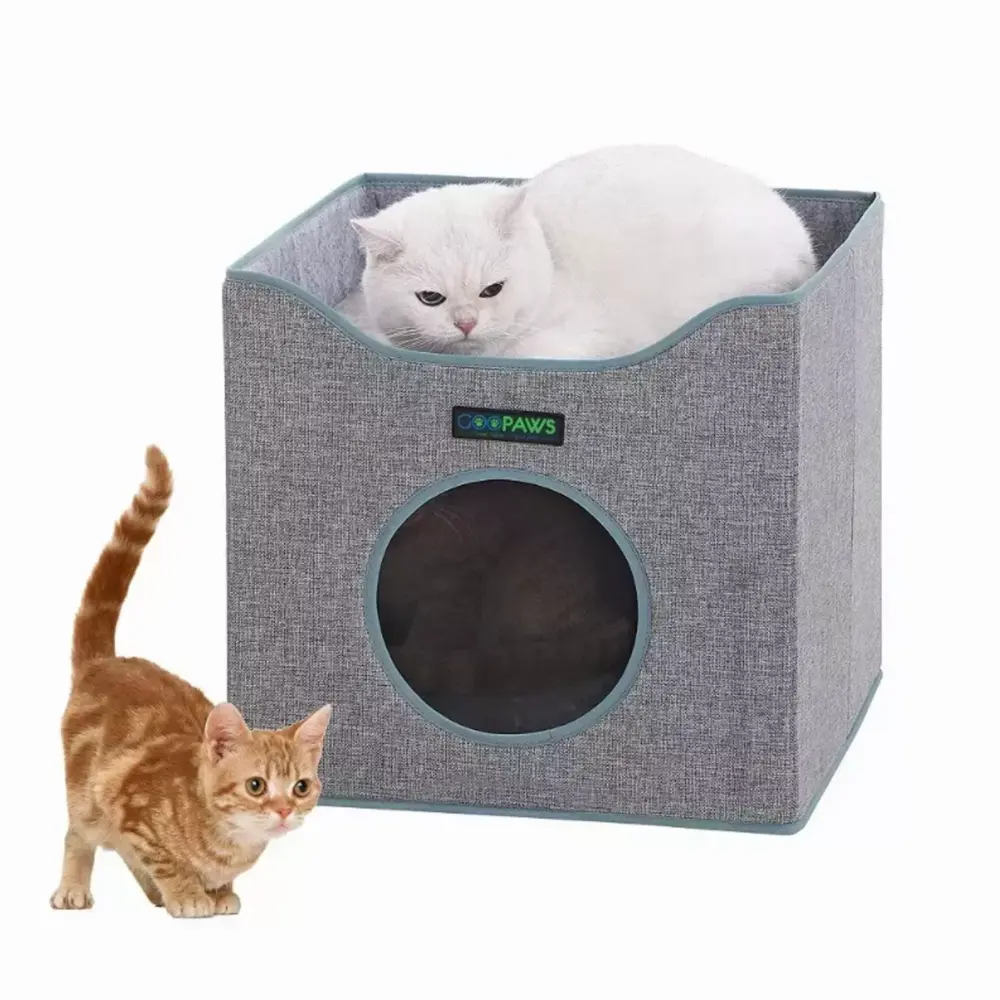
Surface matters as much as temperature. Most cats prefer to sleep against something: a wall, a bolster, or the inside of an enclosed bed. An open cushion in the middle of a room is usually the least-used bed in the house.
Predictable routine
Cats are strongly routine-driven. Meals, play and quiet time at roughly the same points in the day reduce stress far more than people expect, and changes to routine are one of the most common triggers for behaviour problems. Predictable does not mean rigid; it means your cat can tell roughly what happens next.
Food as an activity
A bowl of food is finished in two minutes and gives a cat nothing to do. Cats in the wild hunt and eat ten or more small meals across a day, which is a world away from two bowls at fixed times. Making food take effort is one of the easiest improvements available indoors.
- Scatter feeding. Throw a portion of dry food across a room or a hallway and let your cat find it.
- Puzzle feeders. Start very easy; cats give up much faster than dogs if the first attempt fails.
- Multiple small meals rather than two large ones, where your routine allows it.
- Feeding stations in different rooms, which adds movement to the day.
- Feeding after play, which completes the hunting sequence and is the single best-timed meal of the day.
This matters even more for cats on a diet. The same reduced portion spread into several finds across the day feels far less like deprivation than the same amount in one bowl. How to check your cat is a healthy weight covers whether that applies to yours.
Scratching is a need
Scratching stretches the body, maintains the claws and leaves a scent mark. A cat who scratches the sofa is not misbehaving, they are doing something necessary in the only suitable place available. The answer is a better surface in the same spot rather than a correction.
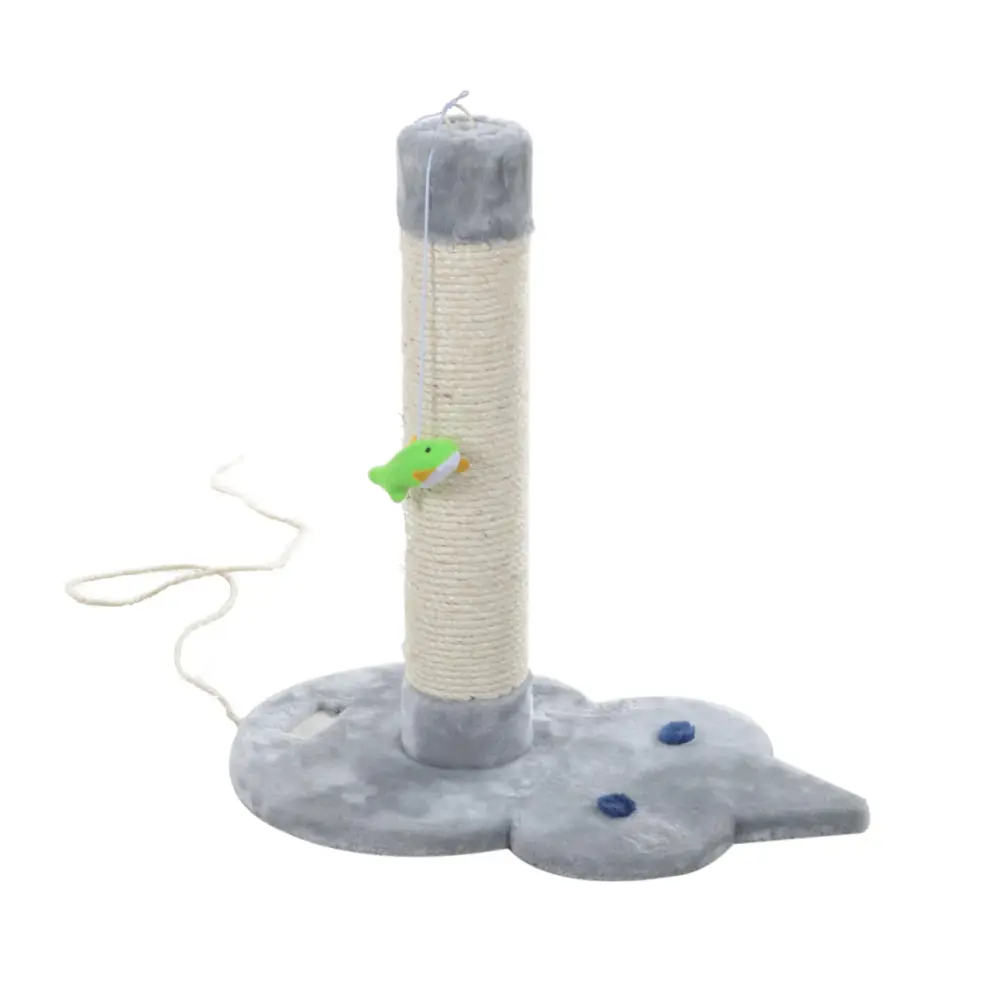
Most cats prefer sisal to carpet, and a post that does not wobble to one that does. Our guide on types of cat scratchers covers vertical against horizontal and how to tell which your cat prefers by watching them.
What cats are given that they do not want
- An open bed in the middle of the room. Cats sleep against things. Position beats padding.
- Food and water side by side. Many cats dislike drinking next to their food and will drink less because of it.
- A covered litter box in a corner, which traps smell and gives a cat only one way out. Some cats accept it; many quietly stop using it.
- Toys left out permanently. Novelty is most of the value. Four toys rotated weekly beat twenty in a basket.
- Being carried around. Tolerated by many, enjoyed by few.
- Strong scents. Plug-in air fresheners, scented litter and citrus cleaners are all far stronger to a cat than to you.
Kittens and senior cats want different things
A kitten needs more play than you expect, in short bursts, and will use anything as prey, including your hands. Giving them a proper target early prevents a cat who hunts ankles at two years old.
A senior cat usually still wants the hunt, just shorter and lower. Keep playing, but move the game to floor level, make the steps up to a favourite perch smaller, and pay closer attention to warmth, since older cats feel the cold sooner. If a cat stops jumping to places they used to reach easily, treat that as a health question rather than a preference: signs a cat is in pain covers why.
Smells, surfaces and the small things
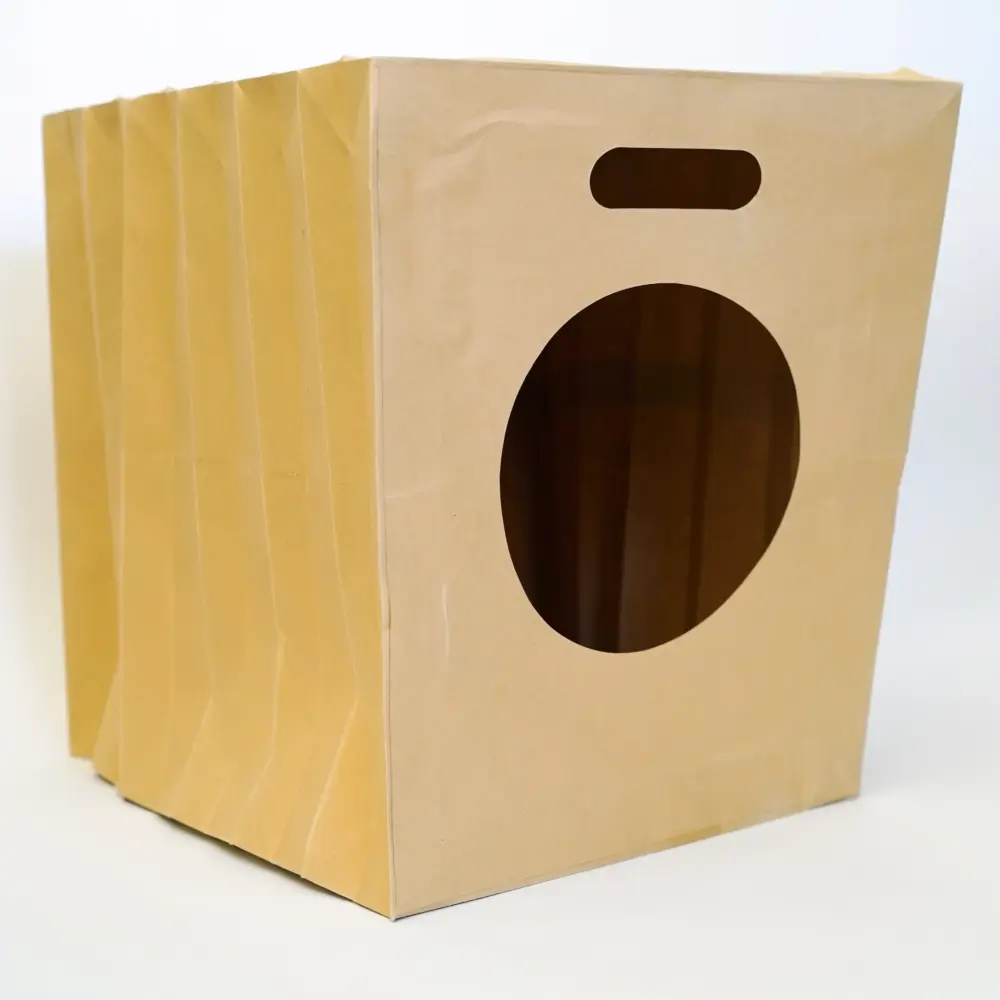
A good deal of what cats enjoy is sensory and costs nothing. Cardboard boxes are genuinely enriching: they provide cover, a new texture and something to shred. A paper bag with the handles cut off occupies many cats for days. A clean, dry patch of sunlight is reliably the most popular square foot in any home.
Cat-safe plants are worth knowing about as well. Catnip works on roughly two thirds of cats and the response is inherited, so a cat who ignores it is not faulty. Silvervine and valerian affect some cats who do not respond to catnip, and cat grass gives indoor cats something safe to chew. Check any houseplant against a reliable toxic plant list before bringing it in, because several common ones, including lilies, are dangerous to cats.
Safety note
Lilies are extremely toxic to cats. Pollen on the coat, licked off during grooming, is enough to cause kidney failure. If you have cats, keep lilies out of the house entirely and treat any exposure as an emergency.
Common questions
Does my indoor cat need another cat for company?
Usually not. Cats are social on their own terms rather than obligate group animals, and many single cats are happier than they would be sharing. If you are considering it, should you get a second cat covers the question honestly.
Why does my cat ignore expensive toys and play with a bottle cap?
Because movement and novelty matter more than the object. A bottle cap skitters unpredictably across a hard floor, which is exactly what prey does. The lesson is to rotate toys and to move them like prey rather than to buy more.
Are laser pointers bad?
They are not harmful in themselves, but they never allow a catch, which frustrates some cats. If you use one, finish the session by landing the dot on a physical toy your cat can actually grab, then feed.
How do I know if my cat is enjoying play or getting overstimulated?
Watch the tail and ears. Loose movement, forward whiskers and repeated re-engagement mean it is going well. A thrashing tail, flattened ears or redirected grabbing at your hand mean stop and let them reset.
My cat only wants to play at midnight. Can I change that?
To a degree. Moving a proper play session and the main meal to late evening shifts many cats toward sleeping overnight. Feeding in response to night waking does the opposite.
Outdoor access, and the alternatives
Outdoor access adds a great deal of what cats find rewarding, and it carries real risks: traffic, other cats, disease and theft. The decision depends on where you live, and it is a genuine trade-off rather than one with an obvious answer. Indoor versus outdoor cats covers both sides.
Where outdoor access is not appropriate, several things close much of the gap: a secure garden or catio, harness walks for cats who take to them, a window perch at a good vantage point, cat grass to chew, and a daily play session that completes the hunting sequence. None of these replaces a garden entirely, and together they produce a cat with plenty to do.
If you want to try a harness, build it up slowly indoors over weeks before going anywhere. How to harness train a cat covers the process, and H-style versus vest harnesses covers the equipment.
Signs you have got it right
- Sleeping stretched out and relaxed rather than tightly curled in hiding
- Using several different resting places across the day
- Playing when a toy appears, rather than ignoring it
- Eating at normal times without hovering or demanding
- Greeting you with a raised, slightly hooked tail
- Grooming properly and keeping the coat in good condition
- Using the litter box normally, every time
- Being visible rather than permanently hidden
What this means in a small flat
None of this needs a large home. A single corner can carry all four: a covered bed at floor level, a perch above it, a scratcher beside it and a warm spot out of the draught. Our guide on how to set up a cat corner walks through building exactly that.
-
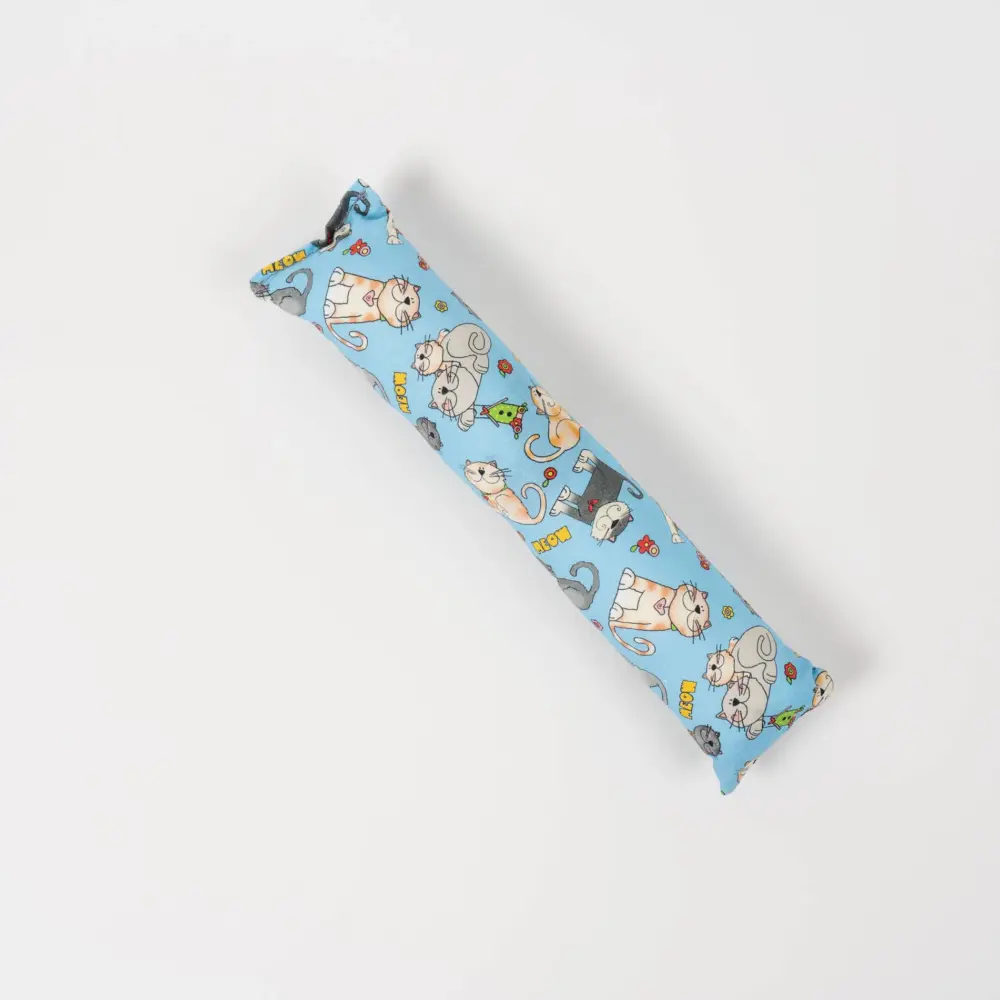
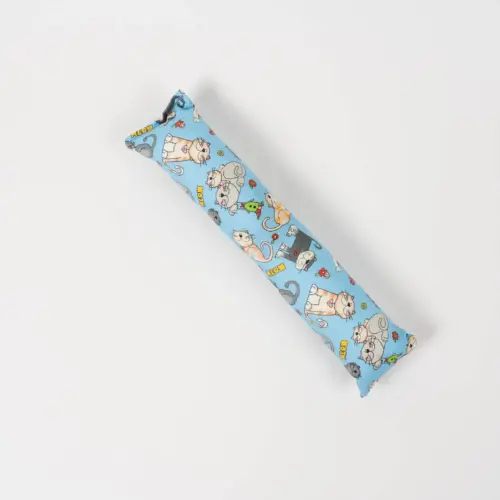
Catnip Stickz
Organic Catnip Cat Toy, Choose size
Price range: $33.95 through $39.95
Why it fits: A kick toy for the catch at the end of a session; cats who grab and rabbit-kick need something to hold, not just chase.
-
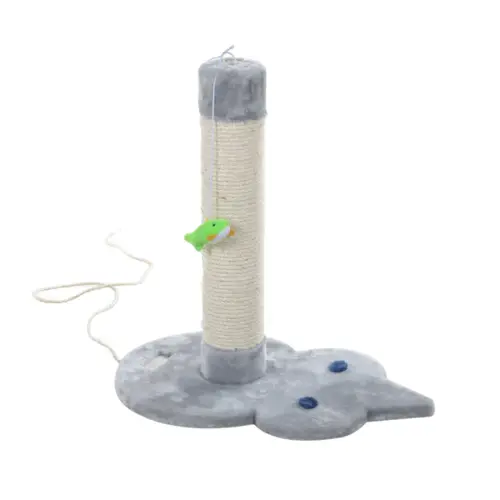
Armarkat
Mouse-Shape Cat Scratcher Post with Rope Toys, View product
$69.95
Why it fits: A stable sisal post for a small room; stability is what decides whether a scratcher gets used.
-
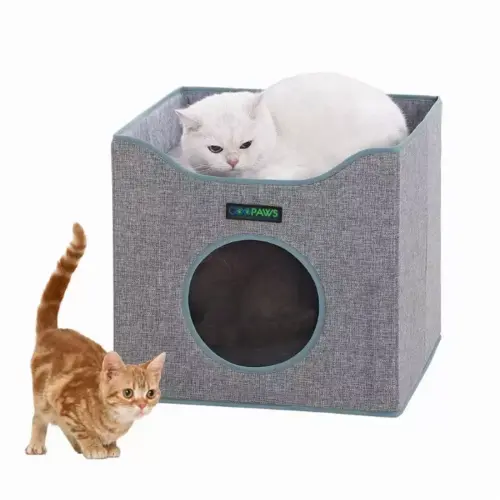
JESPET
Foldable Cat Cube House with Reversible Cushions, Choose color
$52.95
Why it fits: Hiding place below and a perch on top; the cheapest way to add height and cover in one footprint.
-
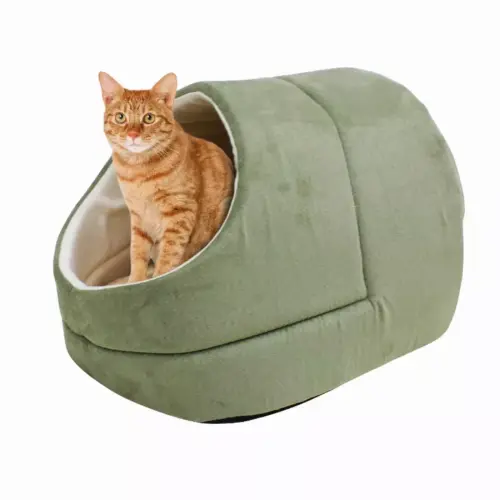
GOOPAWS
Covered Cat Cave Bed, Choose color
$45.95
Why it fits: A warm, enclosed bed against a wall; cats choose contact and cover over open cushions almost every time.
For the other side of the picture, things people do that cats quietly dislike covers the habits that undo much of this, and how to read cat body language helps you tell whether any of it is landing.
Related guides
-
Comparison
Disposable vs Reusable Litter Boxes: When Each Makes Sense
Disposable trays solve problems a permanent box cannot, and cost more over a year. This comparison covers both honestly, including the cases where a disposable tray is the obvious answer and where it is an expensive habit.
-
How-to
How to Set Up a Cat Corner in a Small Home
A cat does not need a whole room, but they do need four things in one place: somewhere to hide, somewhere high, somewhere to scratch and somewhere warm. This guide builds that corner in a small home.
-
Buying guide
Types of Cat Scratchers: Posts, Pads, Angles and Furniture
Cats scratch in a particular direction, on a particular texture, in a particular place. Watching yours for a week tells you which scratcher to buy. This guide covers the types, the materials and why stability decides everything.