Journal Guide
Signs a Cat Is in Pain: The Quiet Changes That Matter
Short answer
Cats in pain stop doing things rather than complain: less jumping, less grooming or too much in one spot, hiding, a hunched posture, and changes in the litter box. Any of these lasting more than a day deserves a veterinary appointment, and a cat who stops eating needs one straight away.

Safety note
This page helps you notice pain; it does not diagnose it. Never give a cat human painkillers. Paracetamol is lethal to cats in very small amounts, and ibuprofen and aspirin are also dangerous.
Cats are built to hide pain
Hiding weakness is a survival behaviour and cats are exceptionally good at it. A cat with significant dental disease will carry on eating. A cat with arthritis in both hips will simply stop jumping onto the counter and nobody notices, because a cat not doing something is invisible in a way a limping dog is not.
This is why the useful question is not what is my cat doing that is wrong, but what has my cat stopped doing. Make a short mental list of what your cat normally does in a day and you have a baseline that catches most problems early.
Posture and facial changes
- Hunched, with the legs tucked tight under the body and the head held low. This is the classic painful posture in cats.
- Sitting still for long periods in an odd place, often facing a wall or a corner.
- Squinting or half-closed eyes, with a tense face and ears rotated slightly out and back.
- Whiskers pulled back against the cheeks rather than fanned forward.
- A tight, tucked abdomen, or flinching when the belly is touched.
- Head held lower than usual when standing.
Tip
A loaf position with the paws tucked is normal and comfortable. A painful loaf is tighter, lower and held for a long time, with a tense face. The difference is in the face more than the shape.
Jumping, stairs and favourite spots
Mobility change is the most reliable early sign of chronic pain in cats, and the most commonly dismissed. Degenerative joint disease is extremely common in older cats and very rarely produces a limp.
- No longer jumping onto a surface they used to reach easily
- Jumping up in two stages, via a chair, when they used to go straight up
- Hesitating at the top or bottom of stairs
- Taking stairs one at a time, or avoiding a floor of the house entirely
- Sleeping at ground level when they used to sleep high
- Landing heavily rather than quietly
- Reluctance to stretch up to scratch, or stopping scratching altogether
That last one is easy to miss and easy to misread as a scratcher problem. A cat who stops using a scratching post they have used for years may be telling you that the stretch hurts.
Grooming: too much and too little
Grooming changes point in two directions and both matter. A cat who stops grooming develops a dull, greasy or matted coat, usually first along the back and over the hips, because that is where it hurts to reach. A cat who overgrooms one specific area, often a joint, the belly or a flank, is frequently grooming a painful spot.
Long-coated cats who suddenly need more de-matting than usual are often not simply getting lazy. Our guide on grooming a long-haired cat covers the routine, but a sudden change in how well a cat grooms themselves is a veterinary question first.
Litter box changes
Several painful conditions show up here before anywhere else, and the litter box is also one of the easiest things in the house to observe.
- Going beside the box rather than in it, which may mean climbing in hurts
- Standing rather than squatting, or an unusual posture
- Straining with little produced
- Crying while in the box
- Going more or less often than usual
- Suddenly avoiding a box that requires stairs to reach
Safety note
A cat, particularly a male cat, who strains repeatedly without producing urine may have a urinary blockage. This is a life-threatening emergency that needs veterinary care within hours, not days.
Mouth pain, which is almost universal
Dental disease is one of the most common sources of pain in cats and one of the least visible. Cats with painful mouths usually keep eating, because the alternative is going hungry, so the signs are subtle: chewing on one side, dropping pieces of food, swallowing dry food whole, preferring wet food suddenly, pawing at the mouth, or simply bad breath that has got worse.
Some cats also develop painful lesions at the gum line that are difficult to see without a proper examination. If your cat has gone off dry food, drools, or has visibly red gums, book a dental check rather than changing the food and hoping.
Tip
A cat who stops grooming often has a sore mouth rather than a sore back. Grooming is done with the tongue and teeth, so mouth pain shows up as a scruffy coat surprisingly often.
Appetite and hiding
Cats in pain often eat less, eat more slowly, chew on one side, drop food, or go off dry food in favour of wet. Dental pain is the usual explanation for the last one and it is extremely common.
Hiding increases with pain as well. A cat who disappears under a bed for a day in a busy house is coping; a cat who has moved there permanently, misses meals and does not come out for things they normally enjoy is not. Why cats hide covers where the line sits.
Tip
A cat who has eaten nothing for 24 hours needs a vet regardless of the cause. Cats who stop eating can develop serious liver problems quickly, so this is not a wait-and-see situation.
What to do next
- Write down what has changed and when it started.
- Film it. A short clip of your cat jumping, walking away from the camera or using the litter box is far more useful than a description.
- Weigh your cat if you can; weight loss over weeks is significant even when everything else looks normal.
- Book a veterinary appointment rather than monitoring for another month.
- Do not give any human medication, and do not change diet drastically before the appointment.
- In the meantime, make life physically easier: everything on one level, low-sided litter box, food and water within easy reach.
Comfort between now and the appointment is the one thing you can safely improve. A warm, enclosed bed at floor level, away from draughts, suits a sore cat better than a high perch they have to climb to.
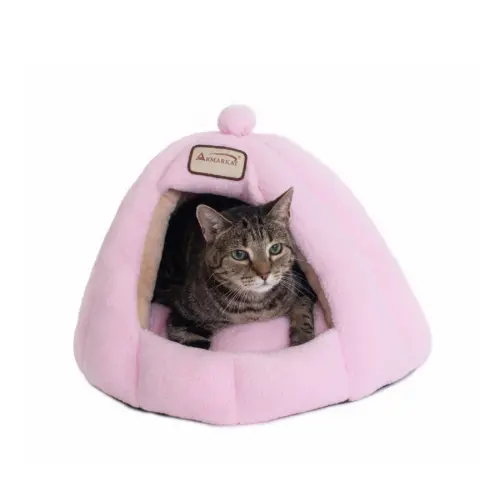
-
Armarkat
Cuddle Cat Bed, View product
$59.95
Why it fits: A low, soft cuddle bed at floor level; a cat who is sore should not have to climb to rest comfortably.
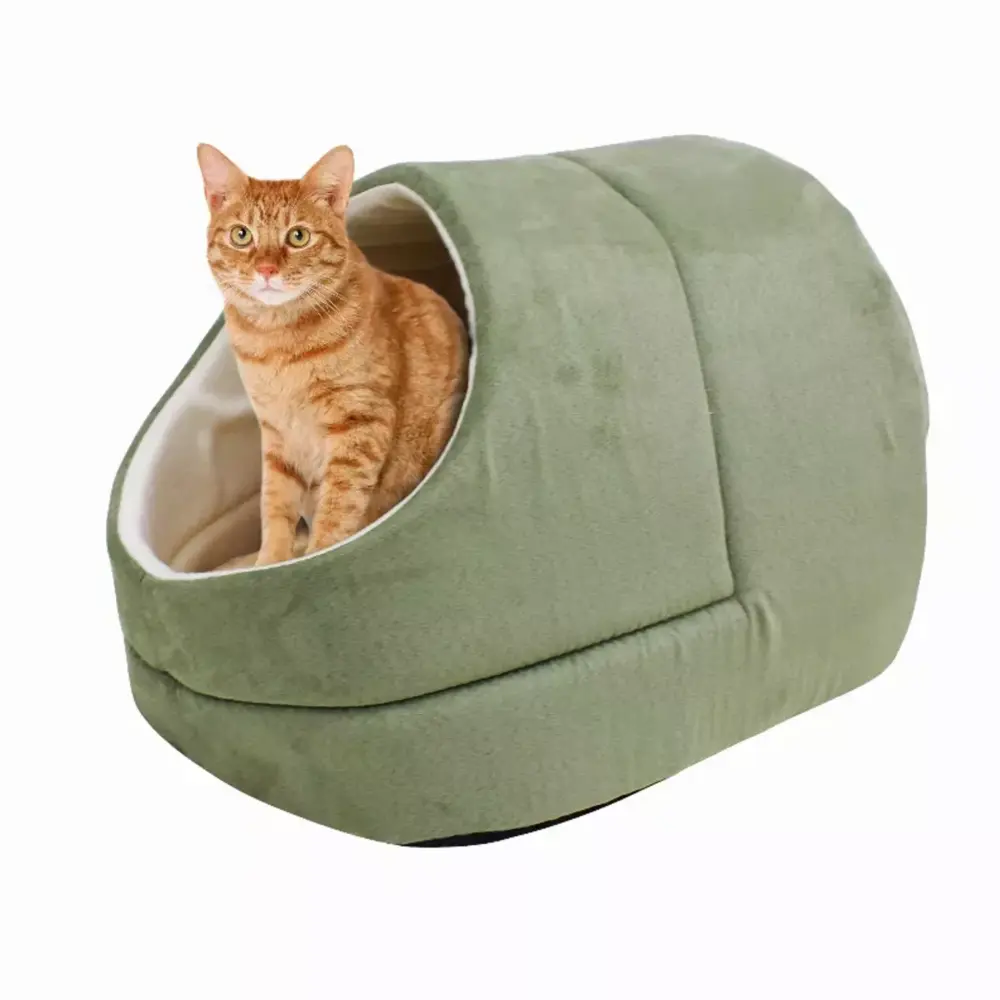
-
GOOPAWS
Covered Cat Cave Bed, Choose color
$45.95
Why it fits: An enclosed cave for a cat who wants to be out of sight; hiding and pain often arrive together.
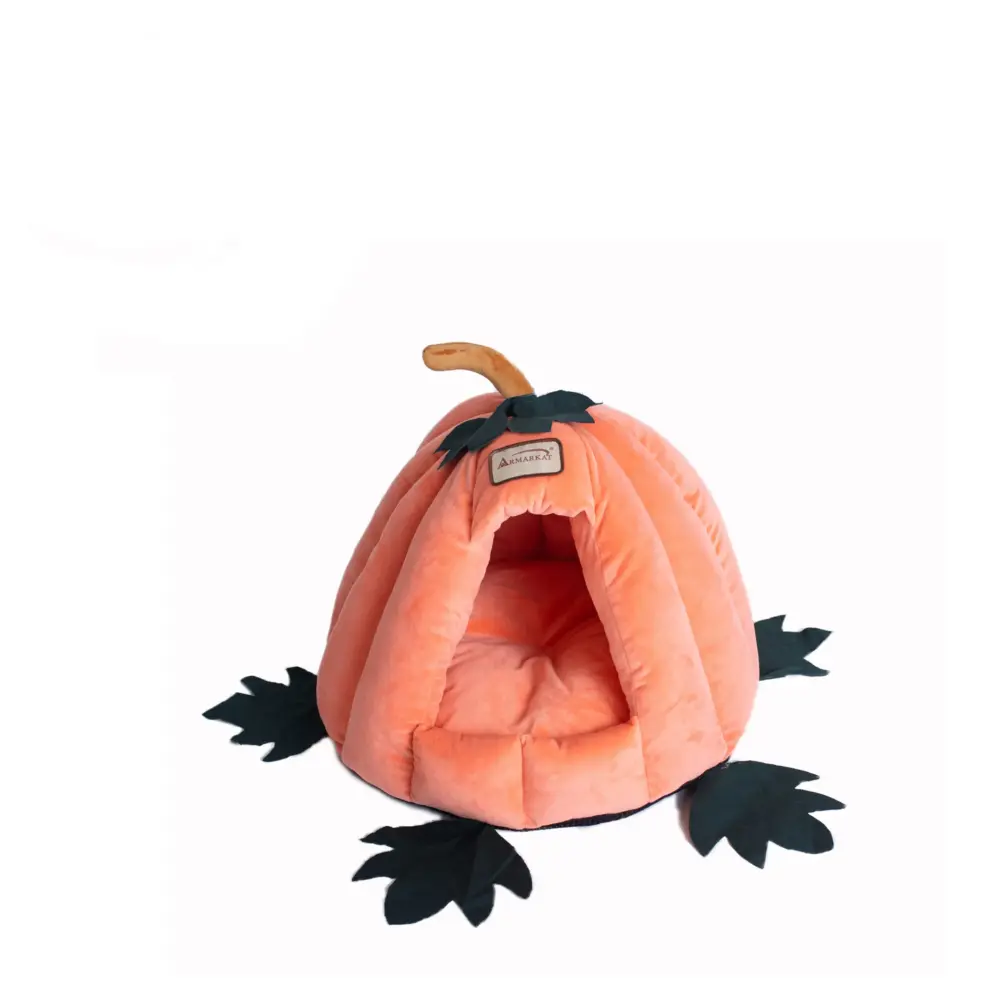
-
Armarkat
Gumdrop Cave Cat Bed, View product
$79.95
Why it fits: A deep cave bed with a thick pad; warmth and support both help a stiff older cat settle.
-
Armarkat
Tube Cat Bed, View product
$69.95
Why it fits: A covered tube bed with a removable, washable mat, which matters when a cat is unwell.

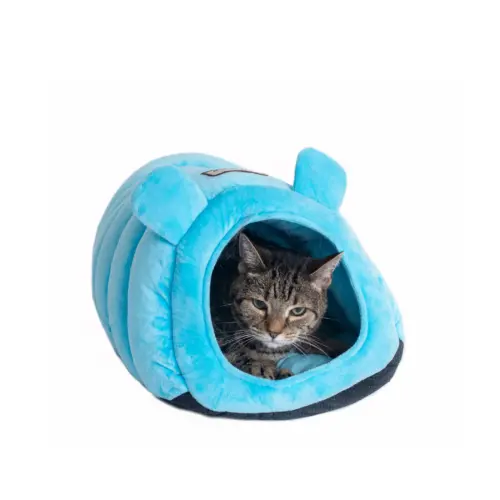
Making life easier for a sore cat
While you wait for an appointment, and afterwards for a cat with a long-term condition, small environmental changes make a disproportionate difference. The goal is to remove the moments in the day that require effort.
- A litter box with a low entry, or a cut-down side
- Litter boxes on every floor the cat uses
- Food and water at the level where they spend most time
- Steps or a stool up to a favourite perch instead of a jump
- Soft, warm bedding away from draughts and off cold floors
- Non-slip mats on smooth floors along their usual routes
- Help with grooming the areas they can no longer reach
- Claw checks more often, since a less active cat wears them down less
Quality of life over time
For cats with long-term conditions, the useful question is not whether they are in pain today but how the pattern is changing. Keeping a simple weekly note of appetite, grooming, mobility, interaction and litter box use turns a gradual decline into something visible rather than something noticed suddenly.
Many veterinary practices use quality of life scoring tools and will go through one with you. Asking for that early, rather than at a crisis, makes the conversations that may come later considerably easier.
Common questions
Would my cat purr if she were in pain?
Yes, and many do. Purring is not a reliable sign of comfort. Cats purr when distressed, injured and seriously unwell as well as when content, so read it alongside posture, grooming and appetite rather than on its own.
My cat is old and slowing down. Is that just age?
Slowing down is not a diagnosis. Degenerative joint disease is very common in older cats and rarely produces a limp, so the usual picture is simply a cat who stops jumping, stops grooming their back end and sleeps lower down. All of that is treatable and worth investigating.
Can I give my cat painkillers from the cupboard?
Never. Paracetamol is lethal to cats in very small doses, and ibuprofen and aspirin are also dangerous. Only ever give medication prescribed for that cat by a vet.
How do I weigh a cat at home?
Stand on bathroom scales holding your cat, then stand on them alone and subtract. It is not precise, but tracking the same method each month catches gradual weight loss, which is one of the most useful signals you can collect.
My cat hates the vet. Is a visit worth the stress?
Yes, when something has changed. Carrier training beforehand makes a real difference, and many practices now offer appointments designed to reduce stress. Making vet visits less stressful for cats covers the preparation.
What if everything looks normal but something feels off?
Trust it, and say exactly that when you book. Owners notice changes long before they can name them, and the subtle ones are precisely the ones cats are good at hiding.
To judge urgency, see when to call the vet about a cat. For the overlap with stress, which is considerable, read signs your cat is stressed, and build a routine that catches these changes earlier with the weekly at-home health check for cats.
Related guides
-
Guide
Why Cats Hide, and When Hiding Means Something Is Wrong
Hiding is normal cat behaviour and also one of the clearest signs that something is wrong. This guide explains the difference, the timeline worth acting on, and why taking hiding places away makes everything worse.
-
Guide
How Much Sleep Does a Cat Need? Normal Patterns and Red Flags
Cats sleep more than almost any other pet, and the pattern is as informative as the total. This guide covers normal sleep by life stage, why cats wake you at five in the morning, and the changes that matter.
-
Guide
Signs Your Cat Is Stressed, and the Changes That Help
Cats hide stress by design, so it usually shows up as a change rather than a signal: litter box habits, grooming, appetite and where they spend their time. This guide covers what to look for and the layout changes that fix most of it.