Journal How-to
The Weekly At-Home Health Check for Cats
Short answer
Once a week, check your cat’s eyes, ears, mouth, coat and claws, run both hands over the body feeling for lumps, and note their weight. Add what you see in the litter box, which is the most informative health signal a cat gives you.
Cats need this more than dogs do
A dog who feels unwell usually tells you: they go off their food visibly, they slow down, they look sorry for themselves. A cat carries on almost exactly as normal until they cannot, which is why so many feline conditions are found late.
A weekly check is the practical answer. It is not about diagnosing anything; it is about knowing your own cat well enough that a change registers. Combined with monthly weighing, it is the most effective early-warning system available to a cat owner.
Picking your moment
Do it when your cat is already settled on you or beside you, not when you have gone looking for them. Keep it under two minutes, work it into stroking rather than announcing it, and stop before your cat decides they have had enough. A check that ends badly makes the next one harder.
Tip
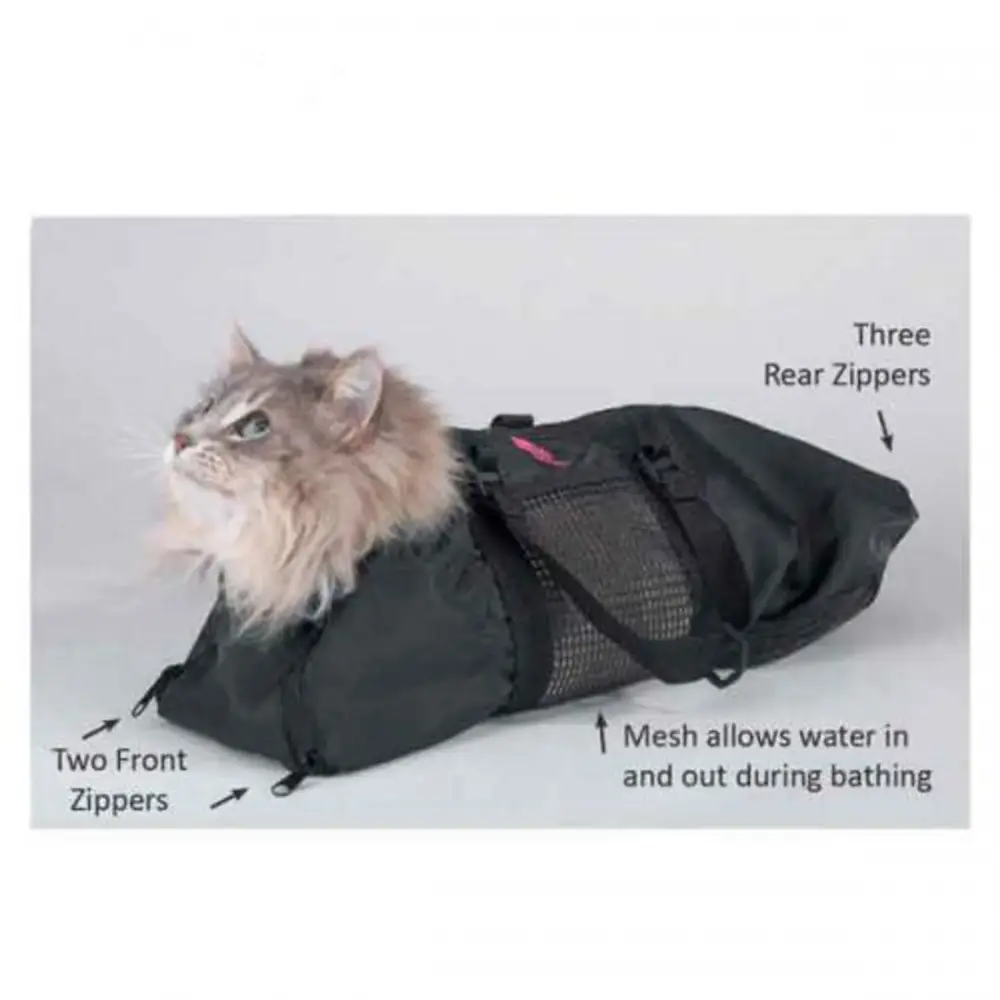
If your cat will not tolerate handling at all, start with a single area each week and reward heavily. For cats who cannot be handled for nails or ears, how to use a cat grooming bag covers a tool that helps, with the safety rules that go with it.
The check, in order
- Wait until your cat is already settled next to you or on your lap.
- Begin with stroking, then work from the head backwards in the same order each week.
- Use flat hands and light pressure, comparing one side with the other.
- Keep the whole thing under two minutes.
- Stop at the first tail flick or ear rotation rather than pushing on.
- Note the date, the weight and anything you found straight afterwards.
- Eyes: clear, equal pupils, no discharge, no squinting, third eyelid not showing
- Ears: clean and pale inside, no dark gritty debris, no smell, no scratching
- Nose: clean, breathing quietly through it
- Mouth: gums pink, no red line along the gums, no broken teeth, breath not foul
- Head and neck: hands flat, feeling for lumps and sore spots
- Along the back and ribs: same pressure both sides, comparing as you go
- Belly: gentle, and never pressing hard
- Legs and tail: comparing left with right
- Rear end: clean, no matting, no swelling
Dark gritty debris in the ears is the classic sign of ear mites and is common in young cats. A red line where the gum meets the tooth is the usual first sign of dental disease, which is extremely common in cats and genuinely painful.
Claws and paws
Indoor cats do not wear their claws down, and older cats stop maintaining them. An overgrown claw can curl right around into the pad, which is painful and easily missed under fur. Press gently on the top of each toe to extend the claw and look at the tip.
Check the pads for cuts and the spaces between the toes for matting, which is a particular problem in long-coated cats. If your cat will not allow nail trimming, trimming the nails of a cat who will not let you covers the build-up.
Coat and skin
A healthy cat coat is smooth and reasonably glossy. Dull, greasy, clumped or matted fur usually means the cat has stopped grooming properly, which is a signal in itself: cats stop grooming when they are in pain, when they are unwell, or when they cannot reach an area any more.
Part the fur along the back and at the base of the tail and look for flea dirt, which appears as small dark specks that turn reddish on a damp tissue. Check for scabs along the spine and neck, and for bald patches, especially on the belly and inner legs, which often indicate overgrooming.
-
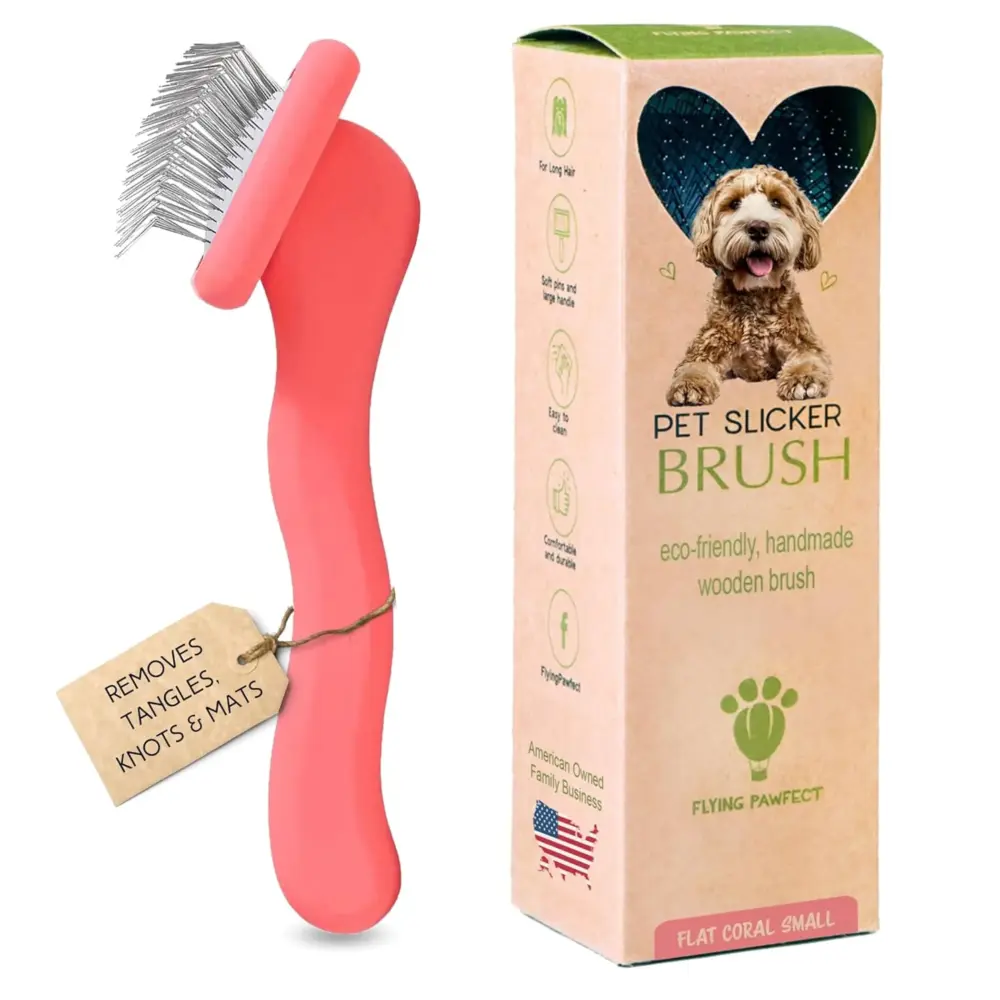
Flat Slicker Brush, Small, View product
$38.95
Why it fits: A small flat slicker suits a cat-sized body; a lighter touch and a smaller head make weekly checks easier.
-
3-in-1 Steam Grooming Brush for Cats & Dogs, View product
$36.95
Why it fits: A grooming brush for the weekly once-over on cats who tolerate a gentler tool than a slicker.
-
Top Performance
Cat Grooming Bag, Choose size
Price range: $30.95 through $33.95
Why it fits: A restraint bag for nails and ears when nothing else works, used with the safety rules in our guide.
-
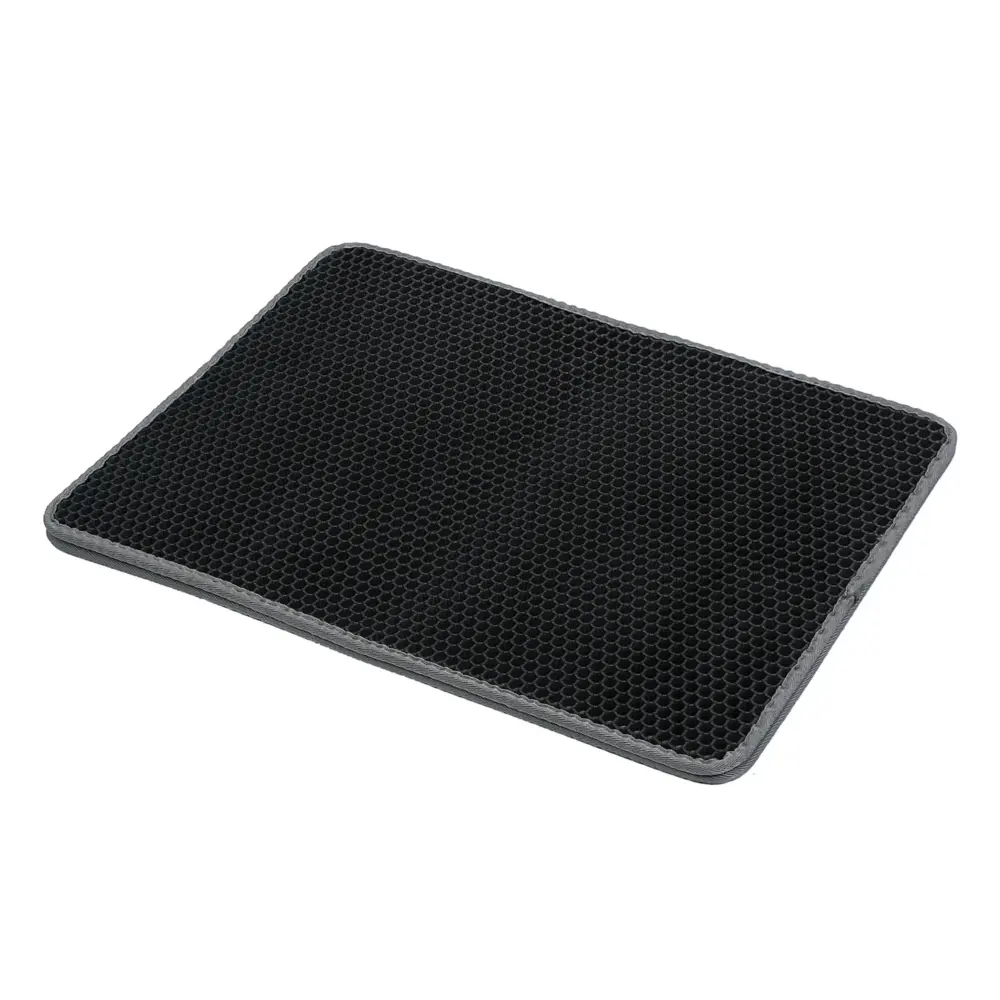
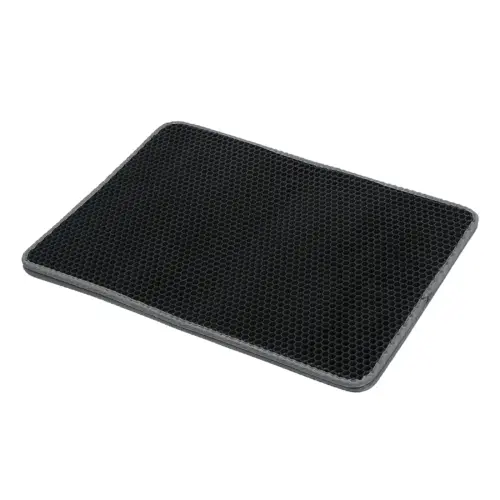
Double-Layer Honeycomb Cat Litter Trapping Mat, View product
$53.95
Why it fits: A trapping mat by the box, which keeps the area clean enough to actually inspect each day.


What the litter box tells you
The litter box is the single most useful source of information about a cat’s health, and the only one that updates daily without any cooperation from the cat. Scooping twice a day means you see it without doing anything extra.
- Volume and number of urinations: a sudden increase or decrease matters.
- Straining, particularly with little produced, which can be an emergency.
- Blood, in urine or faeces.
- Diarrhoea or constipation lasting more than a day or two.
- Going outside the box, which is medical until proven otherwise.
- Crying in the box, which always warrants a call.
Safety note
A cat, especially a male cat, who strains repeatedly in the box without producing urine may have a urinary blockage. This is life threatening and needs emergency veterinary care within hours.
Findings that mean call the vet
- Any new lump, or one that has changed
- Weight loss, even a small amount, in an adult cat
- Drinking noticeably more than usual
- Red gums, a broken tooth, drooling or dropping food
- An ear being scratched, or with dark debris and a smell
- An eye that is weeping, cloudy or half closed
- A coat that has become matted or greasy when it was not
- Bald patches or constant licking of one area
- Any change in litter box habits
Working with a cat who objects
Most cats will not simply submit to an examination, and forcing one teaches them to avoid you when you approach. The approach that works is to break the check into pieces and spread it across the week rather than doing it all at once.
- Pick one area per day rather than all of them in one sitting.
- Do it while your cat is already settled on you, not after fetching them.
- Work it into stroking so it does not feel like a separate event.
- Stop at the first tail flick or ear rotation.
- Finish with something good: food, or a short play session.
- Build up to the harder areas, such as the mouth and paws, over weeks.
A cat who has learned that handling is short and predictable is also a cat who can be medicated at home, which is worth a great deal the first time it is genuinely needed.
Indoor cats still need this
It is tempting to assume an indoor cat is lower risk, and for some things that is true. For the conditions this check is designed to catch, it is not. Dental disease, weight change, kidney disease, hyperthyroidism, lumps and overgrooming are all as common indoors as out, and in some cases more so.
Indoor cats also hide their symptoms in an environment where there is less to observe. An outdoor cat who stops going out is obvious; an indoor cat who moves from the top of the bookcase to a chair has made a change that is just as significant and far easier to miss.
Common questions
How do I weigh a cat at home?
Weigh yourself holding the cat, then weigh yourself alone, and subtract. Use the same scales each month. The trend is what matters, and weight loss in cats is one of the earliest signals of several common conditions.
My cat hates being handled. Should I force this?
No. Break it into pieces and work on one area at a time over weeks, with food. A check your cat tolerates is worth far more than a thorough one that makes handling worse.
Is bad breath normal in cats?
Mild cat breath is normal; genuinely unpleasant breath is not, and usually means dental disease. It is painful and extremely common, and it is one of the most worthwhile things to get treated.
How often should I weigh my cat?
Monthly for a healthy adult, more often if your vet has asked you to track it. Weight change is slow and invisible by eye, so the scales do work the hands cannot.
My indoor cat never goes out. Do they still need flea treatment?
Usually yes. Fleas come in on clothing, on other pets and through open doors. Ask your vet what is appropriate for your household rather than assuming indoor means no risk.
The dog version is the weekly at-home health check for dogs. Use it alongside a realistic daily cat care routine and the body condition check, and read when to call the vet about a cat for urgency.
Related guides
-
How-to
How to Use a Cat Grooming Bag Safely
A grooming bag is a restraint, which makes using it properly a safety question rather than a convenience one. This guide covers choosing a size, introducing it over days, running a session, and the signs that mean stop.
-
Checklist
A Realistic Daily Cat Care Routine
A realistic daily routine for an indoor cat, from the twice-daily litter scoop to a play session that actually satisfies, plus the weekly jobs and how the routine changes for kittens and senior cats.
-
Guide
Things People Do That Cats Quietly Dislike
Cats rarely protest loudly, so the things they dislike tend to go unnoticed until something changes. This guide covers the common ones, from being picked up to moved litter boxes, and what to do instead.